





 Portuguese
  English
  Spanish
  4 min of reading
  0 comments


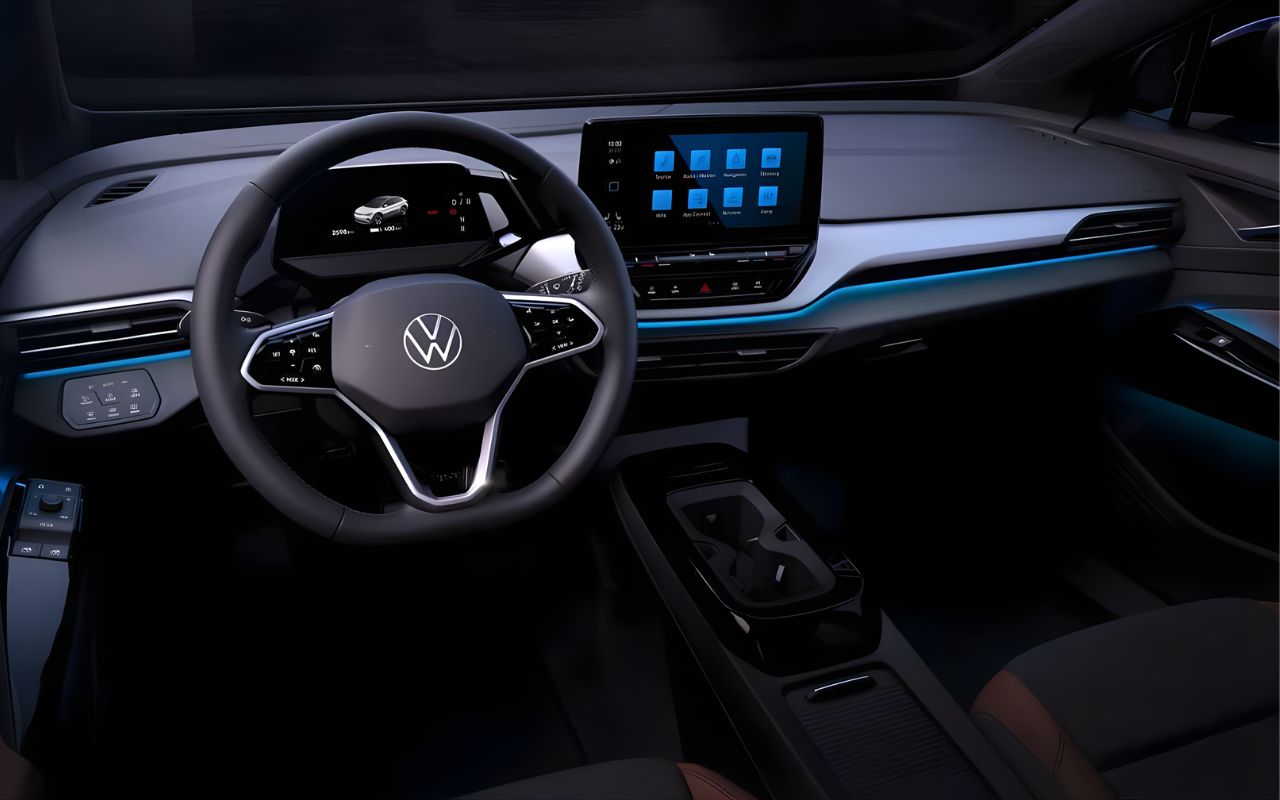
Discover Which Traditional Car Controls Remain Useful In The Face Of Touchscreens And Design Trends, And Why Not Everything Needs To Be Reinvented At The Wheel.
The controls of cars that are simpler and more traditional continue to be efficient even in an era dominated by touchscreens and digital interfaces. Some basic functions, when maintained with buttons and physical controls, provide greater safety and practicality within cars.
This perception contrasts with the current trend to concentrate multiple functions in large touch-sensitive screens, which many brands have adopted in the name of modernity, but not always with comfort while driving.
Why Do Traditional Car Controls Still Make Sense?
The purpose of car controls is simple: to allow the driver to activate essential functions quickly and without diverting attention from the road.
-
The 2026 electric Vitara arrives in Brazil and proves that Suzuki is not leaving: 4×4 traction, 184 hp, 61 kWh LFP battery, 293 km range, R$ 259,000, and a trunk capacity of 224 L.
-
Hyundai has unveiled the Boulder, a square SUV with a body-on-frame design, 37-inch mud tires, and carriage-style doors that seems to be made to take on the Ford Bronco and the Scout Traveller in the United States.

-
The Toyota Hilux is R$ 75.5 thousand cheaper and bets on the 2.8 turbodiesel engine with up to 204 hp and 50.9 kgfm to catch up with the VW Saveiro, which leads with 4,472 sales.
-
The new Renault Koleos has a screen exclusively for the passenger that is invisible to the driver, heated rear seats, and 29 assistance systems, but its Chinese competitors cost R$ 40,000 less and deliver more power.

However, as cars have evolved, many physical controls have been replaced by menus on touchscreen displays.
According to industry analyses, this movement can compromise ergonomics and make routine operations more difficult, especially in traffic situations.
On the other hand, physical controls like buttons and switches ensure tactile feedback and allow the driver to keep their eyes on the road.
1. Air Conditioning Controls: Tactile Precision
One of the most basic controls in a car—the air conditioning—has been standard with rotary buttons for decades.
This format allows for quick adjustments of temperature and fan speed without the driver needing to look at the screen.
Some current models, opting for controls only via screen, require navigation through menus that can distract the driver and increase the time to adjust the internal climate.
2. Door Handles and Openings: Trust Beyond Technology
Even with the advancement of electronic opening systems, physical controls like door handles remain essential.
In some cases, “modern” approaches that hide functions can complicate simple actions, such as opening the door in emergency situations.
3. Electric Window Controls: Everyday Practicality
The installation of dedicated buttons to raise and lower electric windows is a classic example of effective interface in the car.
Although many modern models integrate this control into screens, the intuitive operation of a physical button can be faster.
4. Mirror Adjustment: Immediate Adjustments
Mirror adjustment is another function that benefits from simple physical controls.
In cars that maintain exclusive buttons for this purpose, adjustments can be made while in motion, without needing to access complex menus.
5. Turn Signal Lever: Intuitive Signaling
The traditional turn signal lever that returns to center after activation is a command that almost every driver knows from the first cars they drove.
Despite experiments with innovative mechanisms, this function remains intuitive and efficient in most models.
The Impact Of Touchscreens In Cars
In recent years, touchscreens have dominated the dashboards of modern cars, centralizing functions like air conditioning, audio, and navigation in a single display.
This trend emerged with the promise of reducing the number of buttons but has not always resulted in better experiences for drivers.
Consumer research has shown that excessive screens can hinder usability, leading some automakers to reconsider adopting physical controls.
The Automotive Industry’s Response
Brands like Volkswagen have announced the return of physical buttons for essential functions like volume control, air conditioning, and lights on the steering wheel.
This movement recognizes that, in many cases, simple car controls offer swift and secure responses that touchscreens still cannot replicate with total efficiency.
Other manufacturers, including Audi and Porsche, are also reintroducing physical buttons in critical areas of the cockpit to enhance the user experience.
Reinvented Controls: Where Technology Adds And Where It Complicates
Some innovations amplify the driver’s interaction with the vehicle, such as gesture controls or voice assistants that allow actions without physical contact.
These solutions are being tested or are already available in premium models, providing an interesting alternative.
However, essential functions that require focus and speed tend to benefit from simple and tactile controls, which explains the persistence or return of traditional buttons in cars.
As technology advances, car dashboards will continue to evolve between digital and physical.
The current trend indicates a balance, where digital systems coexist with physical controls to ensure comfort, safety, and practicality.
Meanwhile, drivers continue to value what already worked well: intuitive controls that do not require diverting their eyes from the road and keep driving simple and efficient.
Source: AutoPapo










Seja o primeiro a reagir!