





 Portuguese
  English
  Spanish
  3 min of reading
  0 comments



Proposal Expands Minimum Quotas for Biofuels in Gasoline and Diesel Oil and Sets a Target for Including Biomethane as a Mandatory Component in Natural Gas
You won’t believe the changes that are coming! President Lula signed today, in a solemn ceremony at the Brasília Air Base, the project for the fuel of the future, which revolutionizes the mix of ethanol in gasoline and establishes ambitious targets for aviation.
According to the Ministry of Mines and Energy, the program will unlock investments of R$ 260 billion in various areas, preventing the emission of 705 million tons of CO2 by 2037. The signing took place during the Liderança Verde Brasil Expo, which showcases the main decarbonization technologies in operation in the country.
The Advances We Will Have Because of This ‘Fuel of the Future’ Law Are Unprecedented — Highlighted the Minister of Mines and Energy, Alexandre Silveira
One of the major benefits of the project is the encouragement of sustainable fuel production, such as green diesel, produced from plant and animal fats, sugarcane, ethanol, and biomasses. These new fuels will significantly contribute to reducing carbon emissions, especially from heavy vehicles.
-
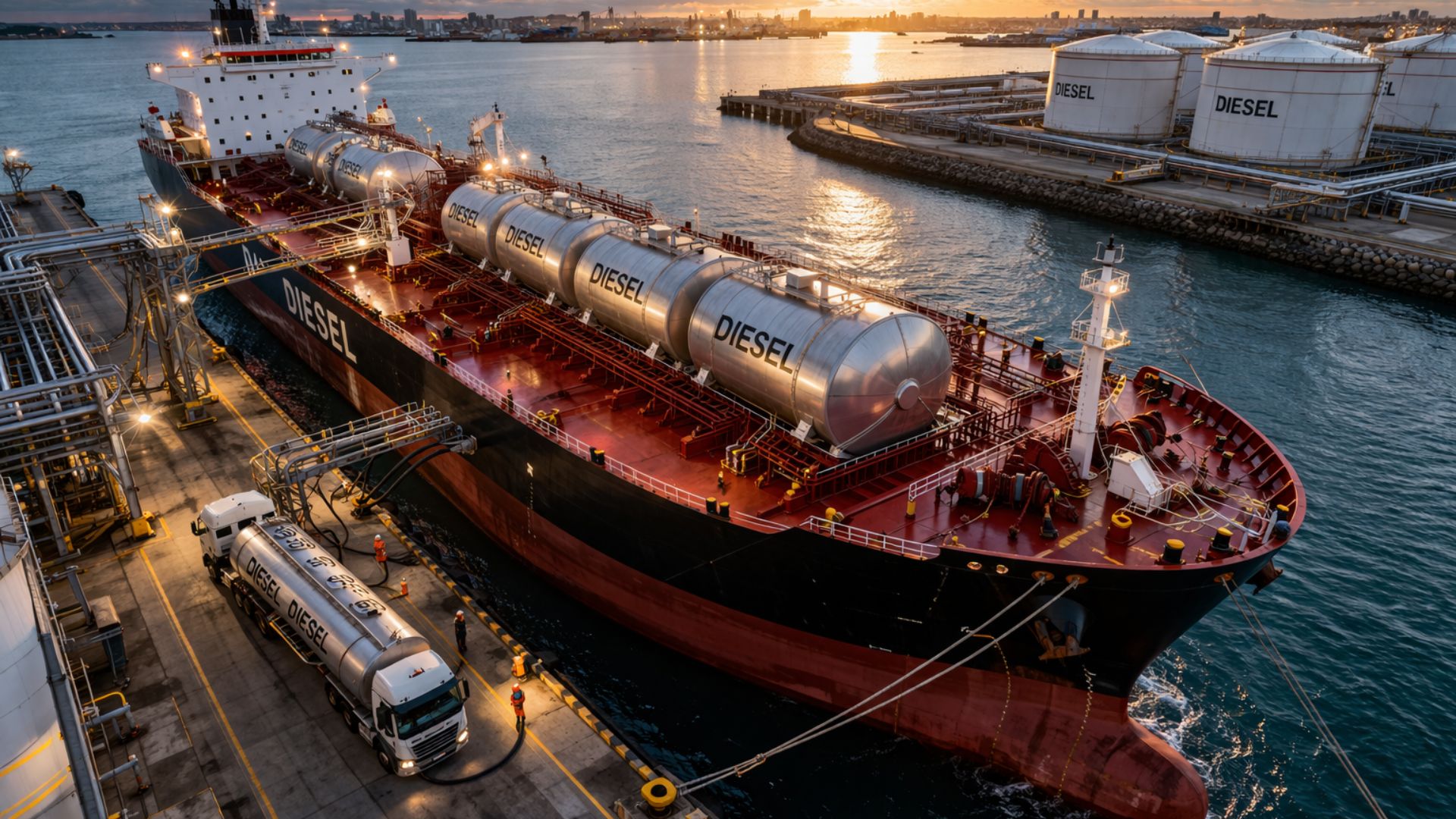
Former president of IBP highlights that dependence on diesel imports pressures prices in Brazil, increases vulnerability to global crises, and underscores the need for more robust and sustainable energy policies.
-
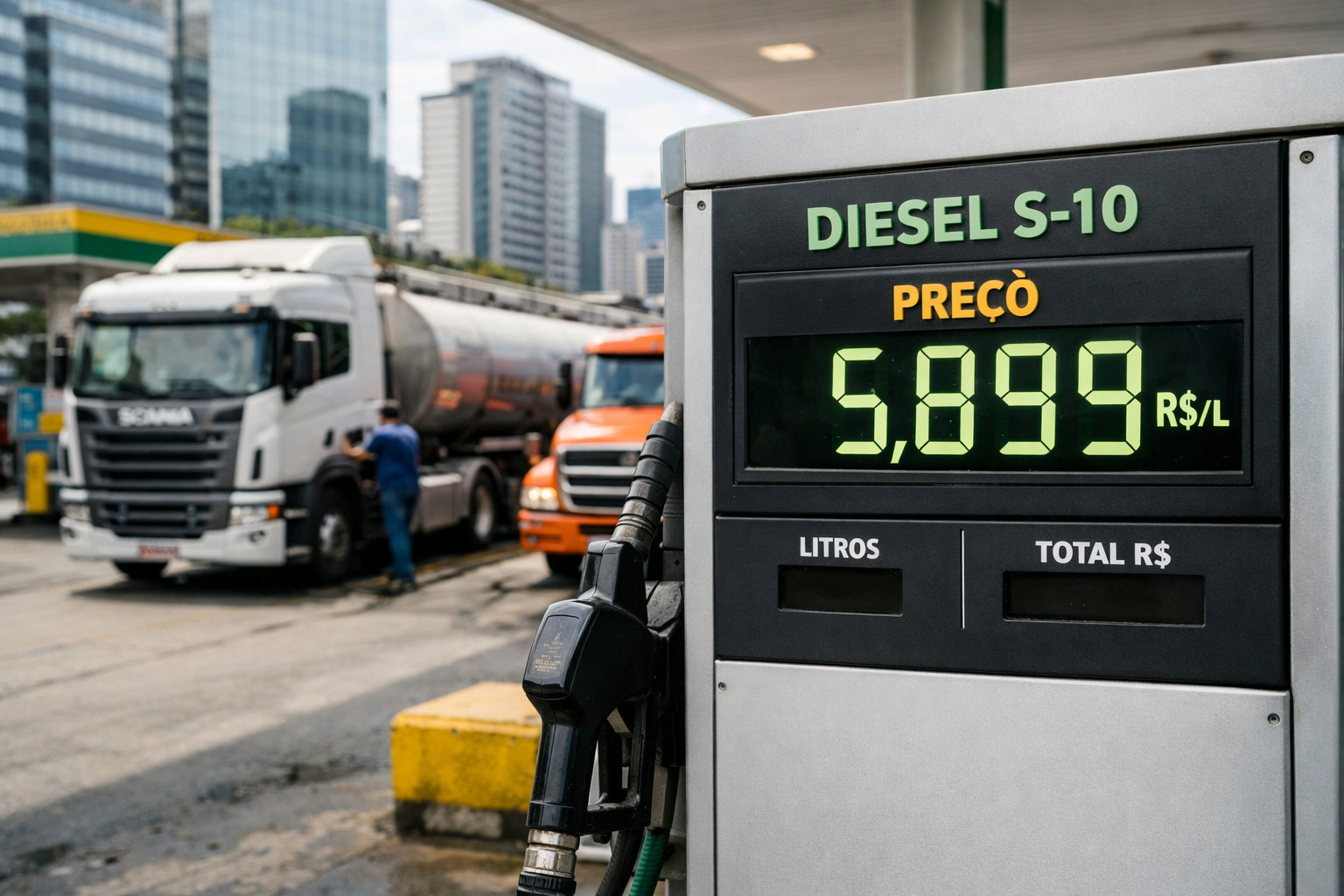
Middle East War Drives Up Oil Prices, And Petrobras Increases Diesel: Fuel Reaches R$ 3.65 Per Liter At Distributors
-
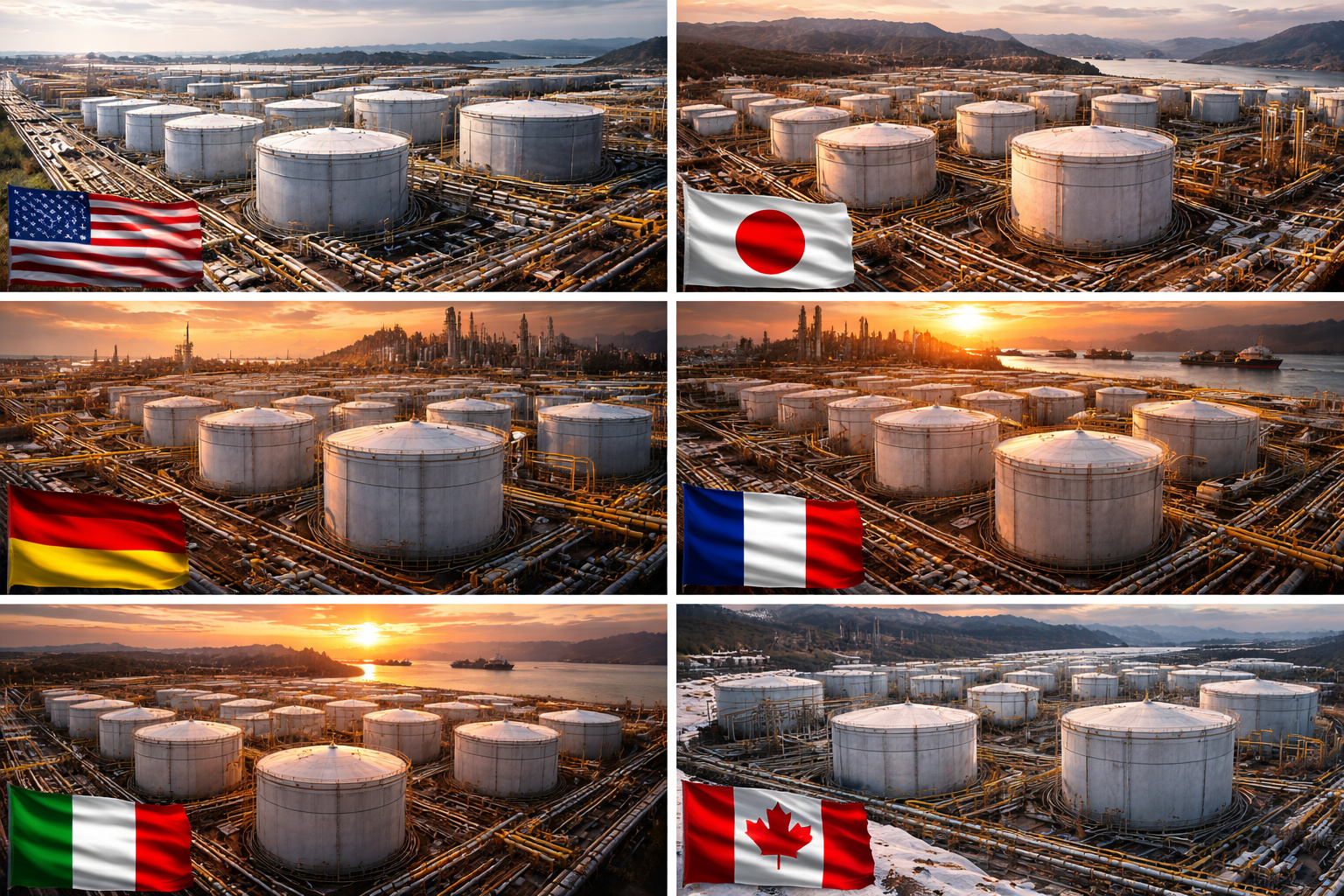
Oil Soars to Nearly $120, Middle East Tensions Shake Global Market, and a Little-Known Detail Returns to Energy Debate: The Gigantic Strategic Reserves Hidden by G7 Countries — See How Many Millions of Barrels Each Nation Holds in Reserve to Face a Global Crisis
-
Gasoline And Diesel May Change Course In Brazil: International Oil Pressure Renews Debate On Prices And Direct Impact On Drivers’ Wallets

Also in focus is the incentive for biomethane, an alternative to natural gas used in passenger and freight transport, and Sustainable Aviation Fuel (SAF), obtained from renewable raw materials for use in the aviation sector.
Changes in Fuel Mixes
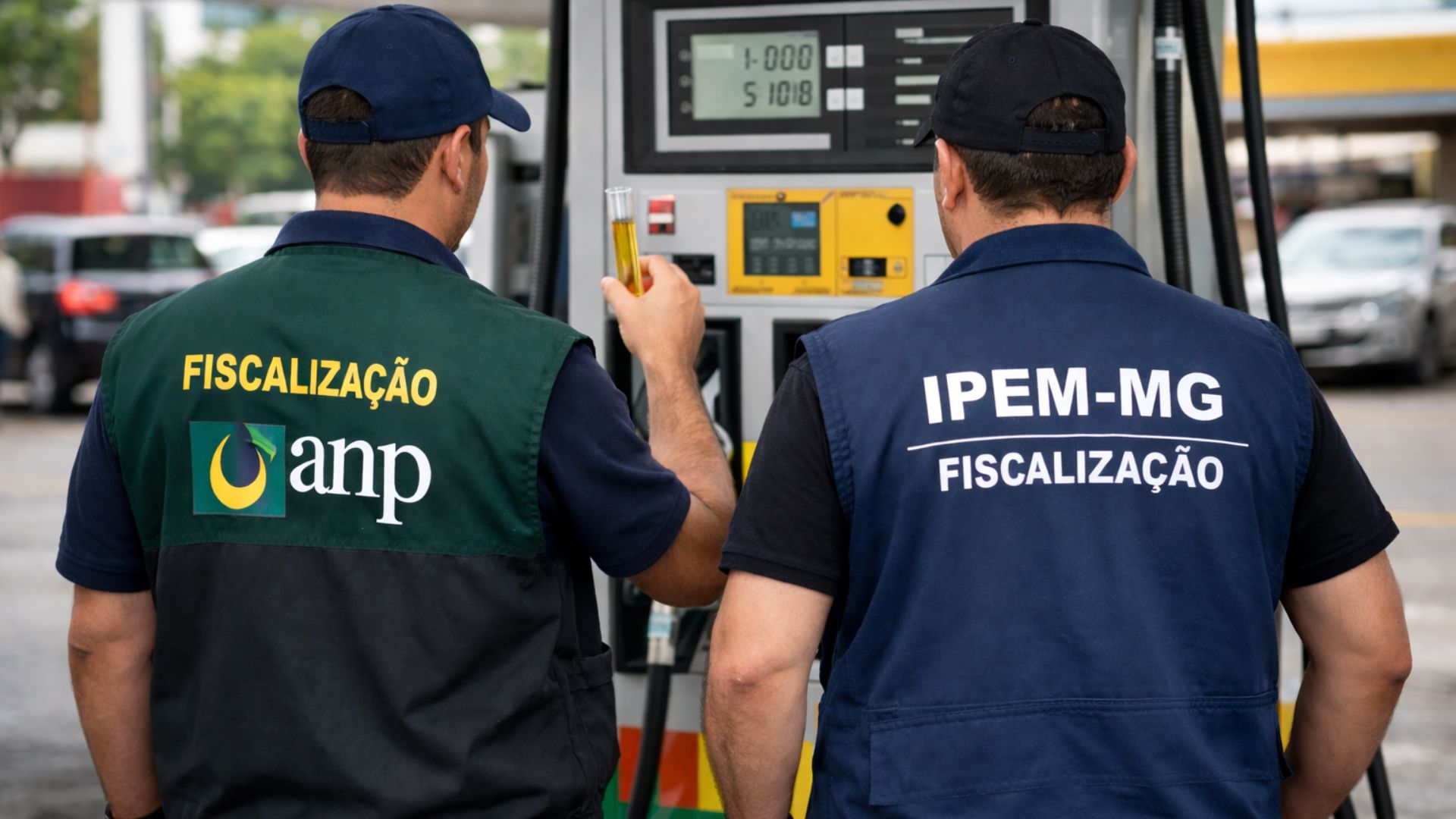
Under the project, the percentage of ethanol blend in gasoline will be 27%, with the Executive Power able to adjust between 22% and 35%. Currently, the blend varies up to 27.5%, with a minimum of 18% ethanol.
Regarding biodiesel in diesel, currently at 14% since March by the National Energy Policy Council (CNPE), the project provides for an increase of one percentage point annually starting March 2025, reaching 20% in March 2030.
The proposal also establishes that green diesel will have a mandatory minimum volumetric participation in fuels, defined by the CNPE until 2037, not exceeding 3% per year. Green diesel is produced exclusively from renewable biomass.
Carbon Storage
The project creates rules for the authorization of geological storage of carbon dioxide, which involves the injection of gas into geological reservoirs through soil drilling. Brazilian companies will be able to request authorization from the National Agency of Petroleum, Natural Gas and Biofuels (ANP) to carry out the activity. The ANP will be responsible for regulating and supervising storage, ensuring safety and efficiency in the process.
During the exhibition at the fair, visitors could check out aircraft from airlines Azul, Latam, and Gol, as well as vehicles from manufacturers Mercedes-Benz, Toyota, Volvo, Renault, and Volkswagen. A total of 66 vehicles were presented, including trucks, tractors, buses, and cars, all aligned with the new guidelines of the fuel of the future.
And you, what do you think of these changes in the ethanol blend in gasoline and the new targets for aviation? Do you believe that the ‘fuel of the future’ will transform the energy sector in Brazil? Leave your opinion in the comments!







Seja o primeiro a reagir!