





 Portuguese
  English
  Spanish
  5 min of reading
  0 comments


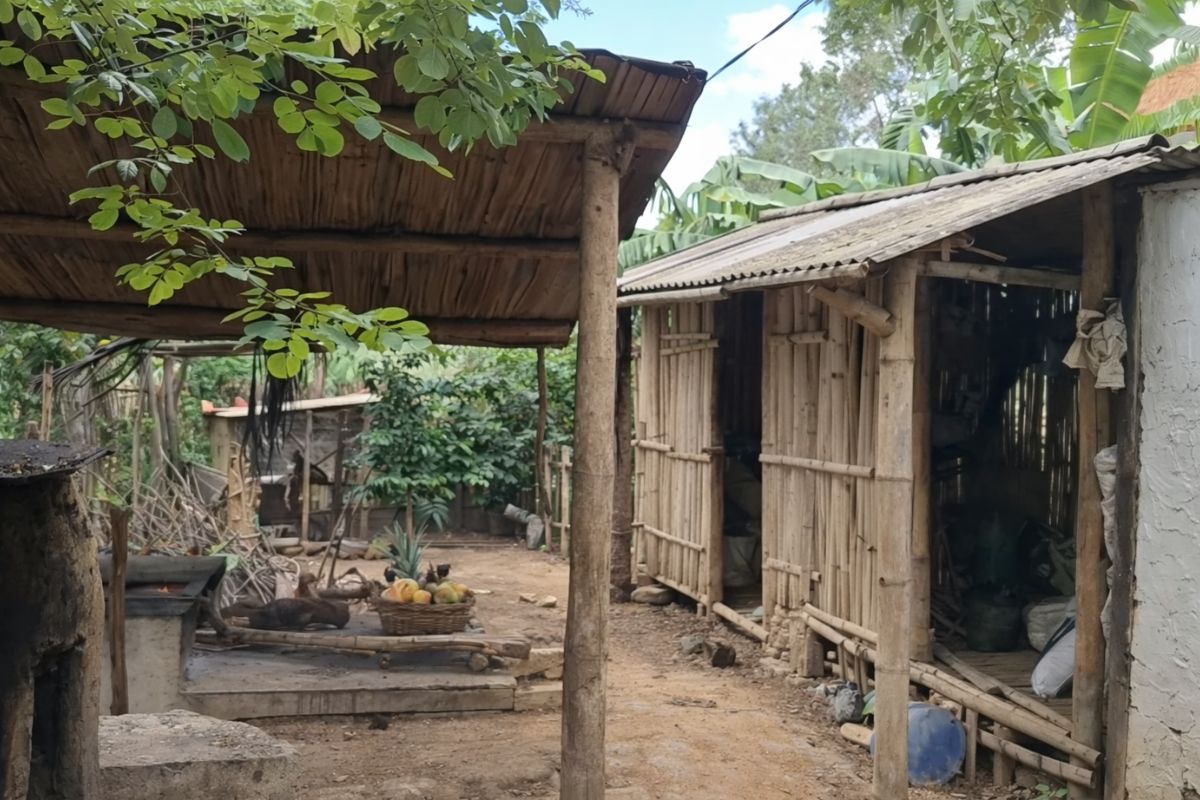
In Four Years, Ana Paula and Adailton Decided to Start a Farm from Scratch, Transformed Life in the Country into Farm Life, and Today They Maintain a Sustainable Farm in Alagoas, Producing Their Own Food Year-Round
From Raw Land to Abundance in Four Years, Ana Paula and Adailton’s Sustainable Farm Produces Milk, Eggs, Fruits, Roots, and Spices for the House, Using What Nature Provides and Reusing Every Piece of Land in the Interior of Alagoas.
They Started with a Dream, a Simple Piece of Land, and a Lot of Willingness. Four Years Later, What Was Just Brush Turned into a Sustainable Farm, with Chickens, Goats, Dogs, a Fruit Orchard Full of Fruit, Cassava at the Right Point, and a Demanding Routine, but Full of Meaning, Silence, and Birdsong.
From Dream to Sustainable Farm
Ana Paula says she has always had the desire to have her own piece of land. After the children grew up, got married, and graduated, she and her husband chose a new phase of life: to leave the city routine and invest time and energy in a sustainable farm, literally starting from scratch.
-
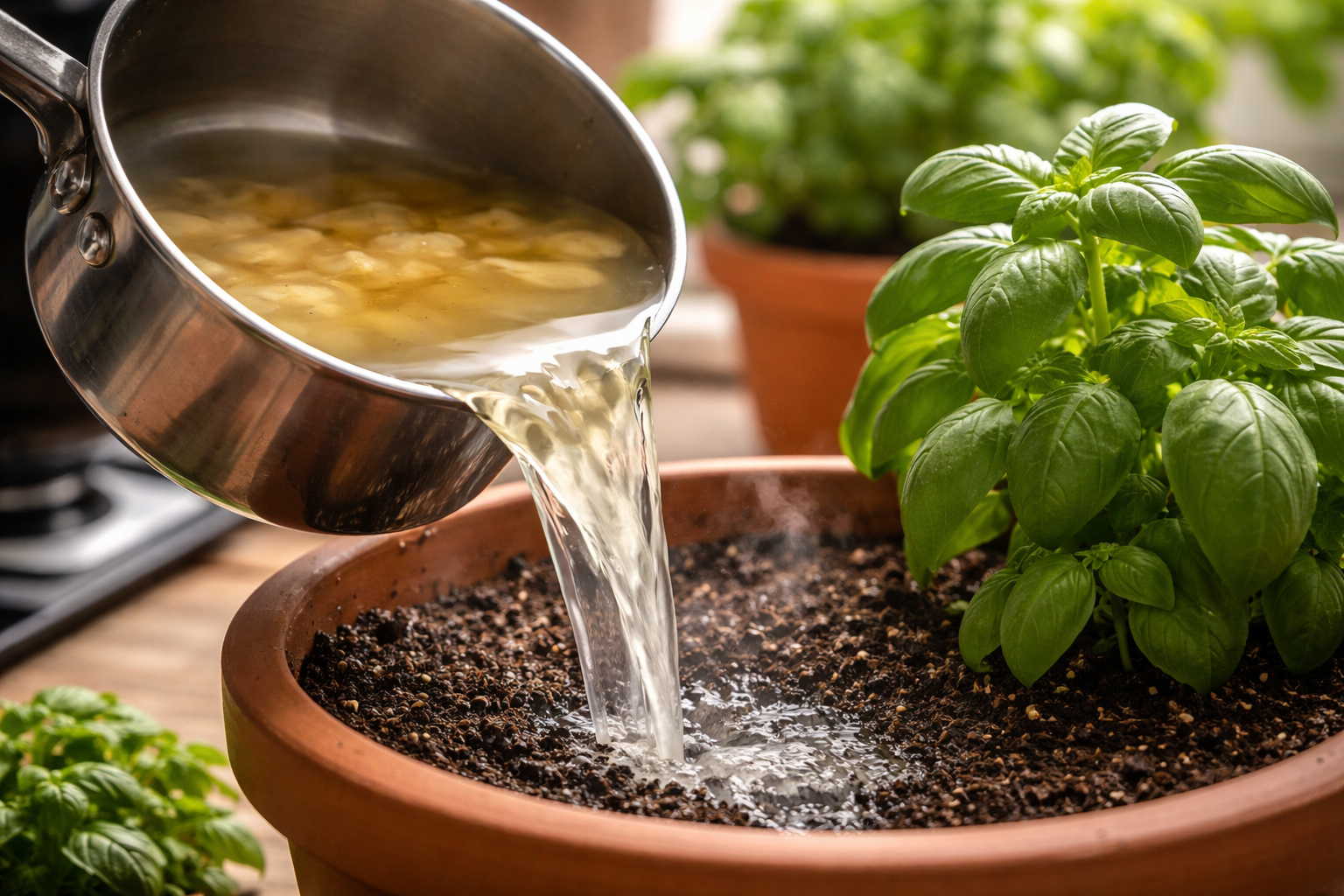
The water that almost everyone throws away after cooking potatoes carries nutrients released during the preparation and can be reused to help in the development of plants when used correctly at the base of gardens and pots, at no additional cost and without changing the routine.
-
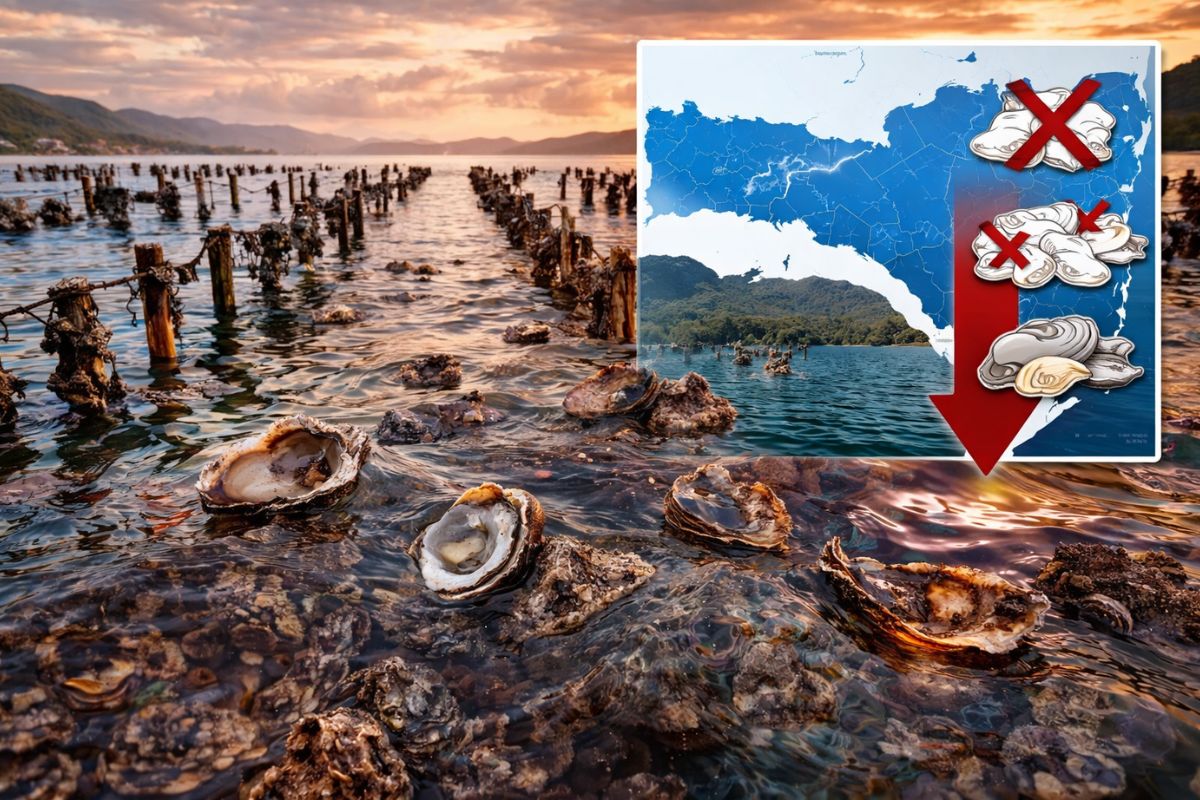
The sea water temperature rose from 28 to 34 degrees in Santa Catarina and killed up to 90% of the oysters: producers who planted over 1 million seeds lost practically everything and say that if it happens again, production is doomed to end.
-
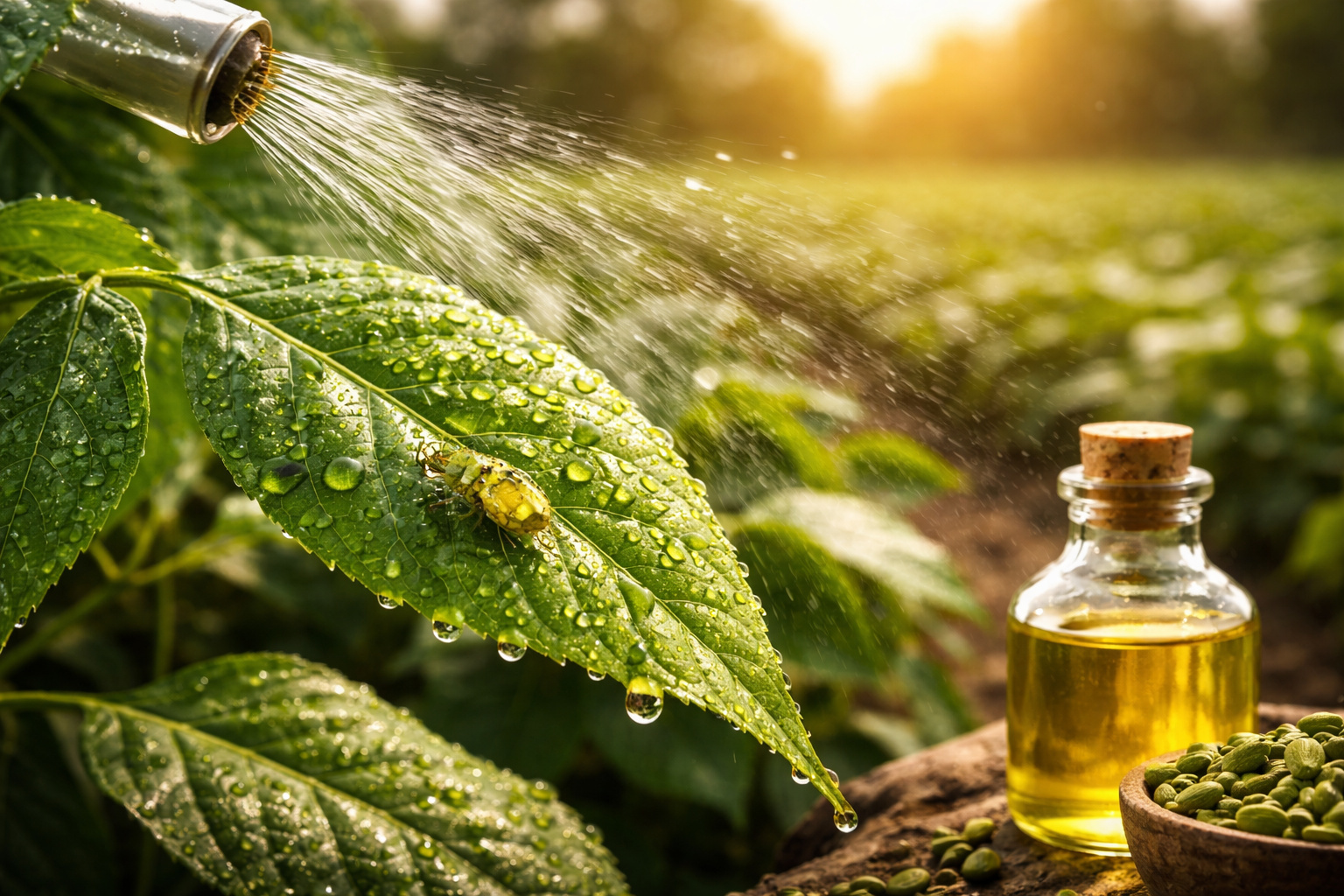
An Indian tree that grows in the Brazilian Northeast produces an oil capable of acting against more than 200 species of pests and interrupting the insect cycle, gaining ground as a natural alternative in soybean, cotton, and vegetable crops.
-
The rise in oil prices in the Middle East is already affecting Brazilian sugar: mills in the Central-South are seeing their margins shrink just as ethanol gains strength.

At the beginning, the land was raw, without structure, without ready pasture, and without that rural soap opera scene. What they had was will, faith, and the decision to start with what was at hand.
Instead of waiting for the perfect conditions, they began planting, cleaning, building little by little, and learning in practice.
Today, Ana Paula looks around and sees exactly what she dreamed: the main noise is the crowing of roosters, the song of birds, and the sound of the wind. The sustainable farm that was once just a plan became a place of rest, work, food, and purpose.
A Sustainable Farm Built with What the Land Provides
From the beginning, the idea was never to have a luxurious house, but rather a sustainable farm that produced the basics of food and brought autonomy.
Ana Paula repeats that the goal was to use what nature offers and grow everything that was possible on that piece of land.
Today, breakfast can come entirely from the farm: cassava harvested on the spot, eggs from the henhouse, fruits like papaya, pineapple, mango, and passion fruit, in addition to freshly brewed coffee made on the wood stove. She highlights how gratifying it is to harvest a fruit that she personally planted and cared for.
Every piece of land is used. Where there was once just brush, now there are rows of bananas, sprouting beans, laden coffee plants, and areas reserved for new crops. When something goes wrong, like the loss of long bananas in a year, the logic is simple: plant again and continue the cycle.
Simple Routine, Heavy Work, and Freedom in the Field

The routine of the sustainable farm is far from being romantic all the time. It consists of a lot of physical effort, tiredness, days of body aches, and some accidents, like the puncture in Adailton’s foot while taking care of the henhouse, stepping on a thorn barefoot. Even so, Ana Paula is straightforward: it is hard, but it is gratifying.
The day starts early, with feeding the chickens, taking care of the dogs, managing the goats, and checking the animals in the pasture.
She emphasizes the importance of animal welfare: dogs running free, goats and cattle with pasture, chickens roaming free. Keeping everything in a cramped space, for her, would be a torture that does not match the sustainable farm they chose to live on.
When there was no pasture in one area, the neighbor gave another piece of land for the goats, which helped keep the animals well-fed.
Instead of complaining about the limits of the property, the couple adjusted management, took the animals daily to graze, and continued to manage the livestock.
Planting, Pruning, and Care: The Farm as a Living Classroom
On the sustainable farm, nothing is just scenery. Each tree and each plant has a purpose. Adailton spends a good part of the day pruning fruit trees, such as guava, soursop, mango, and cashew trees, to make them shorter and more productive. This way, they can better manage pests and harvest without difficulty.
Ana Paula demonstrates how pruning made a difference: shorter, laden soursop trees, renewed trees producing more accessible and healthier fruits.
When a pest attacks, they treat it with appropriate products and, whenever possible, choose solutions that do not harm the fruit’s consumption later on.
Amid this routine, she continues to plant cassava, beans, bananas, and care for what is already producing. The sustainable farm acts as a permanent school, where each harvest teaches something new about time, patience, and adaptation.
Simple Kitchen, Abundant Food, and Stove Dessert
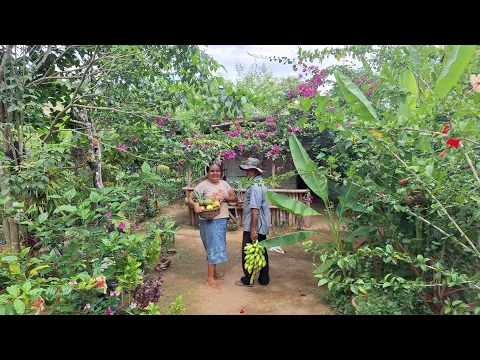

If there’s anything that reflects the results of the sustainable farm, it is Ana Paula’s kitchen. The wood stove is the center of the house, where everything comes together: beans with tripe and tongue, sautéed maxixe, fresh kale, free-range eggs, fresh peppers, fluffy rice, and freshly squeezed juice made with fruit from the yard.
Between tasks, she still prepares desserts like pressure-cooked dulce de leche with plums, wrapped in cloth, the old-fashioned way.
The simple yet abundant table is proof that in four years of work, the sustainable farm has started to sustain daily life with real food.
In addition to feeding her own family, she remembers that a lot is donated or sold in small quantities, without ostentation, merely as the natural result of land producing more than they can consume.
From Zero to Sustainable Farm: What Lessons Remain
Ana Paula emphasizes that the sustainable farm was built over four years of persistence. She acknowledges that there were options to buy “better land,” closer to the city, or with structure, but for her, the best land is the one she can care for, walk on, plant, and harvest.
They didn’t start with everything ready. They started with what they had, accepted the limits of the land, learned to live with the distance, with the lack of nearby neighbors, and with the daily manual work.
The result is a sustainable farm that offers food, peace, an active routine, and the feeling of a fulfilled purpose.
For those who want to follow a similar path, her advice is straightforward: don’t get paralyzed by difficulties. Start small, plant one thing at a time, learn from mistakes, and understand that the process is slow, but highly rewarding.
This text was developed based on content published by the channel Ana Paula Alagoana on YouTube.
And you, would you have the courage to start a sustainable farm from scratch, or do you still fear the difficulties more than you desire to change your life?








-

-

-

-

-

28 pessoas reagiram a isso.