





 Portuguese
  English
  Spanish
  3 min of reading
  0 comments


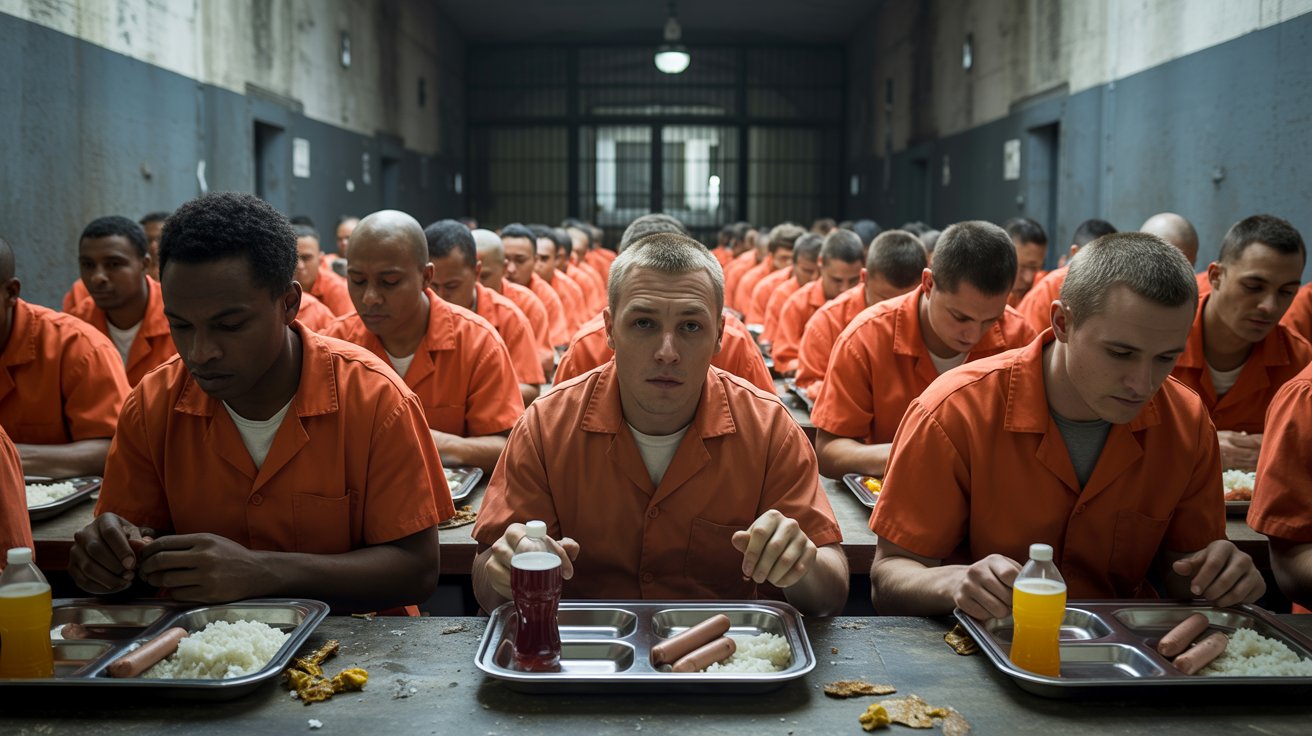
More than 1.83 million people are incarcerated in the United States in 2025, surpassing the population of countries like Estonia. The food in American prisons, however, does not keep up with the population scale of the prison system. Every day, thousands of meals are served with low nutritional value, repetitive standards, and questionable quality.
The process starts with the elaboration of menus based on minimum requirements for calories and safety. Fresh fruits, meats with bones, and even fermentable foods are banned. This avoids risks of alcohol production or the use of objects as weapons. However, the menu is heavily based on refined carbohydrates, canned vegetables, and processed products, prioritizing minimal cost, not health.
Menus Without Color, Flavor, and Nutrients
With less than US$ 1 per meal in some states, like Oklahoma, the menus rotate in four-week cycles. Breakfast with cereals, eggs, and toast; lunch with sausages and potatoes; dinner with rice and beans make up the standard. The lack of variety and freshness leads to 80% of inmates considering the food bad or unpleasant.
Additionally, hygiene in the kitchens is alarming. Recurring complaints cite roach infestations, the presence of rats, and expired food. According to Impact Justice, 75% of inmates have been served spoiled food, and the food poisoning rate is 6.4 times higher than in the general population.
-
He started running at 66 years old, broke records at 82, and is now a subject of study for having a metabolic age comparable to that of a 20-year-old, in a case that is intriguing scientists and inspiring the world.

-
Oldest tree on the planet reappears after 130 years of searches: Wattieza, 385 million years old, was 10 meters tall and had no leaves or seeds; Gilboa fossils in New York solved the mystery in 2007.

-
A 48-square-meter house assembled in hours with 4,000 bricks made of recycled plastic that does not absorb moisture, has natural thermal insulation, and costs less than 90,000 reais in a complete kit.

-
Luciano Hang revealed that Havan’s air fleet has already accumulated more than 20,000 landings, 10,000 flight hours, and 6 million kilometers traveled, and he says that without the planes, the company would never have grown so quickly.



Companies Profit From Hunger Inside Prisons
Preparation is done by outsourced companies and inmates who earn pennies per hour. Still, these jobs are sought after as they guarantee access to extra food. Simultaneously, the commissaries charge exorbitant prices: two honey breads cost over R$ 56.
Three out of five inmates cannot afford to buy food, relying on external aid. The result is a scenario of widespread hunger: 94% report not eating enough to feel satisfied, exacerbating conditions like diabetes, anemia, and high blood pressure.
Poor Nutrition Worsens Mental Health and Fuels Recidivism
Poor nutrition also impacts behavior. Studies link the lack of nutrients to increased aggression, mental confusion, and depression. This complicates resocialization and raises healthcare costs inside and outside of prison. After all, 95% of inmates will be released at some point.
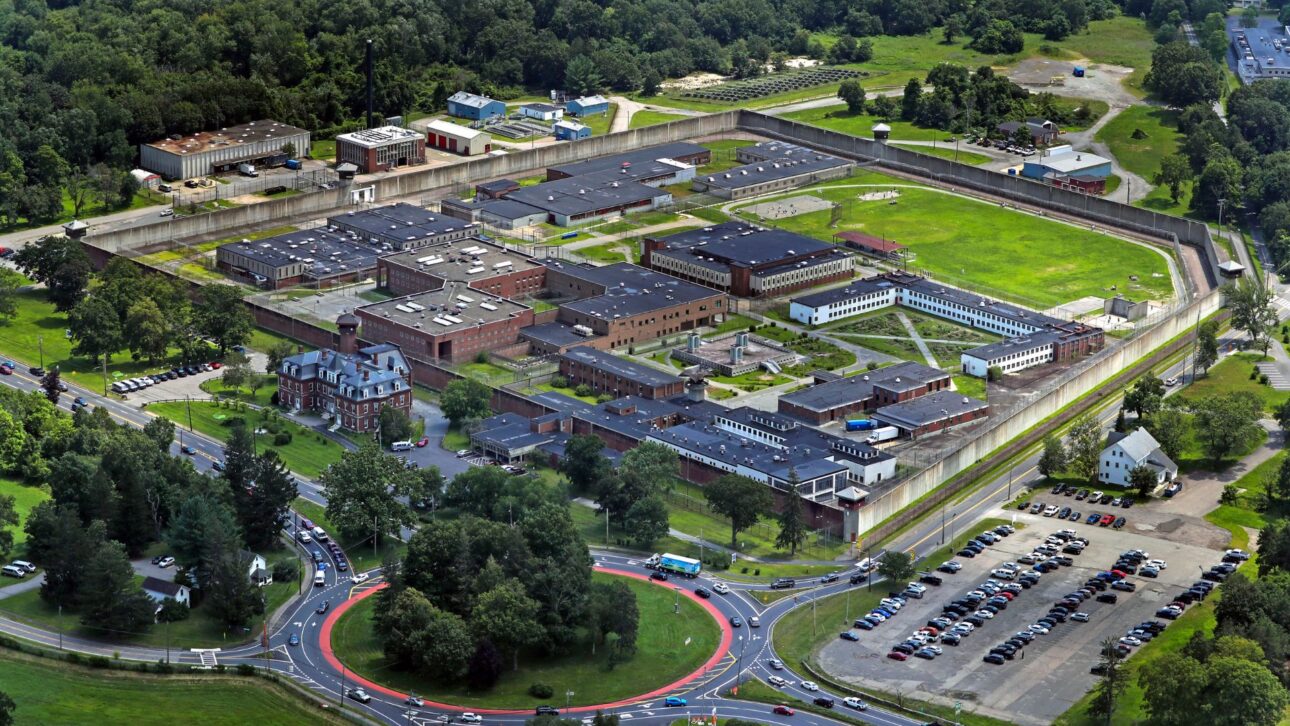
On the other hand, initiatives like that of Mountain Ville Prison in Maine show that changes are possible. With its own garden and bakery, inmates produce fresh food and save over R$ 500,000 per year, while also receiving job training.
The information was disclosed by various investigative journalism channels, including a video from the “Chu Fazenda” channel, based on data from organizations like Impact Justice and testimonies from former inmates.
Do you believe that initiatives like that of Mountain Ville Prison, with a garden and bakery managed by inmates, can show that providing decent meals is a real step towards rehabilitation and reducing recidivism?








-

-

2 pessoas reagiram a isso.