





 Portuguese
  English
  Spanish
  4 min of reading
  0 comments


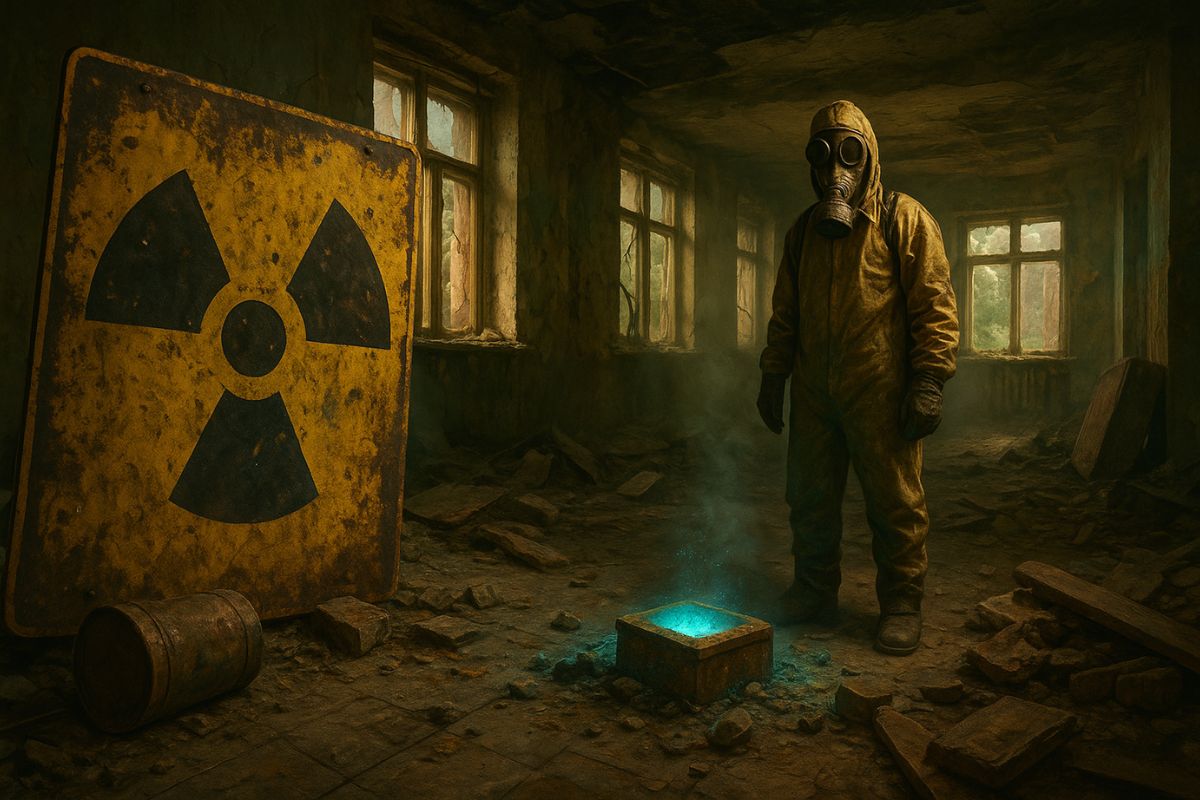
In 1987, an Abandoned Radiotherapy Capsule Initiated the Biggest Radiological Accident in the World Outside a Nuclear Plant. This Is the Saga of a Mortal Blue Glow, Innocent Victims, and the Unprecedented Decontamination Operation on Brazilian Soil.
On September 13, 1987, in Goiânia, paper collectors Roberto dos Santos Alves and Wagner Mota Pereira entered the ruins of an old hospital, the Goiano Institute of Radiotherapy. Amid the rubble, they found a heavy metal object that appeared valuable. They took the piece, weighing about 100 kg, to Roberto’s house, where they began to dismantle it. Inside, a fascinating discovery: a capsule that contained a white powder that emitted an intense and hypnotizing blue light in the dark.
Little did they know that that glow was not magical, but rather the visible manifestation of an invisible and deadly danger. It was cesium chloride, or Cesium-137, a highly radioactive substance. What followed was a tragedy in chain, driven by curiosity and a complete lack of information. This is the story of how a failure in industrial disposal and fascination with a mysterious glow led to the Cesium-137 Accident in Goiânia, and the monumental operation of science and engineering to contain an enemy that could not be seen.
The Source: The Negligence That Left a ‘Bomb’ Behind
It all began years earlier, when the Goiano Institute of Radiotherapy moved and left behind a teletherapy device containing the Cesium-137 capsule in an abandoned building. Legal disputes prevented the proper removal of the equipment, and warnings about the danger of the material were ignored. The capsule, a high-intensity radioactive source, was forgotten, vulnerable to anyone who found it.
-
Heineken’s factory in Brazil produces 300 million beer cans in just 4 months, reaches 1 million hectoliters, received R$ 2.5 billion, and is already projecting an annual capacity of 5 million with sustainable technology.
-
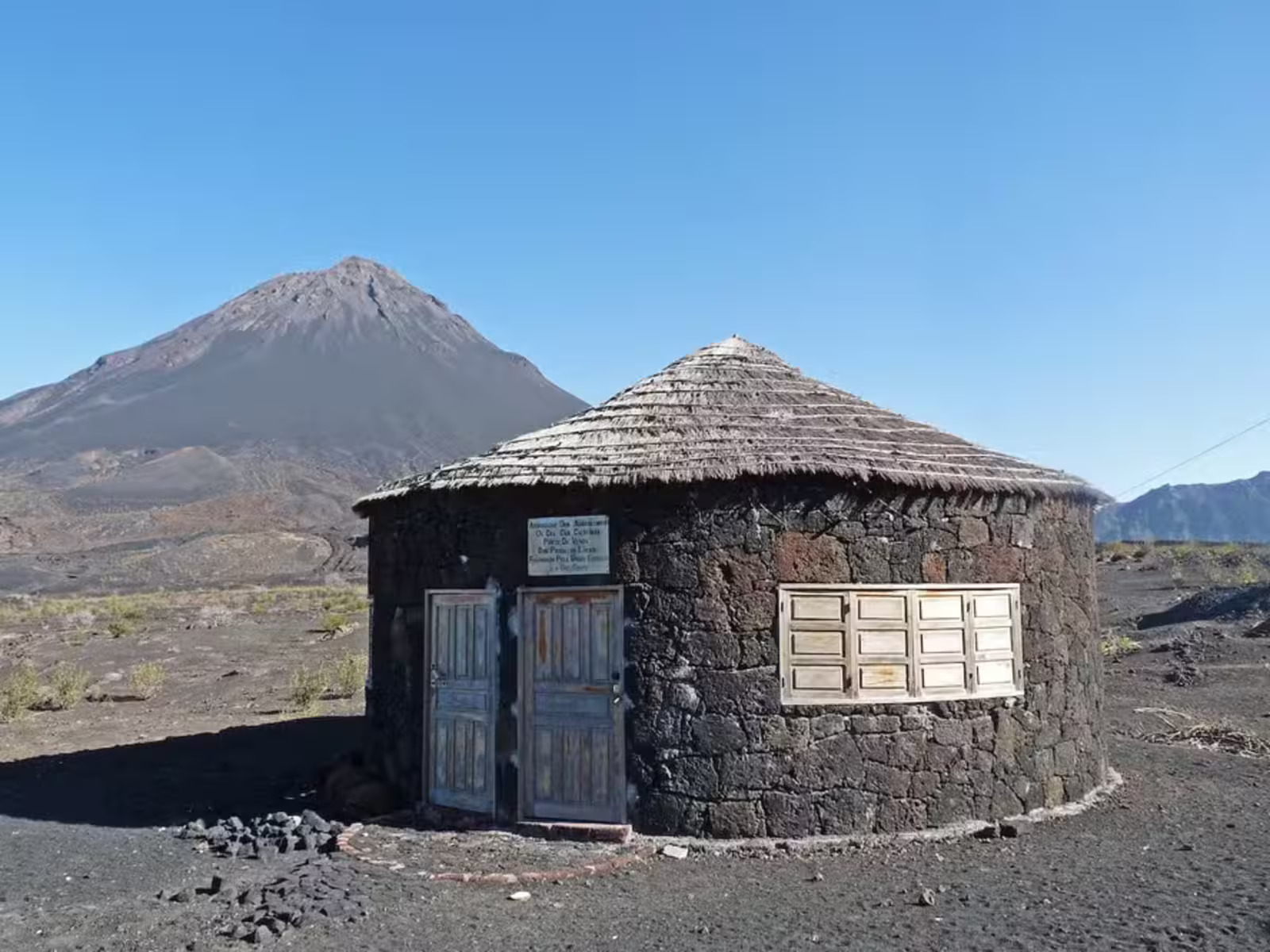
Inside an active volcano in Africa, residents use volcanic rocks to build houses in an impressive setting.
-
After 14 years of waiting, a rammed earth mansion built in 1702 in the North Zone of São Paulo will become a park with leisure facilities and green areas, with a million-dollar investment.
-
With 2 unfinished nuclear reactors, up to 25 billion in costs, and proven fraud, the Nukegate case has left 800,000 consumers still paying today for energy that will never be produced.

The Fascination with the Blue Glow: How Contamination Began
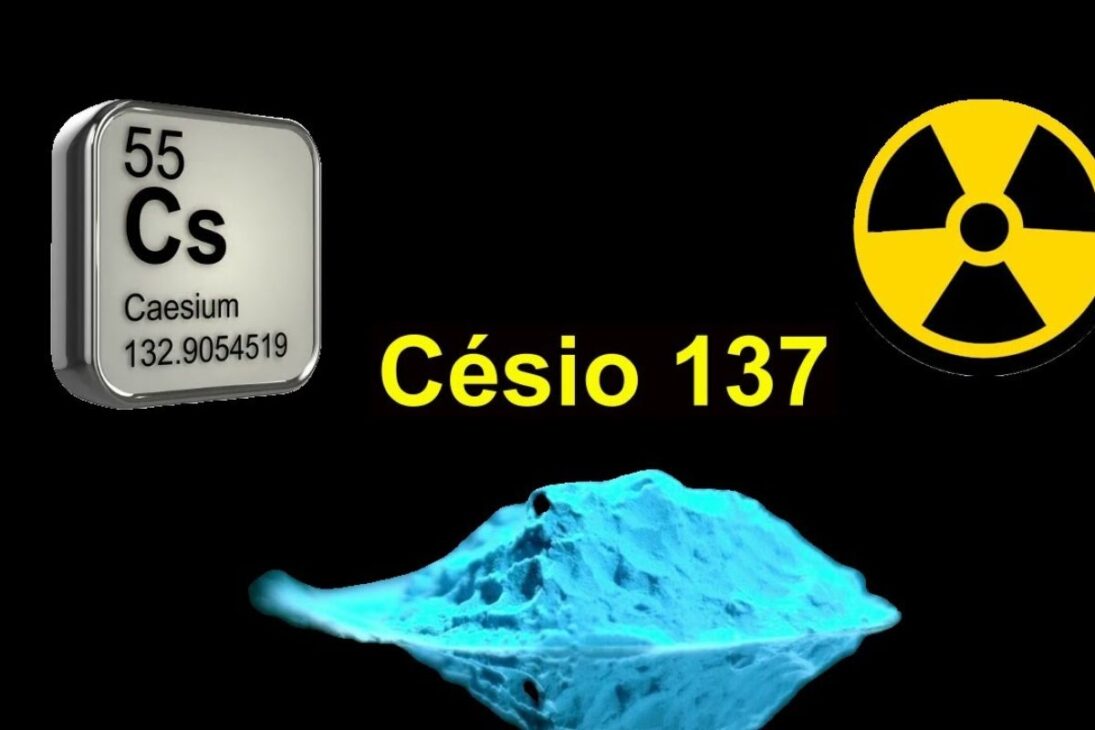
After extracting the capsule from the main piece, Roberto and Wagner managed to puncture it. Inside, they found 19 grams of a powder similar to table salt. That night, they and their families were thrilled by the blue luminescence emitted by the material. Scientifically, the glow did not come from the cesium itself, but from the air around it being ionized by the intense radiation, a phenomenon called luminescence.
Enchanted, they distributed fragments of the powder to friends and relatives. The beauty of the glow was irresistible. Little did they know that, along with the fragments, they were spreading radioactive contamination and a sentence of illness. Within hours of contact, the first symptoms of Acute Radiation Syndrome began to appear: nausea, vomiting, and diarrhea.
The Chain of Contagion: From Person to Person, from House to House
The contamination spread in a shockingly rapid manner. Devair Alves Ferreira, the owner of a junkyard who bought the piece, brought the capsule into his home. His six-year-old niece, Leide das Neves, played with the glowing powder, even ingesting a small amount and becoming one of the most intense sources of contamination.
The powder spread through houses, backyards, workshops, and even a bus. People carried the radioactive dust on their clothes and shoes, contaminating everything they touched and creating multiple radiation hotspots throughout the city.
The Alarm: Physics, Medicine, and the Discovery of Horror
On September 29, 16 days after the onset, the tragedy began to unravel. Maria Gabriela, Devair’s wife, started linking her family’s illness to the “magical powder.” She took the remaining piece of the capsule, placed it in a plastic bag, and took it by bus to the Health Surveillance headquarters. There, physicist Walter Mendes Ferreira, using a radiation detector, confirmed the terror: the object was a source of extremely high radiation. The alarm was raised.
Operation Success: The Monumental and Painful Cleanup of Goiânia
The National Commission for Nuclear Energy (CNEN) was activated, initiating one of the largest decontamination operations in history. Physicists, engineers, and technicians from all over Brazil were mobilized.
Mapping: Using radiation detectors, teams monitored individuals, houses, and public areas to identify contamination hotspots. More than 112,000 people were monitored, and 249 showed significant contamination.
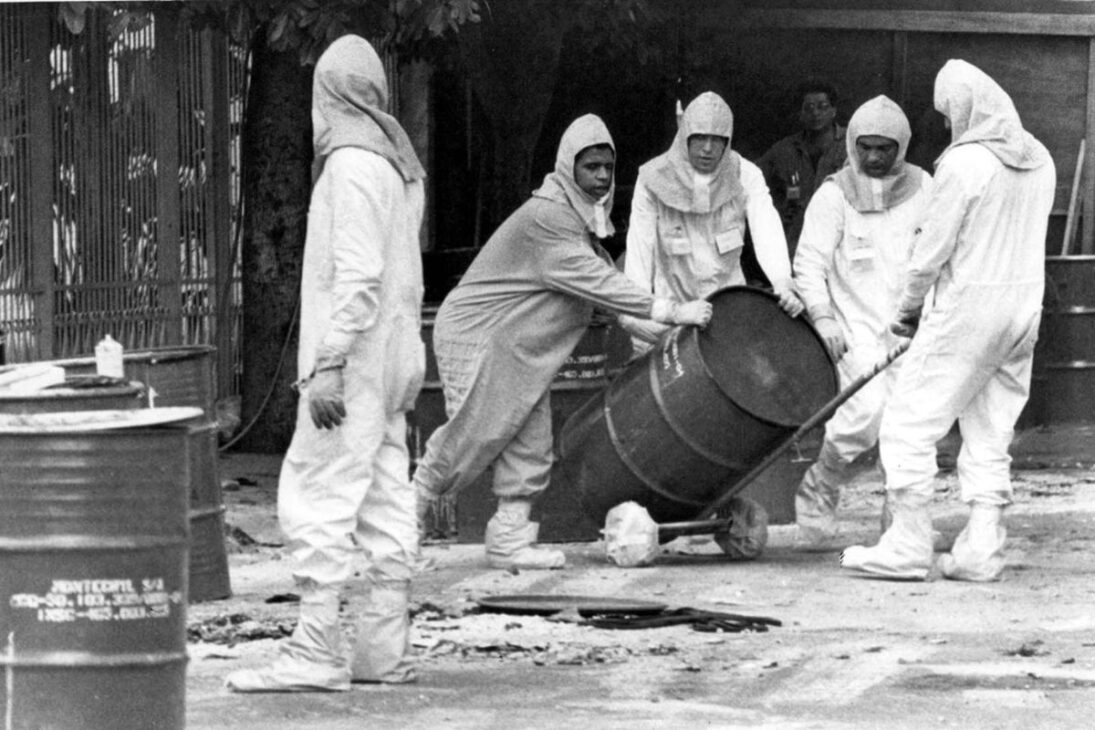
Isolation and Demolition: Entire blocks were isolated. Seven houses, including Devair’s, had to be demolished. Heavy machinery removed the structures, which were treated as radioactive waste.
Decontamination: Vehicles, objects, and tons of soil were removed. Surfaces were treated with a solution of acid and a pigment called “Prussian Blue,” which helps remove cesium from the body.
Final Repository: In total, 6,000 tons of radioactive waste (clothes, furniture, soil, debris) were generated. This material was packed into containers and taken to a permanent repository, built in Abadia de Goiás, where it is to remain isolated and monitored for at least 180 years.
The biggest radiological accident in Brazil left a legacy of four deaths in the first months, including that of little Leide das Neves, and hundreds of people with lifelong sequelae. The story of the blue powder that glowed in the dark became a tragic lesson about the responsibility in handling technology and the price of negligence.
What lesson does the Cesium-137 accident in Goiânia teach us about the responsibility in disposing of technological and industrial materials? Share your thoughts.




Seja o primeiro a reagir!