





 Portuguese
  English
  Spanish
  4 min of reading
  0 comments


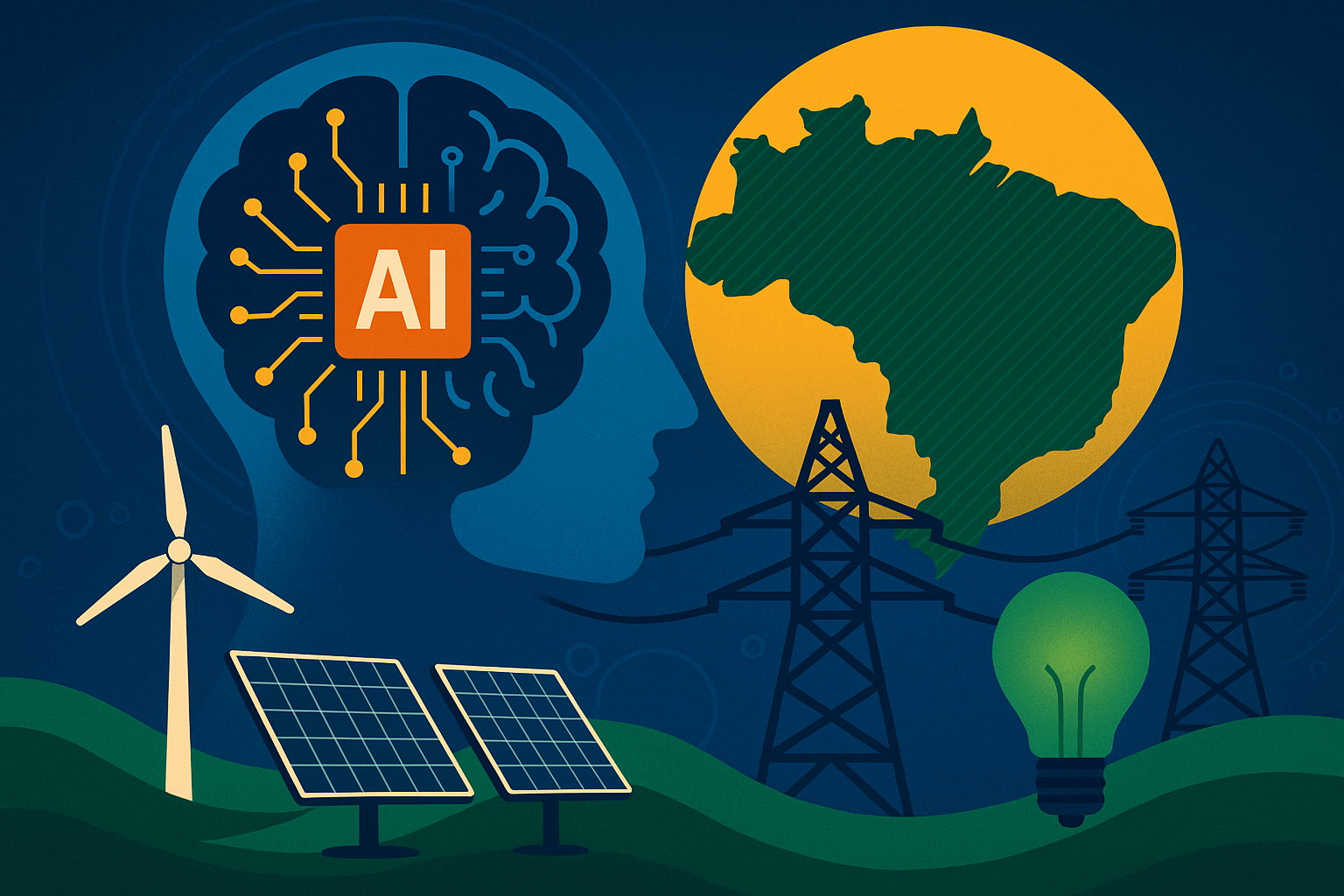
Artificial Intelligence Transforms the Energy Sector in Brazil with Smart Grids, Demand Forecasting, and Efficient Integration of Renewable Sources
Artificial intelligence (AI) is changing the way Brazil produces, distributes, and consumes energy. With algorithms capable of analyzing large volumes of data, companies can forecast electric demand, distribute energy more efficiently, and avoid waste. This technology is present throughout the energy chain, from generation to final consumption.
Despite advancements, AI adoption remains low in many companies in the sector. However, there is a growing consensus about its importance. According to Minsait’s Ascendant report, organizations are looking to integrate AI into their processes to increase operational efficiency and reliability.
Demand Forecasting and Real-Time Control
One of the most advanced applications of AI is electric demand forecasting. Using historical data, consumption trends, and weather information, systems can anticipate variations in electricity usage. This allows for adjustments in energy production and distribution in real time.
-
China bets on the Fishery-PV model and transforms fish farms into giant solar plants, covering ponds with panels that generate energy while utilizing the same space for large-scale aquaculture production.

-
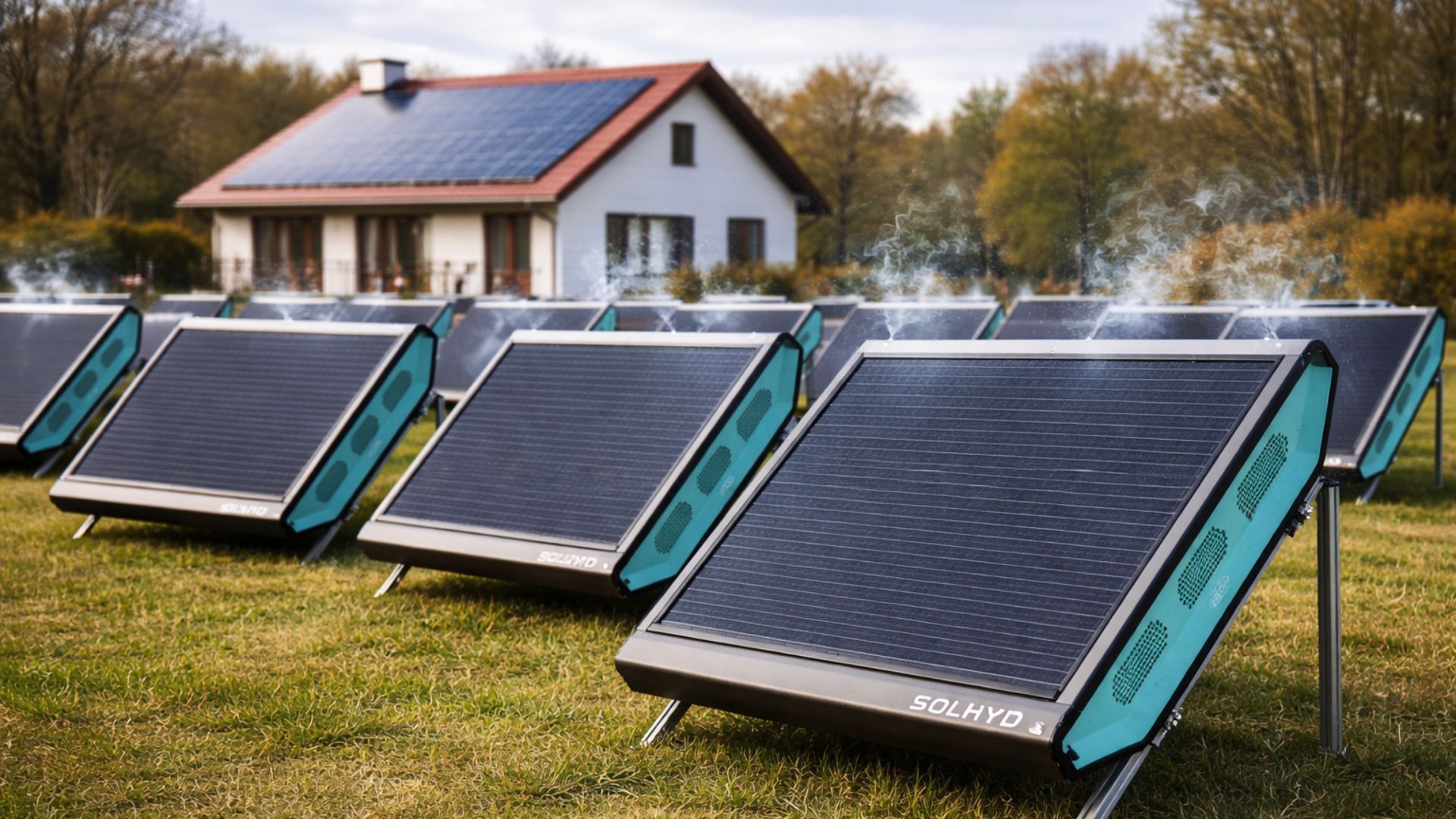
Green hydrogen at home: Belgium launches new technology that makes solar panels produce fuel from the moisture in the air, which could boost the energy transition.
-
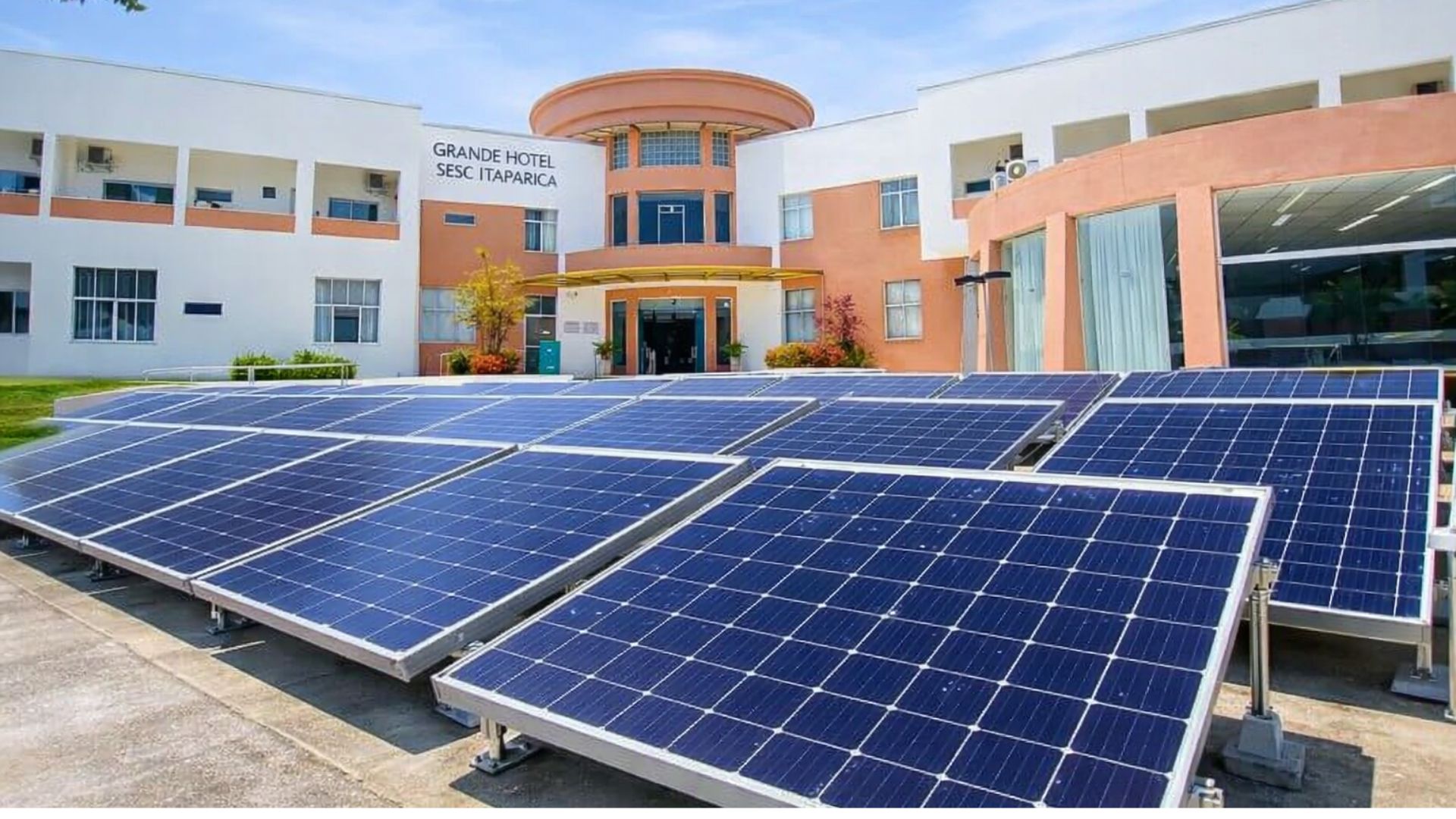
Sesc-BA bets on renewable energy with the support of EDP and drives the energy transition with a direct impact on cost reduction and the sustainability of its operations in Bahia.
-
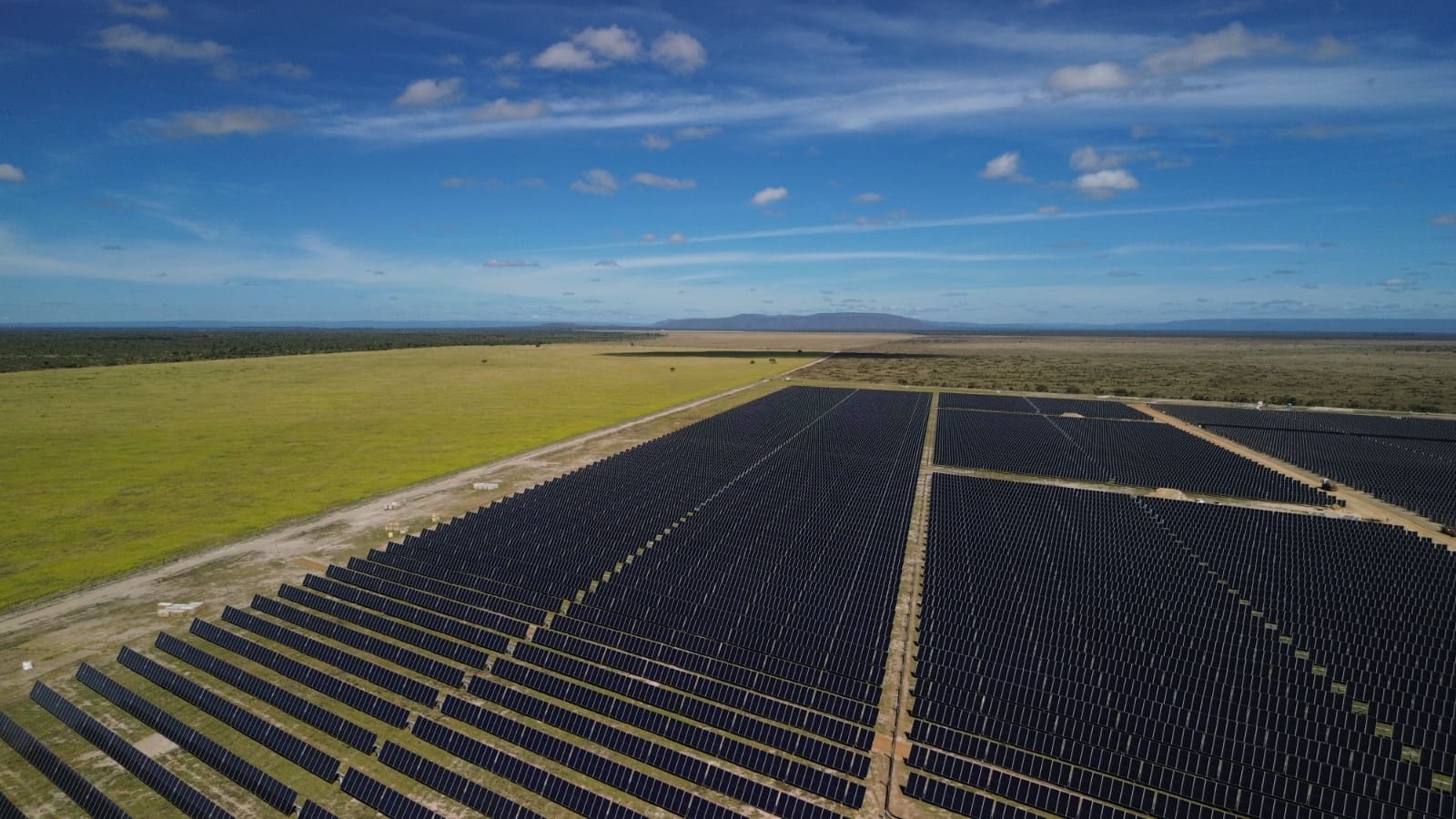
Technology giant breaks global sustainability records: How Amazon’s leadership in renewable energy procurement transformed the global energy market in the past year.


With this capability, utilities can prevent overloads, blackouts, and waste. AI also helps manage the complexity of modern electrical grids, which are more decentralized.
It analyzes data minute by minute, combining weather information with user consumption, and dispatches power plants or redirects energy as needed.
Support for Renewable Generation and Storage
AI is essential for integrating renewable energies into the electrical system. Sources like solar and wind are intermittent and hard to predict. However, with the analysis of weather data and historical generation data, algorithms can improve the accuracy of forecasts and facilitate the planning of backup plants.
The growth of electric demand in Brazil, estimated at 3.7% annually, reinforces this challenge. AI also optimizes battery usage, choosing the best times to charge and discharge based on prices and consumption patterns.
In smart grids, it is possible to coordinate hundreds of distributed batteries, forming a kind of virtual power plant.
Smart Grids and Predictive Maintenance
Smart grids modernize power networks with sensors and automation systems. AI acts as the brain of these grids, interpreting the data sent by connected devices and making real-time decisions. IoT sensors measure voltage, current, temperature, and vibration, and send this information to the cloud.
AI analyzes this data and identifies potential failures, assisting in predictive maintenance. It also combats energy theft, which accounts for about 20% of national electricity production. With irregular consumption patterns, it is possible to target inspections.
Additionally, in the event of a failure, smart grids isolate the problem and automatically redirect energy supply, ensuring greater reliability.
Benefits for the Consumer
For the consumer, the gains are clear. Smarter systems offer more stable energy, with fewer outages and quicker responses. Rates are likely to be fairer, as the system becomes more efficient. Furthermore, there are already AI-based tools accessible to the public.
Smart thermostats and apps help monitor consumption in real time. It is possible to identify which devices consume the most and how to reduce spending. This gives consumers more control and encourages conscious energy use.
Sustainability and Efficiency
AI also has positive impacts on the environment. By improving the integration of renewables, reducing losses, and optimizing equipment use, it contributes to a cleaner system. Although AI consumes energy, there is a growing effort to use sustainable sources in this process.
This balance is essential for maintaining sustainability gains. The rational use of AI, focusing on efficiency, can help Brazil meet environmental targets and reduce its dependence on fossil sources.
Challenges and the Path Forward
Despite the benefits, there are still obstacles. Data quality, compatibility with legacy systems, workforce training, and digital security are real challenges. However, the opportunities outweigh the problems.
With more accessible sensors, cloud use, and advancements in generative AI, it will be possible to extend this transformation to more companies and consumers. The energy sector is on the brink of a technological revolution, and artificial intelligence is a central piece of this process.
In Brazil, AI is already shaping a more efficient, secure, and sustainable energy sector. From accurate forecasts to real-time operations, through the integration of renewables and smart grids, technology is occupying a strategic space.
For this progress to continue, investments in infrastructure, training, and innovation will be necessary. The energy of the future depends on decisions made now.
With information from Canal Solar.







Seja o primeiro a reagir!