





 Portuguese
  English
  Spanish
  4 min of reading
  0 comments


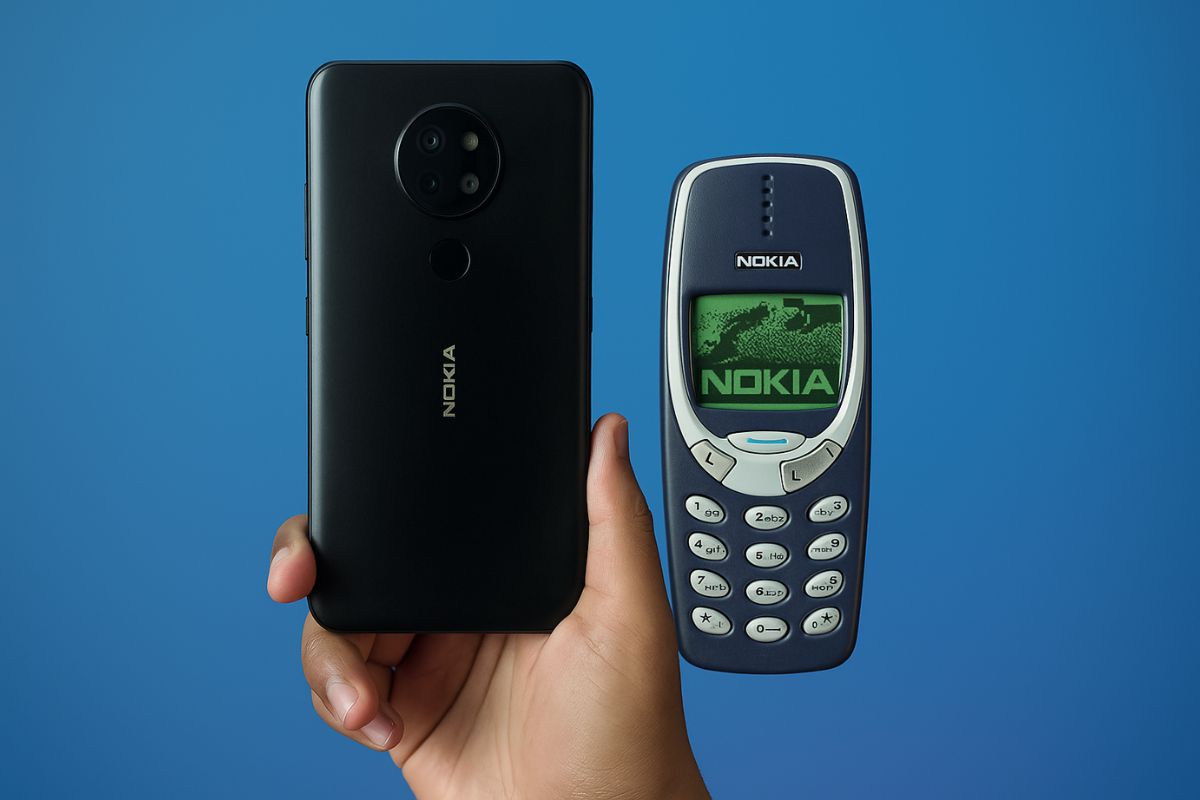
The Renaissance Of The Brand That Once Was King Of Cell Phones, Nokia, Under The License Of HMD Global, Its Bet On Android, The Nostalgic Appeal Of The Classics And The Challenges In The Competitive Smartphone Market.
The brand Nokia evokes a palpable nostalgia, symbolized by the affectionate nickname “Nokia Brick,” which refers to the robustness of its classic devices. The brand that once was king of cell phones experienced a meteoric rise and a steep fall, but has resurfaced in the competitive smartphone market through a new guardian: HMD Global.
We will investigate HMD Global’s strategies, the challenges faced in the current market and the prospects for a brand that seeks to redefine its place in the digital age, balancing an iconic legacy with new demands.
The Golden Age And The Fall Of The Brand That Once Was King Of Cell Phones
In the early 21st century, Nokia dominated the mobile phone world. The Finnish company held 40% of the global market in 2007, with devices known for their legendary durability and functional design. Models like the Nokia 1100 and 1110 became the best-selling mobile phones in history, with over 250 million and 247.5 million units sold, respectively.
-
Inside an active volcano in Africa, residents use volcanic rocks to build houses in an impressive setting.
-
After 14 years of waiting, a rammed earth mansion built in 1702 in the North Zone of São Paulo will become a park with leisure facilities and green areas, with a million-dollar investment.

-
With 2 unfinished nuclear reactors, up to 25 billion in costs, and proven fraud, the Nukegate case has left 800,000 consumers still paying today for energy that will never be produced.

-
The household appliance that consumes the most energy in Brazilian homes is not the air conditioner; it is located in the smallest room of the house, is used daily, and can account for up to 25% of the electricity bill, while an alternative in the same outlet can reduce this cost by up to 75%.

However, the arrival of the iPhone in 2007 and the rise of Android changed the game. Nokia was slow to adapt to the smartphone revolution, which shifted the focus from hardware to software and app ecosystems. The bet on a partnership with Microsoft to use the Windows Phone operating system in 2011 proved to be a strategic error.
The lack of a robust app ecosystem limited the appeal of Lumia devices, leading to the sale of the mobile division to Microsoft in 2014 and the gradual disappearance of the Nokia brand from the smartphone market.
The Strategy Of HMD Global And The Bet On Android
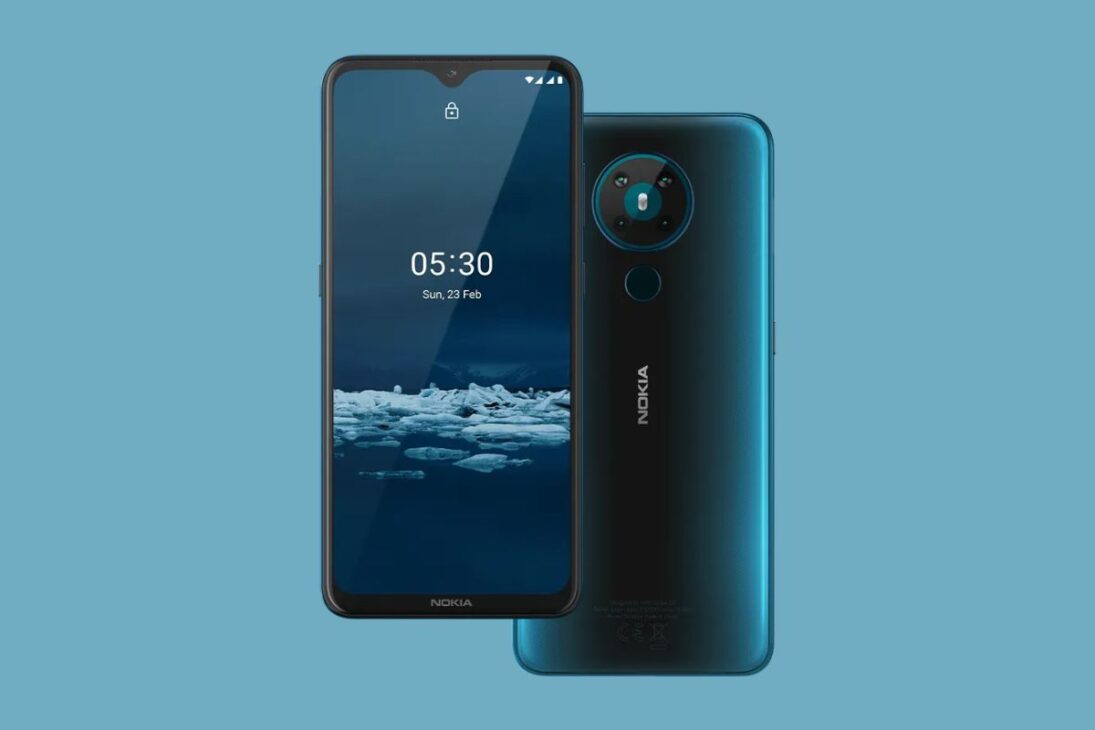
In 2016, HMD Global, a Finnish company founded by former Nokia executives, emerged with the mission of reviving the brand. The company established a clever tripartite licensing agreement. Nokia Technologies granted the use of the brand and patents. HMD Global was responsible for design, marketing, and sales. And FIH Mobile (Foxconn) took over manufacturing and the supply chain.
The most crucial decision for HMD was to adopt the Android operating system. This corrected the strategic error of the past and ensured immediate access to the largest app ecosystem in the world. The promise was to offer a “pure” Android experience, with no heavy modifications and regular security updates, aiming to differentiate the new Nokias in the saturated market.
The Nostalgic Appeal: The Success Of The “Feature Phones” And The “Digital Detox”
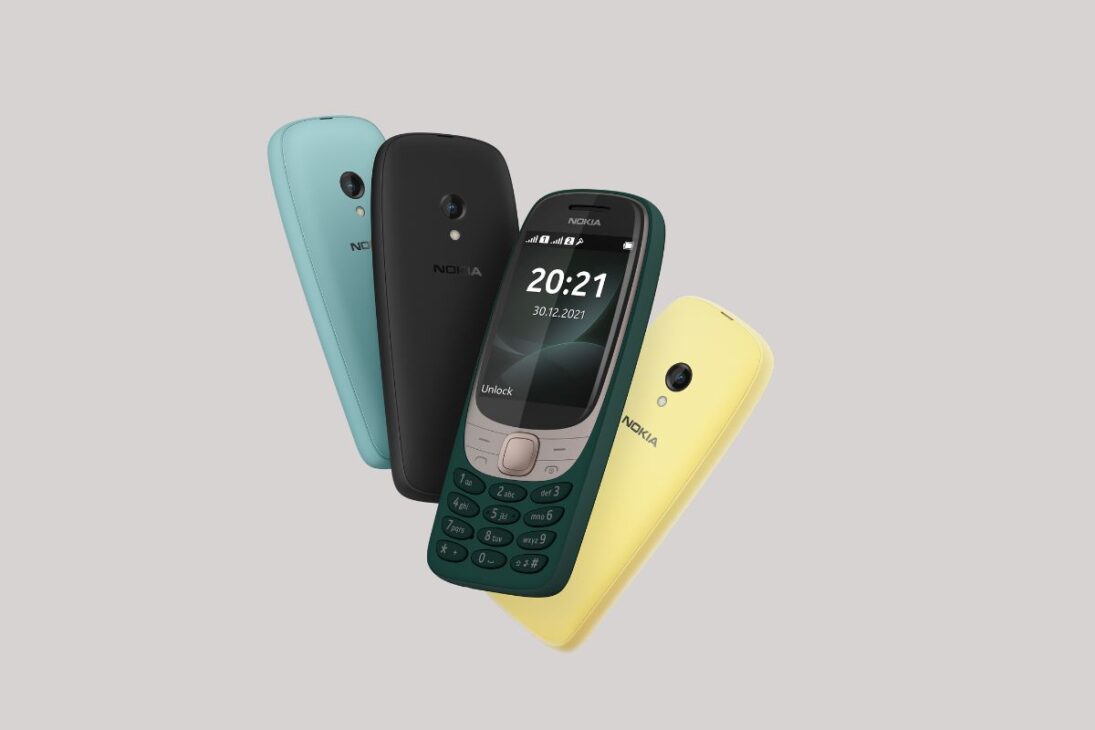
Alongside smartphones, HMD Global adopted a shrewd strategy with basic phones (feature phones). The brand that once was king of cell phones relaunched iconic models like the Nokia 3310 and 3210, capitalizing on strong consumer nostalgia.
These devices, with modernized design and long-lasting batteries, were a marketing success. They also catered to a growing interest in “digital detox”, attracting consumers seeking a break from the complexity of smartphones. Each relaunch generates significant media coverage, keeping the Nokia brand in the spotlight and reinforcing its historical attributes of durability and simplicity.
The Challenge Of Competing In The Current Smartphone Market
Experts and market analysts point out that, despite the successful return of the brand, HMD/Nokia faces enormous challenges in the smartphone segment. The critical reception of the new devices has been mixed.
Although praised for their build quality and clean software, reviews in the Brazilian market, for example, often point out that the performance of Nokia smartphones falls short compared to direct competitors in the same price range, such as models from Samsung and Motorola.
The competition is fierce, dominated by giants with vast R&D and marketing resources. Market data from 2025 shows that Nokia/HMD’s market share in Brazil is negligible, with the market being led by Samsung, Motorola, Xiaomi, and Apple.
For experts, HMD needs a very clear value proposition to stand out since nostalgia alone cannot sustain smartphone sales if they are not perceived as competitive.
The Future Of HMD: The End Of The Nokia Era And The Bet On A New Identity
HMD Global is undergoing a transformation process to build its own identity, especially since the licensing agreement for the Nokia brand expires in March 2026. The company is already launching devices under the HMD brand, seeking to attract a younger audience that does not have the same nostalgic connection to Nokia.
The future of HMD is based on three strategic pillars:
Sustainability: use of recycled materials and eco-friendly packaging.
Easy Repair (FIY – Fix It Yourself): investing in devices that are easier for users to repair themselves, combating the culture of disposal.
Digital Well-Being: incorporating features to promote a healthier relationship with technology, such as “digital detox” modes.
With this approach, HMD seeks to differentiate itself in a commoditized market, proposing a more conscious consumption philosophy and building its own story, beyond the legacy of the brand that once was king of cell phones.






-

Uma pessoa reagiu a isso.