





 Portuguese
  English
  Spanish
 5 min of reading
  0 comments


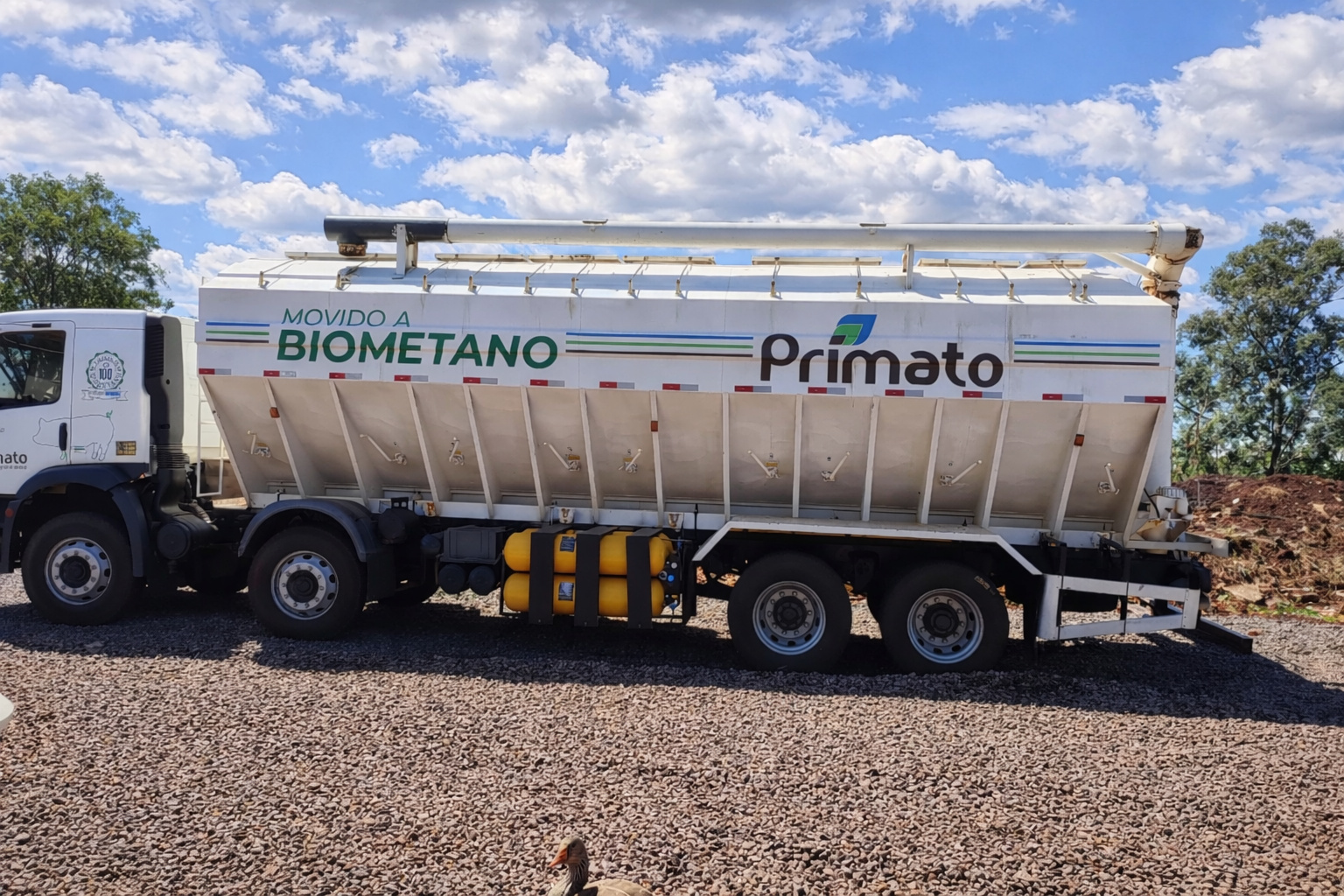
Understand How The Biogas Route Boosts The Economy Of Paraná By Integrating Agribusiness, Renewable Energy And Sustainable Transport, Generating Regional Development And Cost Reduction.
Over the past few decades, the discussion about energy in Brazil has been primarily linked to large infrastructure projects, such as hydropower plants, and more recently, to renewable sources, such as solar and wind energy.
However, in recent years, a new protagonist has gained space in the energy and economic debate, especially in the southern part of the country. In this context, in Paraná, the biogas route is increasingly solidifying as a strategy capable of uniting regional development, environmental sustainability, and economic competitiveness in a lasting way.
Historically, Paraná has built a solid and diversified agricultural base. With the advancement of mechanized agriculture and intensive livestock farming, the state has naturally started to deal with large volumes of organic waste generated by animal protein production.
-
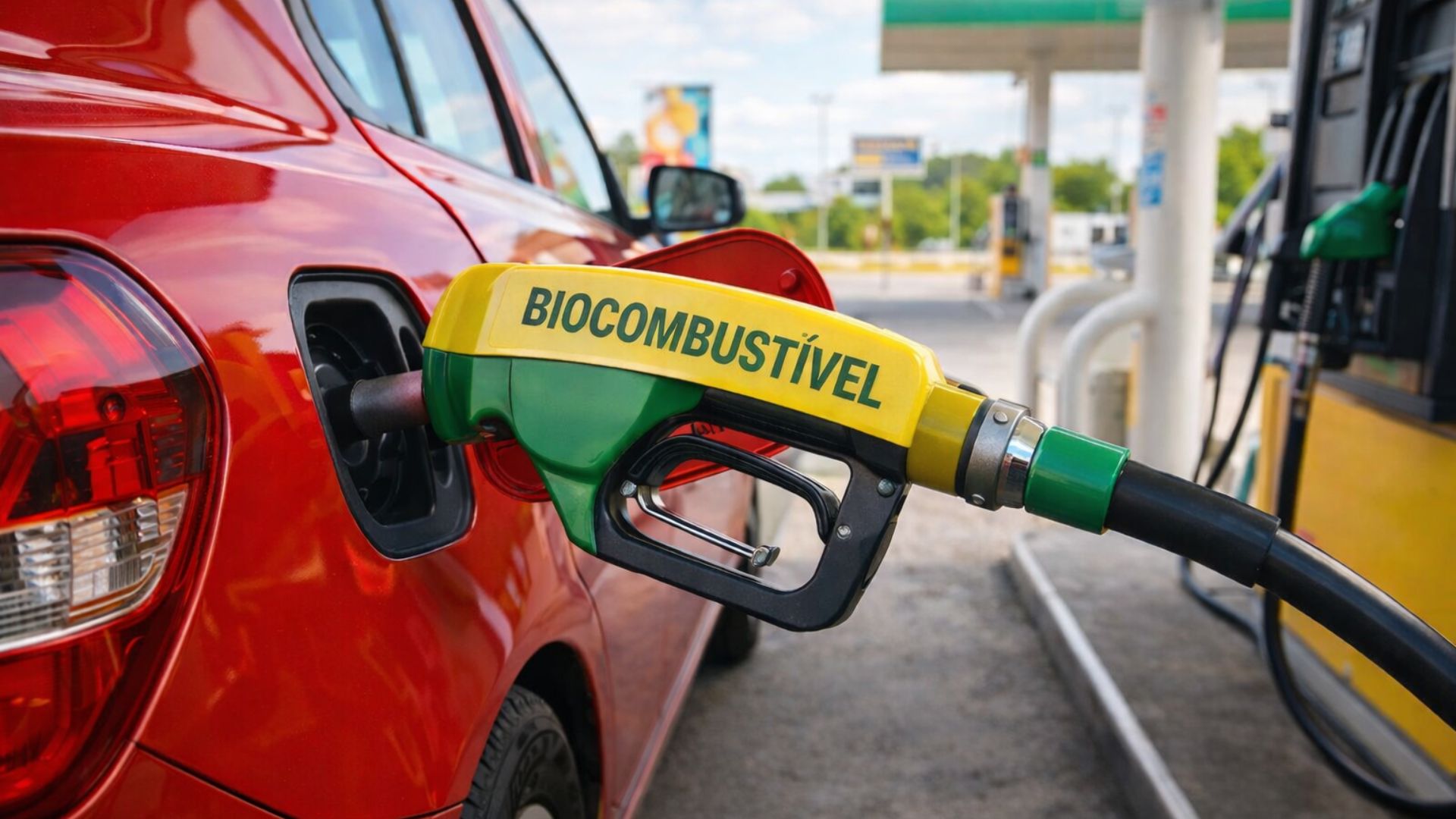
CNPE strengthens policy and prevents imported biodiesel from being mixed with diesel, aiming to strengthen the Brazilian industry and protect jobs by reducing external dependence amid tensions in the global market.
-
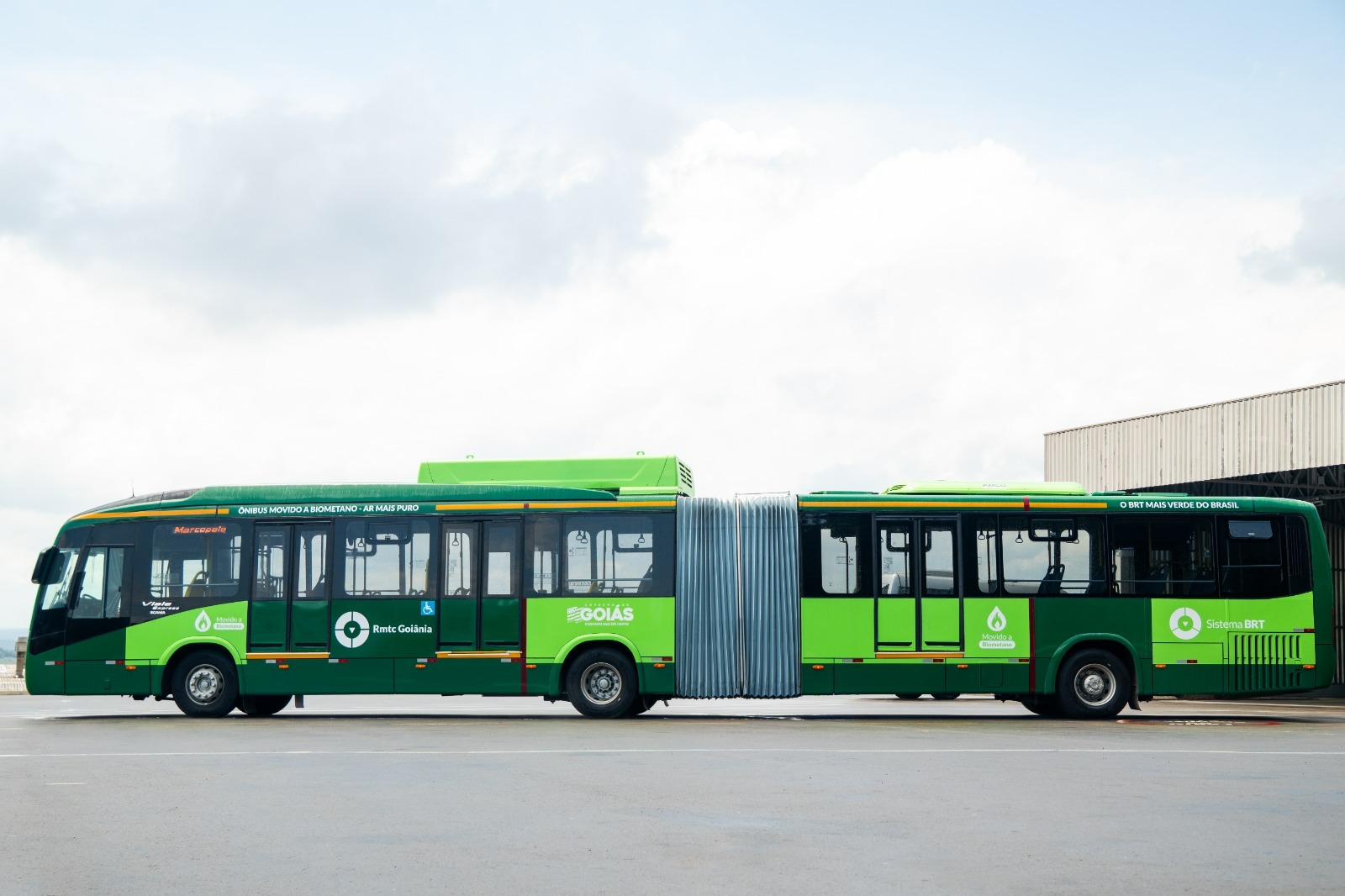
Revolution in public transport: Goiânia puts into circulation the first articulated buses powered by biomethane in Brazil and promises to drastically reduce pollution on the Anhanguera Corridor.
-
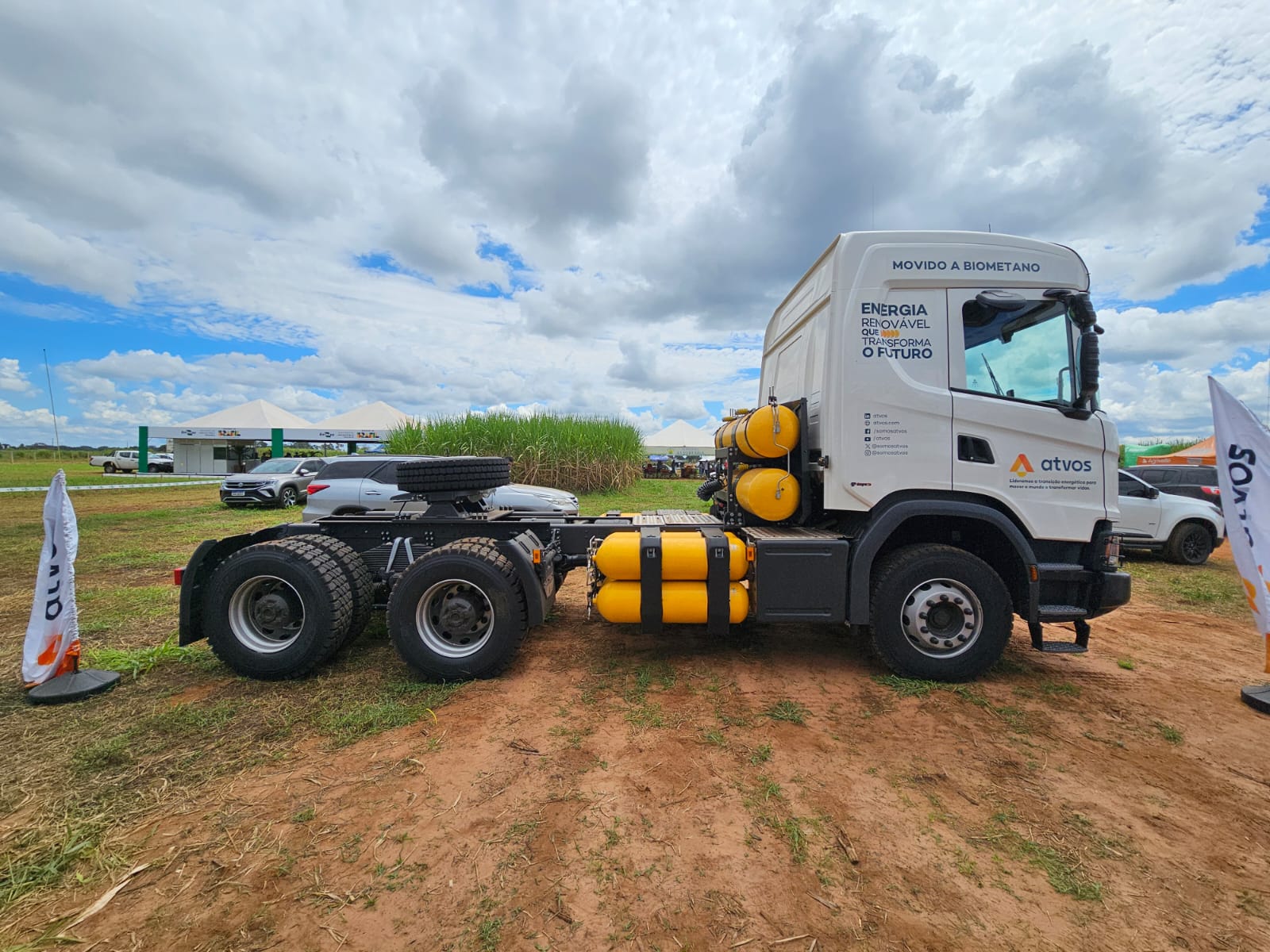
From the field to the pipelines: Mato Grosso do Sul accelerates the energy transition and consolidates a new axis in renewable energy with the arrival of a giant biogas plant.
-
The Economist states that Brazil has a “secret weapon” against expensive oil and highlights how the country can reduce economic impacts even in international scenarios of high volatility.
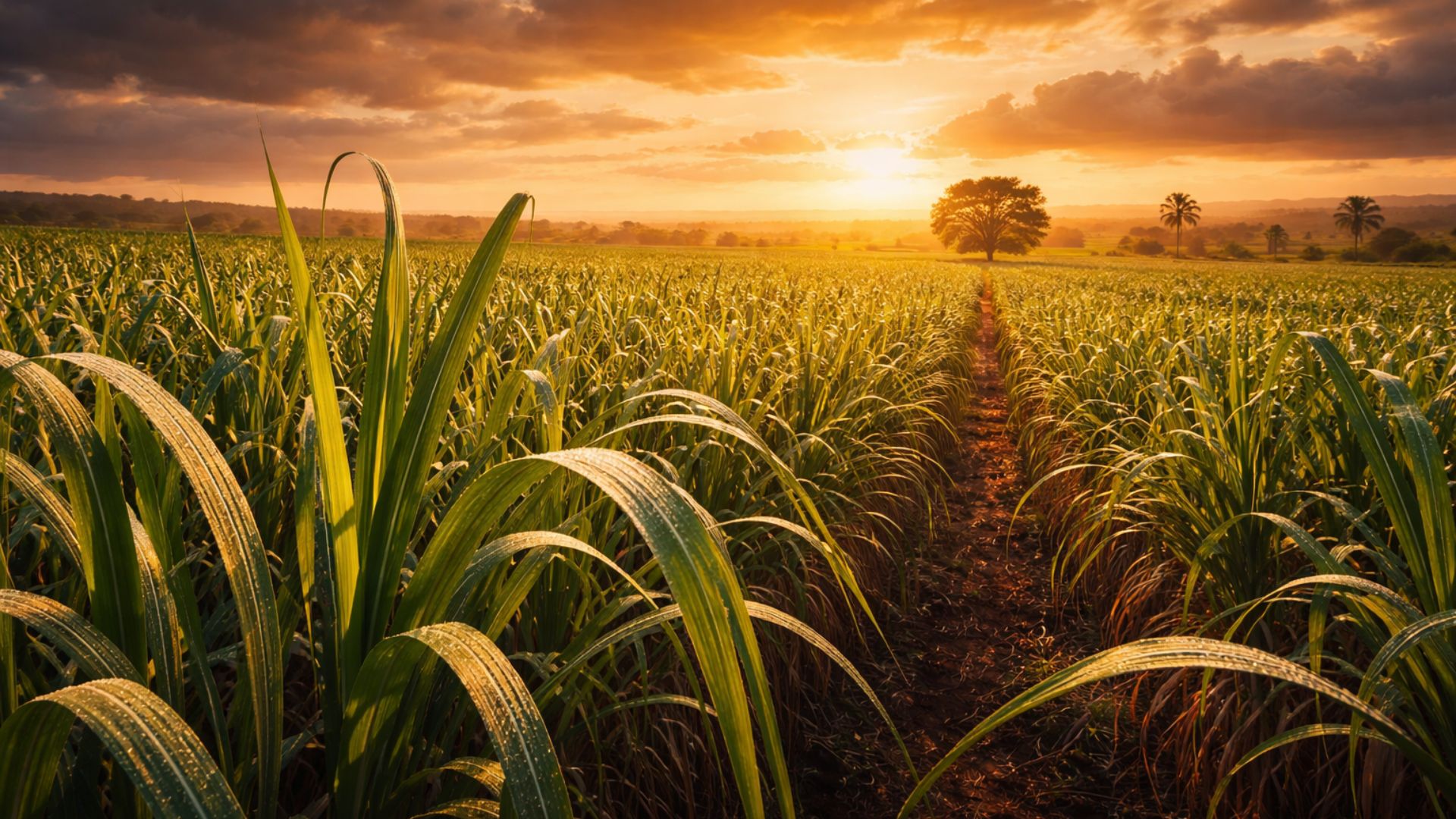

For a long time, however, producers and municipalities viewed this waste merely as an environmental liability. Consequently, additional costs and challenges for proper management of this material arose.
With technological advancement and, at the same time, the implementation of policies aimed at energy transition, this scenario began to change gradually.
Thus, what was once just an environmental problem began to generate economic and energy opportunities. In this way, the conversion of waste into biogas and, later, into biomethane laid the foundations for a new production chain in the field, connecting sustainability, innovation, and income generation in a structured manner.
The Origin Of The Biogas Route And Its Connection To Transport
In this scenario of transformation in the field and logistics, the biogas route emerges as a strategic response. In an integrated manner, it connects rural production, energy infrastructure, and sustainable transport, bringing different links of the state economy closer together.
By transforming agricultural waste into renewable fuel, Paraná strengthens a production chain that involves rural producers, cooperatives, energy companies, logistics providers, and the public sector.
Moreover, this articulation progressively enables the use of biomethane in heavy transport, allowing for the gradual replacement of diesel on highways.
In this way, trucks that travel long distances and carry out the flow of agro-industrial production start to use a cleaner and more competitive fuel. As a result, the logistics sector aligns with the new environmental and economic demands.
From a historical perspective, it is worth noting that road transport has always sustained the economy of Paraná. Over time, the state has established itself as a logistical link between the southern, southeastern, and central-western regions.
However, although this dependency on diesel has ensured efficiency for decades, it has also brought relevant economic and environmental challenges. Therefore, currently, the scenario demands more modern and sustainable solutions.
Sustainable Corridors And Energy Matrix Diversification
In light of these challenges, the biogas route responds directly and aligns, especially, with global demands for decarbonization and energy efficiency. In recent years, therefore, the state government has started to encourage the creation of sustainable road corridors.
In these corridors, the supply of natural gas and biomethane meets both long-distance routes and regional paths linked to agribusiness.
Additionally, this strategy consistently expands the diversification of the energy matrix. By integrating biomethane with solutions such as electrification, ethanol, and biodiesel, Paraná reduces the dependence on imported fossil fuels.
Consequently, the state strengthens its long-term energy security.
In this context, the biogas route is increasingly establishing itself as an essential axis of future transport. Not only because it reduces emissions but also because it stimulates fleet modernization, encourages the adoption of more efficient vehicles, and creates a favorable environment for technological innovation in the logistics sector.
Economic Impacts On Municipalities In Paraná
As a direct consequence of these initiatives, the municipalities involved are beginning to see positive economic effects. Regions like Campos Gerais and areas near supply routes, for example, attract investments in biomethane plants, gas distribution networks, and associated services.
Thus, this movement boosts the local economy, generates direct and indirect jobs, and increases municipal revenue.
Furthermore, by reducing logistical costs, biomethane strengthens the competitiveness of Paraná’s agricultural production. In this way, producers and transport companies begin to use a cheaper fuel produced locally.
As a result, operational efficiency increases and profit margins improve throughout the production chain.
Another relevant factor pertains to cost predictability. While diesel prices depend on the international oil market and exchange rate fluctuations, biomethane is locally produced.
Therefore, this characteristic reduces exposure to external fluctuations and ensures greater stability for companies’ financial planning.
Gas Infrastructure And Long-Term Investments
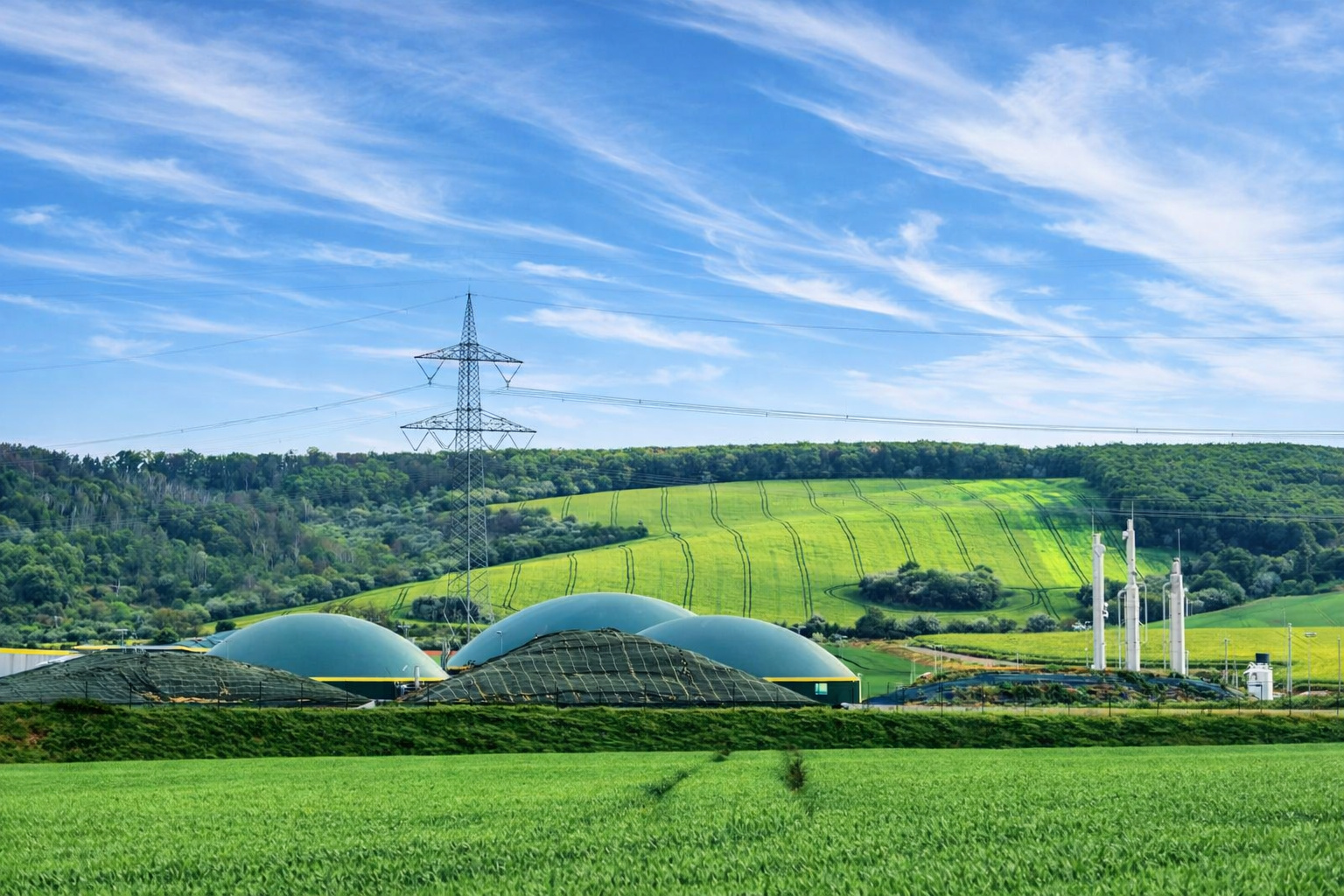
At the same time, the expansion of gas infrastructure in Paraná reinforces this process of economic transformation. Long-term investments in the construction of new gas pipelines and the connection of thousands of new customers clearly demonstrate that the state sees biomethane as part of a lasting energy strategy.
Moreover, by integrating renewable gas into the existing network, Paraná creates a favorable environment for new industrial projects.
Thus, the state attracts private investments and continuously strengthens the biogas route. This advancement, in turn, encourages the interiorization of development, bringing infrastructure and opportunities to regions outside the major urban centers.
In the same way, the installation of new plants in strategic municipalities highlights the decentralized nature of this transformation.
Instead of concentrating energy production, the biogas route distributes investments, income, and innovation, strengthening regional economies and promoting greater territorial balance.
Environmental Benefits And Sustainable Development
In addition to economic gains, the biogas route generates relevant environmental benefits. Primarily, the replacement of diesel with biomethane significantly reduces greenhouse gas emissions in heavy transport.
Considering that this is one of the most challenging sectors to decarbonize, the positive impact becomes even more significant.
At the same time, the use of organic waste improves environmental management in the field. Thus, the state reduces risks of soil and water contamination and encourages more responsible agricultural practices.
As a result, this virtuous cycle reinforces Paraná’s image as a reference in sustainability and energy innovation.
In this scenario, the state begins to occupy a prominent position in the Brazilian energy transition. The biogas route, therefore, demonstrates that Paraná can align economic, environmental, and social interests in a practical and efficient manner, without compromising growth.
Finally, looking to the future, it is clear that the biogas route has the potential to become one of the pillars of the Paraná economy.
After all, its ability to generate value from waste, reduce logistical costs, stimulate investments, and promote sustainability makes it a strategic and timeless solution. Thus, Paraná not only transforms its energy matrix but also builds a solid path for long-term economic development.









-

-

2 pessoas reagiram a isso.