





 Portuguese
  English
  Spanish
  5 min of reading
  0 comments


Discover How Digital Innovation Expands Access to Clean Energy, Reduces Your Electricity Bill, and Contributes to a More Sustainable Future Accessible to Everyone.
Since the emergence of the first electrical grids in Brazilian cities, energy has become essential for development. Over the decades, although access has expanded, challenges have not disappeared.
On the contrary, they have become more complex. Therefore, understanding the role of technology in democratizing energy is essential.
Moreover, the high electricity bill weighs more and more on family budgets. Even though the country has abundant renewable sources, such as solar and wind, a good portion of the population still lacks direct access to them.
-
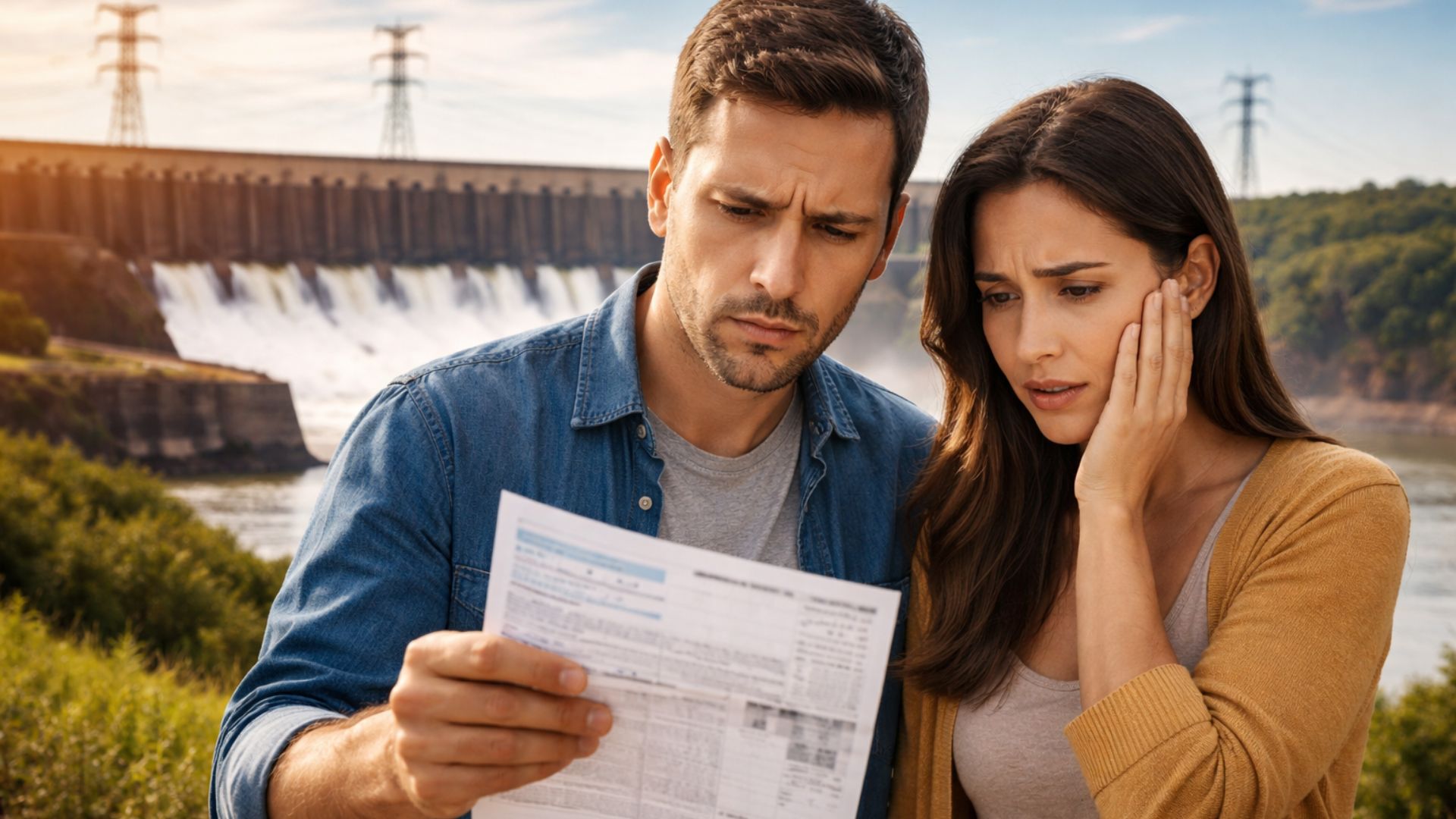
Brazilians paid R$ 18 billion more for energy from the Itaipu plant, reflecting a direct impact on tariffs and generating discussions about costs, transparency, and balance in the national electricity sector.
-
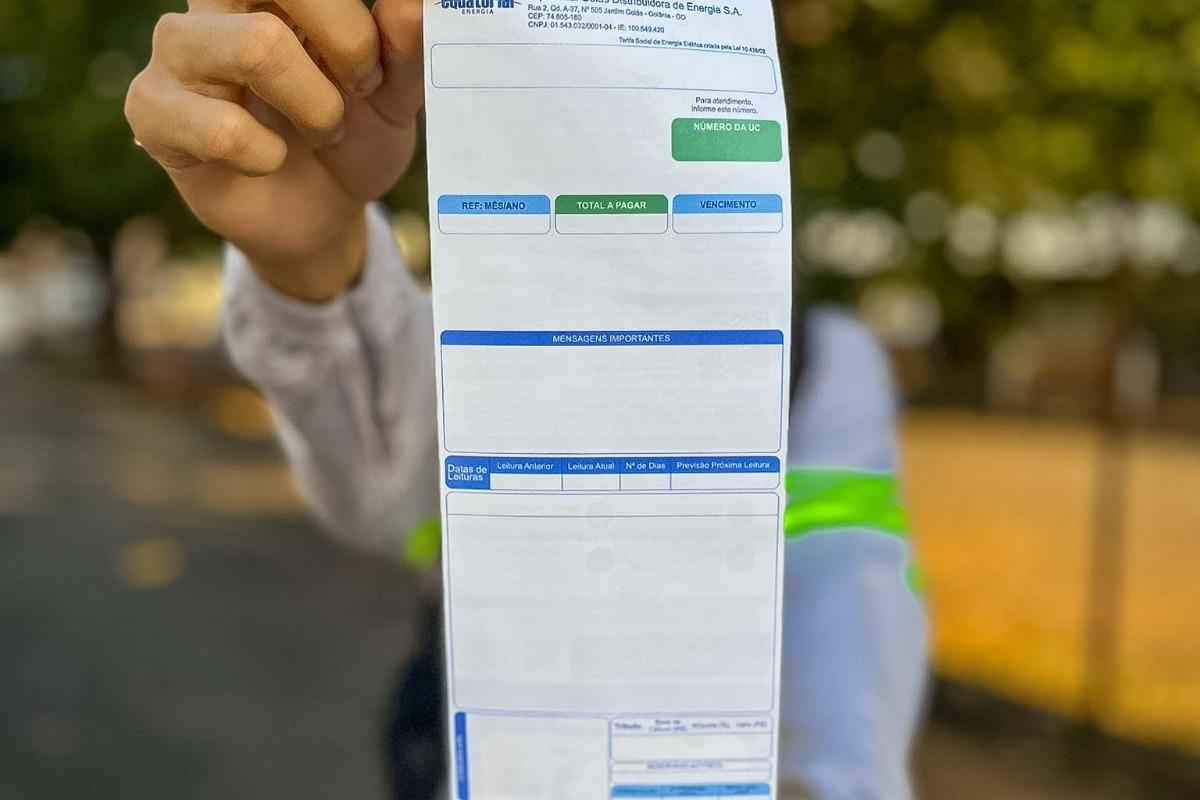
Equatorial adopts new national number for consumer units on electricity bills starting in April, following ANEEL standards and modernizing energy bills in several states.
-
Itaipu Impresses the World: Hydroelectric Plant with 20 Turbines and 14,000 MW Generates Over 2.9 Billion MWh and Leads Global Clean Energy Production

-
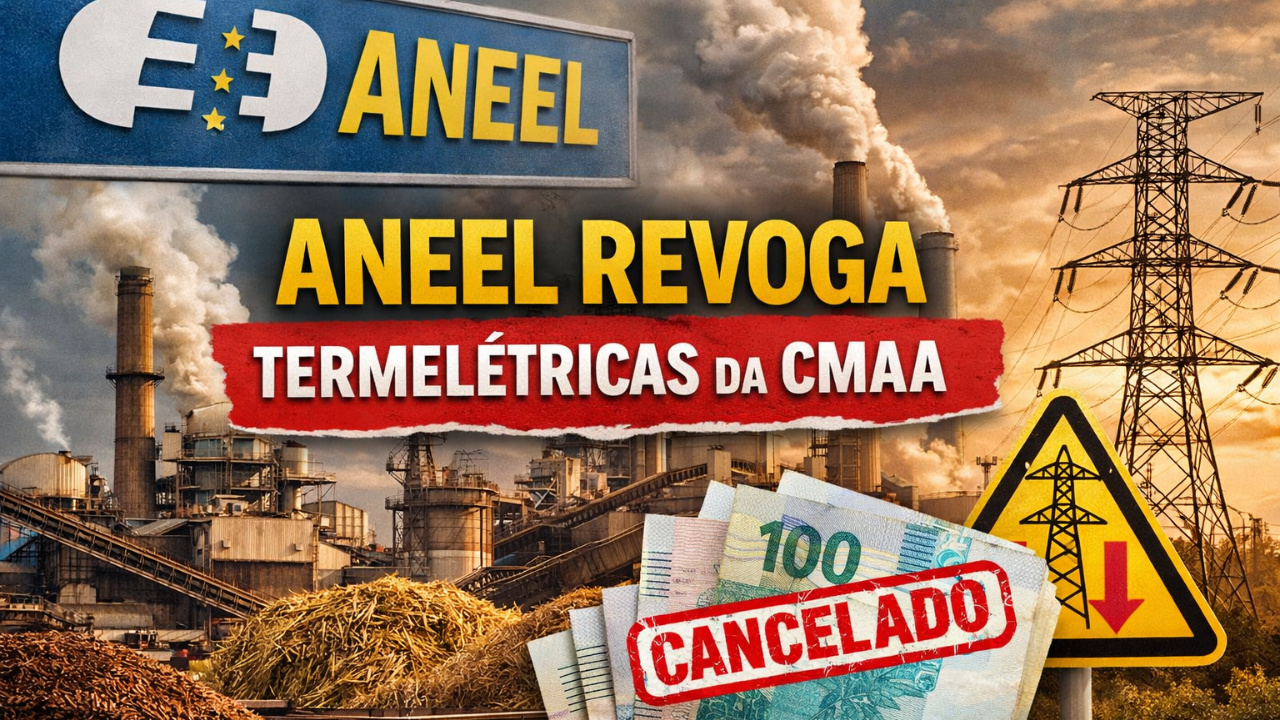
Aneel Revokes CMAA Thermal Power Plants After Network Restrictions and Excess Energy in the System

In this scenario, technology emerges as a bridge between the citizen and clean energy, promoting energy inclusion and cost reduction.
Consequently, digital solutions have begun to occupy a fundamental space in the consumer’s life. The combination of innovation, favorable regulation, and environmental awareness creates a conducive environment for the energy transition in Brazil.
In recent years, there has also been a greater awareness among the population regarding the environmental impact of energy sources. This movement, combined with digital technologies, strengthens the demand for affordable, practical, and sustainable solutions. Today, more than ever, society seeks not only to reduce expenses but also to contribute to the preservation of the planet.
The High Electricity Bill and the Challenge of Accessing Clean Energy
It’s no surprise that the electricity bill concerns so many people. According to data from ABRACEEL, tariffs have risen more than 170% in the last 15 years. At the same time, inflation has grown much less.
Therefore, it is not surprising that families and small businesses are seeking cheaper and more sustainable alternatives.
Meanwhile, Brazil has favorable climatic conditions for generating clean energy. However, until recently, only those who could afford to install solar panels could take advantage of this potential.
As a result, access to clean energy was restricted to a small portion of the population.
However, this situation began to change with the regulation of distributed generation, promoted by ANEEL. Since then, consumers have been able to benefit from credits from remotely generated solar energy, without any installation in their homes.
Thus, more people have started to save and contribute to a cleaner energy system.
Additionally, it is worth noting that regulatory flexibility is still under debate in Brazil, with measures aimed at further expanding access to renewable energy.
These discussions signal a promising future, in which decentralization of generation could be even greater, benefiting residential and commercial consumers.
Distributed Generation: A Practical and Accessible Solution
Currently, companies like Lemon Energia make this access possible in a simple and digital way. Thus, the consumer can register on the website, be linked to a partner plant, and then receive clean energy credits that offset the amount of the electricity bill.
All this without construction, equipment, or bureaucracy.
In practice, the consumer continues to use energy from the local distributor, but with a discount. Therefore, adoption of the distributed generation model is growing rapidly.
And it is not just a matter of savings: it is also about sustainability, inclusion, and efficiency.
Furthermore, the structure of the model is advantageous for all involved. Consumers save and use clean energy. Partner plants increase their customer base.
Meanwhile, the intermediary company, such as Lemon, is rewarded for managing this connection transparently and efficiently.
Therefore, the model drives a change in collective behavior. While reducing environmental impact, it democratizes access to renewable energies, making them a viable choice for everyone.
The use of digital technologies is not limited to access and billing for energy. Increasingly, solutions based on artificial intelligence and big data help predict consumption patterns, identify waste, and optimize the use of clean energy, further increasing benefits for consumers and the environment.
The Role of Technology: Control, Savings, and Sustainability
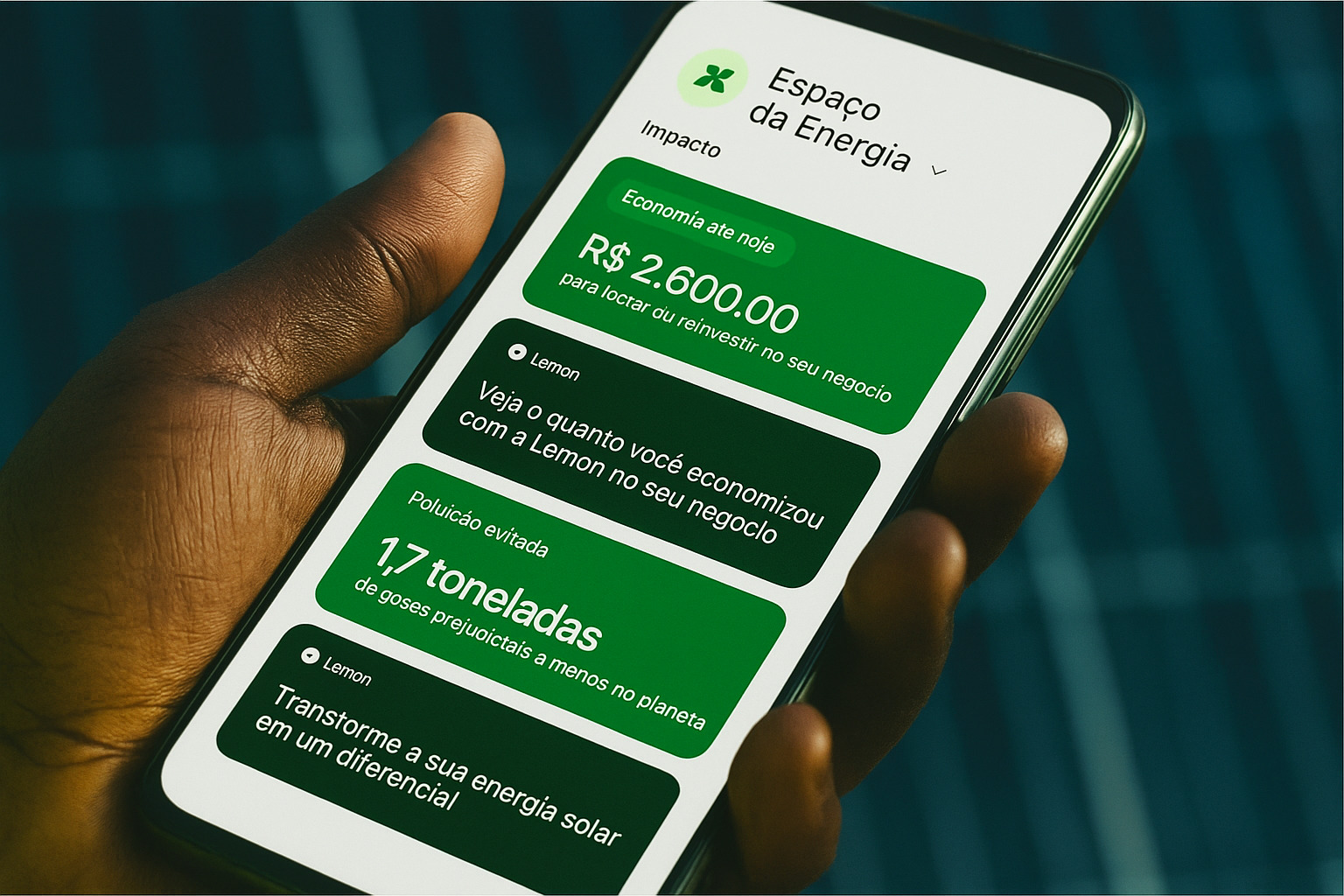
In this context, Lemon’s app takes on a central role. After all, it gathers all the necessary functionalities for the user to monitor their consumption, visualize the applied credits, see how much they have saved, and understand their environmental impact.
All this in a clear and intuitive way.
Instead of dealing with papers, spreadsheets, or phone support, the consumer resolves everything via their mobile phone. Additionally, the app provides updated information on consumption and savings.
This facilitates decision-making and encourages more conscious habits.
Moreover, the impact goes beyond finances. In just one year, Lemon’s clients have stopped emitting more than 300 tons of CO₂.
This is equivalent to planting approximately 2,000 trees.
Thus, it is possible to see that individual change, when added together, generates positive effects on a large scale.
Therefore, technology transforms electrical energy into something more human, accessible, and sustainable. Furthermore, it allows ordinary people to become protagonists of an urgent and necessary change.
Clean Energy for All: A Right That Becomes Reality
Based on this advancement, it can be affirmed that access to clean energy is no longer a privilege. Now, it is an accessible right thanks to digital innovation.
Thus, more Brazilians can consume energy responsibly, without needing to invest in their own infrastructure.
The connection with remote solar plants represents a paradigm shift. After all, it allows any citizen—whether they live in a condominium, are a merchant, or a tenant—to be part of the energy transition.
This decentralization strengthens energy democracy and promotes social justice.
Additionally, this movement is fully aligned with the UN Sustainable Development Goals, which recognize clean energy as the foundation for human development.
When more people have access to it, society as a whole benefits.
With this, companies like Lemon help Brazil move towards a more efficient, clean, and accessible energy model. And, more importantly, without relying on large constructions or high investments.
The Future of Energy Is Already Within Your Reach
In light of all this, it is clear that technology not only facilitates but revolutionizes the way we relate to energy. By using an app, the consumer can save money, reduce their environmental impact, and actively participate in the energy transformation of the country.
At the same time, mass adoption of these solutions stimulates a more modern, participative, and sustainable electricity sector. Therefore, clean energy is becoming a common good, viable for everyone, regardless of income or geographical location.
In summary, accessing clean energy has become more than an ideal: it is now a reality. And, with the help of technology, this reality is getting closer to all of us.
The energy of the future is digital, decentralized, and made for everyone. And it is already within your reach.










Seja o primeiro a reagir!