





 Portuguese
  English
  Spanish
  4 min of reading
  0 comments


Vale Advances To Operate With Dry Processing Technology In Carajás By 2027, Betting On Billion-Dollar Investments And Pioneer Projects To Minimize Environmental Risks And Transform The National Mining Landscape.
Vale announced that it will completely eliminate the use of water in iron ore processing in Carajás, Pará, by 2027, as part of a broad effort to modernize and make its mineral operation in Brazil more sustainable.
The decision was presented during a visit by journalists to the company’s unit in Parauapebas, where executives detailed the schedule to replace the final 10% of operations still dependent on water with completely dry processes.
The initiative gained momentum in recent years, driven by serious environmental accidents involving dams, such as those in Brumadinho and Mariana, both in Minas Gerais.
-
He started running at 66 years old, broke records at 82, and is now a subject of study for having a metabolic age comparable to that of a 20-year-old, in a case that is intriguing scientists and inspiring the world.

-
Oldest tree on the planet reappears after 130 years of searches: Wattieza, 385 million years old, was 10 meters tall and had no leaves or seeds; Gilboa fossils in New York solved the mystery in 2007.

-
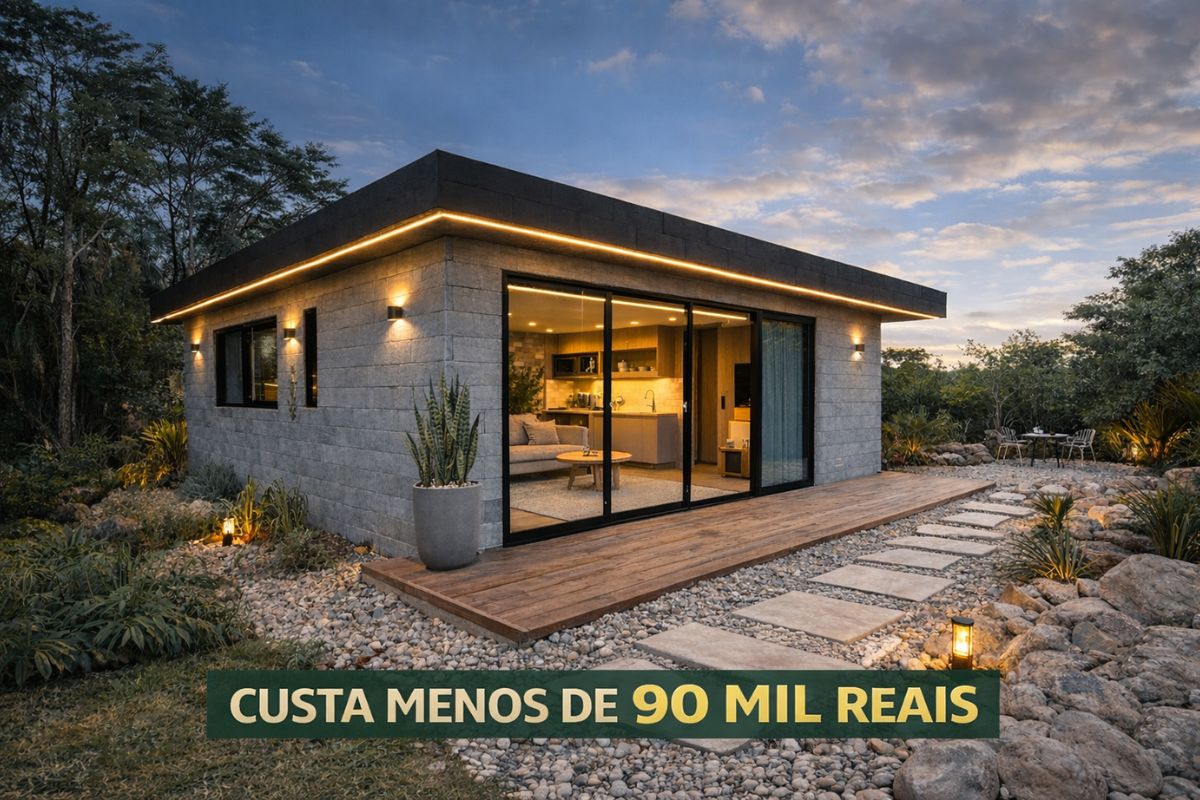
A 48-square-meter house assembled in hours with 4,000 bricks made of recycled plastic that does not absorb moisture, has natural thermal insulation, and costs less than 90,000 reais in a complete kit.
-
Luciano Hang revealed that Havan’s air fleet has already accumulated more than 20,000 landings, 10,000 flight hours, and 6 million kilometers traveled, and he says that without the planes, the company would never have grown so quickly.


According to Vale, approximately 90% of the so-called North System already adopts dry methods in the processing of iron ore.
Of the 17 screening lines in Plant 1 of Serra Norte, six still use water.
On the other hand, activities in the South and East ranges are already fully conducted through dry processes.
“By the end of 2027, they will all be 100% dry, and the entire North System will be 100% natural moisture,” said Gildiney Sales, director of Vale’s North Corridor.
The North System produced 177.5 million tons of iron ore in 2024, surpassing half of the total produced by the mining company that year, which totaled 327.7 million tons.
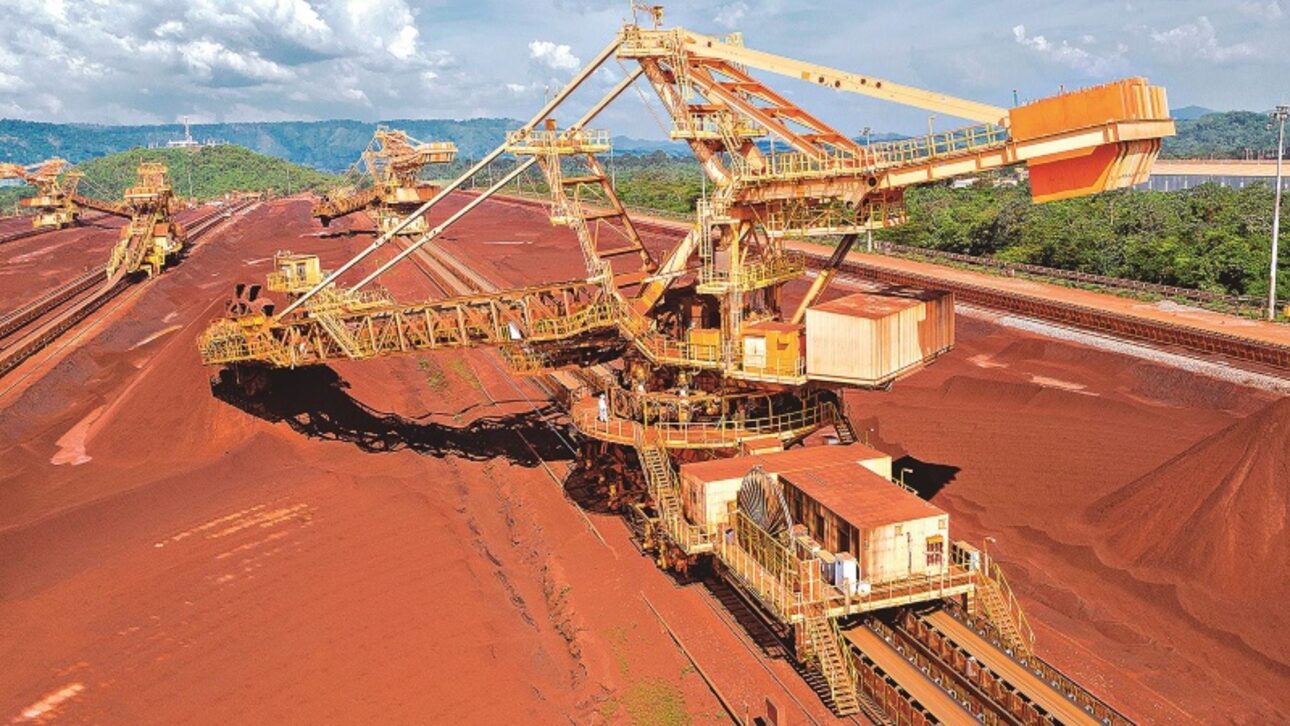
Billion-Dollar Investment And Technology Enable Dry Processing
The transition to dry processing became feasible in Carajás due to the unique characteristics of the region’s reserves and the massive investment made by the company over the past 15 years.
According to Tiago Leite, mine manager at Vale, the high iron content in the local ore — between 62% and 68% — allows for the adoption of more advanced technological routes that do not require intensive water use.
“Carajás has a metallic ore grade that allows for a technological route that few places can offer,” Leite explained.
Although the mining company did not disclose the exact amount invested, it reported that “tens of billions of reais” were invested in the development of these solutions.
Eliminating water use, according to Vale, brings significant environmental gains by preventing the generation of waste in the production process.
This eliminates the need for constructing new waste dams for storage and contributes to a more sustainable and safer operation.
Another point highlighted by the company is the simplification of industrial processes, a factor that can reduce costs and increase competitiveness, although Gildiney Sales preferred not to detail the direct economic impact of the measure, keeping this data confidential.
Stricter Rules After Accidents And The Role Of Dams
The context in which Vale promotes this change is marked by an increasingly stringent regulatory environment for Brazilian mining.
Following the tragedies in Mariana (2015) and Brumadinho (2019), which involved dams operated by Vale, bodies such as the Federal Public Ministry and the National Mining Agency (ANM) intensified oversight and imposed stricter rules for the sector.
The National Dam Safety Policy, revised in 2020, established new technical and monitoring standards, raising maintenance and operational costs for these structures.
In this context, eliminating dams has also become a strategic response to regulatory and social demands for greater safety in operations.
Despite progress in Carajás, the transition to dry processing does not fully resolve the environmental liabilities of the mining company.
Vale maintains dozens of dams operational in other mining complexes, some classified as high risk by oversight bodies, which still require ongoing monitoring and investment.
Gelado Project Reuses Waste And Expands Sustainable Production
In addition to the changes in beneficiation, Vale is executing the Gelado Project, an initiative aimed at the reuse of waste accumulated since 1985 at the dam of the same name, located in Serra Norte.
The project employs electric dredges to extract around 120 million tons of material deposited, with iron content between 62% and 64.5%.
The goal is to turn this material into “pellet feed” — a product used in the manufacture of iron pellets — thereby increasing the utilization of mineral resources and reducing environmental impact.
In 2024, the production of “pellet feed” from Gelado reached 2.5 million tons, with forecasts for growth to 5 million tons in 2026 and 6 million in 2027.
Gildiney Sales assessed the project’s progress as positive but mentioned that “some adjustments” were necessary after the operation began, highlighting the unprecedented nature of the initiative on an industrial scale in Brazil.
Challenges Of Economic And Environmental Results Still Under Evaluation
Vale argues that the elimination of water and dams for waste storage represents a milestone for national mining, especially regarding reducing environmental and operational risks.
However, the company has not yet disclosed detailed information about the economic benefits associated with this transition.
Experts point out that, without publicly available data on profit margins or the competitiveness of products derived from waste, it is not possible to fully assess the economic results of the investment.
The recent experience of the Gelado Project also shows that adopting innovative technologies can face unexpected challenges, requiring adjustments after initial implementation.
Vale’s ability to meet the transition schedule by 2027 will depend primarily on its success in converting the last lines that still use water and overcoming technical obstacles inherent to industrial scale.







Seja o primeiro a reagir!