





 Portuguese
  English
  Spanish
  4 min of reading
  6 comments


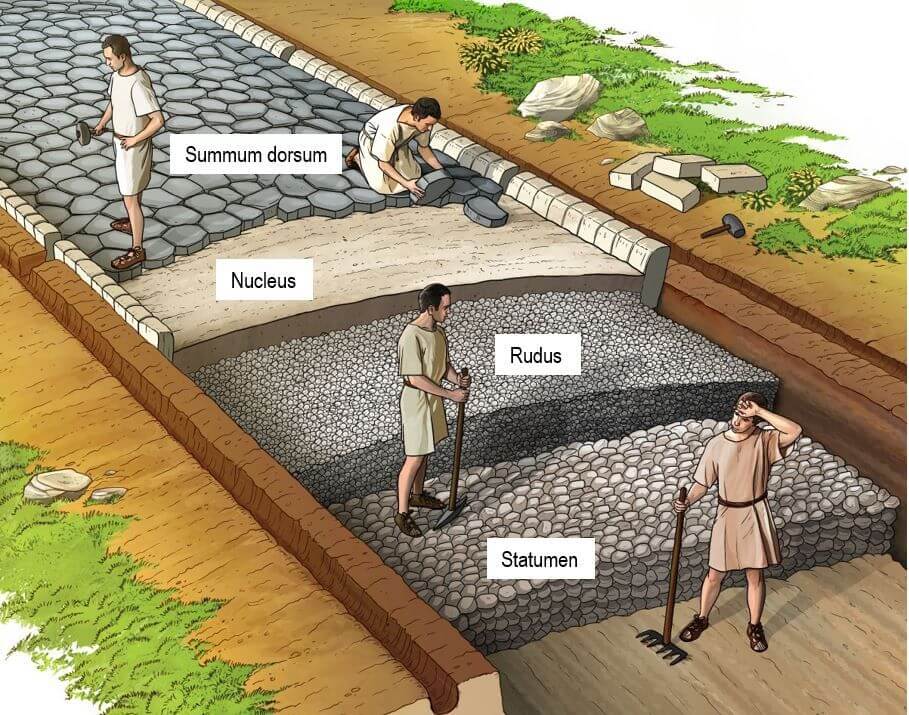


Roman Roads Are a Mark of Ancient Engineering, Many Still Intact After Thousands of Years. How Did the Romans Build Such Resistant Ways? Find Out the Methods and Materials Used!
The ancient Roman roads are an impressive legacy of engineering and organization from the Roman Empire. But after all, how were the Roman roads made?
With a road network estimated at over 400,000 km in length, of which about 80,500 km were paved with stones, these ways played an essential role in the expansion and maintenance of the empire.
Its impact was so significant that, even today, many of the contemporary routes in Europe and the Middle East follow paths established by the Romans.
-
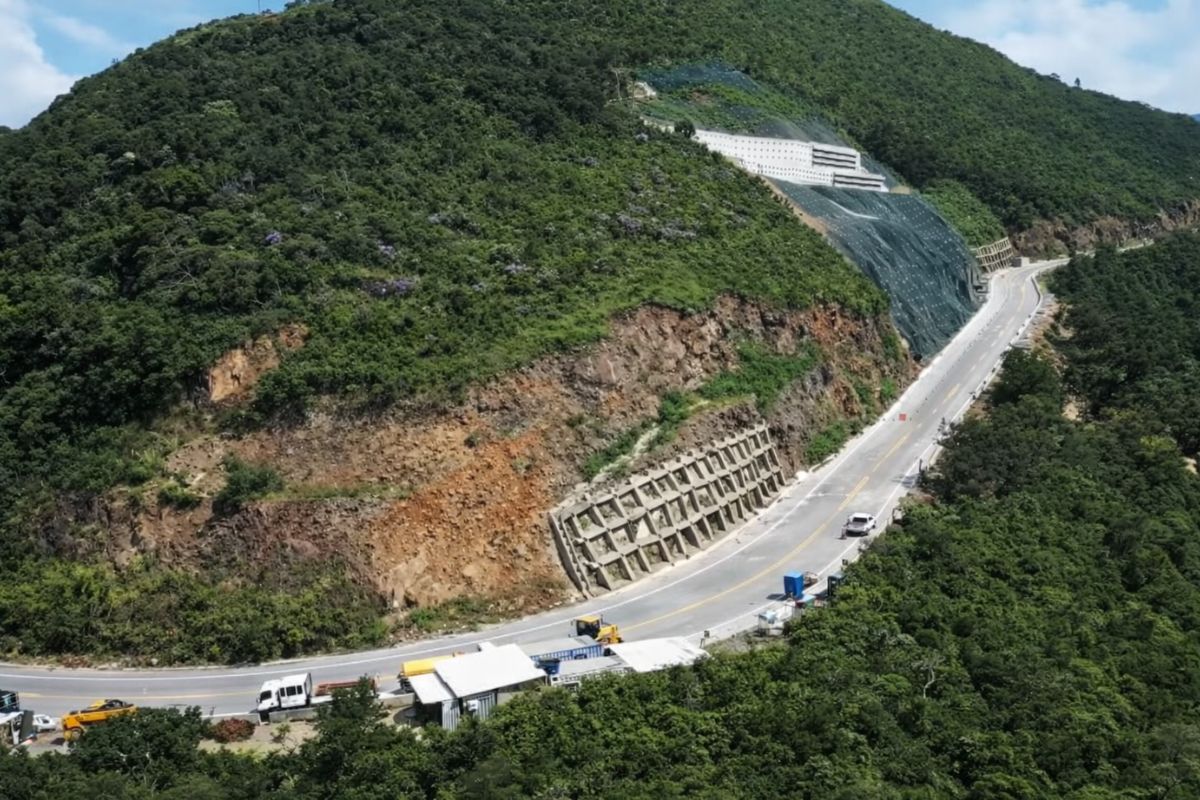
The section of Serra da Rocinha on BR-285 is now open in Timbé do Sul: 50 m tensioned curtains and top-down technique stabilize the slope, with a stairway duct controlling the water.
-
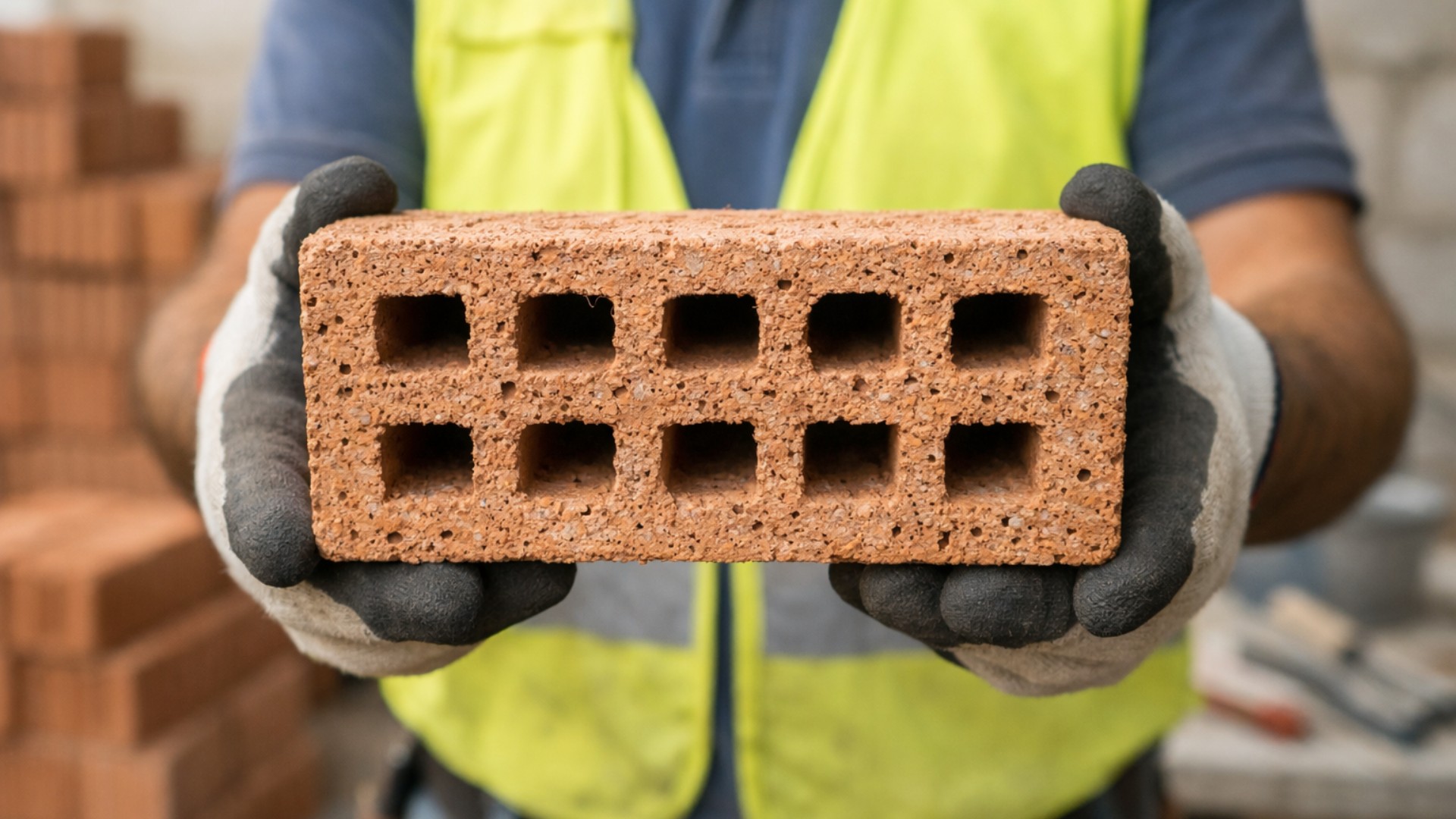
Scientists use sawdust mixed with clay to create a lighter brick, promising efficient thermal insulation and impressing by transforming waste into a solution for construction.
-
With a DNA shape, this bridge in Singapore draws attention in modern architecture and surprises tourists by transforming a simple crossing into an unforgettable visual experience in the urban heart.

-
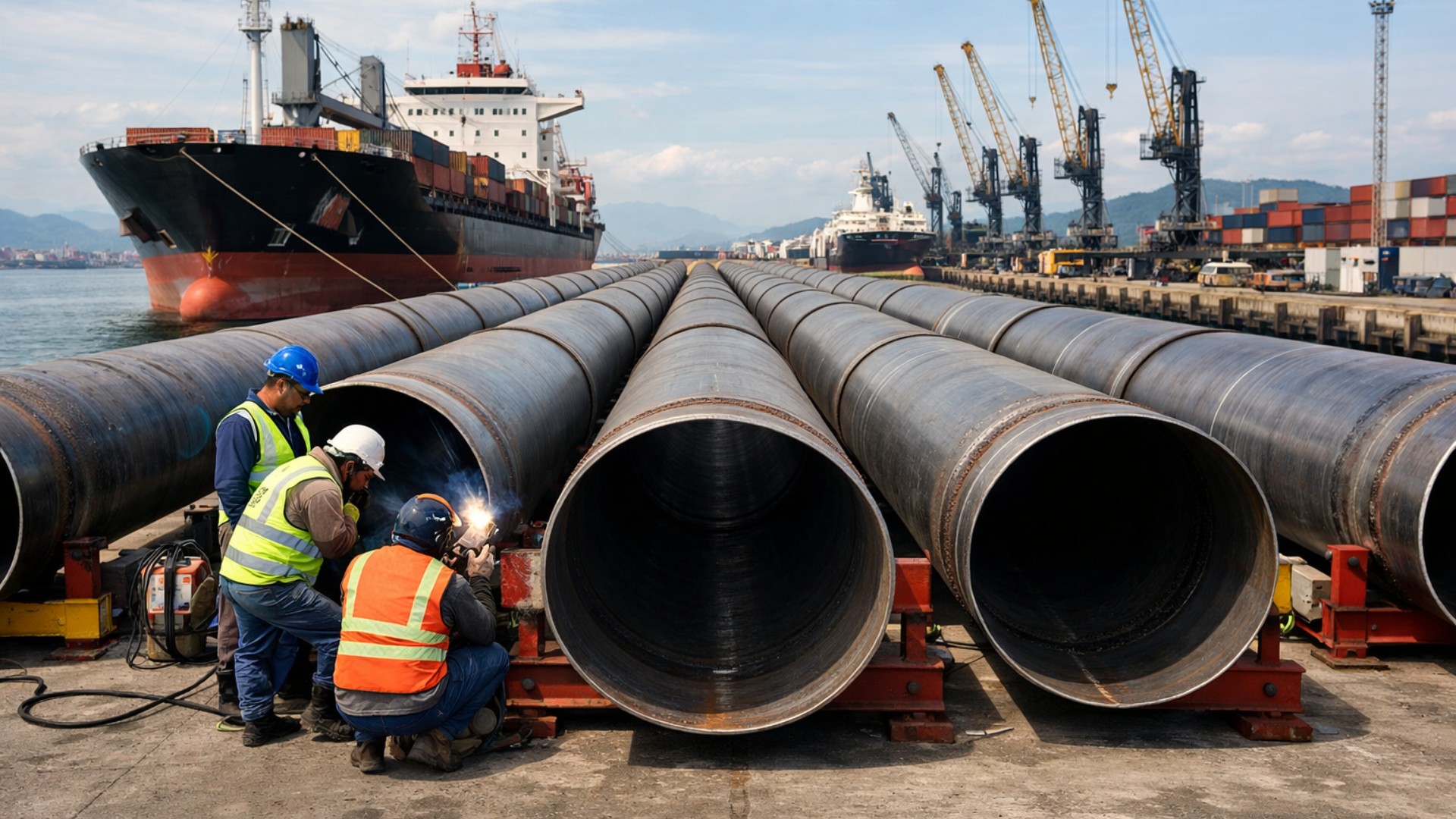
Giant underwater pipeline begins to take shape with a R$ 134.7 million project at the Port of Santos: the 1.7 km structure uses 12-meter and 700 mm pipes to supply water to 450,000 people in Guarujá.

Some of these Roman roads are still in use today. Many have been incorporated into modern highways, while others remain preserved and accessible as historical trails. Notable examples include the Appian Way in Italy, the Fosse Way in England, and the Via Augusta in Spain.

How Were Roman Roads Built?
The Roman road infrastructure not only facilitated the transport of goods and people but was also fundamental to the stability of the empire.
The roads allowed for quick movement of Roman legions, ensuring the safety of the provinces and effectiveness in suppressing revolts.
Moreover, they were used for commercial purposes, connecting cities and markets and boosting the economic development of the region.
The construction of these roads was a joint effort involving specialized engineers, many of whom were part of the Roman army.
The legionaries were responsible for executing the works, ensuring that the roads were built with precision and durability. This technical knowledge allowed for the creation of roads that have withstood the test of time and, in some cases, are still visible today.
Technology and Construction Methods
The construction of Roman roads varied according to geographical location and material availability but followed standards that ensured their functionality. The roads were composed of various layers, each playing an essential role in the stability and durability of the way:
- Foundational Soil: compacted to prevent settling and covered with sand or mortar.
- Statumen: layer of broken rock with a thickness between 25 and 60 cm.
- Rudus: layer 20 cm thick made of broken rock and mortar.
- Core: base layer of concrete made of cement, sand, and gravel, 30 cm thick.
- Summum Dorsum: final layer composed of large blocks of rock 15 cm thick.

The roads were slightly inclined from the center to the sides, facilitating the drainage of rainwater.
Also common were drains and drainage channels along the ways. For pedestrians, there were compacted gravel paths, separated from the main road by vertical slab curbs.
The Main Roman Roads
Among the most important roads, the Appian Way stands out. Built in 312 B.C., this 261 km road connected Rome to Tarentum (present-day Taranto) and was later extended to Brundisium (now Brindisi), facilitating access to the regions of southern Italy. Another notable road was the Via Popilia, which connected Calabria to the Strait of Messina.
In the early 2nd century B.C., other significant roads left Rome, such as:
- Via Aurelia
- Via Flaminia
- Via Aemilia
- Via Valeria
- Via Latina
- Via Appia
The interconnection of these ways allowed for the creation of an efficient network connecting the Roman provinces to the capital, giving rise to the famous expression “All Roads Lead to Rome.”
The Legacy of This Construction
The road infrastructure of the Roman Empire was essential for its success and longevity. At the height of Roman expansion, the empire covered approximately 4,400,000 km², and the roads played a fundamental role in managing this vast territory.
With the fall of the Roman Empire, many of these roads were abandoned or began to be used in a fragmented manner. However, their impact is undeniable.
Many modern ways follow paths established by the Romans, ensuring that this legacy continues to influence contemporary road infrastructure.
The history of the Roman roads is a testament to the genius of ancient engineering. In addition to being vital for the expansion and sustenance of the empire, they became a model for the development of modern highways.
The influence of this millennial construction remains alive, connecting cultures and facilitating movement to this day.
With information from geotech.







A largura das estradas era equivalente a largura da **** fo cavalo romano. Que é uma medida que foi adotada para ferrovias também.
Além da mão de obra escrava – a principal, em época de guerra eram usados os soldados na construção das estradas.
Deve se admitir que estavam a frente do seu tempo