





 Portuguese
  English
  Spanish
  6 min of reading
  0 comments


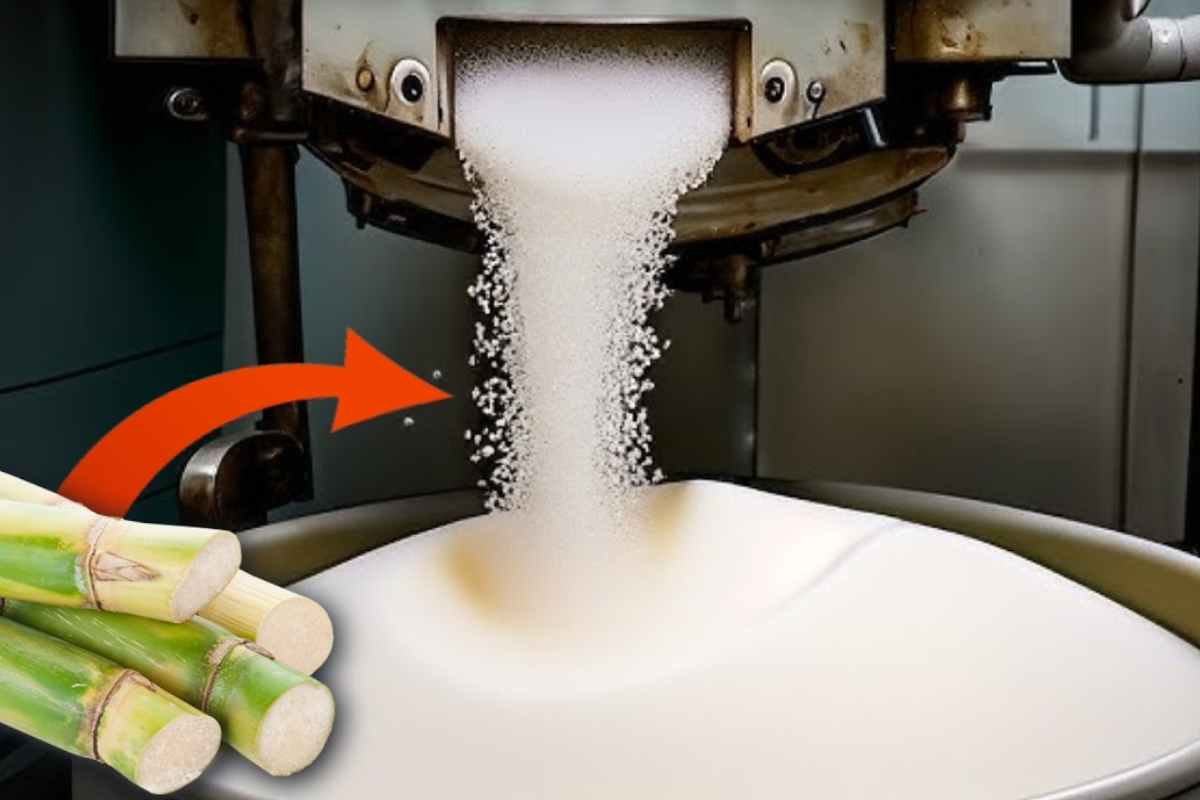
From Mechanized Harvesting in Sugarcane Fields to Evaporation, Crystallization, and Centrifugation, See How Sugarcane Is Crushed, Becomes Treated Juice, and Transforms into Crystal Sugar Inside the Mill in a Continuous Process That Also Yields Bagasse and Ethanol to Power the Industry on a Global Scale Feeding Millions.
What looks like just a white grain in the supermarket package is, in fact, the end of a giant industrial gear. Every day, tons of sugarcane enter through the mouth of a mill, turn into juice, go through controlled heat, vacuum, and machines that spin at over a thousand revolutions per minute until crystal sugar is born to go to your table.
In a world that consumes nearly 180 million tons of sugar per year, understanding this pathway is not a luxury, it’s industrial reality. Every sack of crystal sugar depends on field decisions, on how the sugarcane was harvested, on how the juice was treated, on how the crystals grew in the tanks and on how much the mill can extract from each ton of raw material.
From Sugarcane in the Field to the First Juice Inside the Mill

It all begins in the sugarcane fields, planted in large tropical and subtropical areas.
-
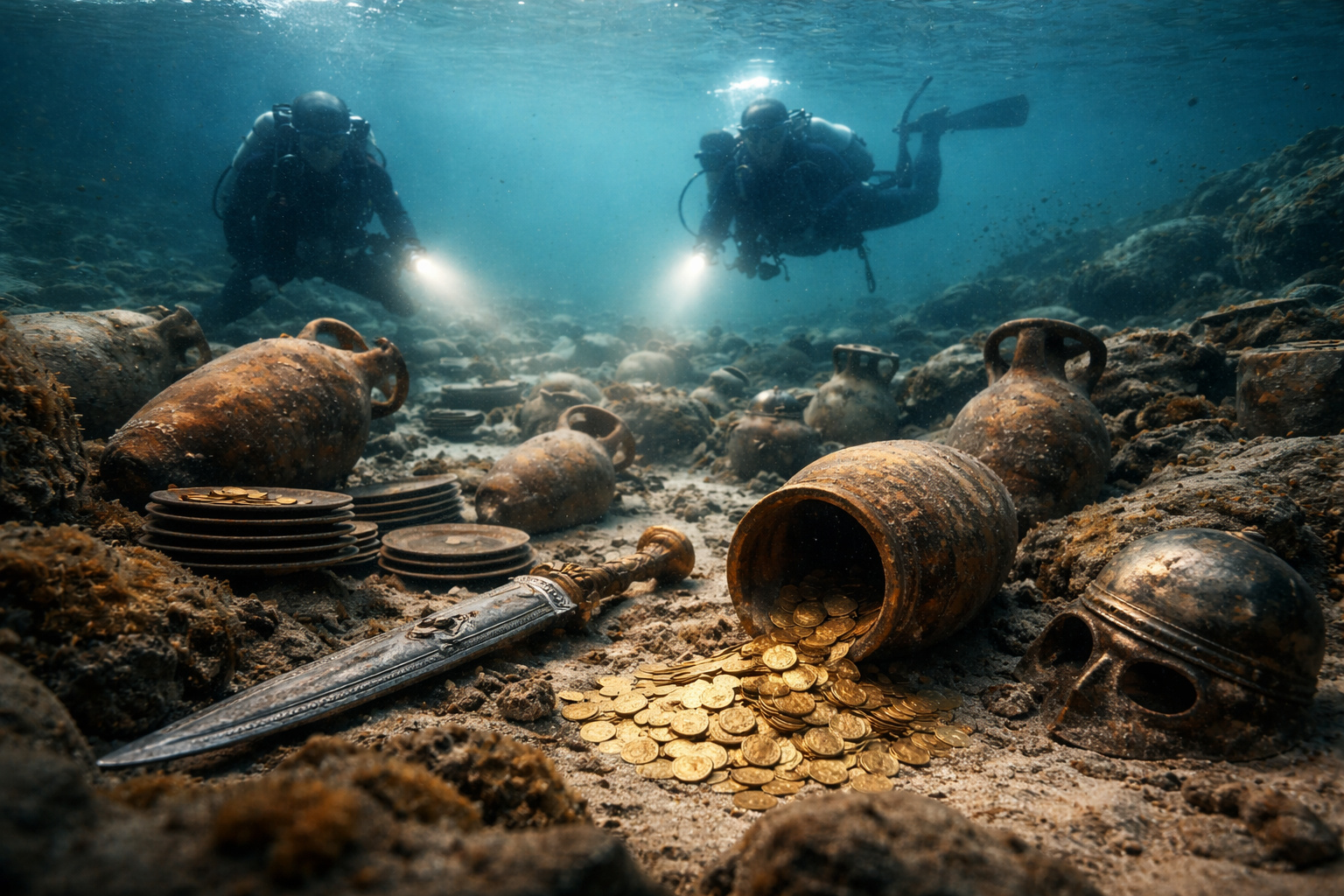
Giant Roman treasure found at the bottom of Lake Neuchâtel in Switzerland reveals an advanced trade system, circulation of goods, and armed escort in the Roman Empire about two thousand years ago.
-
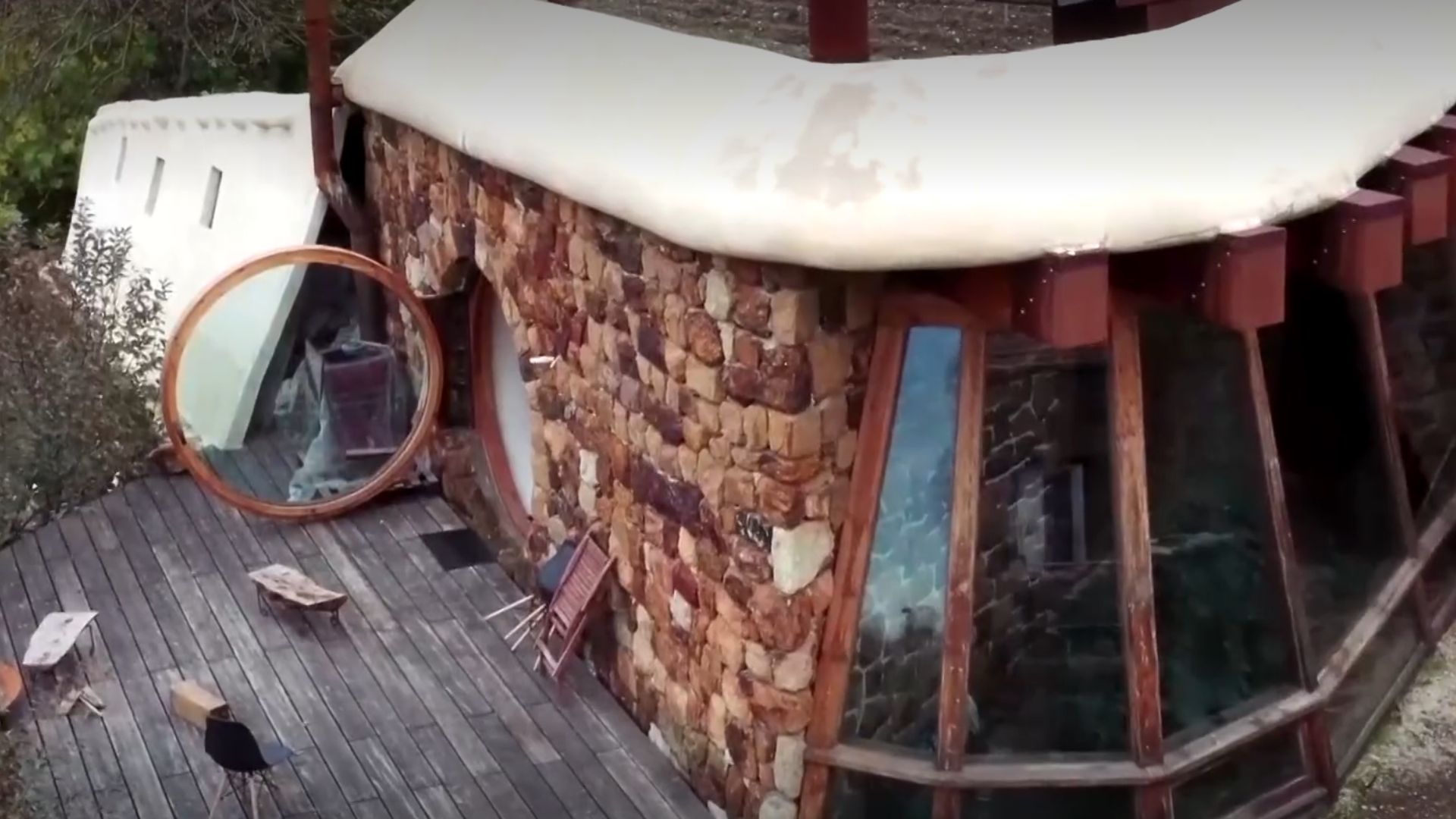
He buried 1,200 old tires in the walls to build his own self-sufficient house in the mountains with glass bottles, rainwater, and an integrated greenhouse.
-
The aircraft carrier HMS Prince of Wales is heading to the Arctic with F-35 fighters, helicopters, and warships in an operation that repositions the United Kingdom at the forefront of NATO in 2026.

-
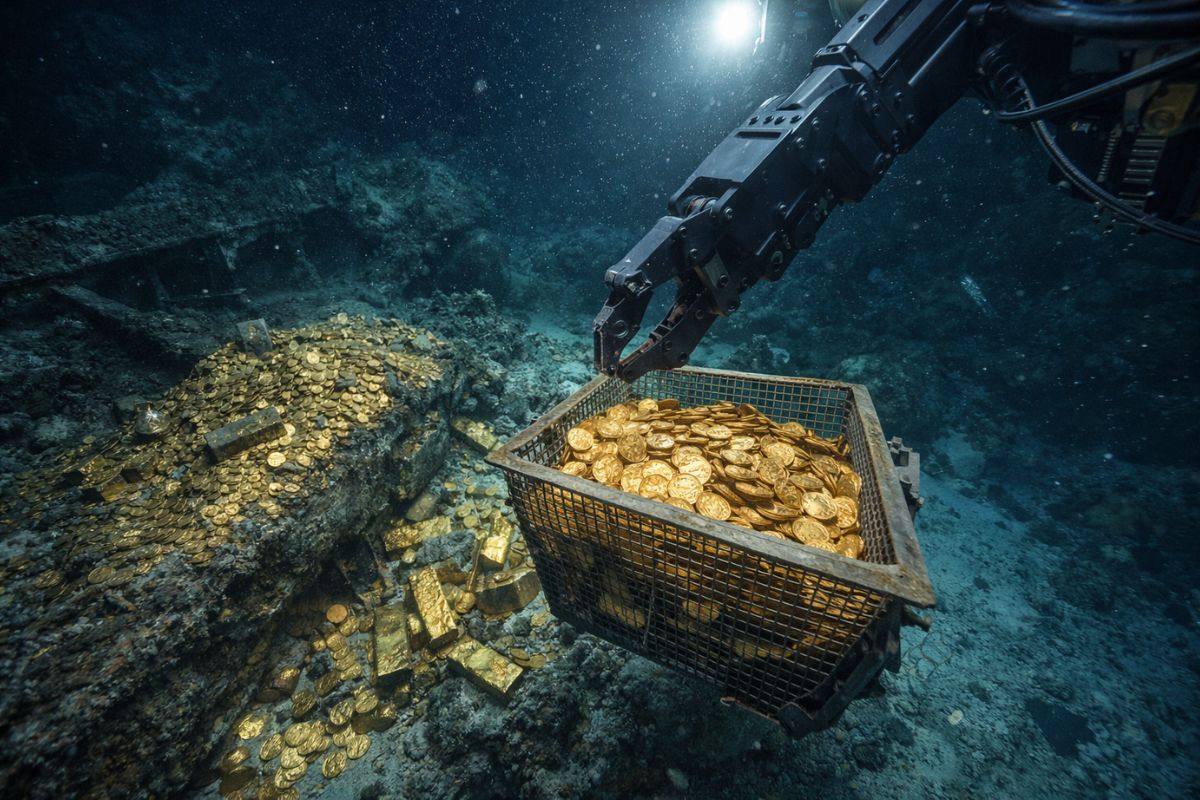
He found the largest gold shipwreck in the United States with tons of the precious metal at a depth of 2,400 meters in the Atlantic and recovered a treasure that no one thought possible to reach, but 500 gold coins disappeared without explanation.
The plant grows for 12 to 18 months, accumulating sucrose in the stalk until it reaches the ideal cutting point.
At the end of this cycle, the farmer is not just harvesting green fiber; they are harvesting juicy stalks.
Enter mechanized harvesting.
The harvesters cut the sugarcane close to the ground, chop the stalks into pieces of about 20 centimeters, and clean off leaves and straw, which return to the soil as cover.
This chopped material goes directly to the trucks because the juice cannot be left waiting.
The faster it reaches the mill, the less sucrose is lost.
At the industrial reception, feeding tables and conveyors pull the sugarcane into the production line. The first sorting and washing occur to remove dirt and larger impurities.
Then, high-speed defibrators tear the fiber to expose the juice.
Only after this does the cane enter the crushers, huge sets of rollers that crush the material and allow the juice to drain through chutes while the bagasse heads down another conveyor.
How Raw Juice Becomes Clean Raw Material to Form Crystals

The juice that comes from the crusher is cloudy, brownish-green, filled with solid particles, dirt, pieces of bagasse, and dissolved organic matter.
You can’t talk about crystal sugar here yet; it’s just raw juice with a lot of potential.
The first step is controlled heating.
The juice enters heat exchangers and tanks where it exceeds 100 ºC.
This thermal shock kills microorganisms and makes the juice more fluid, ready for chemical treatment.
The mill adds lime milk to adjust the pH and cause impurities to agglomerate into flakes.
In some cases, treatment with sulfur gas helps to clarify and remove even more dirt.
Then, the juice goes to large settlers.
There, by gravity, the heavy sludge settles at the bottom while the cleaner fraction rises and is removed from the top.
This sludge becomes the so-called filter cake, rich in nutrients, which often goes back to the field as fertilizer for the same sugarcane that will still be processed in new harvests.
What matters for crystal sugar is the clarified juice that comes out on top, ready to concentrate sucrose.
Evaporation: Reducing Water to Prepare Crystal Sugar
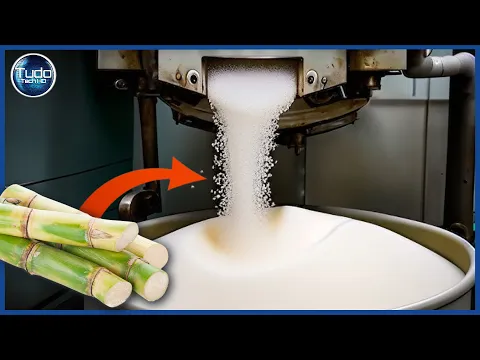

With the treated juice, the game of removing water without burning sugar begins.
This juice goes into evaporator batteries, large columns and vessels where the liquid is heated with steam.
At each stage, part of the water evaporates and the product moves from one point to another in sequence, efficiently utilizing thermal energy.
Initially, the juice has an enormous amount of water.
As it passes through the evaporators, this water begins to leave, the liquid becomes denser and darker until it turns into a thick syrup rich in sucrose.
It is this concentrated syrup that will be taken to vacuum pans to create the first crystals, the stage where crystal sugar really starts to take shape inside the mill.
Crystallization: Where the Thick Juice Transforms into Solid Crystals
In the vacuum pans, the syrup is heated again, but now with reduced pressure. This allows it to boil at lower temperatures, which prevents decomposition and caramelization.
At a certain point, operators and sensors from the mill control the moment when the solution is supersaturated, meaning it is full of sugar ready to turn into crystals.
From there, crystallization begins.
Small nuclei of crystals emerge and begin to grow within the cooked mass, a pasty mixture of syrup and solid grains.
Samples are collected all the time, spread on glass plates to evaluate the size and quality of the crystals.
It is here, in this fine balance of temperature, vacuum, and time, that the texture of the crystal sugar you find in 1-kilogram bags is defined.
When the mass reaches the desired standard of crystals, it is ready for the next step, where mechanical force comes into play to separate what is solid sugar from the residual molasses.
Centrifugation, Drying, and Cooling Until It Becomes Market-Ready Crystal Sugar
The cooked mass leaves the pans and enters industrial centrifuges.
These machines spin at over a thousand revolutions per minute, pushing the crystals of crystal sugar against the perforated walls of the basket, while the molasses passes through the holes and is collected in another chamber.
Often, jets of hot water or steam give a quick rinse to the crystals to remove residues without having time to dissolve the product.
The result that comes out of the centrifuge is already recognizable as crystal sugar, but still moist.
To prevent clumping, the product goes into drying drums, traversed by a hot air flow at around 70 ºC.
The constant movement ensures that all the crystals receive air and reach a safe moisture level. Then, the crystal sugar passes through coolers with cold, dry air so that it does not reabsorb moisture from the environment.
Only then is the crystal sugar taken to silos, where it can be stored for long periods, as long as it’s in a dry and ventilated environment.
When the mill needs to fulfill an order, the product descends from the silos, is weighed, and goes to packaging: industrial bags of one ton for large customers or packages of 1 and 2 kilograms for household consumption.
In all cases, the same crystals that started as cloudy juice from sugarcane are now ready to travel throughout the country and the world.
Bagasse, Ethanol, and Efficiency: Nothing Is Wasted in the Modern Mill
As crystal sugar follows its path, the mill continues to extract value from everything that came through the yard.
The bagasse left over from the sugarcane in the crushers does not go to waste. It is burned in boilers to generate steam and electricity, closing the energy cycle of the industrial plant.
Part of the juice or specific fractions can also be directed towards ethanol production, which shares prominence with crystal sugar in the same production chain.
For every ton of sugarcane processed, sugar, fermented juice for biofuel, and bagasse for energy come out all at the same mill, all tied together in a model where efficiency is not a detail, but survival.
In a scenario where the planet consumes tens of millions of tons per year, that bag of crystal sugar in the kitchen cupboard is just the visible tip of a system that starts in the sugarcane field, passes through crushers, evaporators, vacuum pans, centrifuges, and silos, and connects the Brazilian farmland to the breakfast table of people all over the world.
And you, have you ever stopped to imagine how many stages exist between the sugarcane in the field and the crystal sugar that falls from the spoon into your coffee every day?







-

-

-

-

-

-

10 pessoas reagiram a isso.