





 Portuguese
  English
  Spanish
  2 min of reading
  0 comments


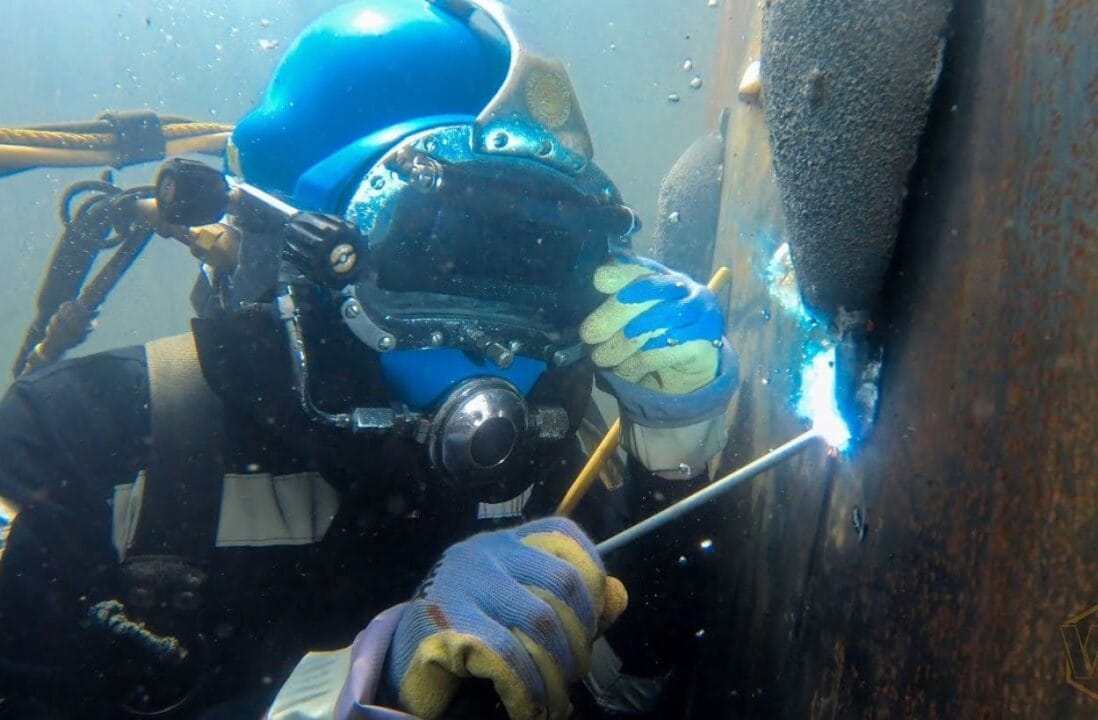
Underwater Welding: Essential Technique for Offshore Repair and Construction Faces Challenges of Depth, Pressure, and Safety, Dominated by the Welding Class.
Underwater welding, an impressive feat of offshore engineering, challenges limits by enabling repair and maintenance work at ocean depths. Used in structures like ships, gas pipelines, oil pipelines, and oil platforms, this technique is essential for the maritime and energy industries.
This highly specialized process, known as underwater welding, involves significant risks and requires advanced equipment. Underwater arc welding is the most common, operating with alternating or direct current, where the main equipment stays on the surface, and the diver-welder works underwater, guided by radio communication.
Details of Underwater Welding
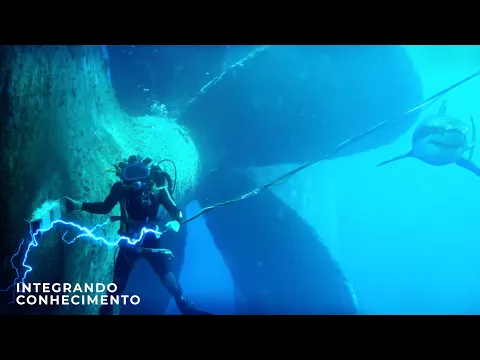

In underwater welding, direct current is preferred due to its efficiency and lower impact on weld quality with depth. The process also includes measures to counteract the effects of water and pressure, which can deteriorate the weld, such as using coated electrodes that form a protective gas shield during welding.
-
OceanPact Announces Acquisition of CBO and Creates One of Brazil’s Largest Maritime Support Structures with 73 Vessels, Annual Revenue Above R$ 4 Billion and R$ 14 Billion Backlog
-
With Extreme Winds, Giant Waves, and Unrestricted Currents, Drake Passage Is Considered the Most Violent Stretch of the Oceans
-
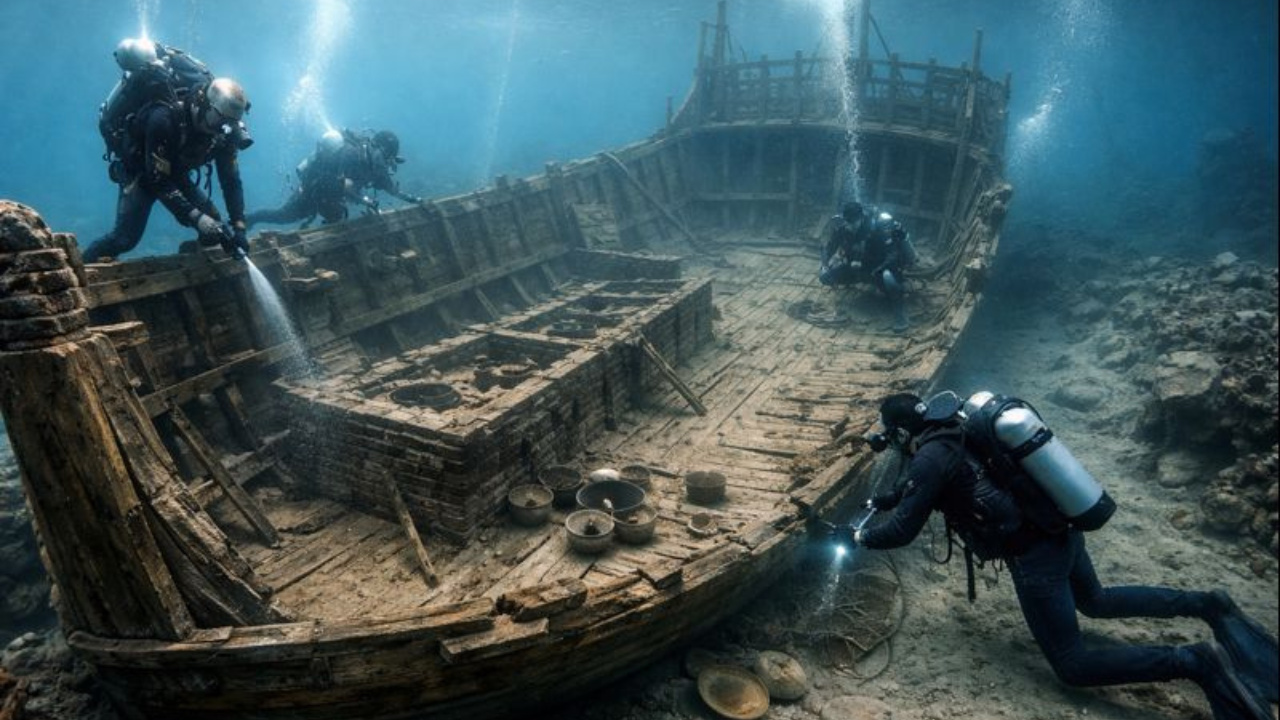
15th Century Merchant Ship Surprises Archaeologists
-
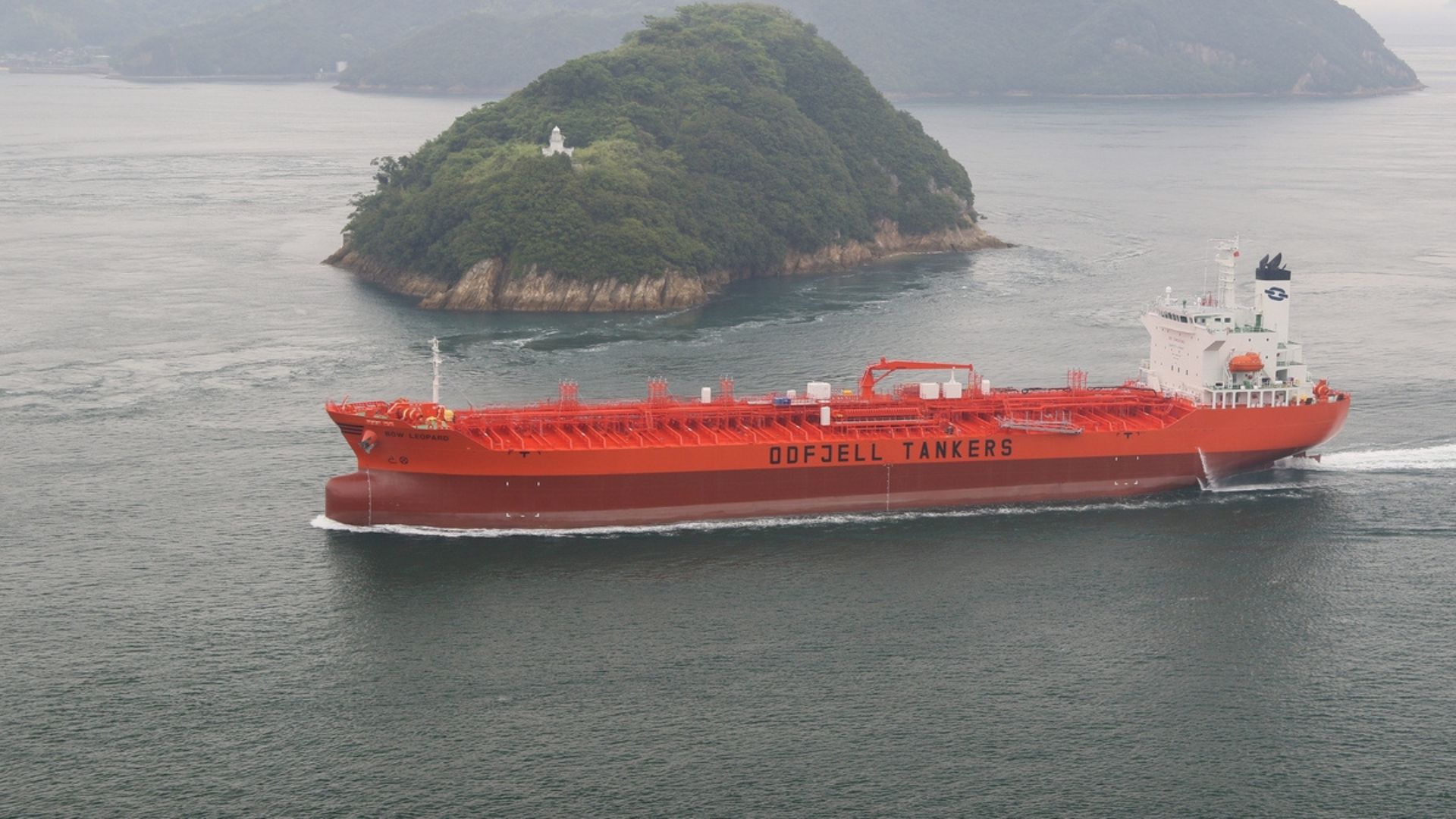
Odfjell Inaugurates First Operational Green Corridor Between Brazil and Europe Using Sustainable B24 on Maritime Routes and Reinforces Decarbonization Strategy

The challenges of underwater welding go beyond the technique itself. Welders face adverse conditions, such as reduced visibility, risks of hypothermia due to low water temperature, and dangers related to underwater pressure. Protective equipment and decompression techniques are essential to ensure safety and effectiveness in work.
In addition to wet welding, dry welding offers a high-quality alternative for work at greater depths. This approach uses special chambers to isolate the work area from the water, allowing for high-precision and durable welds.
The Future of Offshore Welding
Underwater welding is a vital skill in the maintenance and construction of maritime infrastructures, with techniques continuing to evolve to face the challenges of the offshore environment. The welding class demonstrates not only technical competence but also courage and innovation, ensuring the durability and safety of underwater structures in the offshore world.
In Brazil, the salary of an underwater welder varies significantly, depending on experience, certifications, and the complexity of the projects they work on, especially in offshore operations in the oil and gas industry. On average, an underwater welder can earn between R$ 2,000 and R$ 5,000 per month, according to Glassdoor. Highly qualified professionals working on specific projects or extreme conditions can achieve salaries above this range, especially when involving work in deep water or high-risk conditions.






Seja o primeiro a reagir!