





 Portuguese
  English
  Spanish
  3 min of reading
  0 comments


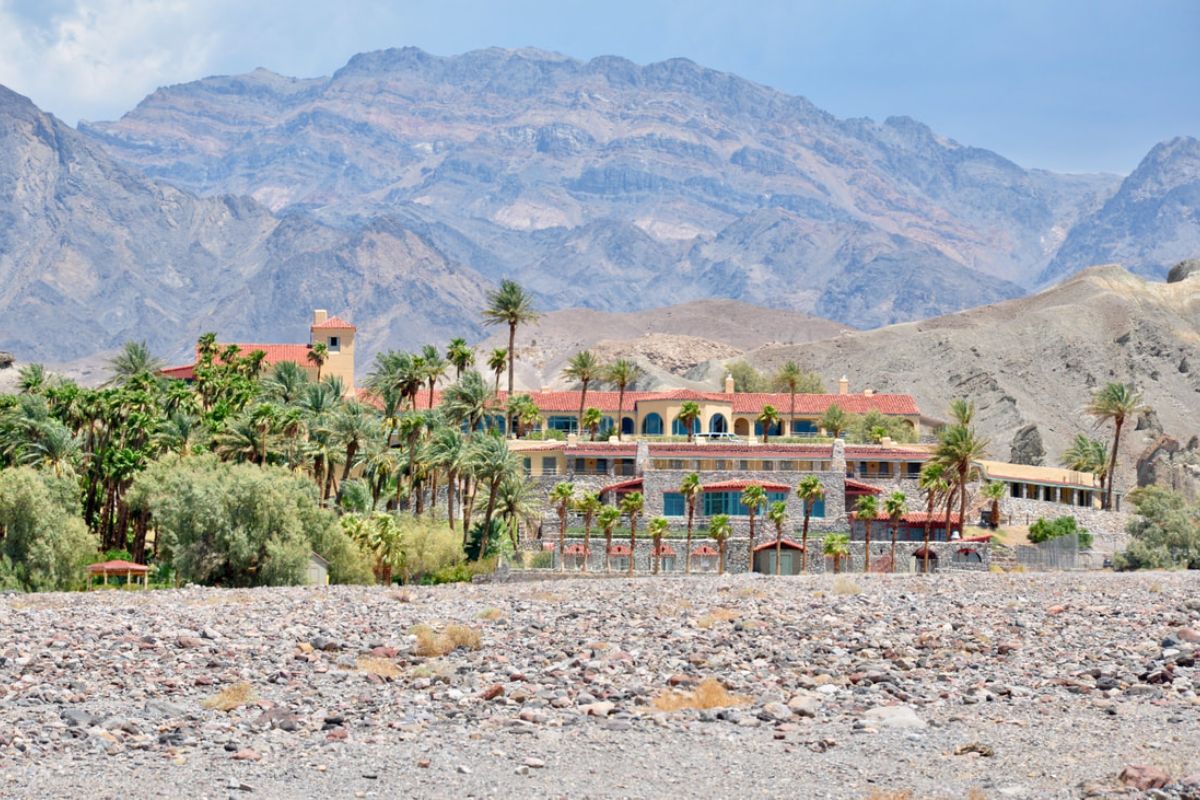
Discover The Hottest Inhabited Place On Earth, In California, Where Extreme Heat Attracts Tourists And Life Survives The Record Of 56.7°C And A Soil That Has Reached Boiling At 93.9°C
Death Valley, California, is officially the hottest inhabited place on Earth. It is not an exaggeration. On July 10, 1913, thermometers in a locality called Furnace Creek recorded the highest air temperature in history: 56.7 degrees Celsius. This place of superlatives, which is also the lowest point in North America, is a landscape of extremes that paradoxically attracts life and a peculiar type of tourism.
In 2025, the fascination with its extreme heat gave rise to “temperature tourists”, people who travel from all over the world to feel what it’s like to be in the Earth’s oven, especially during recent record-breaking heatwaves. But Death Valley is more than a dangerous tourist spot. It is home to a resilient community and an Indigenous people who have called this valley their home for over a thousand years.
The Science Behind Extreme Heat
The heat of Death Valley is the result of a perfect combination of geographic factors. The valley is a long, narrow depression flanked by high, steep mountains. At its deepest point, in Badwater Basin, the altitude reaches -86 meters below sea level.
-
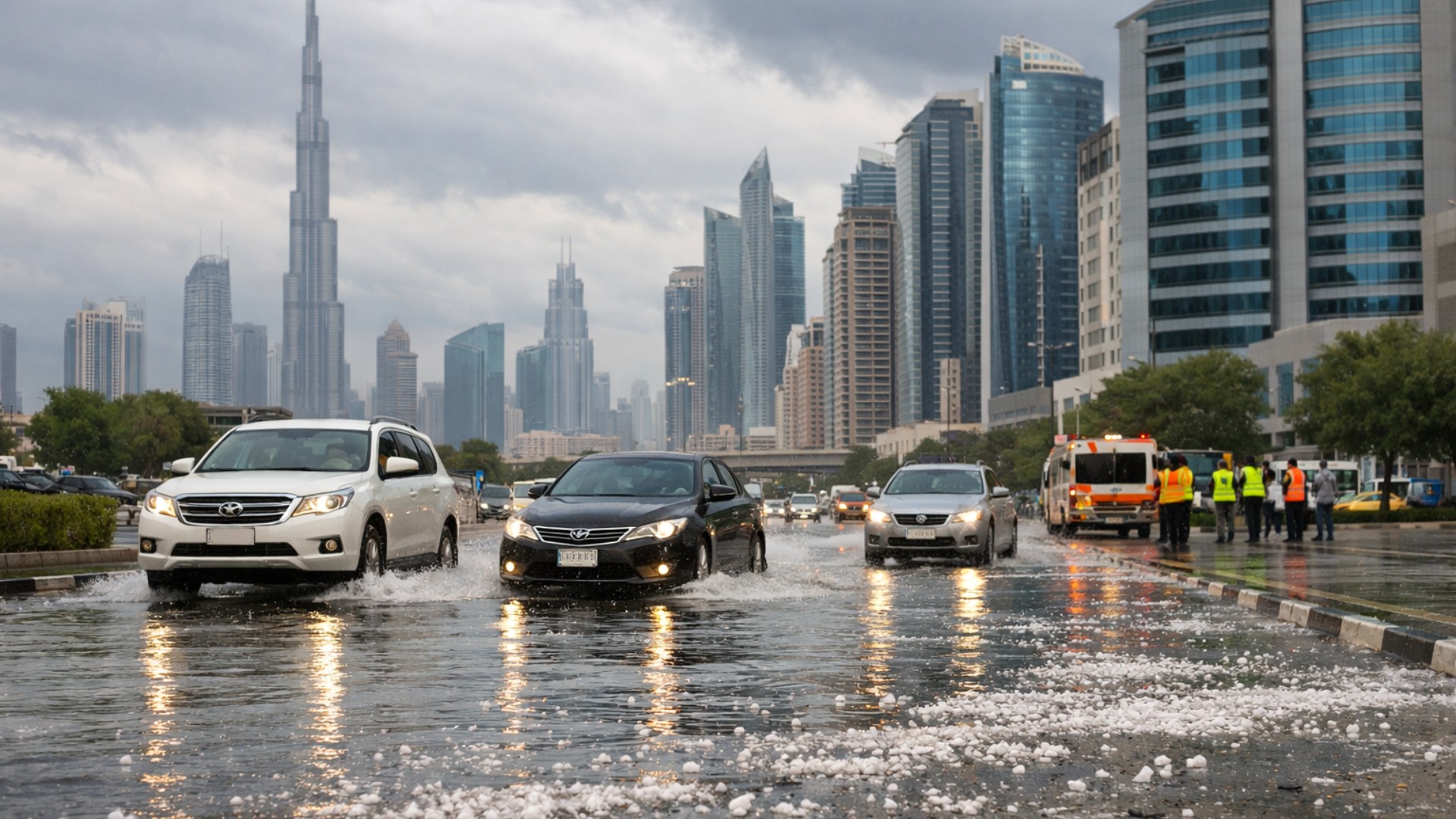
A rare storm transformed part of the Gulf into an unlikely scene of hail, extreme rain, and tornado risk in the middle of the desert, with volumes that exceeded the annual average in a single day.
-
Brazil catches the world’s attention with ships powered by ethanol and biodiesel that have lower emissions, an unprecedented certification with advantages in chartering, and a revolution in cabotage.

-
A couple who only has Sundays free has built a hand-dug pool, a hamburger joint, a dance hall, and a playground in their own home without hiring a mason, and even with breaks due to accidents and the pandemic, the work has never truly stopped.

-
Furniture made with aluminum and glass does not warp and has become an alternative to replace MDF in Brazil.


This shape creates a true natural oven. The air that descends into the valley is compressed and heats up. The high mountains block the passage of clouds and rain, making the area extremely dry. The heat that rises from the ground gets trapped, having nowhere to escape, continually reheating the valley. This dynamic explains why, in July 2024, the park recorded the hottest month in its history and why the ground temperature has reached an astonishing 93.9°C in 1972.
The Surprising Inhabitants Of Death Valley
Far from being an empty desert, Death Valley is home to communities. In Furnace Creek, a small population of National Park Service employees and concessionaires who operate the hotels and services reside. Life there is marked by isolation, with the nearest city, Pahrump, an hour’s drive away, requiring organization and self-sufficiency.
But long before it became a park, the valley was “Tümpisa”, the homeland of the Timbisha Shoshone people, who have lived in the area for over a thousand years. For them, the place is not a “death valley”, but an ancestral home rich in culture. After decades of fighting for recognition of their rights, today a small community of the tribe resides in a village within the park, partnering in the management of this extreme environment.
Risky Tourism, The Dangerous Fascination With Record Heat
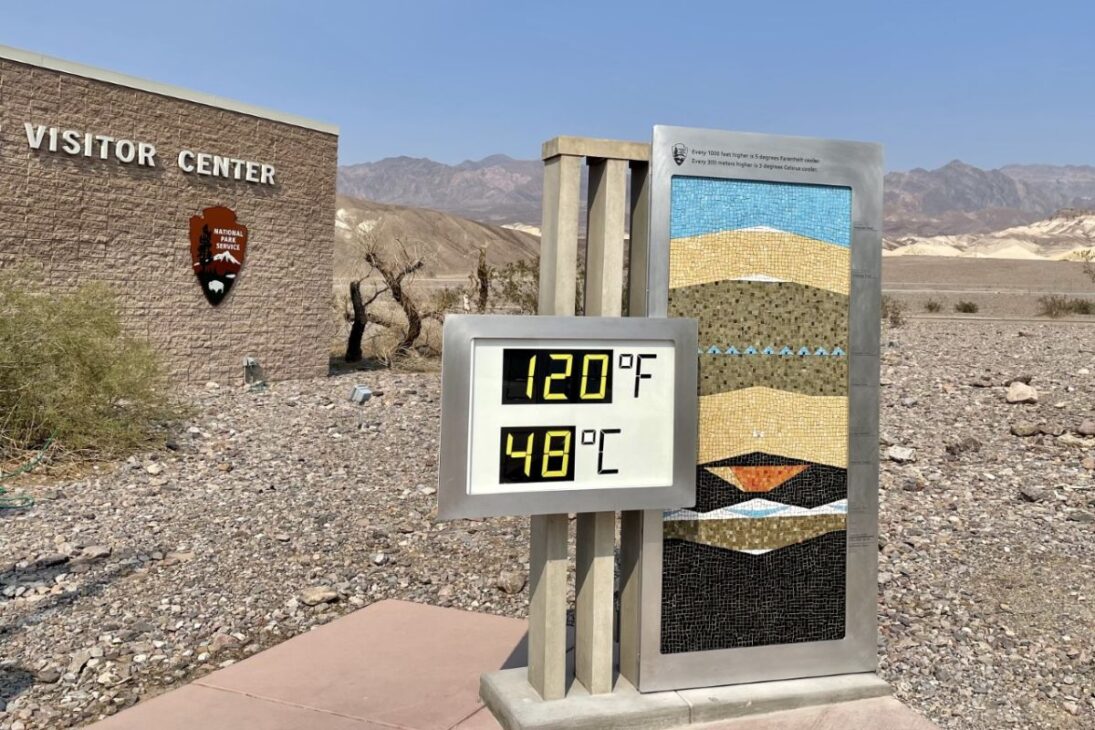
In recent years, a new type of visitor has arrived at the hottest place on Earth: the temperature tourist. Many come from Europe, attracted by the chance to take a photo next to the famous thermometer in Furnace Creek when the numbers are at their peak. The problem is that many underestimate the danger.
Despite constant warnings, it is common to see tourists walking in inadequate clothing and with little water. The result can be tragic. In the summer of 2024, extreme heat was a contributing factor in at least two fatalities, and one tourist suffered second-degree burns on his feet while walking on the hot sand. To make matters worse, rescue is a challenge, as helicopters often cannot operate in temperatures above 46°C.
The Secrets Of The Hottest Place On Earth


Despite the hostility, life has adapted in amazing ways. The kangaroo rat, for example, can live its entire life without drinking a drop of water, extracting all the moisture it needs from the seeds it eats. The rare Devils Hole pupfish survives in a cave with water at 34°C.
The park also bears the scars of its history, with ghost towns like Rhyolite, which flourished during the gold and borax rushes in the late 19th century. Today, Death Valley serves as a living laboratory and a warning. The increasingly frequent and intense heatwaves show, in real-time, the effects of a warming planet, making this extreme place a mirror of our climatic future.







-

-

-

-

-

53 pessoas reagiram a isso.