





 Portuguese
  English
  Spanish
  6 min of reading
  0 comments



A Complete Guide That Brings Together The Main Decisions Capable Of Reducing Structural Costs, Simplifying Material Choices, Avoiding Waste And Transforming An Expensive Construction Into A Financially Viable Project Without Compromising Quality
The search for savings in building a house has become increasingly common among those dreaming of homeownership but facing high costs of materials and labor.
From a detailed analysis of the most efficient practices within a construction, it is possible to identify tactics that reduce expenses without compromising the final quality.
Below are strategies that can make a real difference in the budget and help avoid making the dream unfeasible.
-
The section of Serra da Rocinha on BR-285 is now open in Timbé do Sul: 50 m tensioned curtains and top-down technique stabilize the slope, with a stairway duct controlling the water.

-
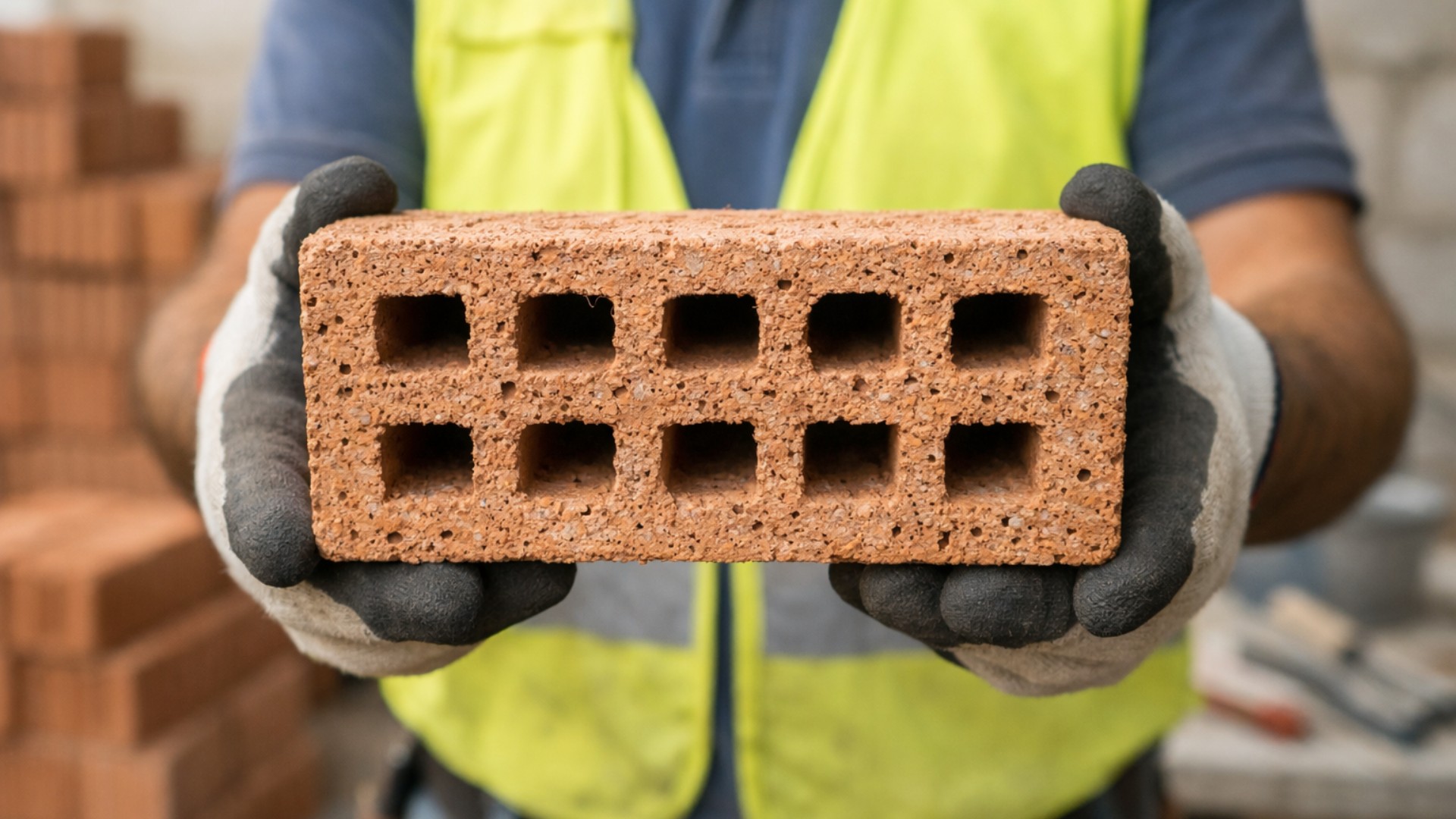
Scientists use sawdust mixed with clay to create a lighter brick, promising efficient thermal insulation and impressing by transforming waste into a solution for construction.
-
With a DNA shape, this bridge in Singapore draws attention in modern architecture and surprises tourists by transforming a simple crossing into an unforgettable visual experience in the urban heart.

-
Giant underwater pipeline begins to take shape with a R$ 134.7 million project at the Port of Santos: the 1.7 km structure uses 12-meter and 700 mm pipes to supply water to 450,000 people in Guarujá.


Careful Plot Choice
The first step in saving begins even before construction. Choosing the right plot directly influences future costs.
The slope has a decisive impact since inclines and declines may require cuts, fills, retaining walls, or more robust foundations. Flatter plots therefore represent immediate savings.
Talking to neighbors can help understand the type of foundation used in the area. This provides a preliminary sense of soil challenges.
Still, soil testing remains essential to correctly determine the necessary foundation.
Choosing A Single-Story House
Single-story houses tend to be more economical as they require less structure. Being lighter, they impact the foundation less and reduce the use of pillars and beams. Lighter construction methods also contribute to savings, such as EPS panels, cellular concrete or structural masonry.
The choice depends on the plot since single-story houses occupy more area and may require two floors on small plots. However, whenever possible, a single-story house tends to offer a better final cost.
Avoiding The Use Of Slab
The absence of slabs brings a significant reduction in the weight of construction and structural costs. In addition to eliminating concrete pouring and curing steps, the work becomes faster. To minimize heat or noise, the use of sandwich tiles and internal ceilings can be an efficient solution.
A built-in roof is an alternative, as long as it is executed correctly to avoid infiltrations, with special attention to gutters and drip edges. This model often causes apprehension, but problems typically arise from execution failures.
Utilizing Natural Ventilation And Lighting
Reducing the need for artificial lighting and air conditioning generates immediate and future savings. Strategies such as cross ventilation make spaces more comfortable without increasing costs. Translucent tiles can create efficient skylights when well integrated into the ceiling.
It is important to avoid excessive glass in façades less favorable to the sun or exposed to intense heat. In small plots, indoor gardens arise as a solution to bring light and ventilation. Standardized windows also reduce costs.
Integration Of Internal Environments
Integrated environments reduce the use of walls, coverings, baseboards, and painting. This solution also improves natural ventilation and lighting, contributing to lower energy costs.
Integration can be maintained even with visual separation strategies, such as lightweight decorative elements.
Reduction In The Use Of Stone
Natural stones significantly raise construction costs. Although essential in points like sills and thresholds, it is possible to reduce their presence in other details, such as stairs, countertops, fillets, bars, or coping. Using a single flooring throughout the house avoids unnecessary thresholds. In areas where use is unavoidable, opting for simpler models helps the budget.
Conscious Choice Of Countertops
Countertops represent another critical point of savings. Granite offers a good balance between cost and benefits, but it is important to choose models that fit the budget. Alternatives such as concrete or wood countertops can reduce costs, although they require additional care.
Avoiding Covering All Walls In The Kitchen And Bathroom
Completely covering bathrooms and kitchens can unnecessarily increase the construction budget. Using covering only in wet areas, such as inside the shower or behind the sink, and applying suitable paint on other walls is a simple way to reduce costs. Acrylic, epoxy or rubberized paints make this choice viable.
Using Plaster Coating In The Internal Area
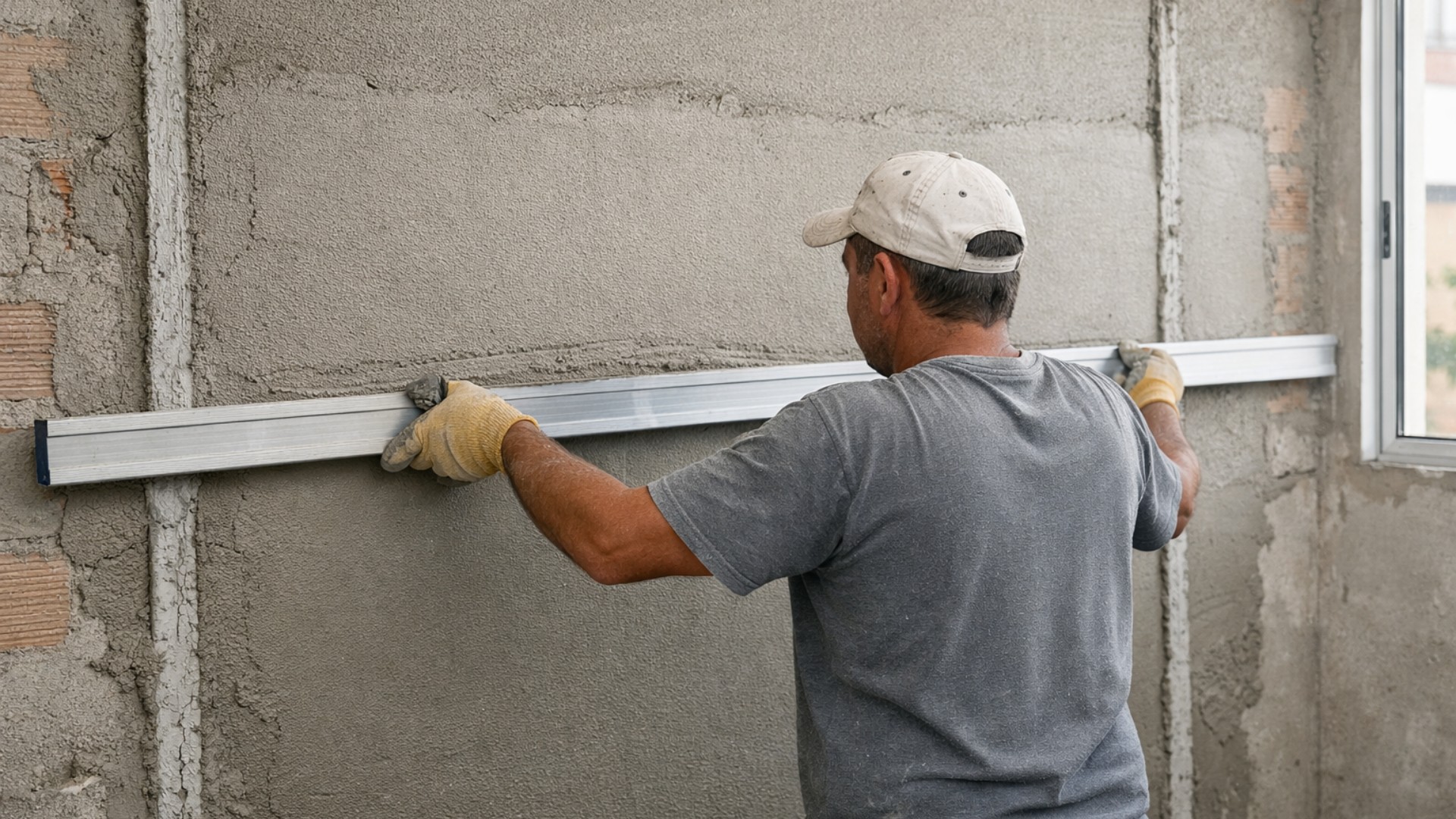
Plaster coating directly on masonry reduces costs and allows for immediate painting without further finishing.
When combined with adequate waterproofing of façades, it prevents moisture issues. It is possible to hang objects on plaster walls using the correct type of anchors.
Simple And Affordable Coatings
There are porcelain tiles and ceramics with very different prices. Simpler models meet most needs well and are crucial for those looking to save. Satin and rectified pieces facilitate combination and reduce the amount of grout. Floor tiles with minor imperfections can be used in secondary areas, such as laundry rooms and storage.
Baseboards With The Same Flooring
Cutting the floor to create baseboards reduces costs compared to polystyrene or wood models. This technique requires only purchasing an extra amount of flooring.
MDF can be used, provided the house does not adopt cleaning with abundant water.
Modular Furniture In Place Of Planned Furniture
Modular furniture is cheaper as it follows standard sizes, allowing for assembly in stages. Although it leaves small spaces remaining, these can be closed with gypsum or simple woodworking. They also allow for future changes since they can be moved to another house.
Minimalism As A Strategy
Reducing decorative items and prioritizing function over visual excess helps the budget and avoids spending on dispensable elements.
In this style, simplicity becomes an ally of savings.
Stainless Steel Faucets Instead Of Colored Models
Stainless steel metals tend to be cheaper and neutral, adapting to any decor style. Colored faucets can drive up the budget and limit combinations, except for black versions, which are also more versatile.
Using Plaster Tiles In The Ceiling
Drywall is effective but costs more. The tile version becomes a more affordable alternative when installed correctly, with special attention to the edges to prevent cracks.
In some cases, it is even possible to leave the slab exposed or use surface-mounted luminaires to simplify even further.
Complete Bathroom Kits
Accessory kits such as towel racks and toilet paper holders are cheaper when bought together. In homes with more than one bathroom, this savings becomes even more significant.
White Appliances
Although less valued visually, white appliances are cheaper. Opting for a traditional stove instead of a cooktop with a separate oven also reduces costs. The priority should be the budget when money is tight.
Postponing Pool And Leisure Area
Building a pool or gourmet area represents a high investment. When the focus is on saving, the priority should be to finish the house.
These structures can be left for a later time, with the installation waits already planned.
External Texture In Place Of Paint Or Covering
The texture has greater durability, requires less maintenance and better protects against moisture. Moreover, it can be applied to façades with different volumetries, creating a pleasing aesthetic at a lower cost.
Adopting these twenty strategies shows that saving in construction relies less on random cuts and more on intelligent decisions throughout the entire process.
When each step is planned with care, from plot selection to material choices, the impact on the budget becomes significant without compromising the quality of the house.
This set of choices allows the project to progress safely, reduces waste, avoids unnecessary expenses, and keeps alive the main goal: to complete the construction within viable possibilities.









Seja o primeiro a reagir!