





 Portuguese
  English
  Spanish
  3 min of reading
  0 comments


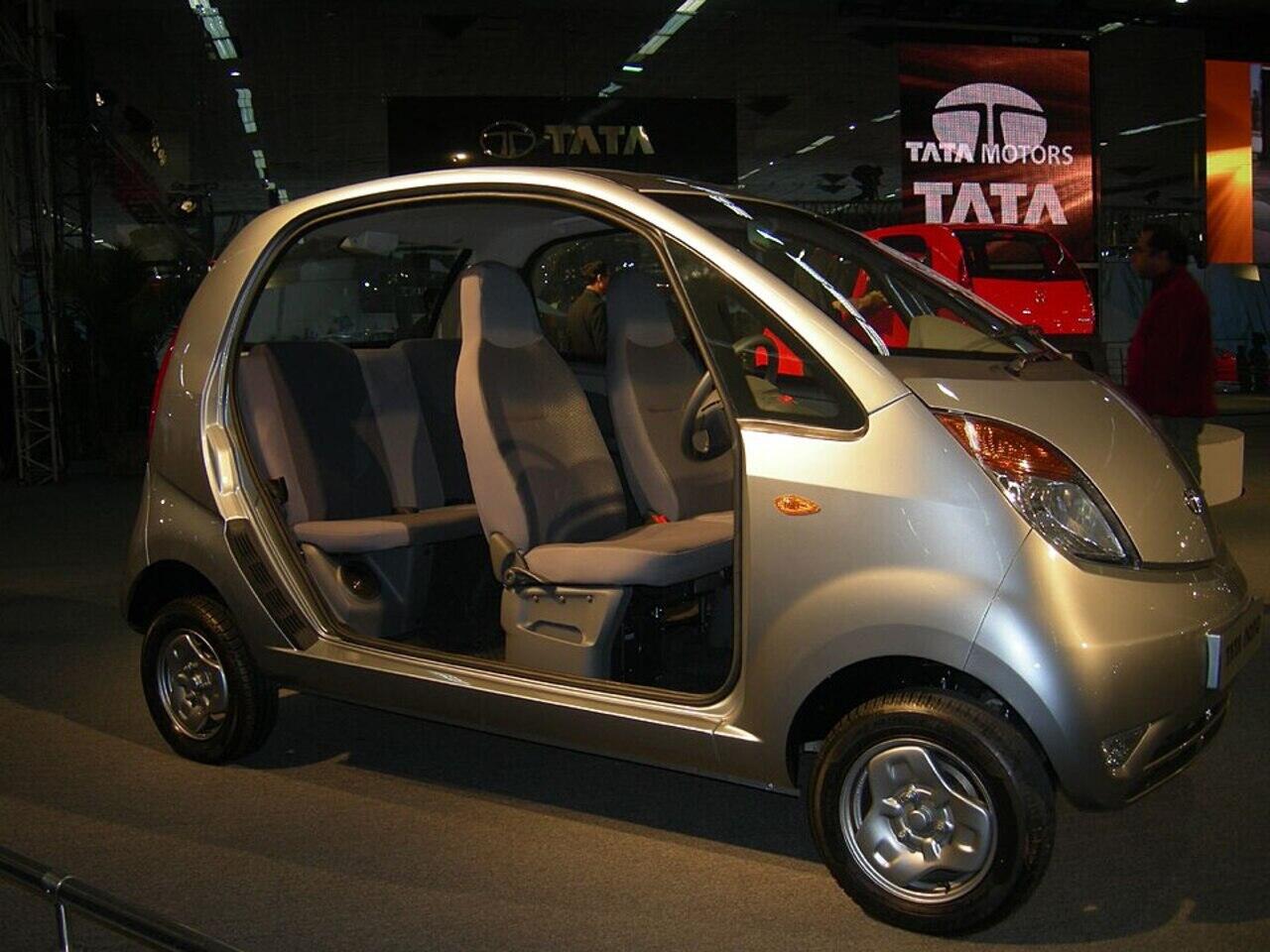
Promised As A Revolution In Indian Mobility, The Tata Nano Did Not Convince Consumers And Ended Production With Sales Well Below Expectations
The promise was bold: to launch the world’s cheapest car and change the mobility of millions of people. But what started as an ambitious idea ended as a failure in sales and reputation. The Tata Nano, launched in India in 2008, ceased production in 2018, with numbers far below expectations.
World’s Cheapest Car: Simple Design And Cost-Cutting
The Tata Nano was designed as an extremely economical subcompact. Equipped with a two-cylinder engine and 37 horsepower, the car had a manual transmission and simple design.
The initial price was three thousand dollars — about 25 thousand reais in 2025.
-
Less than a Tera TSI, up to 710 km of range and charging in 9 minutes: the new BYD Song Ultra expands the Chinese brand’s bet on increasingly faster, more technological, and competitively priced electric SUVs.

-
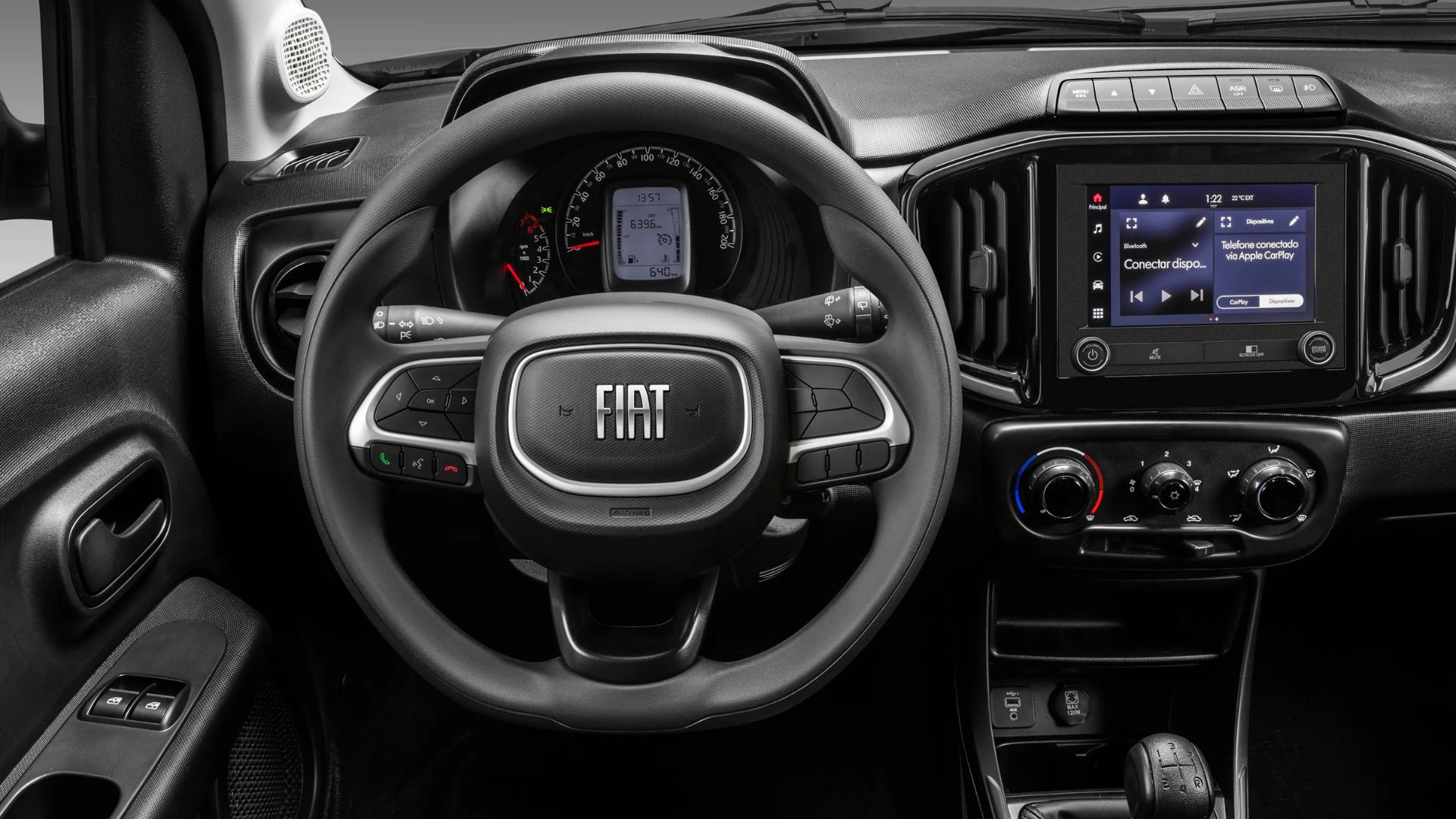
With a 1.0 engine producing 75 hp and costing less than R$ 70,000, Fiat’s car returns to the podium as the cheapest in the country; a temporary promotion for the 2026 Like version reduces the price of the Fiat Mobi.
-
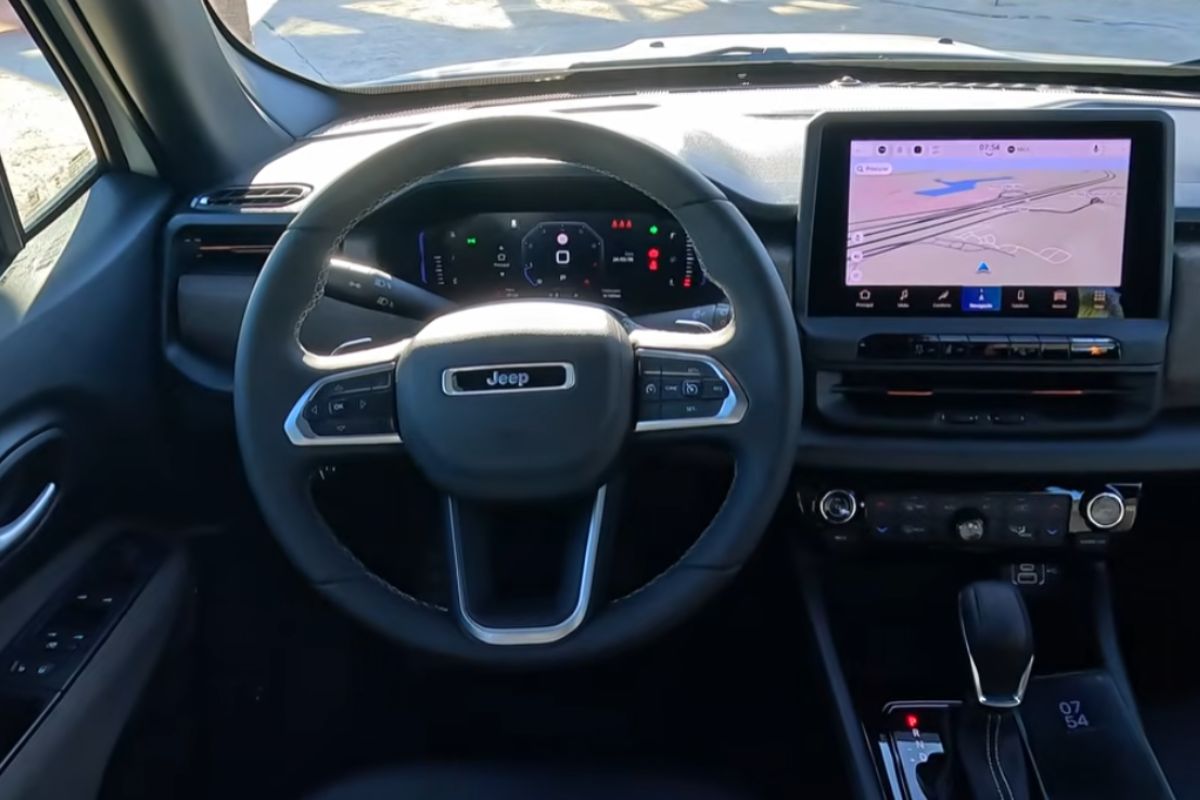
With a mild hybrid system of 48 V, 176 hp and a price of R$ 175,990 in the Sahara version, the new Jeep Renegade changes mostly on the inside, improves slightly in fuel consumption, and remains almost the same car.
-
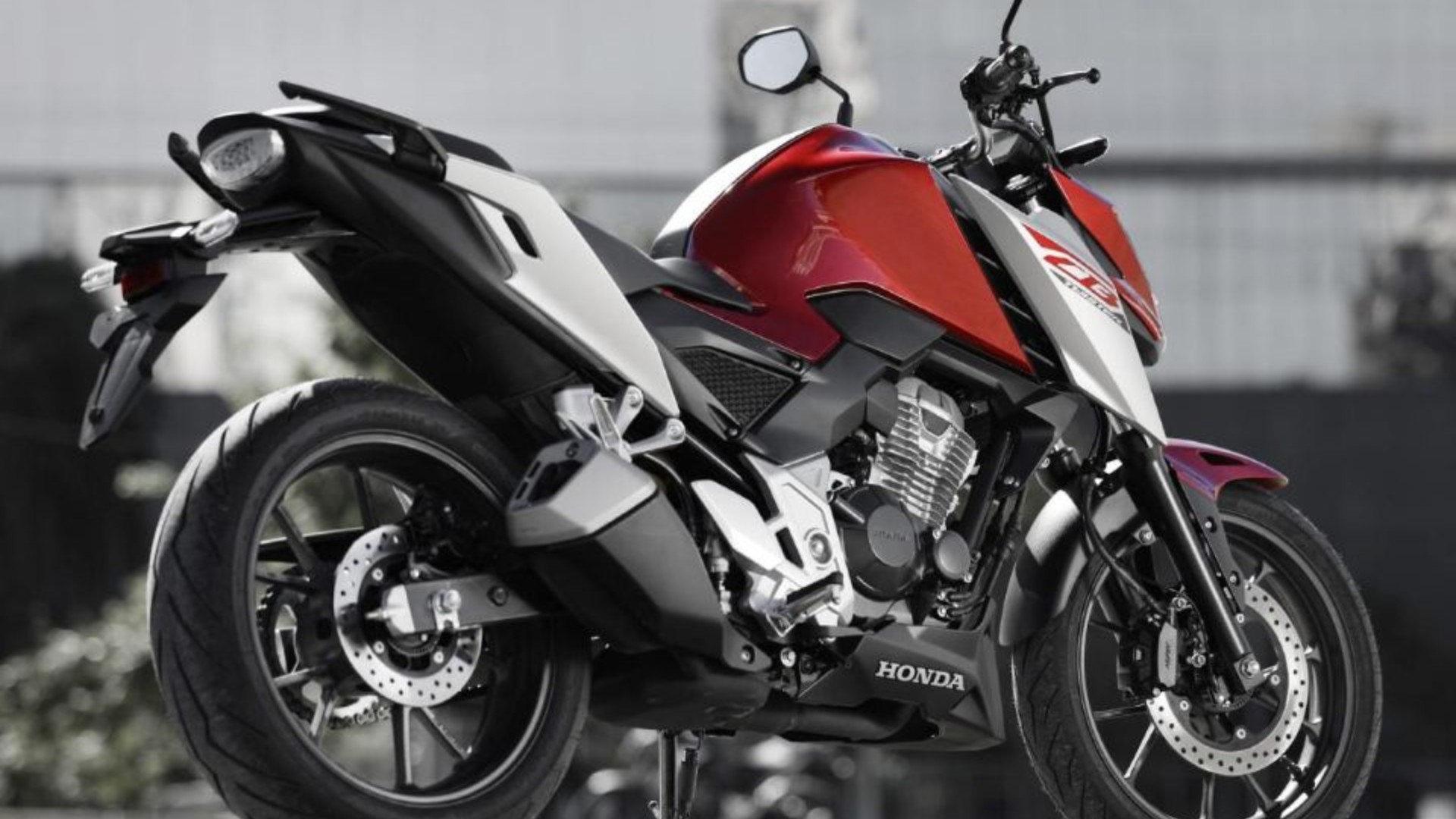
With a 293.5 cm³ engine and a range of up to 400 km with a 14.1-liter tank, the Honda CB 300F Twister 2026 has up to 24.7 hp, an initial price of R$ 25,150, and already exceeds R$ 29,000 in the Fipe Table.

To achieve this price, the Indian manufacturer Tata Motors made numerous cost cuts. Only the driver’s side had a mirror.
The windshield came with only one wiper. To refuel, the driver had to lift the front hood of the car, as there was no side access to the tank.
The interior also reflected the economic proposal. The passenger side did not have a glove compartment, just a groove in the dashboard to hold objects.
The first versions did not have an external opening for the trunk. To access the engine, it was necessary to fold down the rear seats from inside the car.
These design and structural choices also affected safety. Front collisions were particularly dangerous, and the Nano did not pass crash tests outside of India.
This made any plans for export to other markets unfeasible.
Sales Well Below Expectations
Tata Motors planned to sell 250 thousand units of the Nano per year. However, at its peak, the car reached only 75 thousand units sold.
One of the main issues faced at launch was reports of fires. Images of burned vehicles began circulating on the internet, further tarnishing the model’s reputation. The idea of an unsafe car spread rapidly.
Low Price Became A Problem
The price of the Tata Nano was also a barrier. Even with the proposal to replace motorcycles in India, the car was more expensive than them.
This drove away part of the low-income audience, which was precisely the target of the initial campaign.
Meanwhile, the audience that could afford a car viewed the Nano as a symbol of low income. The model was associated with the idea of a “poor man’s car,” which affected the status of its owners.
In practice, many preferred to invest in used cars with more comfort, functionality, and more appealing design.
The End Of The Line For The World’s Cheapest Car
The Tata Nano was a project that attempted to deliver cheap mobility but did not offer the value that Indian consumers were seeking.
Even being an economical and utilitarian car, it was marked by technical limitations, safety issues, and low social acceptance.
The end of production in 2018 marked the closure of an idea that, despite being innovative on paper, failed to capture the market in practice.
With information from Blog pecahoje.com.







-

-

-

-

-

-

27 pessoas reagiram a isso.