





 Portuguese
  English
  Spanish
  3 min of reading
  0 comments


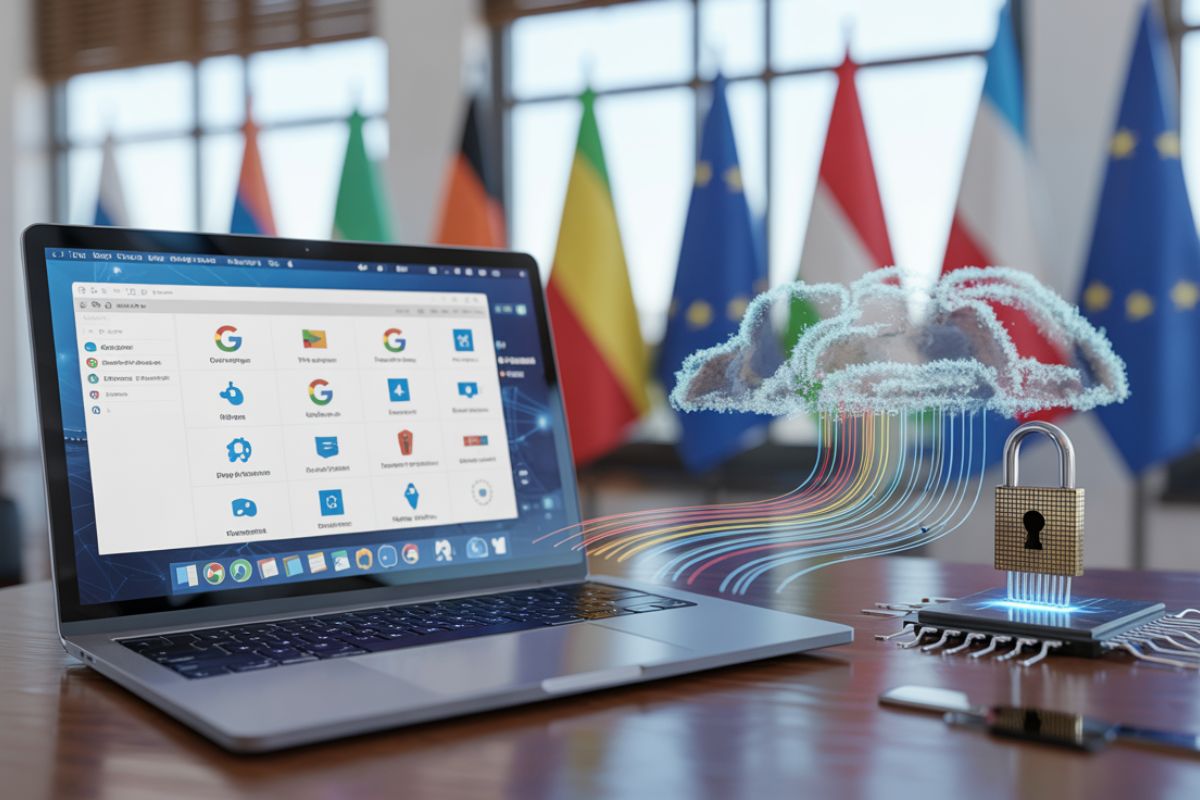
From An Operating System Of Its Own To An Open Source Search Engine, Discover The Movement For Digital Sovereignty Gaining Ground In Europe And The Alternatives Emerging To Reduce Dependence On Big Techs.
In a technological landscape dominated by American and Chinese giants, a quiet yet powerful movement is taking shape in the old continent. The question of how Europeans are trying to break free from Google and Microsoft has shifted from a theoretical discussion to a practical objective, driven by a desire for digital sovereignty, privacy, and appreciation for local production. It is a kind of “continental patriotism” that is unveiling high-quality projects and tools.
This quest for independence is not just a political reaction, but also a source of innovation. For us Brazilians, it is a unique opportunity to discover excellent software and services, many of them open-source and with a strong focus on privacy, which rarely reach our knowledge.
The Search For Digital Sovereignty
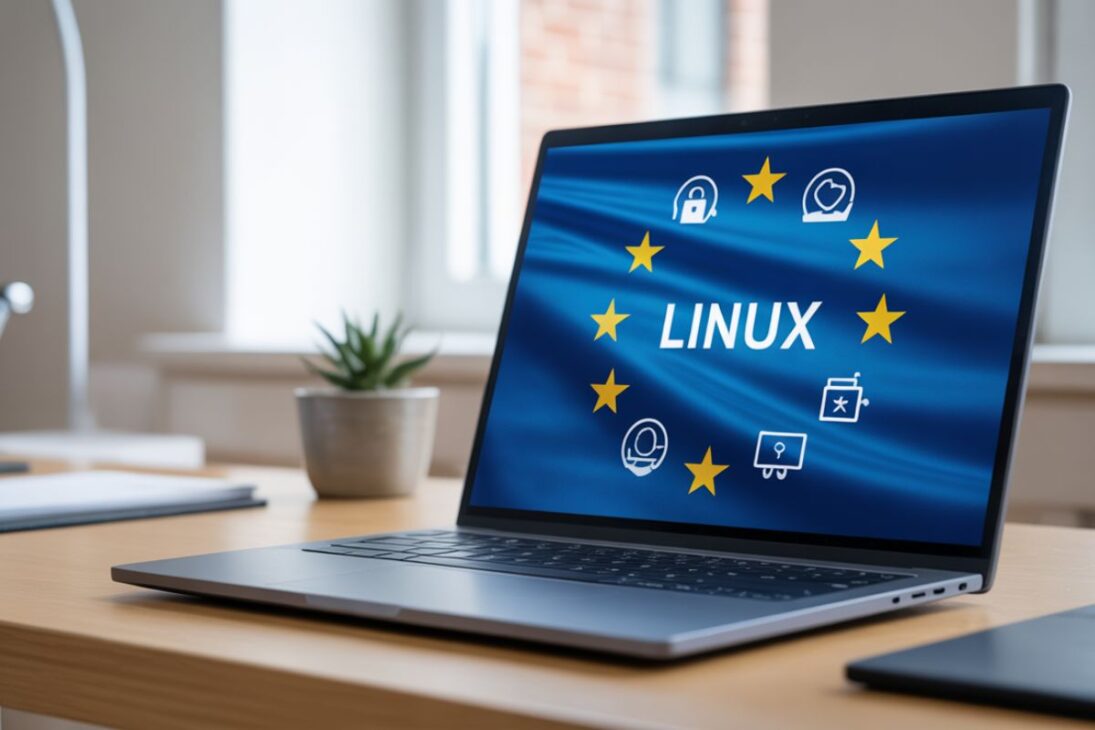
The European ambition extends far beyond simply replacing one application with another. There are large-scale projects aimed at creating a fundamentally European digital infrastructure.
-
In Mexico, a 3,000-year-old Maya site with the dimensions of an entire city may have been built as a colossal map of the cosmos, created to represent the order of the universe and reveal how this people organized space, time, and rituals.

-
Japan wants to build a solar ring of 10,900 kilometers on the Moon to continuously send energy to Earth.

-
Weighing almost 1 ton, with temperatures of up to 3,000°C, the ability to launch 10,000 fragments within a radius of 1 km, capable of penetrating concrete and melting steel, Turkey’s terrifying bomb emerges as one of the most destructive non-nuclear weapons ever presented.

-
After a submarine disappeared beneath the “Doomsday Glacier,” scientists announce a new monstrous machine capable of operating at 3,000 meters depth to return to the heart of the ice and investigate a threat that could raise sea levels worldwide.


Two examples stand out:
EUOS (European Union Operating System): one of the boldest projects is the creation of a Linux-based operating system intended for the continent’s public sector. The goal is clear: to ensure technological independence, greater security, and complete control over data, reducing reliance on systems like Windows and macOS in government agencies.
Open Web Search: on another front, the Open Web Search project seeks to create a search engine for the internet that is a completely open-source and private alternative to Google and Bing. The idea is to build an index of the European web, ensuring that search results are not manipulated by foreign corporate interests.
Finding Alternatives For Everyday Life
As the major projects progress, there are already platforms dedicated to mapping and promoting existing alternatives. Websites like Go European and European Alternatives serve as a guide for those who want to understand how Europeans are trying to break free from Google and Microsoft in practice.
The Go European website, for example, lists alternatives in various categories, from clothing and furniture to software and electronics. Exploring the technology section, we find interesting options:
Nextcloud (Germany): a powerful open-source alternative to Google Drive and OneDrive, allowing you to create your own private cloud.
Organic Maps (Estonia): a privacy-focused, offline-capable mapping app that serves as an excellent substitute for Google Maps.
Proton (Switzerland): renowned for its encrypted email and VPN services, Proton is an example of how Switzerland’s strict privacy laws foster the creation of secure tools.
“European” Means Better? The Importance Of Analysis
It is crucial to understand that the “European” label is not, by itself, a guarantee of superior quality. Many products from Big Techs are market leaders because they are indeed excellent. However, the European movement often brings with it a strong commitment to privacy, open-source, and sustainability.
Many of the listed services, for example, indicate whether they are hosted in the European Union (under GDPR protection) or if they use renewable energy in their data centers. Browsers like Vivaldi (Norway/Iceland) and Mullvad Browser (Sweden) are examples of tools that were born with privacy as a central pillar.
The big lesson from this movement is the importance of having options. Knowing how Europeans are trying to break free from Google and Microsoft shows us that innovation is not limited to Silicon Valley and that there are vibrant ecosystems creating solutions with different values and priorities.
What do you think of this quest for technological independence? Do you believe Brazil should have a similar initiative to catalog and value national technology? Share your thoughts in the comments!








-

-

3 pessoas reagiram a isso.