





 Português
  Inglês
  Espanhol
  2 min de leitura
  0 comentários


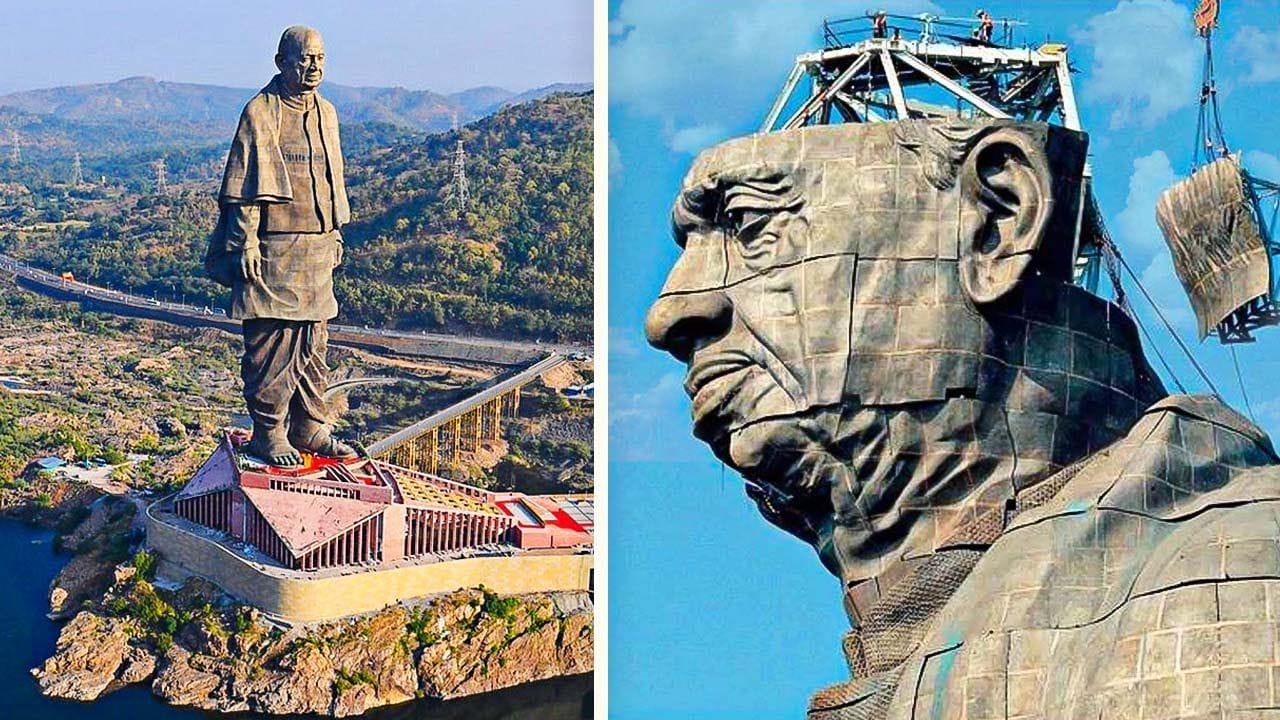
The Statue of Unity Is an Impressive Example of How Engineering and Art Can Come Together to Create Something Truly Monumental. It Represents Not Only Technical Skill and Innovation, but Also the Rich History and Culture of India.
The Statue of Unity, located in India, is not only an aesthetic wonder but also a triumph of engineering. Standing at 182 meters tall and adorned with 12,000 unique bronze panels, this 50-story statue is the tallest in the world and represents a significant milestone in modern engineering.
Foundation and Materials of the Megaproject
The statue was built in honor of Vallabhbhai Patel, known as the “Iron Man of India,” for his contribution to the unification of the princely states of India during independence. Interestingly, the foundation of the statue is made of recycled iron, sourced from agricultural equipment donated by around 100 million Indian farmers, totaling 129 tons of recycled iron.
The renowned Indian sculptor Ram V Sutar led the design team for the megaproject, creating models at different scales before arriving at the final design. After a meticulous 3D digitization process, the Chinese company Jiangxi Tongqing Metal Handicrafts was responsible for manufacturing the outer bronze layer. The construction was supervised by the New York firm Michael Graves Architecture and Design, along with Singapore’s Meinhardy Group and the Indian infrastructure giant Larsen & Toubro.
-
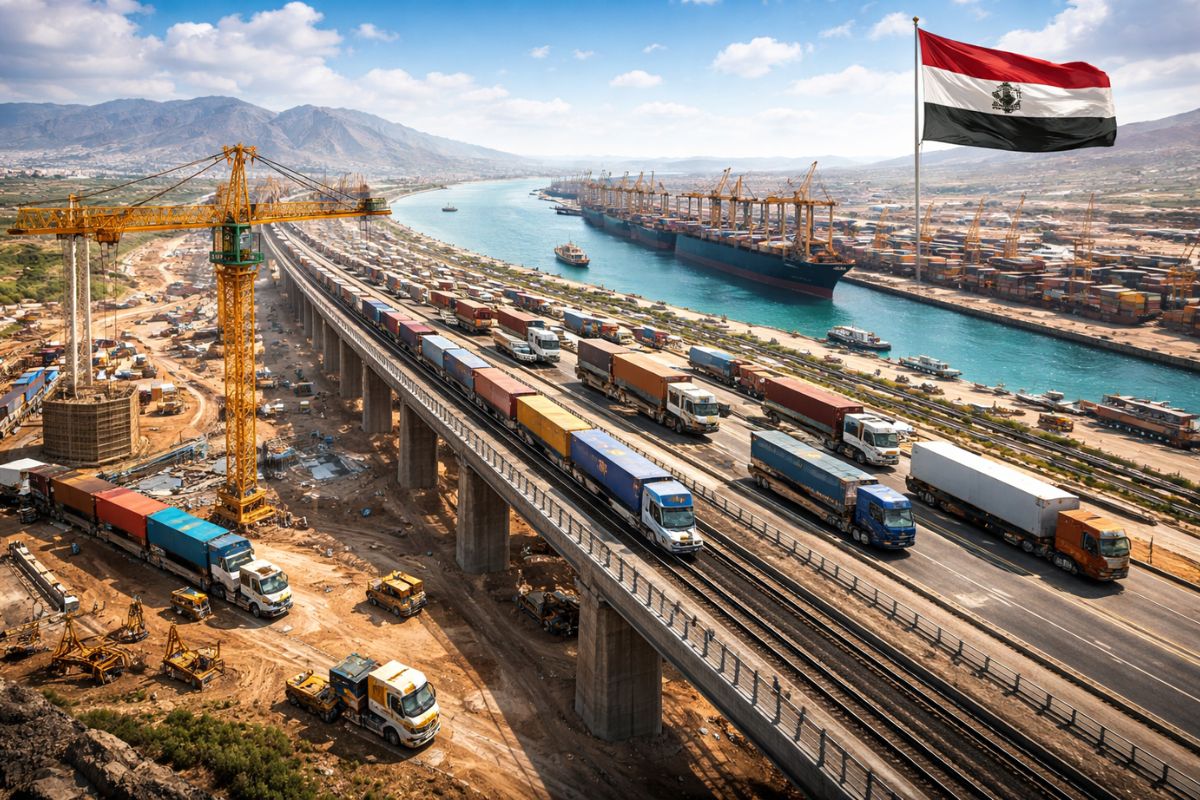
A megaproject worth R$ 89 billion is advancing in Iraq and promises to change the game in global trade by creating a new corridor between Asia and Europe, reducing traditional routes and repositioning the country as a logistics powerhouse.
-
Goodbye bedside table: floating shelves become a trend in 2026 by freeing up space in the bedroom, improving circulation, bringing visual lightness, and integrating technology without taking up floor space.

-
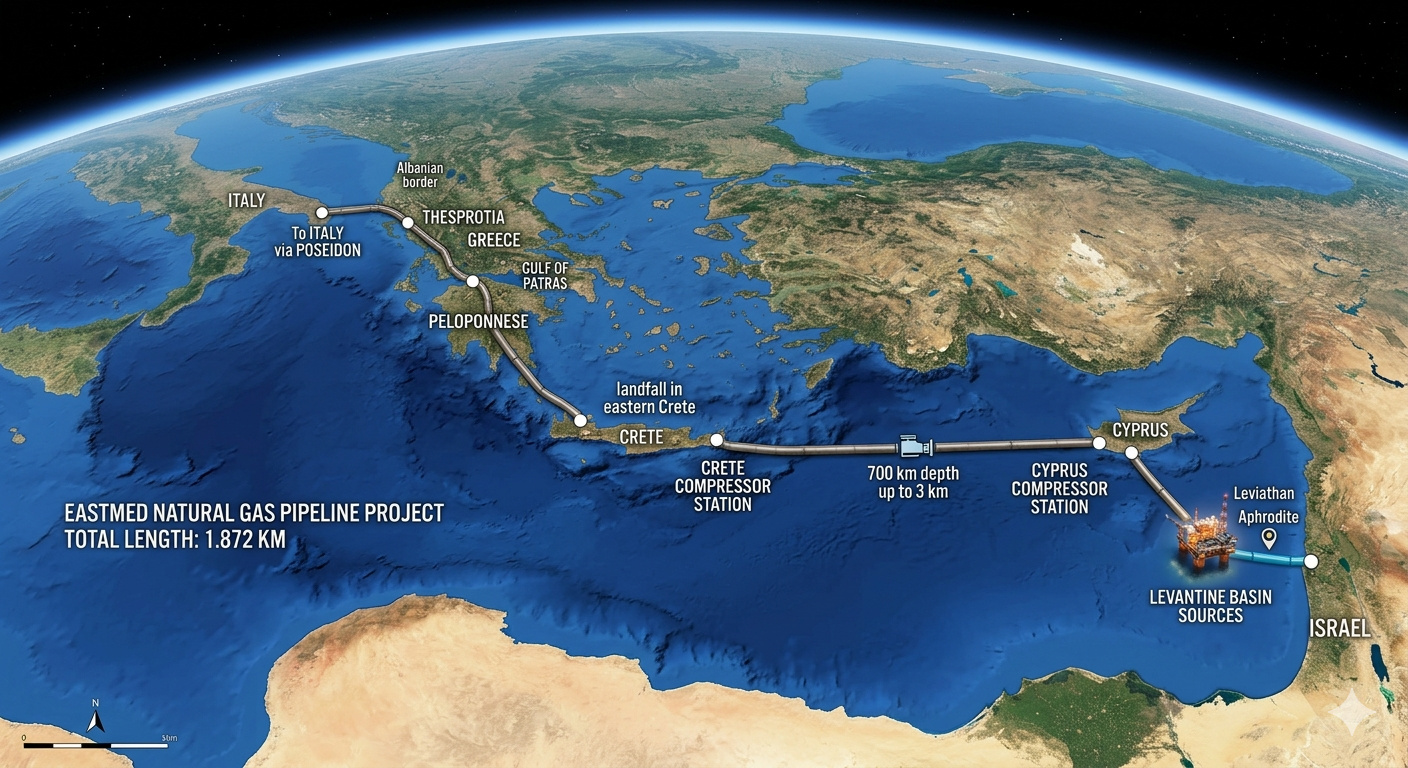
Israel, Greece, and Cyprus signed an agreement in 2020 to transport gas from the Mediterranean to Europe via a 1,872 km pipeline, but Turkey claimed sovereignty over part of the maritime route, and the project never materialized.
-
Israel, Greece, and Cyprus signed an agreement in 2020 to transport gas from the Mediterranean to Europe via a 1,872 km pipeline, but Turkey claimed sovereignty over part of the maritime route, and the project never materialized.
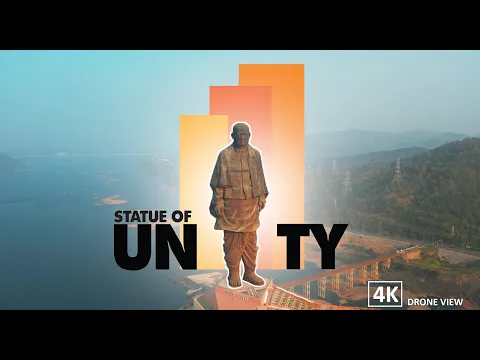

The Statue Faced Several Engineering Challenges
Primarily due to its “slenderness ratio,” which refers to the ideal proportion of width to height for tall structures. To overcome this, two separate concrete cores were created, incorporating a significant amount of cement, structural steel, and reinforced steel. Moreover, the statue was designed to withstand earthquakes of up to 6.5 on the Richter scale, as major earthquakes are common in that region.
The statue features a steel “framework space,” designed in CAD software, where the bronze panels were mounted. Each panel is unique and was designed to slightly overlap, allowing movement in strong winds and preventing stress transmission throughout the structure; the skin of the statue weighs over 2,000 tons.
In addition to the statue, the megaproject included the construction of an access road, a visitor center, and a three-star hotel with 52 rooms. The statue quickly became a popular tourist attraction, drawing millions of visitors. However, it also faced criticism for its high cost and environmental impact.










-

Uma pessoa reagiu a isso.