





 Português
  Inglês
  Espanhol
  2 min de leitura
  0 comentários



Understand How Artificial Rain Emerges as an Innovative Response to the Consequences of Global Warming and the Need for Sustainable Alternatives to Climate Change.
In a world facing the severe consequences of global warming, artificial rain emerges as a fascinating and potentially transformative solution. This technique, once a concept of science fiction, is now an increasingly applied reality to combat the adverse effects of climate change.
Artificial rain, a process developed since the 1980s, is a technique that involves the induction of precipitation through the manipulation of clouds. Essential for areas facing water scarcity, the method is performed by dispersing sodium chloride (table salt) into the clouds using specialized aircraft. This salt acts as a nucleus around which water droplets can condense and grow, eventually leading to the formation of rain.
Atmospheric Conditions
The process requires precise knowledge of atmospheric conditions, including humidity and cloud structure. Warm clouds, predominant at low latitudes such as in Brazil, are particularly suitable for this type of intervention. Studies indicate that artificial rain can increase precipitation by up to 16% in specific areas, demonstrating its effectiveness.
-
A bright yellow mushroom imported from Asia escaped from a cultivation farm in the United States in 2010 and is now aggressively spreading across 25 states, destroying entire communities of native fungi in American forests.

-
Buried under China, a colossal machine weighing 20,000 tons began operating as the largest neutrino detector on the planet and, in just 59 days, surpassed results that science took half a century to achieve.

-
Iran enters the center of a climate alert after the war emitted 5.6 million tons of CO2 in two weeks, surpassing the annual pollution of entire countries.

-
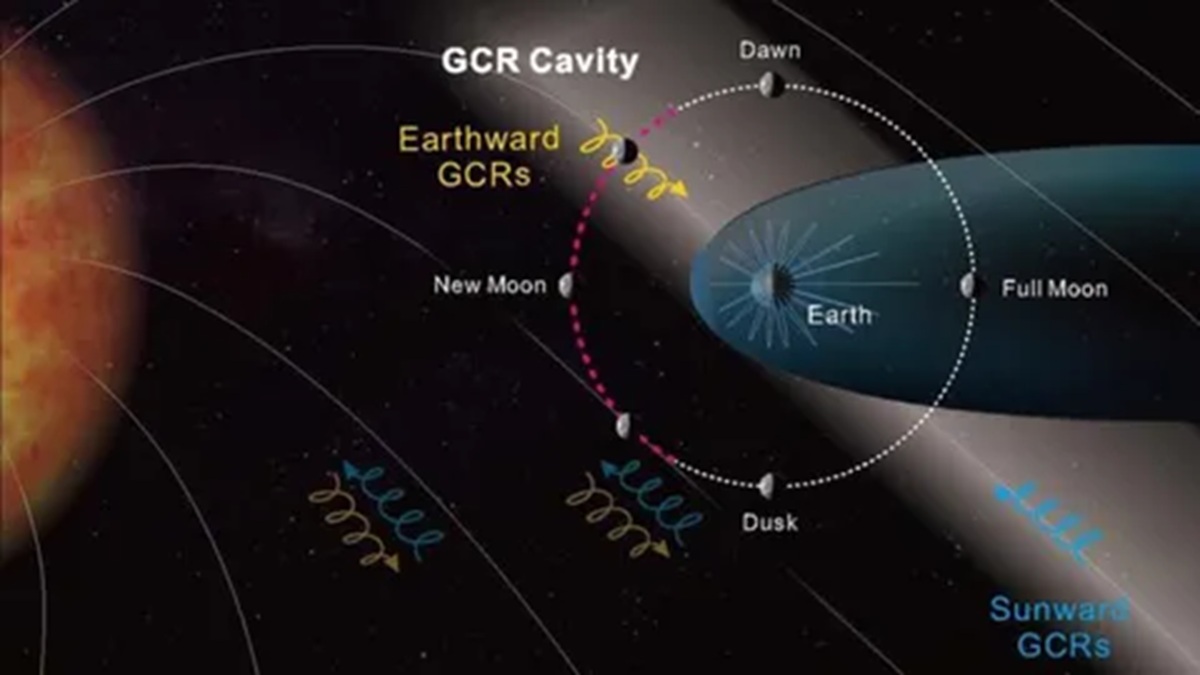
Lunar exploration may change after a Chinese probe finds a “cavity” of radiation that reduces the impact on astronauts by up to 20% at certain times on the Moon.


While artificial rain offers a promising solution to the consequences of global warming, such as drought and water scarcity, its viability remains a challenge. The costs involved in operating aircraft and maintaining specialized equipment are significant. And of course, it is crucial to ensure that the intervention does not disturb local ecosystems or cause adverse environmental impacts.
In the face of climate change and the growing consequences of global warming, artificial rain stands out as an innovative technique with the potential to alleviate some of the most pressing problems of our time. Although there are still challenges to be overcome, its ongoing application and development could provide a vital tool in the fight against extreme climate impacts.







Seja o primeiro a reagir!