Portuguese
  Spanish


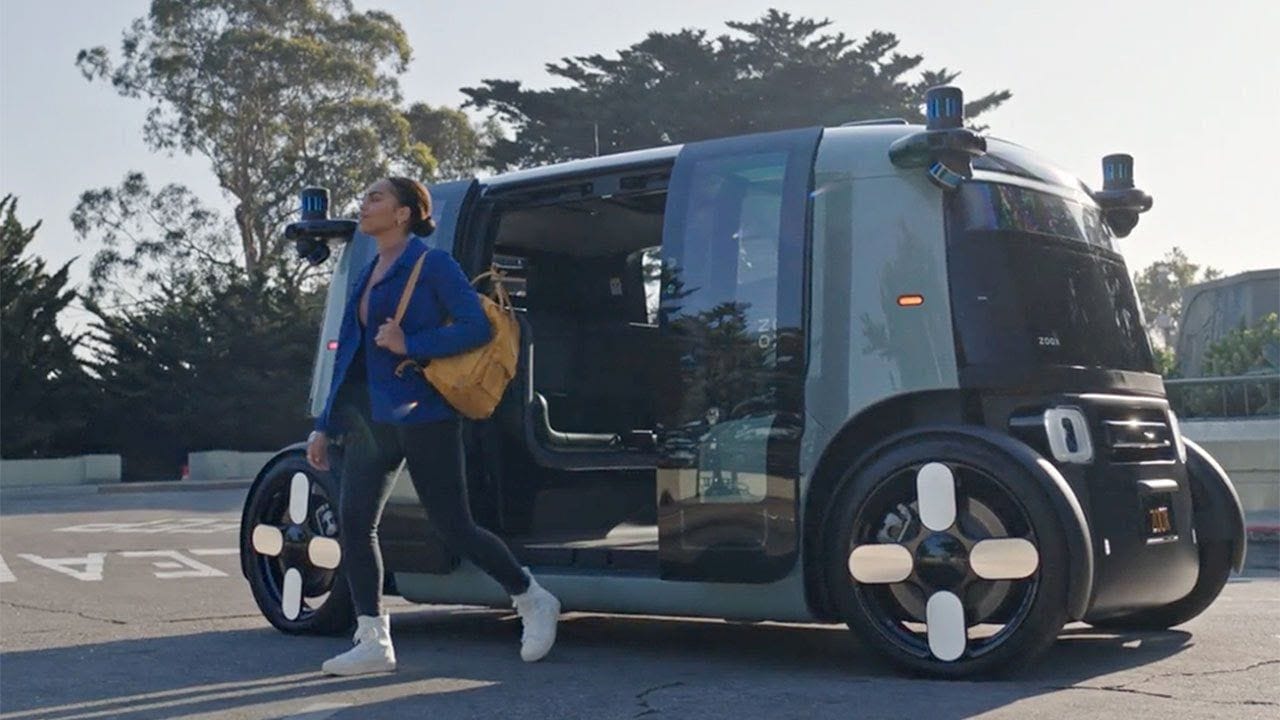

Launched In 2020, The Autonomous Electric Vehicle Zoox Promises To Transform Cities Into Safer And Cleaner Spaces.
In December 2020, a revolution in urban transport was unveiled with the launch of the autonomous electric vehicle Zoox. This vehicle, which does not require a steering wheel or pedals, is now navigating city streets, but not as you might expect.
Innovation In Manufacturing
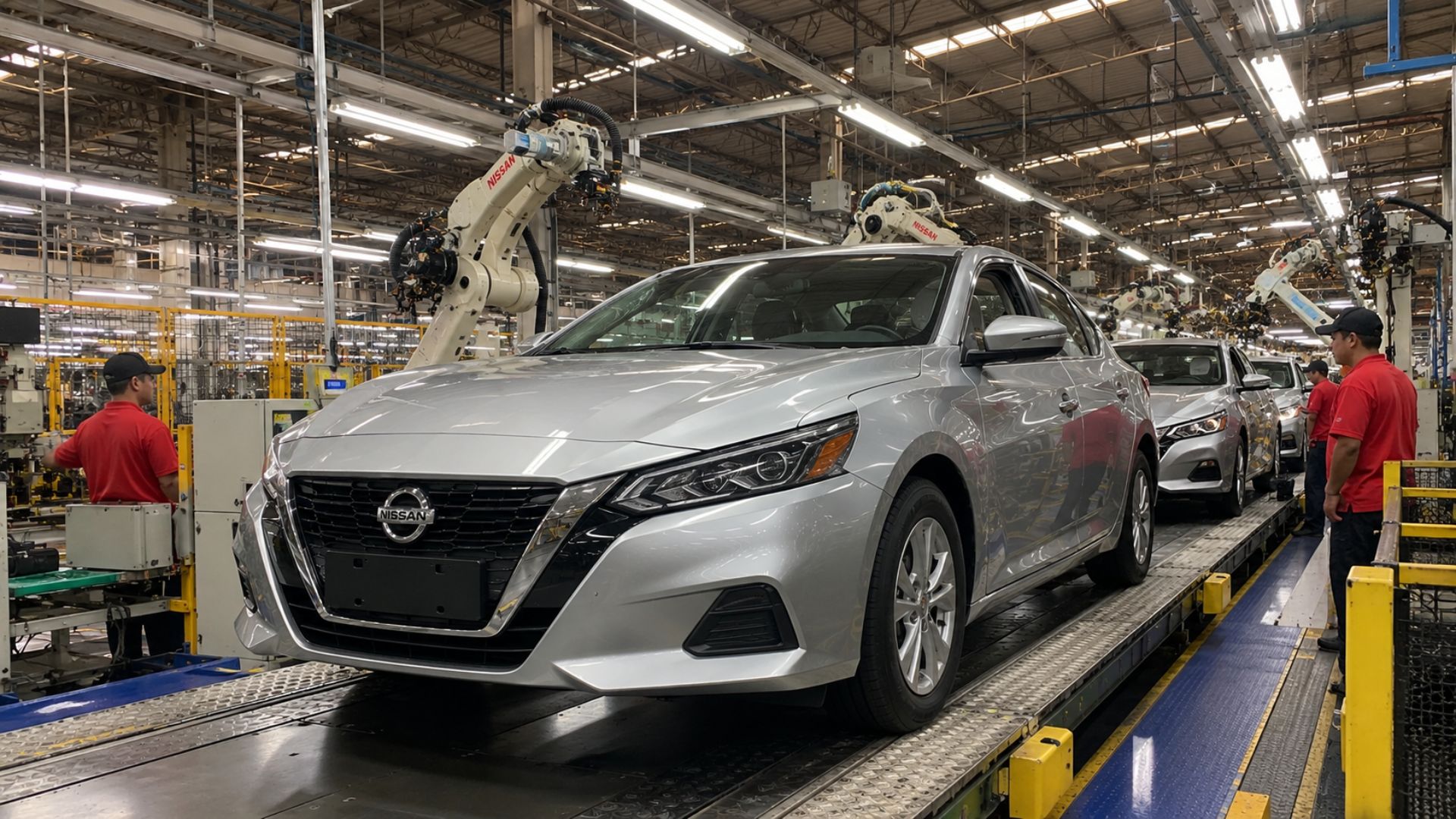
At the Zoox production facility, each component is meticulously installed by engineers, unlike traditional cars that rely on automated robots. Once assembled, the vehicle undergoes rigorous testing, including speed and maneuverability tests, as well as crash tests.
The Zoox, an autonomous electric vehicle, stands out for its ability to navigate autonomously in complex urban environments. Utilizing LIDAR (Light Detection And Ranging), radars, and optical cameras, it creates a 3D map of its surroundings, identifying roads, sidewalks, buildings, and other vehicles. This technology enables the Zoox to execute maneuvers and avoid potential hazards with precision.
-
End of an era in Brazil: beloved sedan by Brazilians is discontinued despite having a 2.0 engine with 151 hp, CVT transmission, 466-liter trunk, and up to 650 km of range.

-
New Law Proposal in Brazil Could Heavily Penalize Drivers: Dangerous Overtaking May Become a Serious Offense with Fines Increased Tenfold and a 12-Month License Suspension; Update on 2026 Progress

-
Electric Revolution: Watts W125 Motorcycle Offers 160 km Range, 90 km/h Speed, and Affordable Price Starting at $3,000
-
General Motors Replaces Over a Thousand Workers with 50 Cobots at Electric Vehicle Plant, UAW Union Criticizes Move Amid Industry’s Automation Push



Focus On Safety And Efficiency
The inspiration behind the Zoox arose from the uncomfortable fact that the majority of fatal car accidents are caused by human error. In the United States, 94% of all accidents are attributed to human errors, while in Brazil, 9 out of 10 accidents are due to human failure, according to research from the Brazilian Traffic Medicine Association. The Zoox aims to reduce this percentage by offering a means of transport that can avoid collisions and safely transport people.


Although the Zoox began circulating in some cities in early 2023, it is currently only available to employees as part of testing. Interestingly, the Zoox will not be sold to the public, but will operate as an autonomous taxi service. When its charge is low, it will automatically return to base to recharge and continue service.
If successful, the Zoox could lead to fewer car accidents, fewer fatalities, and cleaner cities with lower CO2 emissions. These are ambitious goals that the Zoox, an autonomous electric vehicle, hopes to achieve, redefining the concept of urban transport.