Portuguese
  Spanish


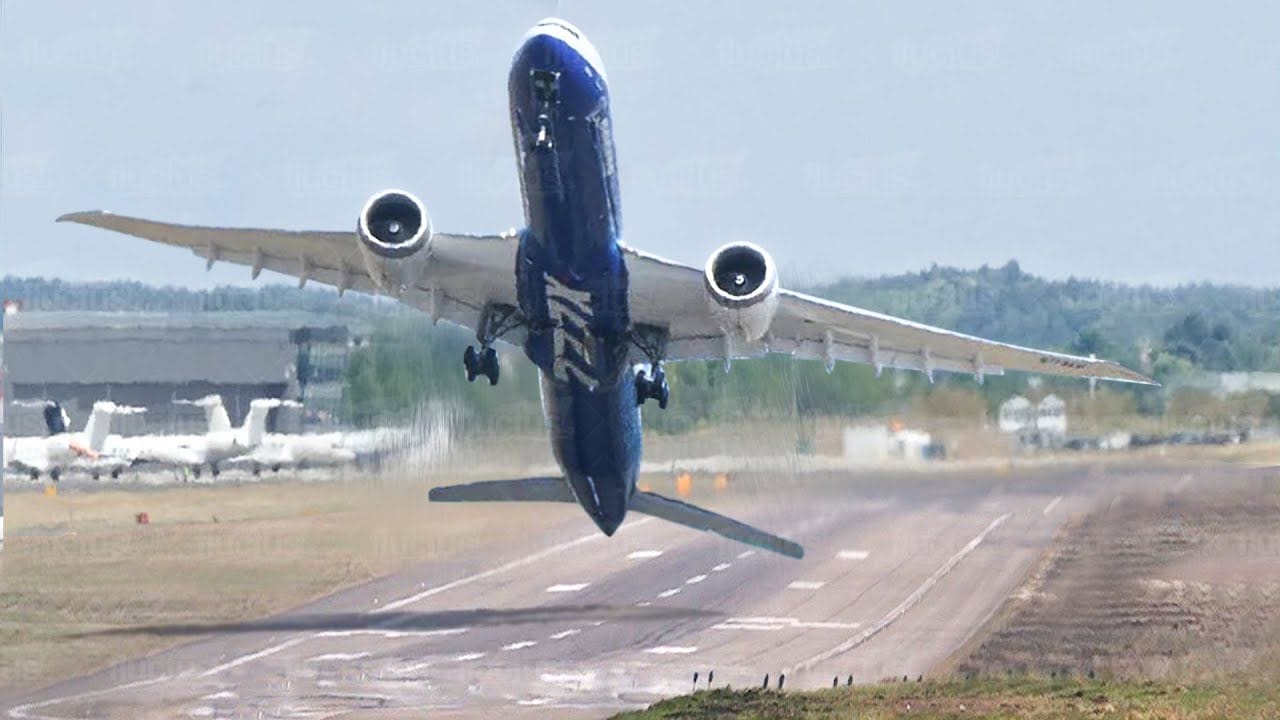

From Bird Strikes to Minimum Takeoff Speed, Airplanes Undergo Intensive Testing Before Being Approved for Commercial Use.
In the aviation world, safety is an absolute priority. Before an airplane is sold to airlines, it undergoes a series of rigorous tests to ensure its integrity and functionality. From bird strikes to aborted takeoff tests, every aspect is meticulously examined.
Scale Model Testing
One of the most important tests conducted by aviation engineers is with scale models. At Boeing’s testing facility, for example, airplane models are placed in a special wind tunnel to test various aerodynamic conditions. These models are incredibly precise, featuring functional components and perfectly scaled aerodynamics, helping to identify potential issues.
Rejected Takeoff Test
A crucial test is the “rejected take-off” (RTO), where the pilot must abort the takeoff; during this test, pilots engage the brakes at full force while the airplane is already exceeding 200 miles per hour. This procedure, while extremely challenging, is vital for ensuring the safety of the aircraft in emergency situations.
-
The Port of Itaqui closes the best first semester in history with over 17 million tons and takes off as the locomotive of the Northern Arc.

-
Brazil’s North-South Railway to Auction Two Grain Terminals in Central Tocantins

-
AI-powered traffic cameras in São Paulo now issue fines for cellphone use and seatbelt violations around the clock

-
Free Upgrade to Professional Driver’s License Categories in Over 130 Locations in Brazil, Including Exams and Courses



Bird Strike Testing
Engineers also conduct tests to mitigate damage caused by bird strikes, a common problem that can cause significant damage to civilian and military aircraft. The engines and windows, the most common targets of these strikes, are reinforced to withstand the impact.


VMU Test (Velocity Minimum Unstick)
Another fundamental test is the VMU, conducted to determine the minimum takeoff speed of an aircraft. This test is crucial to ensure that the tail of the airplane does not hit the ground during takeoff. Airbus, for example, documented one of these tests, emphasizing its importance for aviation safety.
The results of these tests are essential not only for the approval of new aircraft models by ANAC but also influence the purchasing decisions of private aviation companies like ITA. Through the tests, it is ensured that flights are safe and comfortable for passengers and crew.