





 Portuguese
  English
  Spanish
  4 min of reading
  0 comments


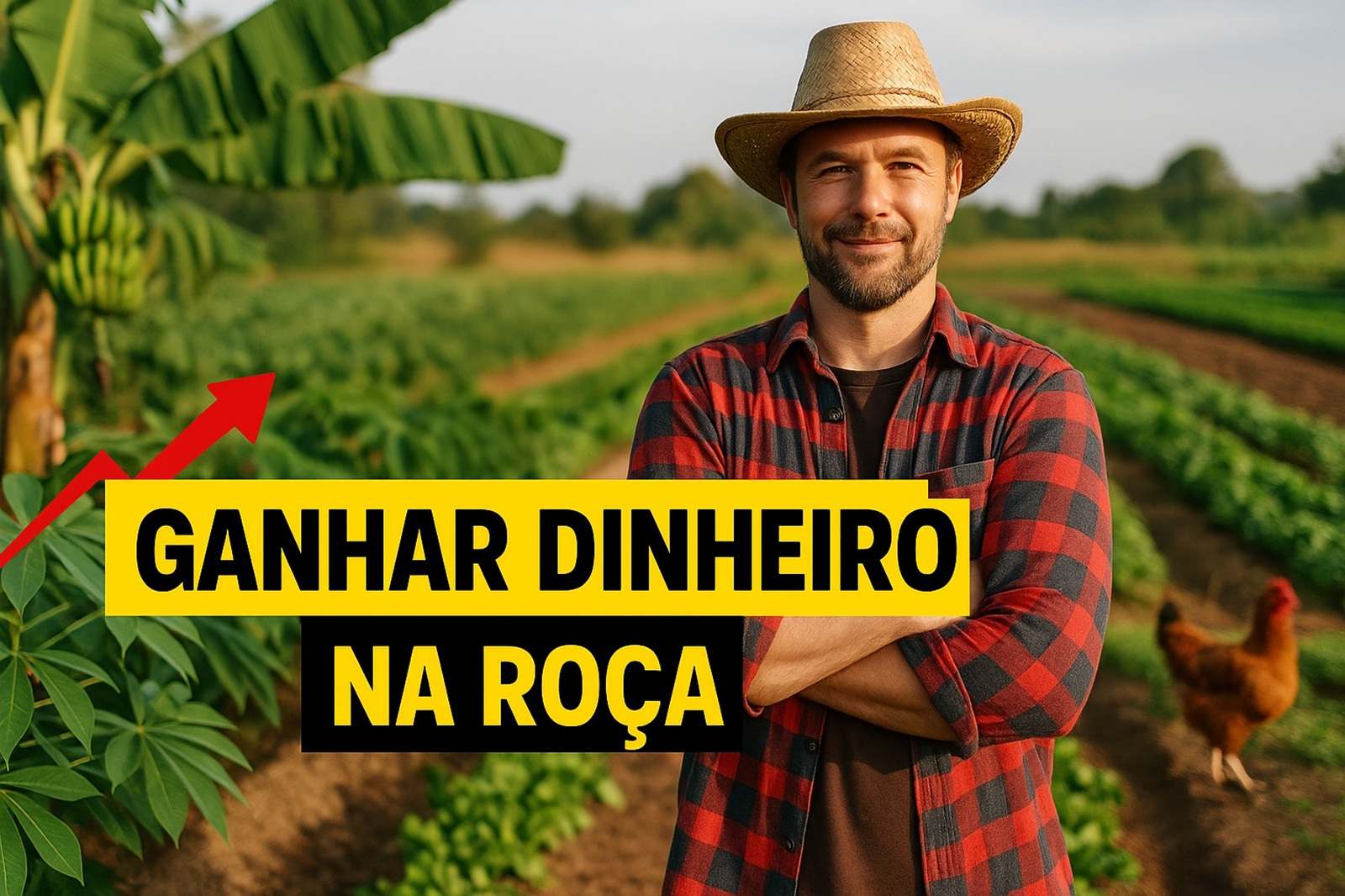
Transforming a Small Farm into a Steady Source of Income Requires Strategy, Organization, and the Right Choices. By Applying Simple and Productive Techniques, It’s Possible to Make Money in the Countryside with Weekly Harvests and Results That Surprise Even Experienced Producers
Working on a small farm can pave the way to make money in the countryside when the producer understands the potential of each crop.
Daily practice shows that, with well-made choices and organization, simple activities can generate monthly income without requiring large areas of land.
The Power of Bananas in Weekly Yield
Bananas are one of the most consistent options to make money in the countryside because, once the banana plantation begins to produce, it is possible to harvest every week. There have been periods when performance was better, but episodes of storms, droughts, and frost have harmed part of the production.
-
The water that almost everyone throws away after cooking potatoes carries nutrients released during the preparation and can be reused to help in the development of plants when used correctly at the base of gardens and pots, at no additional cost and without changing the routine.

-
The sea water temperature rose from 28 to 34 degrees in Santa Catarina and killed up to 90% of the oysters: producers who planted over 1 million seeds lost practically everything and say that if it happens again, production is doomed to end.

-
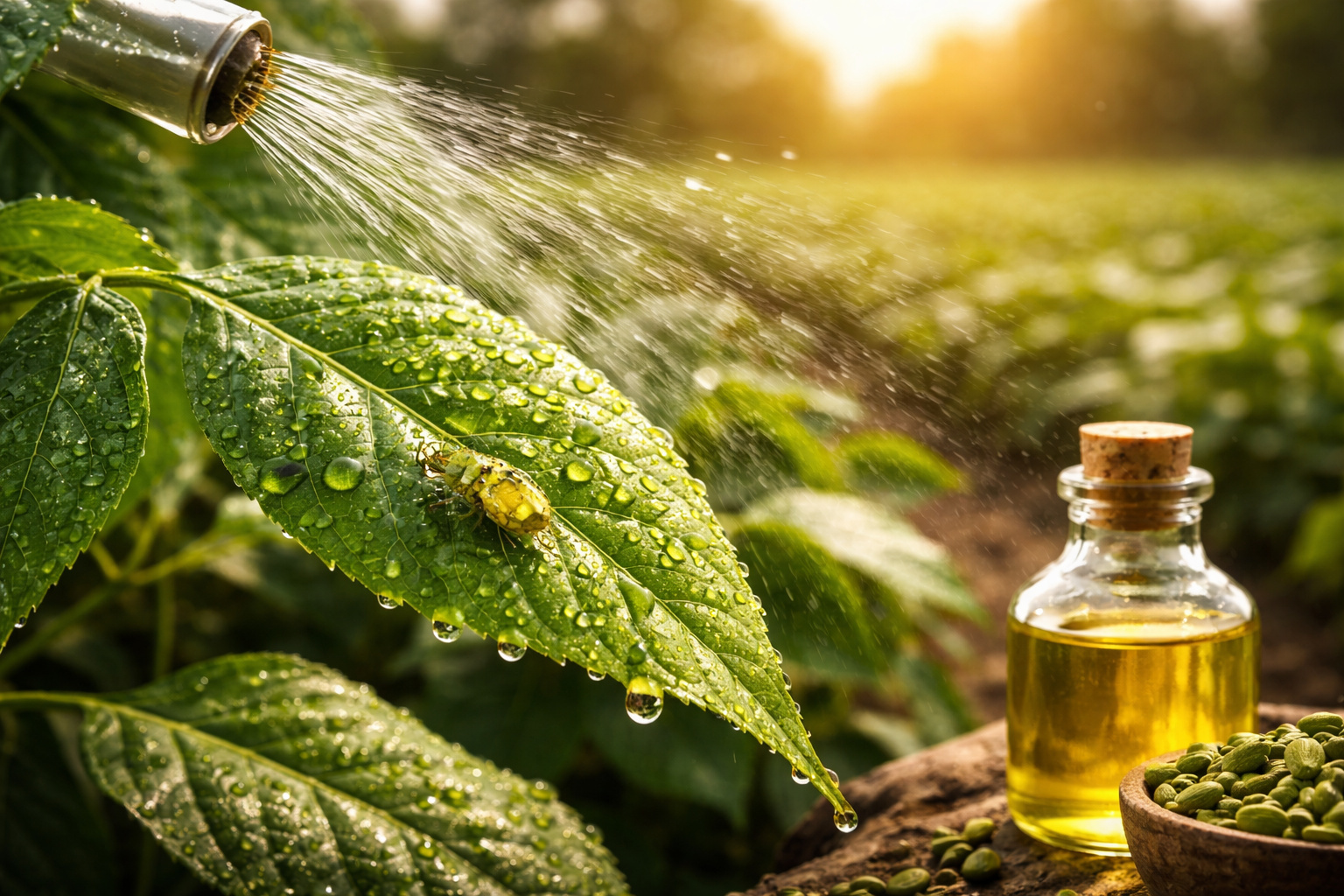
An Indian tree that grows in the Brazilian Northeast produces an oil capable of acting against more than 200 species of pests and interrupting the insect cycle, gaining ground as a natural alternative in soybean, cotton, and vegetable crops.
-
The rise in oil prices in the Middle East is already affecting Brazilian sugar: mills in the Central-South are seeing their margins shrink just as ethanol gains strength.


The consistency of income is a significant advantage, while the need for labor is the main disadvantage. In regions where frost is strong, the bunches can be burned. In the summer, drought affects development if there is no adequate irrigation.
The right management of shoots determines the size of the bunches. Keeping one plant and one shoot prevents reduced production and helps structure the banana plantation. This care is essential to prevent significant losses.
Sales occur through boxes of 22 kilograms picked with the green fruit, which ripens in controlled conditions. Ripening happens without the use of chemicals, maintaining quality and preventing the fruit from splitting or coming off the bunch.
The yield calculation per hectare, considering a thousand boxes per year, reaches 60,000 gross. With estimated costs of 30,000, the net income would be close to R$ 2,500 per month, showing that those looking to make money in the countryside find in bananas a viable path.
Cassava as a Low-Investment Option
Cassava emerges as an ideal alternative for those who do not have money to start. The cuttings used for planting can be acquired at no cost, reducing expenses to labor.
The spacing of one meter between plants and one and a half meters between rows results in 6,600 plants per hectare. With three kilograms per plant as a minimum reference, production reaches nearly 20 tons by the end of the cycle.
Selling at three reais per kilogram generates R$ 59,400 per hectare. With very low costs, the surplus is around R$ 50,000. Harvesting is simple and can be done by hand or with basic tools.
Cassava can be sold whole or peeled. The peeled version loses some weight but fetches a higher price. Markets, fairs, bars that use cassava flour, and public institutions become potential sales outlets.
This crop stands out for those looking to make money in the countryside starting with low risk, as the return appears quickly with little investment.
Vegetables and Frequent Income
The garden is identified as an activity capable of generating harvests several times a week, ensuring a constant flow of income. In an area of 400 square meters, when everything is organized, the yield typically hovers around R$ 1,500 net per month.
Shade cloth is essential in very hot regions. On days that reach 40 degrees, the lack of this structure causes seedling burns and hinders growth, reducing production until the system is redone.
Daily work is necessary, but the service is considered light, except during the bed preparation phase. The activity is accessible for anyone who wants to maintain consistency and rhythm in harvesting.
Sales can be made at the market, in stores, on the streets, through weekly baskets, or public programs. Maintaining diversity is essential to ensure a constant supply throughout the months.
Planting in different ages allows for products ready at all times. Crops like lettuce, chicory, green onions, kale, zucchini, carrots, and beets make up the system. Bell pepper and tomato require total dedication and are not included in the general consortium.
The theoretical projection of R$ 37,500 net per month on one hectare would only be possible with expanded infrastructure, greater irrigation, staff, and intense logistics. Therefore, it is recommended to start small and grow according to demand.
Chickens as a Supplement to Income
Chickens play a complementary role in the system. Vegetable scraps, cassava tops, and parts of the banana plant make up an alternative diet for the birds, reducing costs and facilitating management.
The observed rates indicate about R$ 15 net per chicken and R$ 2 net per egg. Raising them free range minimizes risks and reduces expenses with more complex enclosures, although care is needed to avoid losses.
For those looking to expand their flock, seeking municipal technical guidance is advised to organize the structure and understand the best way to market eggs and chickens in quantity.
Integrating bananas, cassava, gardens, and chickens allows for the creation of a balanced production system. Each activity complements another, especially when the producer works with planning and understands the rhythm of sales.
Experience shows that making money in the countryside depends on observing the market, starting on a small scale, and expanding only when there is certainty that it will be possible to sell all the production. This combination allows work in the field to become sustainable and aligned with the goal of making money in the countryside progressively and organized.









-

-

-

-

-

15 pessoas reagiram a isso.