





 Portuguese
  English
  Spanish
  3 min of reading
  0 comments


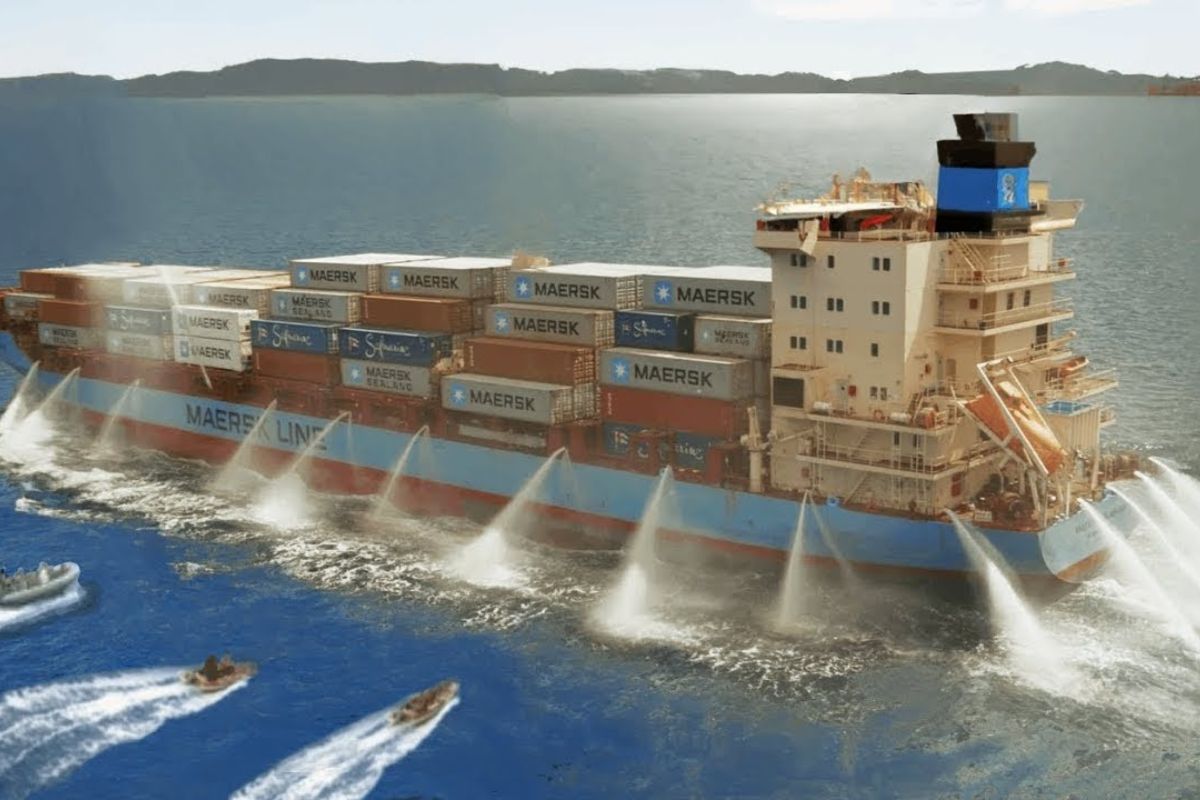
Know The Tactics And Non-Lethal Equipment Used By Commercial Vessels To Protect Themselves Against Hostile Approaches At Sea.
Armed pirates often attempt to board cargo ships in dangerous waters. To protect themselves, these vessels employ a variety of non-lethal defense methods. Tools such as water cannons, for instance, prove surprisingly effective in thwarting these approaches.
Preventing pirates from boarding is crucial, as once they do, the crew risks being taken hostage for weeks, months, or even years.
The Layers Of Defense: Deterrence And Anti-Boarding On Cargo Ships
Most cargo ships employ a strategy of anti-piracy defense in two main layers. The first layer focuses on deterrence, acting similarly to a home security camera: its goal is to discourage pirates from choosing that ship as a target.
-
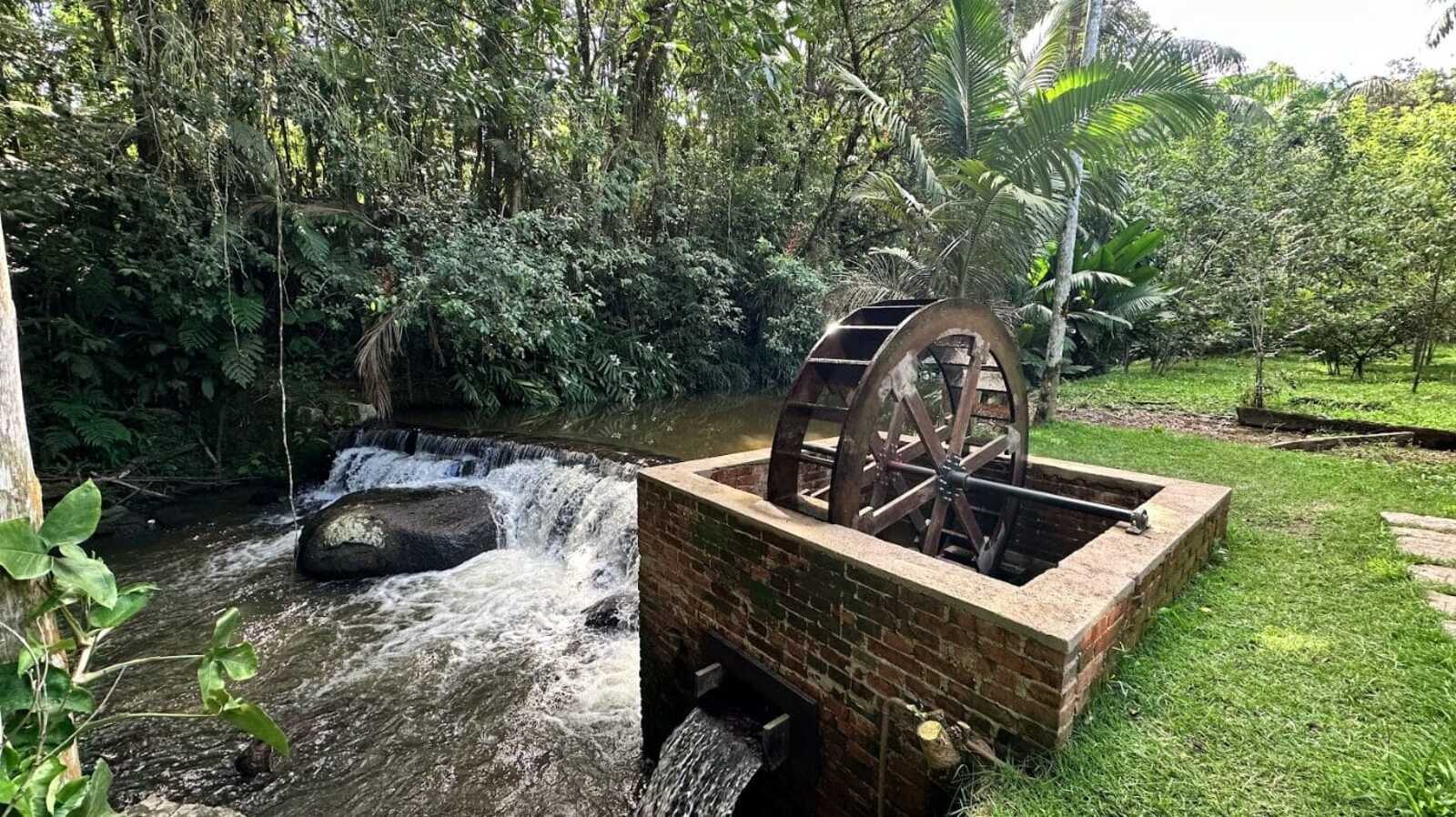
While restoring a historic mansion from 1910, a brick structure with an old turbine that generated energy from the Rio do Testo emerged, along with a hidden door and a rare floor concealed under layers of wax.
-
Italian researchers have detected what appears to be a second Sphinx buried under the sands of Egypt, and satellite scans reveal a gigantic underground megastructure hidden beneath the Giza Plateau for over 3,000 years.

-
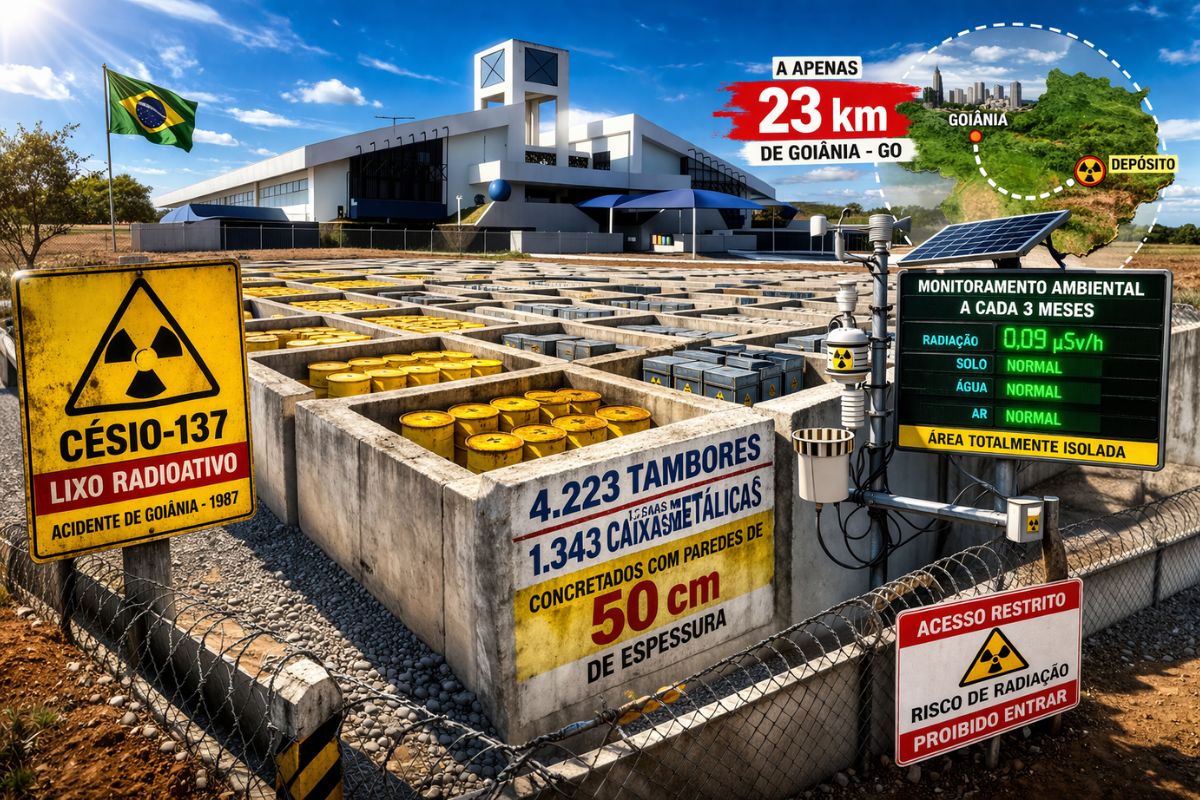
There are 4,223 drums and 1,343 metal boxes concreted with 50-centimeter walls that store the radioactive waste from Cesium-137 in the worst radiological accident in Brazil, just 23 kilometers from Goiânia, with environmental monitoring every three months.
-
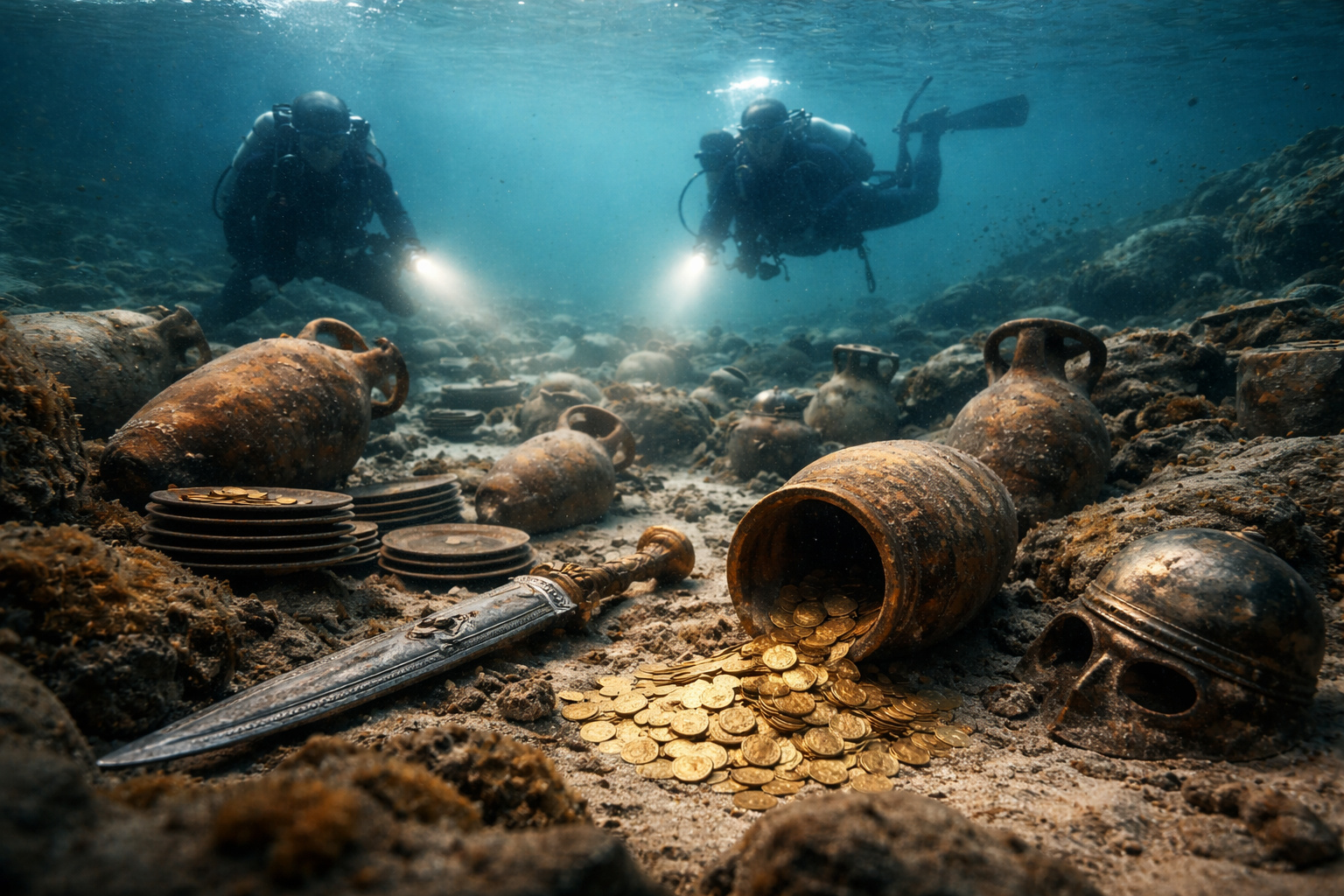
Giant Roman treasure found at the bottom of Lake Neuchâtel in Switzerland reveals an advanced trade system, circulation of goods, and armed escort in the Roman Empire about two thousand years ago.

The second layer is anti-boarding, functioning like a security gate, designed to physically hinder intruders from climbing aboard.
Deterrent Tools
Deterrent tactics can include placing mannequins on the ship’s decks. This creates the illusion that more crew members are on watch than actually exist. Another tool is lasers, which can be directed at approaching pirates to disrupt their vision. Simply increasing the ship’s speed is also a deterrent measure, as it makes boarding more difficult and dangerous for small pirate vessels.
One of the most effective deterrent tools is LRADs (Long Range Acoustic Devices). When a suspicious boat is spotted, the crew can use the LRAD to communicate, issuing audible warnings. If the warnings are ignored, the LRAD can emit an extremely loud directional sound, comparable to that of a jet engine. This sound causes significant discomfort and can even induce permanent hearing loss, as it reaches the inner ear through bone conduction. While it may deter some criminals, more determined pirates may try to destroy the equipment.
Preventing Boarding: Water Cannons, Barbed Wire, And Other Tactics

If deterrence fails, anti-boarding equipment comes into play. Anti-boarding tracking wires can be thrown into the water. These wires are designed to entangle the propeller of the pirate boat, causing it to stop suddenly.
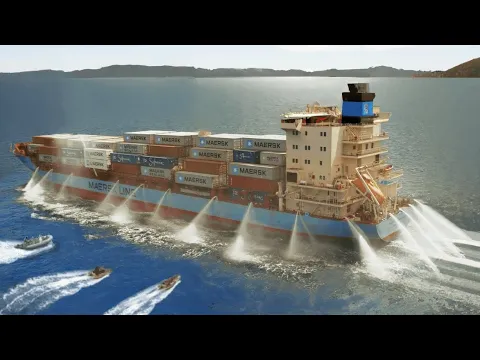
Water cannons are another effective tool. The high pressure of the water can physically hinder pirates from boarding and even control riots. In some cases, they can fill and sink small boats that come too close. There are remotely operated models, ensuring the crew’s safety, fixed models, and others with rotating heads that spray water at the sides of the ship. An interesting variation is the “water curtain,” a hose with a restrictive nozzle and a weight that makes it whip violently and unpredictably, making the approach very dangerous.
Passive physical measures are also used. Barbed or razor wire can be quickly installed around the deck and rails, making it difficult for pirates to use ladders. Fixed security barriers on the sides of the ship also prevent ladders from being attached to the edge, in addition to being difficult to climb due to their shape.
The “Safe Room” Strategy On Cargo Ships

If, despite all defenses, the pirates manage to board, the crew has a last-resort procedure. They must send a distress signal (Mayday), shut down the ship’s propulsion and navigation systems, and lock themselves in a fortified safe room, known as a “citadel.”
Without the ability to operate the ship and without access to the crew as hostages, the pirates lose their advantage and are often forced to abandon the vessel before naval forces or the coast guard arrive.








-

Uma pessoa reagiu a isso.