





 English
  Francês
  Alemão
  Italiano
  Japonês
  Norueguês
  Portuguese
  Spanish
  3 min of reading



Brazil and the United States will drive the growth of global oil supply in the next decade before giving way to a resurgence of OPEC production in the mid-2030s, according to the latest BP energy outlook report published on Monday (14). The Brazilian pre-salt is one of the key factors behind this milestone.
In a “rapid” scenario that anticipates new policy measures inflating carbon prices, Brazil’s liquid fuel production would double to 6Mb/d by 2030 before falling to 3Mb/d by 2050, the report said.
The U.S., in turn, is expected to increase production from 18 MB/d in 2018 to 21 MB/d in 2030, before volumes decrease to 11 MB in 2050 under the same scenario.
-
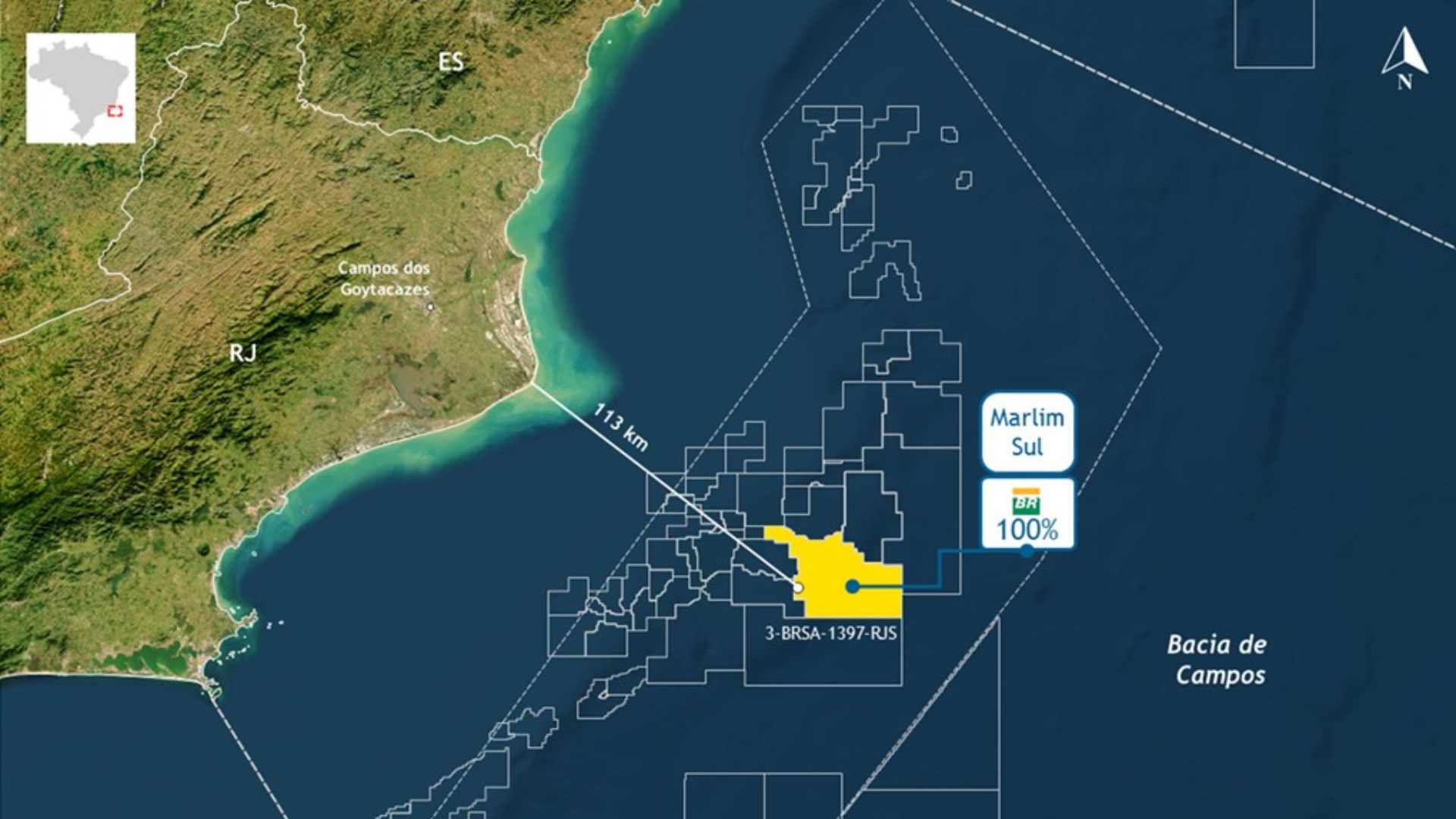
Petrobras finds high-quality oil in the pre-salt at 113 km from RJ and reignites expectations about strategic reserves in the Campos Basin.

-
Ocyan opens registrations for startups focused on innovation in the oil and gas sector and will select projects for Innovation Day with the support of Nexio.

-
Petrobras announces new oil discovery in the pre-salt of the Campos Basin and reinforces Brazil’s prominence with high-quality reserves that can increase production and energy revenues.
-
Alert in the fuel market: Analysts and a former director of ANP warn that oil prices may worsen in the coming months due to global instability.


OPEC’s share of global production would fall to 29% by 2030, down from the current 38%, and then increase to 43% by 2050.
“The composition of the global liquids supply is initially dominated by a recovery of Tight Oil in the U.S., with OPEC’s share of production recovering in the latter half of the outlook,” the report said.
“In the [Rapid] scenario, U.S. Tight Oil recovers from the declines caused by the impact of Covid-19, rising to around 15Mb/d by early 2030. Brazilian production also grows during the same period,” BP said. As U.S. tight formations mature and OPEC adopts a more competitive strategy in a scenario of accelerated demand declines, U.S. and non-OPEC production generally fall from early 2030 onwards.
BUSINESS AS USUAL
In BP’s “business as usual” scenario, Brazilian production would increase to 5Mb/d by 2030 and remain stable over the following 20 years. U.S. production would rise to 21 Mb/d by 2030 and fall to 15 Mb/d by 2050.

On the other hand, OPEC would see its share of overall production drop to 32% before rising to 42% by mid-century.
“Non-OPEC supplies follow a similar pattern in business as usual, expanding in the first half of the outlook, led by increases in U.S. and Brazilian tight oil, before falling in the second half, with U.S. tight oil peaking in the early 2030s,” BP said. “This decline provides room for OPEC to increase its production starting in the mid-2030s, with its production level in 2050 close to 2018 levels and its market share rising to over 40%.”
RENEWABLES
Meanwhile, renewable energy will be boosted by rising carbon prices, BP said. In a rapid scenario, CO2 emission costs could reach US $ 250/t by 2050 in developed countries and US $ 175/t in Latin America and other emerging economies.
“This increase in carbon prices encourages significant gains in both energy efficiency and the use of low-carbon energy sources,” the report said.
It added that a business as usual outcome would result in carbon prices of US $ 65/t and US $ 35/t in developed and emerging economies, respectively.










Seja o primeiro a reagir!