Portuguese
  Spanish


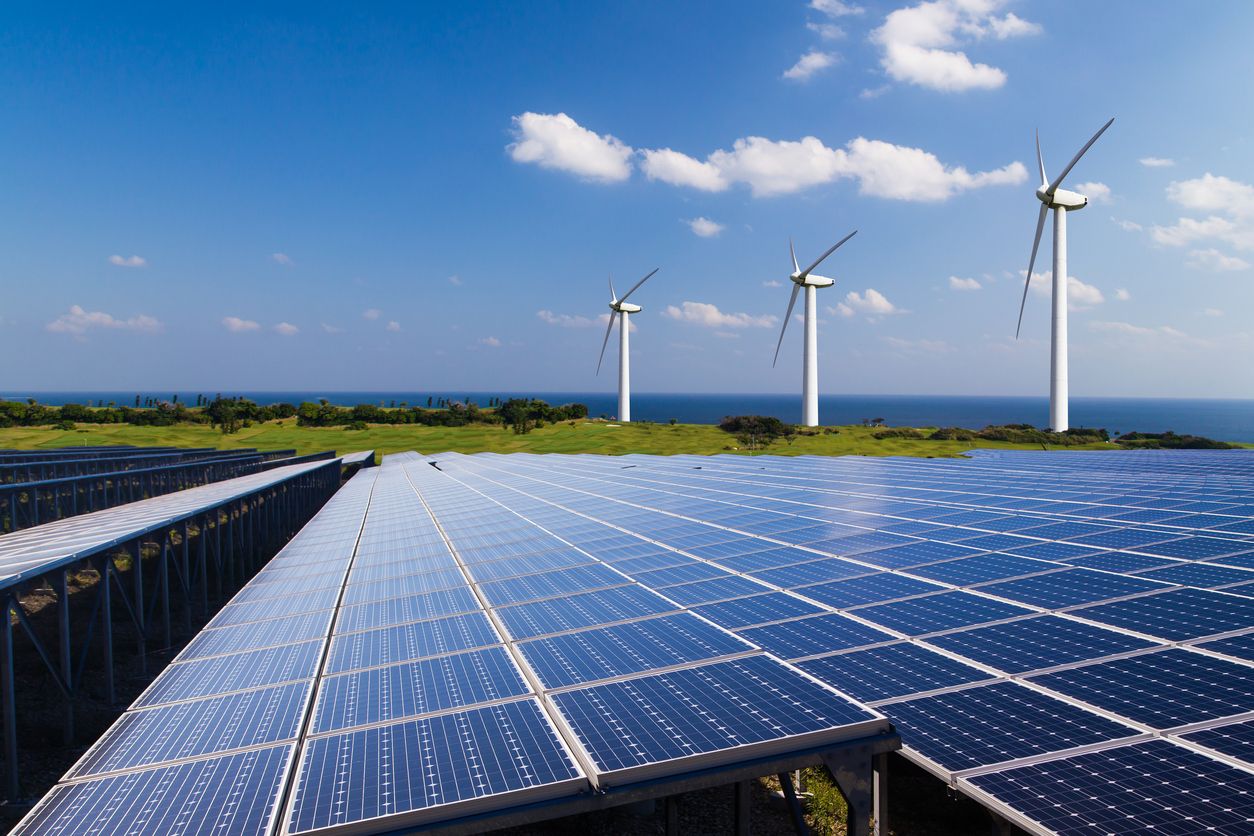

The British Government Reviewed Numbers and Concluded That the Price of Energy from Renewable Resources, Such as Solar and Wind Power, Is Nearly 50% Lower Than the Originally Calculated Price
Energy from renewable sources is already very competitive in the market. In fact, this year is considered by the sector a milestone in price shifts, meaning that clean energy generation has become equal to or cheaper than energy from fossil fuels. The UK government issued a report that offers a new perspective on this account. By considering the “normalized” cost of electricity, the price of solar and wind energy is much cheaper than previously thought, over the lifespan of a power plant.
See Also Other News:
- Petrobras Receives Proposals Today for the Management of Project Búzios 5
- A Leader in the Pulp and Paper Segment, Klabin Is Hiring for Positions in Continuous Improvement, Environment, Geoprocessing, and More
- Plumber, Welder, Semi-Skilled Laborer, and More Job Openings in an Industrial Assembly and Maintenance Engineering Company
The research report was conducted by the Department for Business, Energy and Industrial Strategy (BEIS), which regularly makes forecasts on the subject. The cost of renewable energy has dropped dramatically, 47% less compared to four years ago. This means that, by 2025, wind farms or solar plants will be able to generate electricity at half the cost of natural gas thermal energy.
To reach this conclusion, the British government used an equation to “normalize” energy costs, taking into account the average value per megawatt over the life of the project. This way, different resources can be compared, such as renewable resources, natural gas resources, and nuclear energy resources.
-
After a Year of Success in Switzerland, Solar Railway Attracts Italy’s Interest for Clean Energy Transformation

-
Brazil to Issue “Panda Bonds” in China, Aiming to Raise Up to 5 Billion Yuan at Lower Interest Rates Than Dollar Debt
-
NATO Faces Internal Tensions as U.S. Pushes for Increased Defense Spending, Targeting 5% of GDP by 2035, with Warnings for Countries Near 2% Level
-
Brazil to Introduce B16 Diesel with Increased Soybean Oil Content for Trucks by 2026


The estimated cost of wind farms (wind energy) to start operation in 2025 is £46 ($325.83) per megawatt. In the previous forecast, this number was £65 ($460.39). For large solar farms (solar energy), the cost is slightly lower: £44 today, higher than the previously calculated £67.
BEIS also provides estimates for natural gas and nuclear thermal plants. In the first case, the best result was £85 and, in the second case, £102 per megawatt. These numbers are updated based on inflation rates and the British clean energy publication Carbon Brief.
This estimate is important for the government to plan the future energy matrix. Obviously, the best alternative today is to expand supply through solar and wind energy. Antonio Bastos Filho, president of Omega Generation, the largest operator of wind farms in Brazil, says that “Brazil has even more advantages due to having a predominantly hydropower matrix and the best wind regime in the world.”