





 Portuguese
  English
  Spanish
  2 min of reading
  1 comment


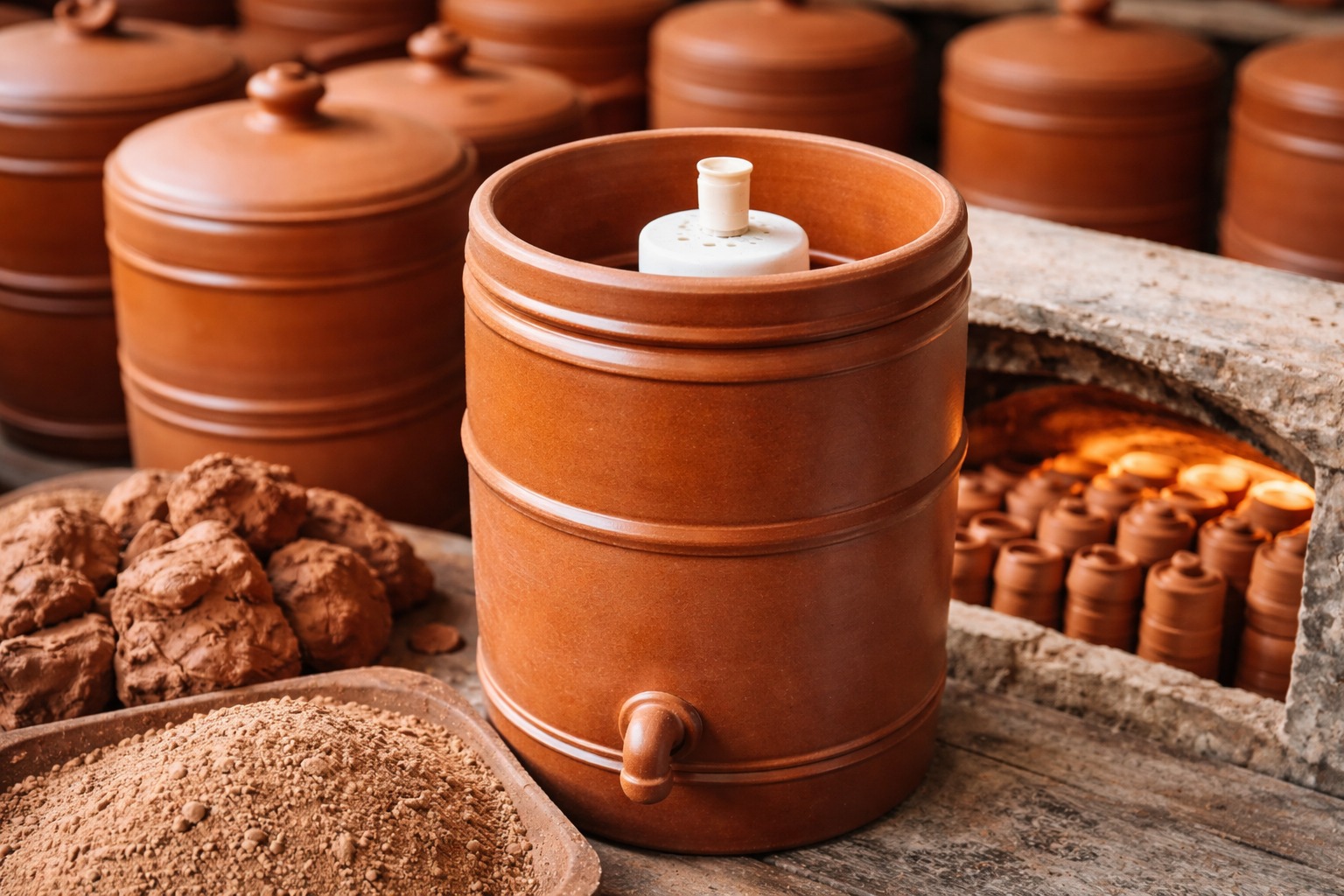


The Brazilian Clay Filter Is Manufactured With Molded Clay, Controlled Drying, Firing In An Oven, And Assembly With A Filter Candle, Guaranteeing Natural Porosity And Efficient Filtration Without Electricity
The manufacturing process of the filter made of clay, shown in a video by the channel Manual do Mundo, starts with the preparation of the raw material: clay. The material is selected, crushed, and mixed until a homogeneous texture is achieved, suitable for modeling the pieces that will form the body of the filter.
In the next step, the clay is shaped into the traditional format of the container. In an industrial setting, this shaping can be done with the help of presses and specific molds, ensuring standardization in size and thickness.
After taking shape, the pieces go through a natural drying period to eliminate excess moisture and prevent cracking.
-
It seems to have come out of a science fiction movie: A Brazilian city where it rains almost every day, recording over 4,000 mm per year, driven by climatic factors — a direct result of its strategic location in the Amazon.

-
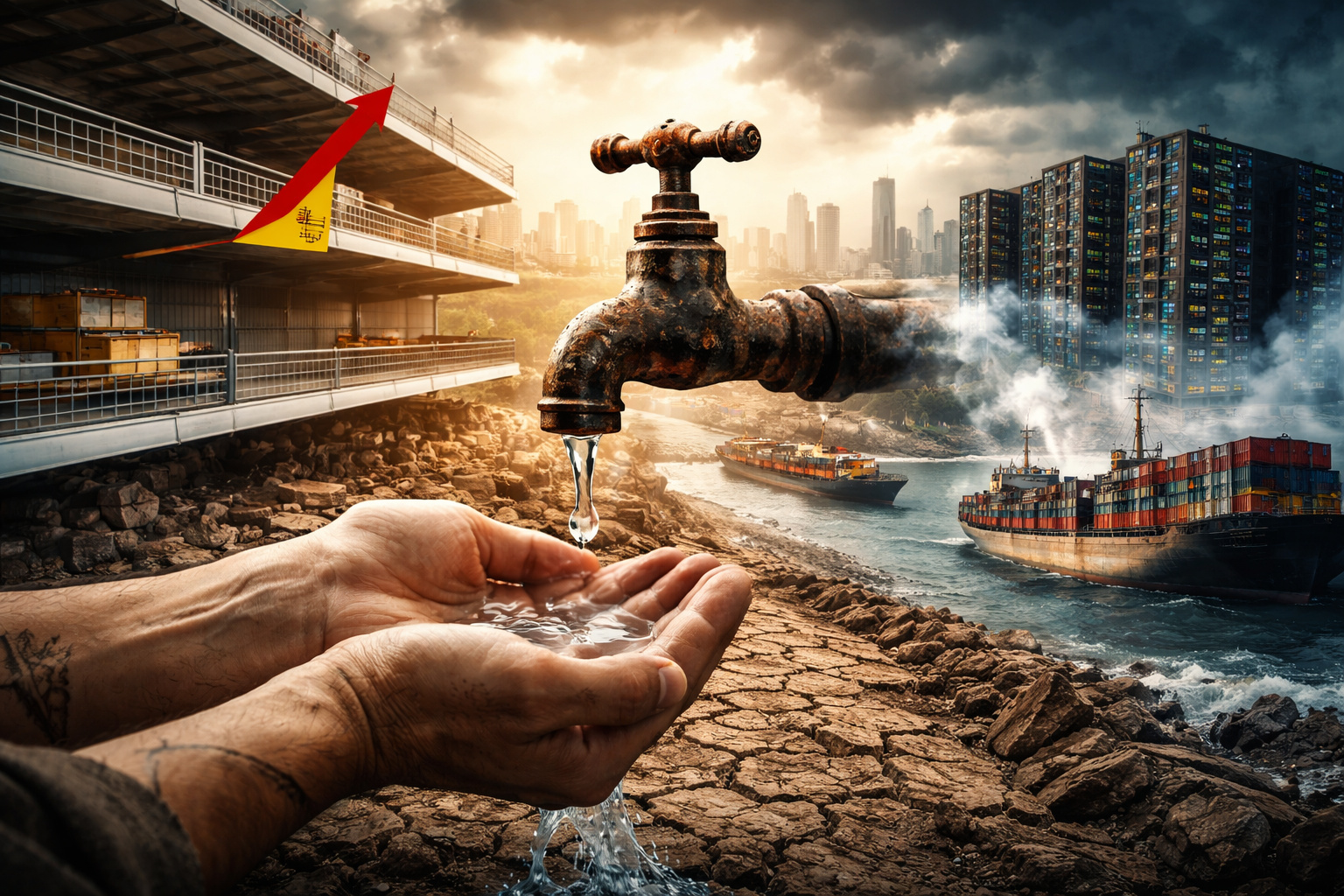
The water crisis that could change everything this year has already begun; it’s not just about the climate, it affects technology, raises product prices, and can halt entire companies without warning.
-
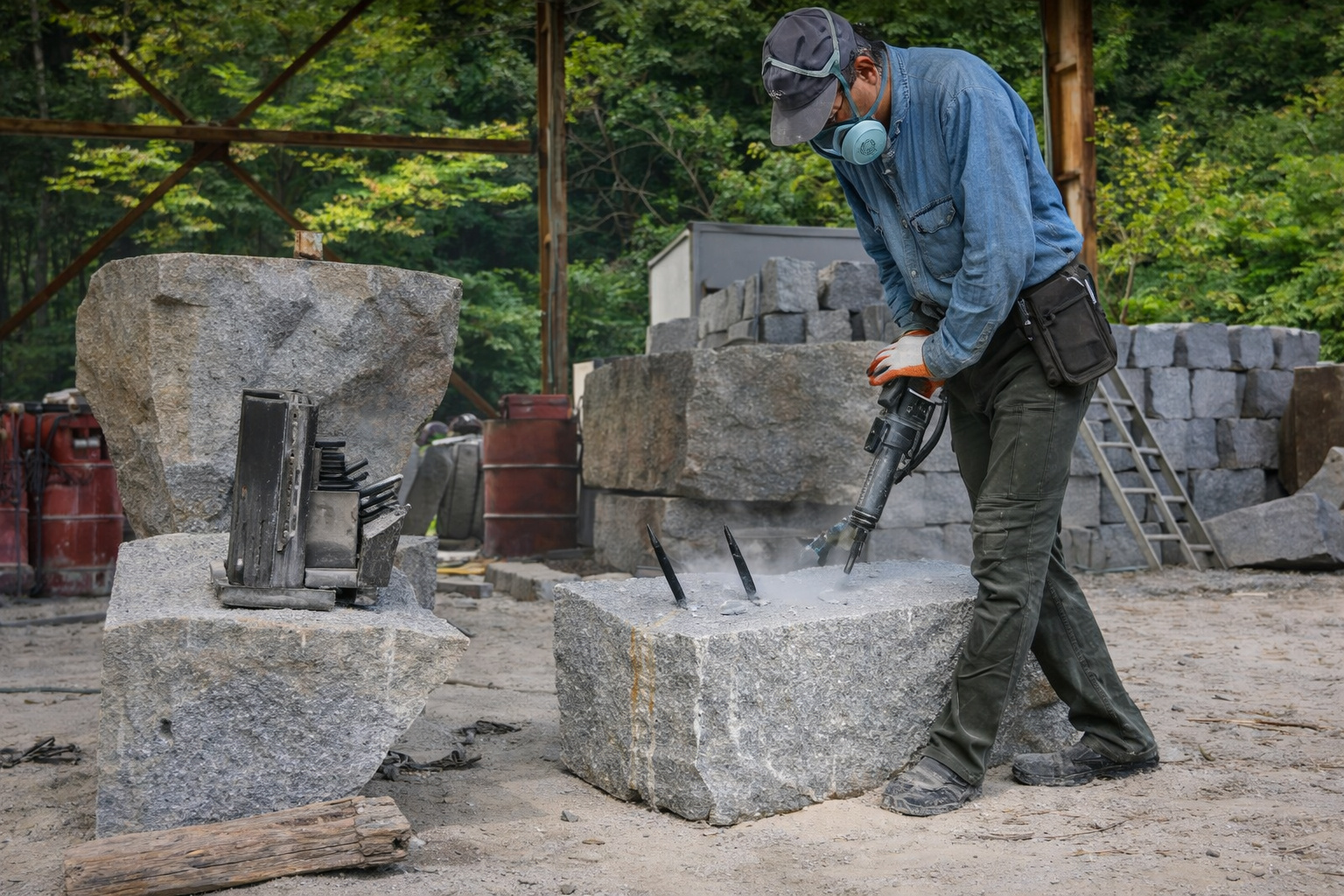
A Japanese mason transforms raw granite into small cups and handcrafted utensils, collects giant stones, cuts with precision, and impresses with detailed manufacturing and finishing.
-
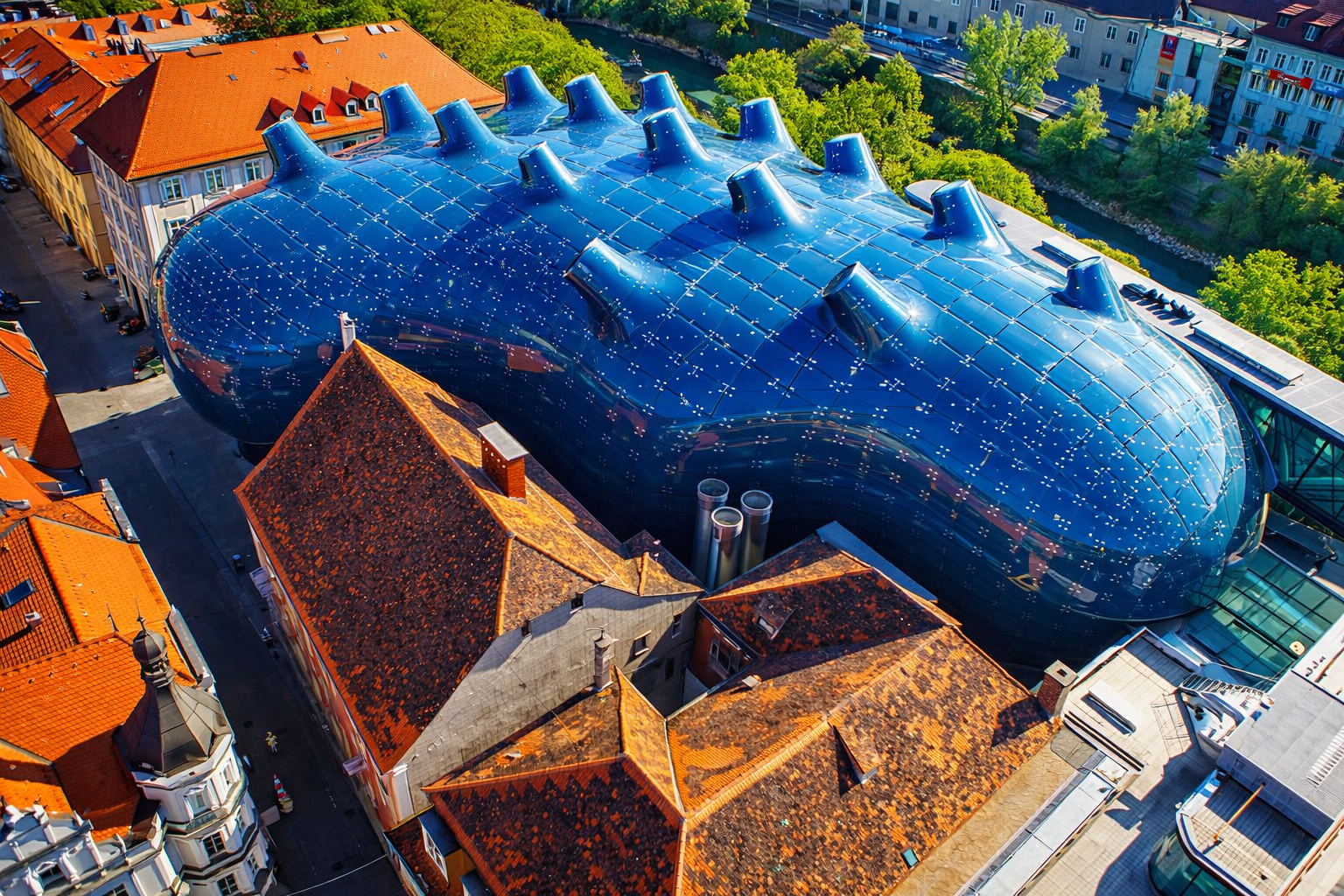
With 1,066 acrylic panels, the building known as the friendly alien is supported by a steel skeleton, has a façade that functions as a giant screen, and impresses the world without any internal columns.

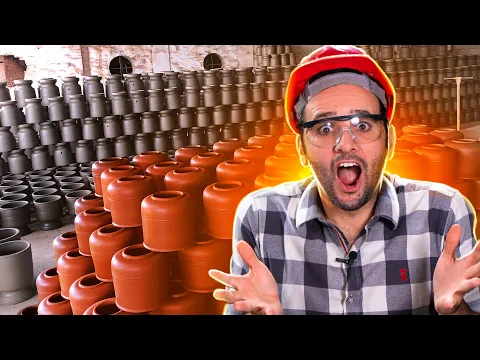

Firing Is Essential To Give Mechanical Resistance To The Clay Filter
After drying, the structures proceed to the oven. Firing is essential to give mechanical resistance to the filter and consolidate the ceramic material.
It is at this point that the clay acquires rigidity and durability. The video emphasizes that controlling the oven time is crucial to ensuring the final product quality.
One of the central points explained is the porosity of the filter. During manufacturing, the composition of the material helps create micropores in the ceramic after firing.
These pores allow water to slowly pass through the walls of the filter, promoting the physical filtration of impurities.
Filter Candle Of The Clay Filter
In addition to the clay reservoir, the system includes the filter candle. According to the video, this candle is made up of ceramic material and internal filtering elements that help retain particles and improve water quality.
The final assembly brings together the body of the filter, the candle, and the sealing components.
The result is a simple device, produced with traditional techniques and controlled processes, capable of filtering water without the need for electrical energy or electronic technology.






Tenho um desse há 26 anos.