






 Portuguese
  Spanish


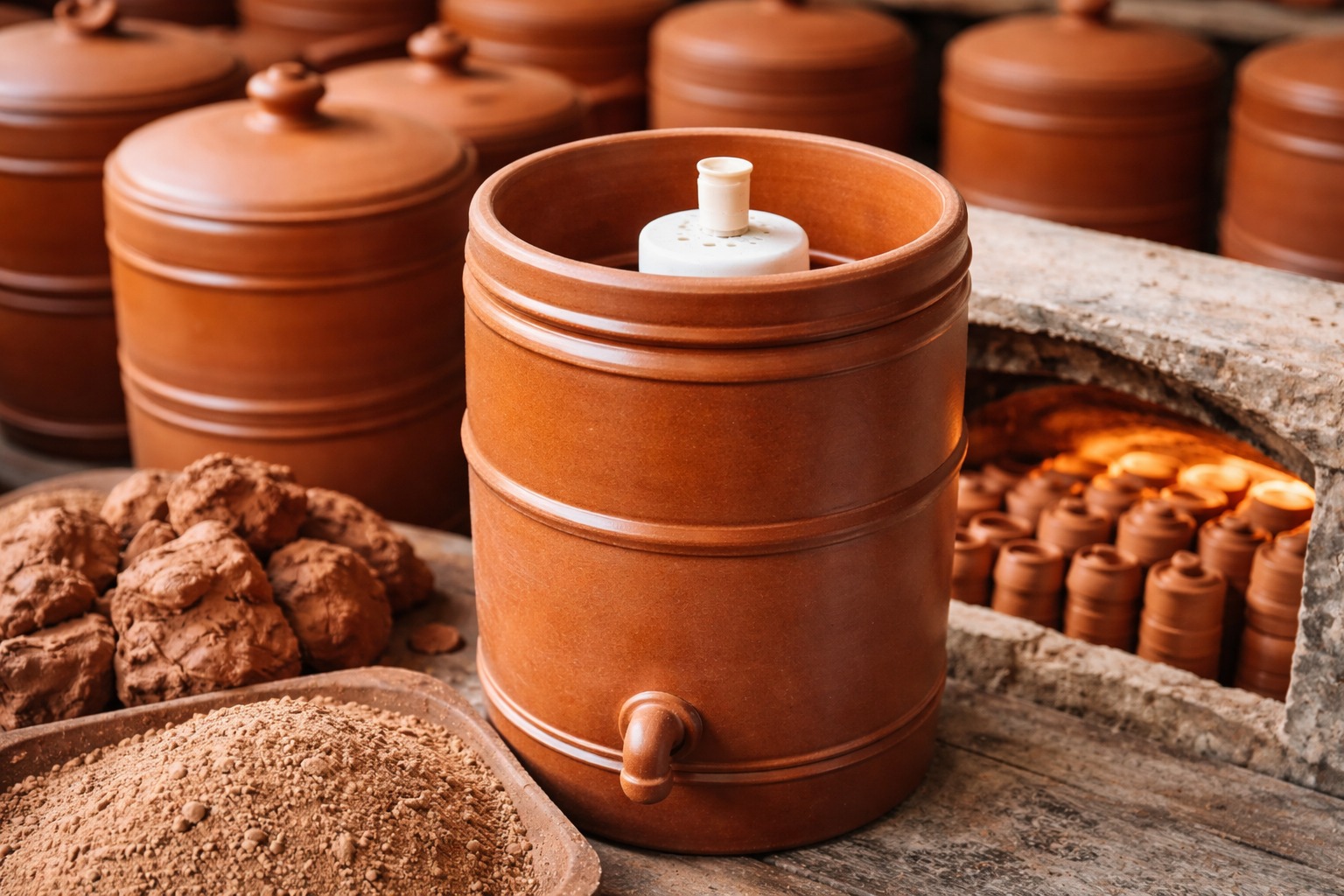


The Brazilian Clay Filter Is Manufactured With Molded Clay, Controlled Drying, Firing In An Oven, And Assembly With A Filter Candle, Guaranteeing Natural Porosity And Efficient Filtration Without Electricity
The manufacturing process of the filter made of clay, shown in a video by the channel Manual do Mundo, starts with the preparation of the raw material: clay. The material is selected, crushed, and mixed until a homogeneous texture is achieved, suitable for modeling the pieces that will form the body of the filter.
In the next step, the clay is shaped into the traditional format of the container. In an industrial setting, this shaping can be done with the help of presses and specific molds, ensuring standardization in size and thickness.
After taking shape, the pieces go through a natural drying period to eliminate excess moisture and prevent cracking.
-
Thailand Converts 8 Tons of PET Bottles into 3,500 School Backpacks, Showcasing Circular Economy with Over 40 Factories Involved

-
Mysterious Bats Spotted in Paris’s Père Lachaise Cemetery, Drawing Tourists to the “Vampire Cemetery”

-
From Selling Street Food to Leading a $300 Million Construction Firm: The Journey of a Brazilian Entrepreneur

-
Abandoned Penthouse in Houston Reveals Million-Dollar Suite with 24-Karat Gold, Tiffany Crystals, and Opulence Even Elvis Might Have Snubbed



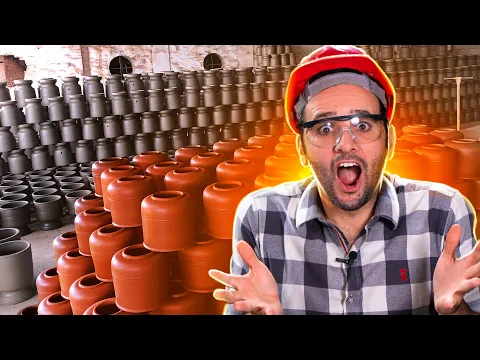

Firing Is Essential To Give Mechanical Resistance To The Clay Filter
After drying, the structures proceed to the oven. Firing is essential to give mechanical resistance to the filter and consolidate the ceramic material.
It is at this point that the clay acquires rigidity and durability. The video emphasizes that controlling the oven time is crucial to ensuring the final product quality.
One of the central points explained is the porosity of the filter. During manufacturing, the composition of the material helps create micropores in the ceramic after firing.
These pores allow water to slowly pass through the walls of the filter, promoting the physical filtration of impurities.
Filter Candle Of The Clay Filter
In addition to the clay reservoir, the system includes the filter candle. According to the video, this candle is made up of ceramic material and internal filtering elements that help retain particles and improve water quality.
The final assembly brings together the body of the filter, the candle, and the sealing components.
The result is a simple device, produced with traditional techniques and controlled processes, capable of filtering water without the need for electrical energy or electronic technology.





Tenho um desse há 26 anos.