





 Portuguese
  English
  Spanish
  4 min of reading
  1 comment


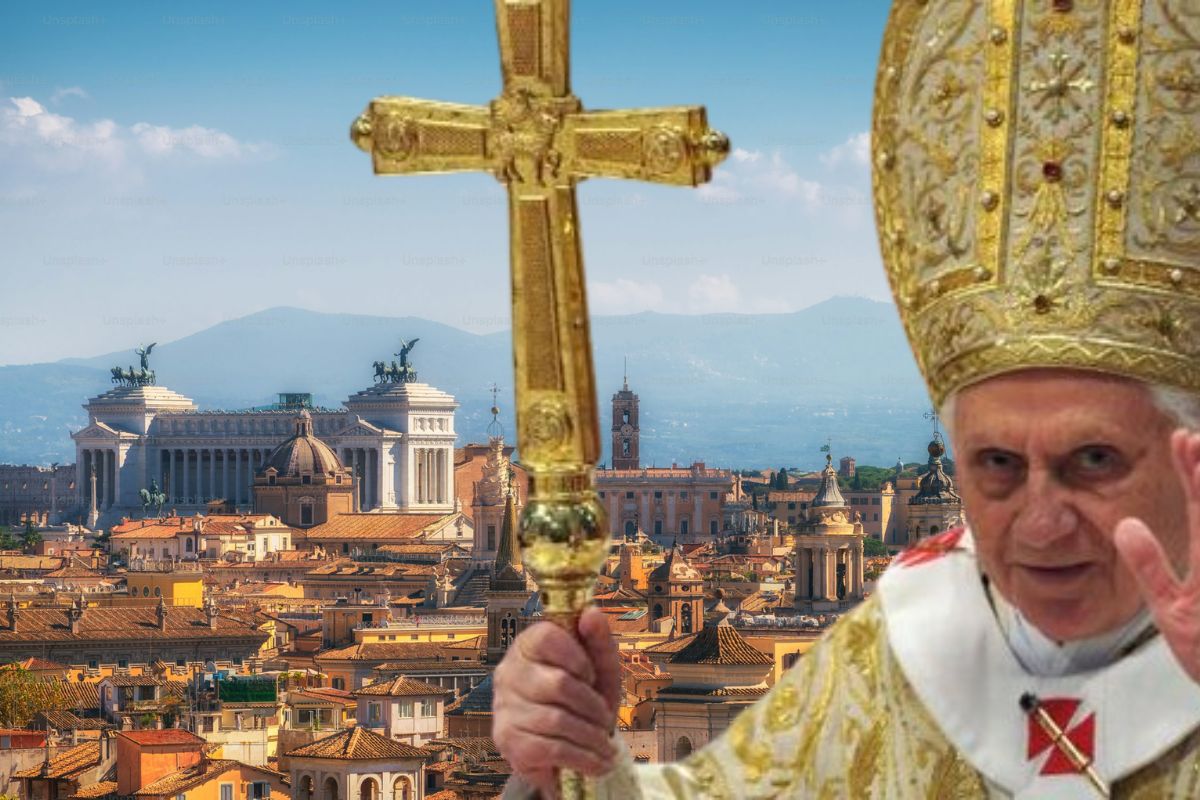

From the Loss of the Papal States to the Lateran Treaty and the Investments of Bernardino Nogara That Saved and Enriched the Vatican, Passing Through the Scandals of the IOR.
The Catholic Church is the oldest institution in the West, with nearly 2,000 years. It has 2.4 billion faithful, about 30% of the world’s population. It is one of the richest organizations on the planet. Its assets include valuable art, land, gold, and global investments. However, the church has been on the brink of bankruptcy. The Vatican needed a financial bailout. A historic agreement with Italy and the management of one man changed its financial destiny forever.
From Wealth to Near Bankruptcy: The Loss of the Papal States
For centuries, the Catholic Church held great temporal power. From the 8th century, the Papacy governed vast areas of Italy, known as the Papal States. However, in 1861, with the unification of Italy, the church lost most of these territories. Only a small portion remained, which was also lost later.
The Pope was confined to what is today the Vatican. For 59 years, until 1929, the Popes remained “prisoners” in protest. The financial situation became precarious. In the 1920s, Pope Pius XI lived in a degraded palace, leaking and infested with rats. The church desperately needed a solution.
-
Inside an active volcano in Africa, residents use volcanic rocks to build houses in an impressive setting.

-
After 14 years of waiting, a rammed earth mansion built in 1702 in the North Zone of São Paulo will become a park with leisure facilities and green areas, with a million-dollar investment.
-
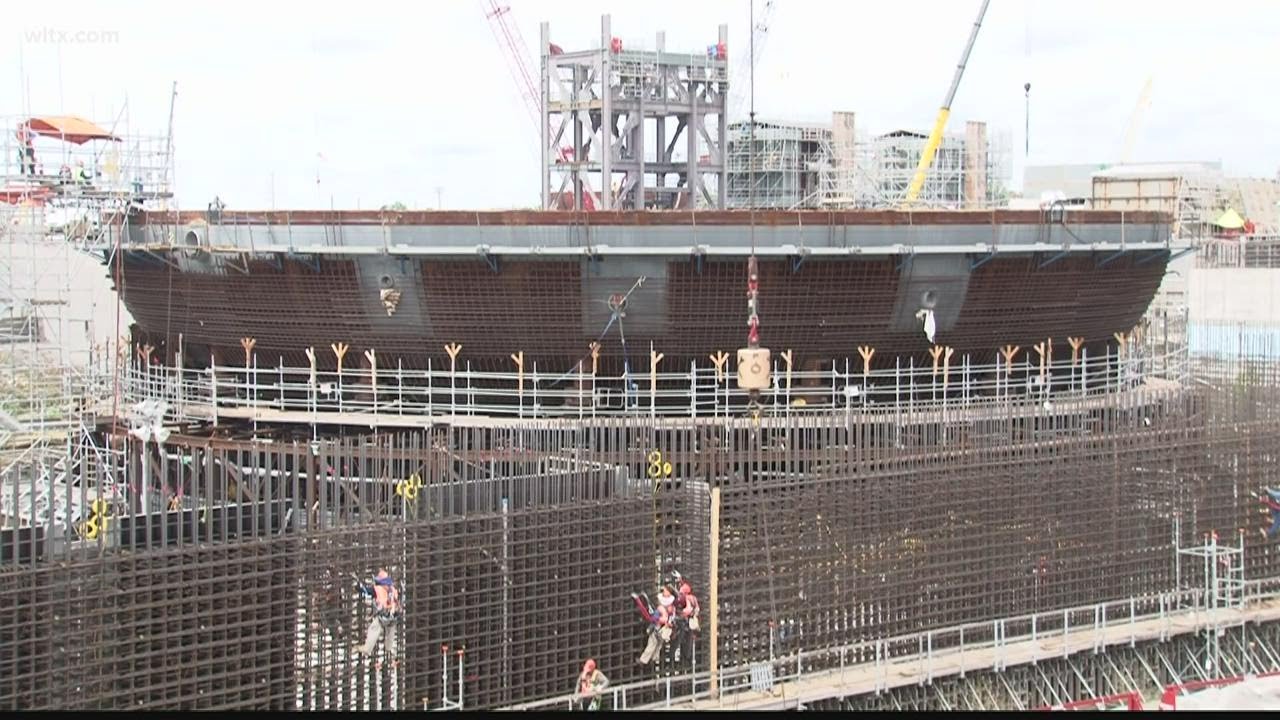
With 2 unfinished nuclear reactors, up to 25 billion in costs, and proven fraud, the Nukegate case has left 800,000 consumers still paying today for energy that will never be produced.
-
The household appliance that consumes the most energy in Brazilian homes is not the air conditioner; it is located in the smallest room of the house, is used daily, and can account for up to 25% of the electricity bill, while an alternative in the same outlet can reduce this cost by up to 75%.

The Lateran Treaty: The Agreement with Mussolini That Saved Finances
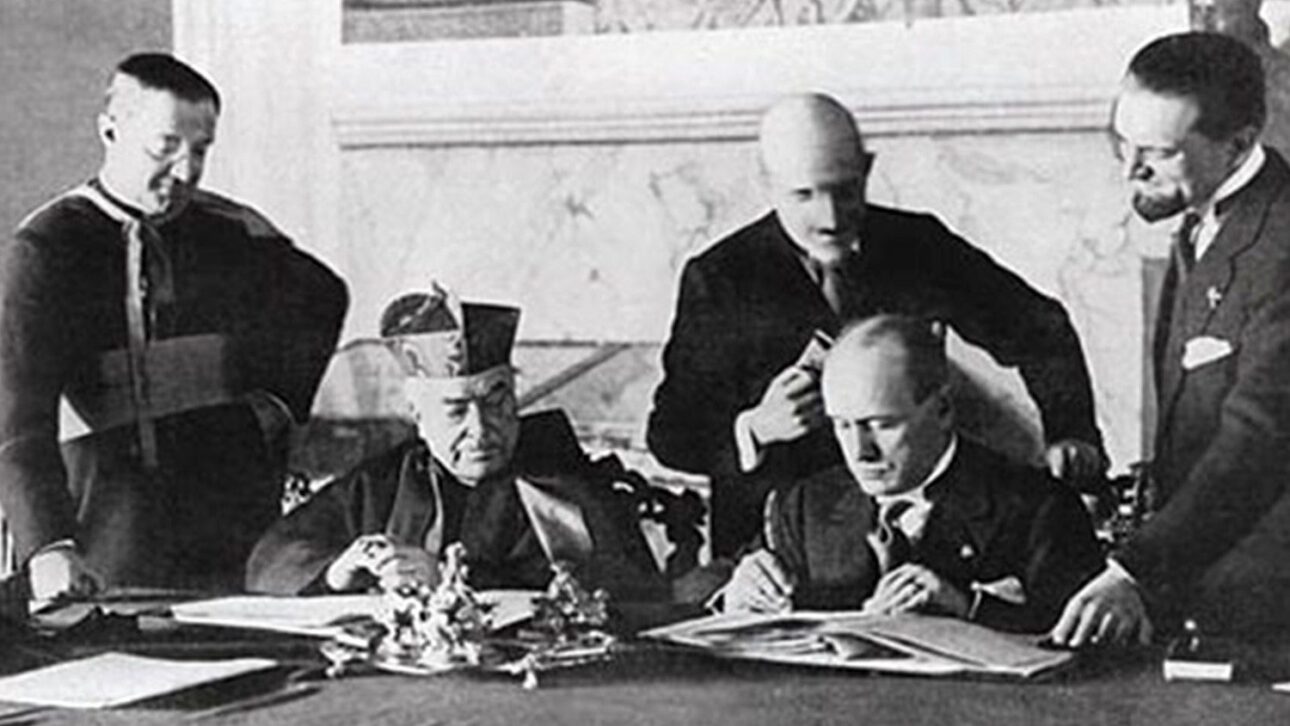
The solution came from an unexpected source: Benito Mussolini. The fascist leader, who became the dictator of Italy in 1925, recognized the political importance of having good relations with the Catholic Church. After two and a half years of negotiations, the Lateran Treaty was signed on February 11, 1929. The agreement recognized the sovereignty of the Vatican as a state.
More importantly for finances, it established financial compensation for the loss of territories. Italy paid the Vatican 750 million Italian lira in cash. It also delivered 1 billion lira in Italian government bonds with an interest rate of 5%. Additionally, Italy took over the payment of salaries for priests in its territory. The financial agreement, curiously, had only one page.
Bernardino Nogara: The Financial Genius Behind the Wealth of the Vatican
The cash payment (equivalent to US$ 81 million at the time) provided the Vatican with the resources to create a robust investment portfolio. The man chosen for this task was Bernardino Nogara. An engineering graduate, Nogara had experience in mining projects and the banking sector, including representing an Italian bank in the Ottoman Empire. He had ties to the Church and had already given a profitable investment tip to Pope Benedict XV.
Taking over the financial management of the Vatican in 1929, Nogara aimed to generate income and long-term capital gains. He met with the Pope regularly to discuss investments. Although there are no audited figures, reports indicate that Nogara multiplied the initial capital by 20 times in the first 10 years. This occurred even during the Great Depression and the instability leading up to World War II. Under his management, it is estimated that the Vatican held between 10% and 15% of the total value of the Italian stock market.
The Vatican Bank (IOR)
In 1942, during World War II, Nogara advised the creation of the Institute for Religious Works (IOR), known as the Vatican Bank. The institution functioned as a hybrid of an investment bank and a central bank. The neutrality of the Vatican during the war provided Nogara with unique advantages. While Italy faced embargoes, the IOR could conduct transactions with the United States. This allowed diversification of investments outside Italy, protecting capital in case Italy lost the war.
The sovereignty of the Vatican also ensured financial confidentiality. This allowed wealthy Italians to transfer their fortunes abroad through the IOR, without the knowledge of the Italian government. After the war, Nogara heavily reinvested in the reconstruction of Italy, benefiting from the Marshall Plan.
From the Ambrosiano Bank to the Present Day
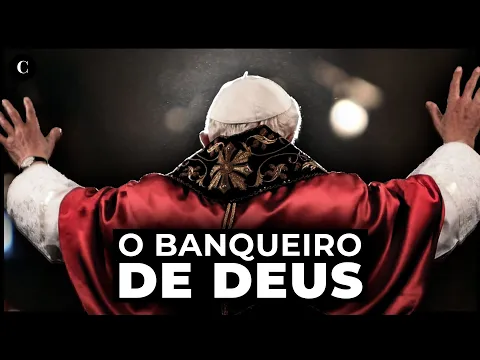

After Nogara’s departure in 1954 and the end of the Italian reconstruction, the IOR sought new sources of revenue. Its status as a bank without oversight from monetary authorities of other countries made it attractive as an offshore bank. However, this also opened doors for involvement in scandals. Connections with the mafia, bankers found dead, and conspiracies marked the history of the bank in the following decades.
The most notorious scandal occurred in the early 1980s with the Ambrosiano Bank, of which the IOR was the majority shareholder. Ambrosiano went bankrupt with a billion-dollar shortfall, and its leaders were accused of money laundering and connections to the mafia. The president of the IOR at the time, Archbishop Paul Marcinkus, was accused by Italian authorities but claimed diplomatic immunity. The president of Ambrosiano, Roberto Calvi, was found hanged in London.
More recent scandals have once again placed the Vatican Bank under the spotlight. In 2010, funds were frozen over suspicion of money laundering, leading to the fall of the IOR president in 2013. The American bank JP Morgan even closed an IOR account due to a lack of information about the source of the deposits. In response, Pope Benedict XVI initiated reforms to increase transparency. In 2013, for the first time in 125 years, the IOR published its accounts. In 2020, even with the pandemic affecting donations and museum revenues, the bank made a profit of € 36.4 million, helping to sustain the finances of the Holy See. By the end of that year, the bank was managing about € 5 billion in customer deposits.






A afirmação de que a igreja catoĺica tem quase 2000 anos nao corresponde aos fatos. Ela passou a ter o nome de católica , ou seja, universal, no Quarto século