





 Portuguese
  English
  Spanish
  3 min of reading
  0 comments


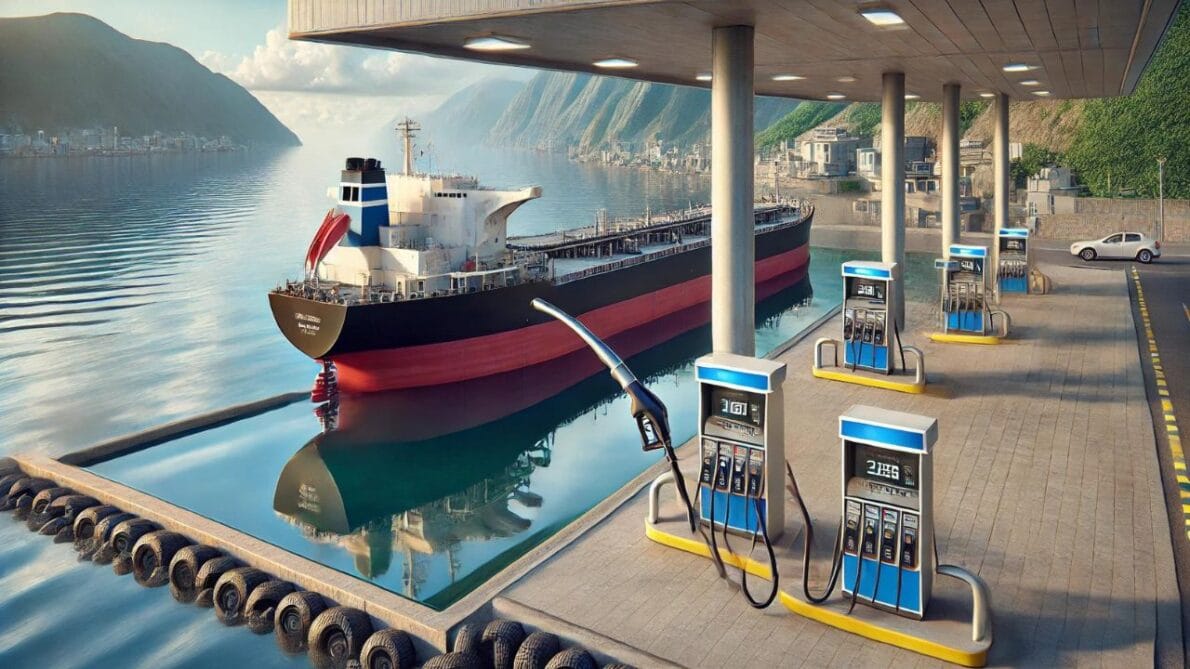
Understand How Ships Are Fueled And The Complexity Of This Essential Operation For Maritime Trade.
Let’s talk about an essential topic that is often overlooked: how ships are fueled. Have you ever wondered how these giants of the sea receive the fuel needed for their long journeys? Today, we will dive into this fascinating operation filled with details.
For those who have never thought about it, fueling a ship is nothing like filling the tank of your car. We are talking about thousands of tons of fuel, complex operations, and impressive logistics. Let’s take the Port of Paranaguá as an example, one of the largest and busiest in Brazil. Here, the movement of ships is constant, and the fueling operation is just one part of the hectic daily routine of the port.
How Ships Are Fueled


Look, when we talk about how ships are fueled, we need to understand that there are several types of vessels and methods. In the case of a common cargo ship, the operation generally involves a fuel barge. These barges are towed to the ship, as they do not have their own propulsion. The tug positions the barge alongside the ship, and through hoses (long specialized hoses), the fuel is transferred.
-
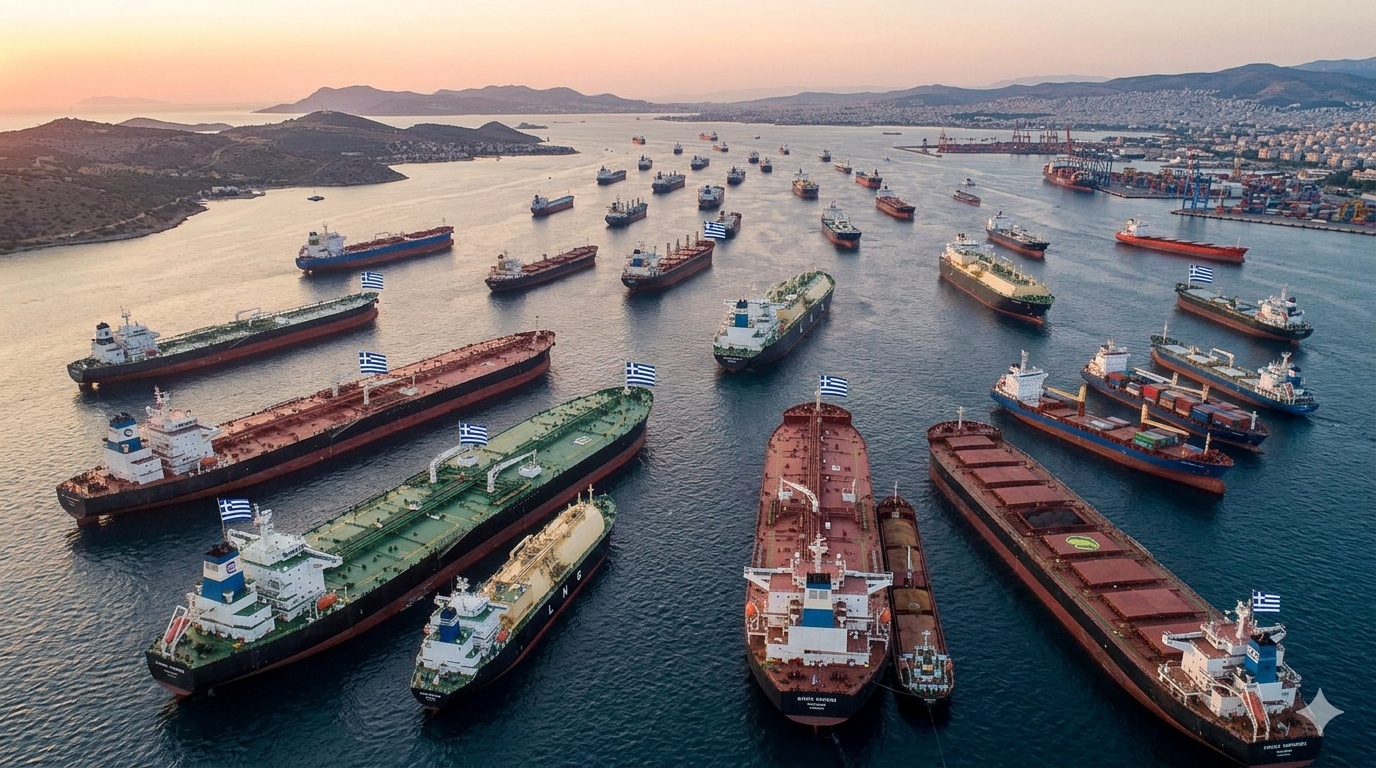
Neither the USA nor China: a small European nation has become one of the largest maritime powers on the planet, controlling one of the largest merchant fleets in the world with thousands of ships and dominating the global transportation of oil and strategic cargo.
-
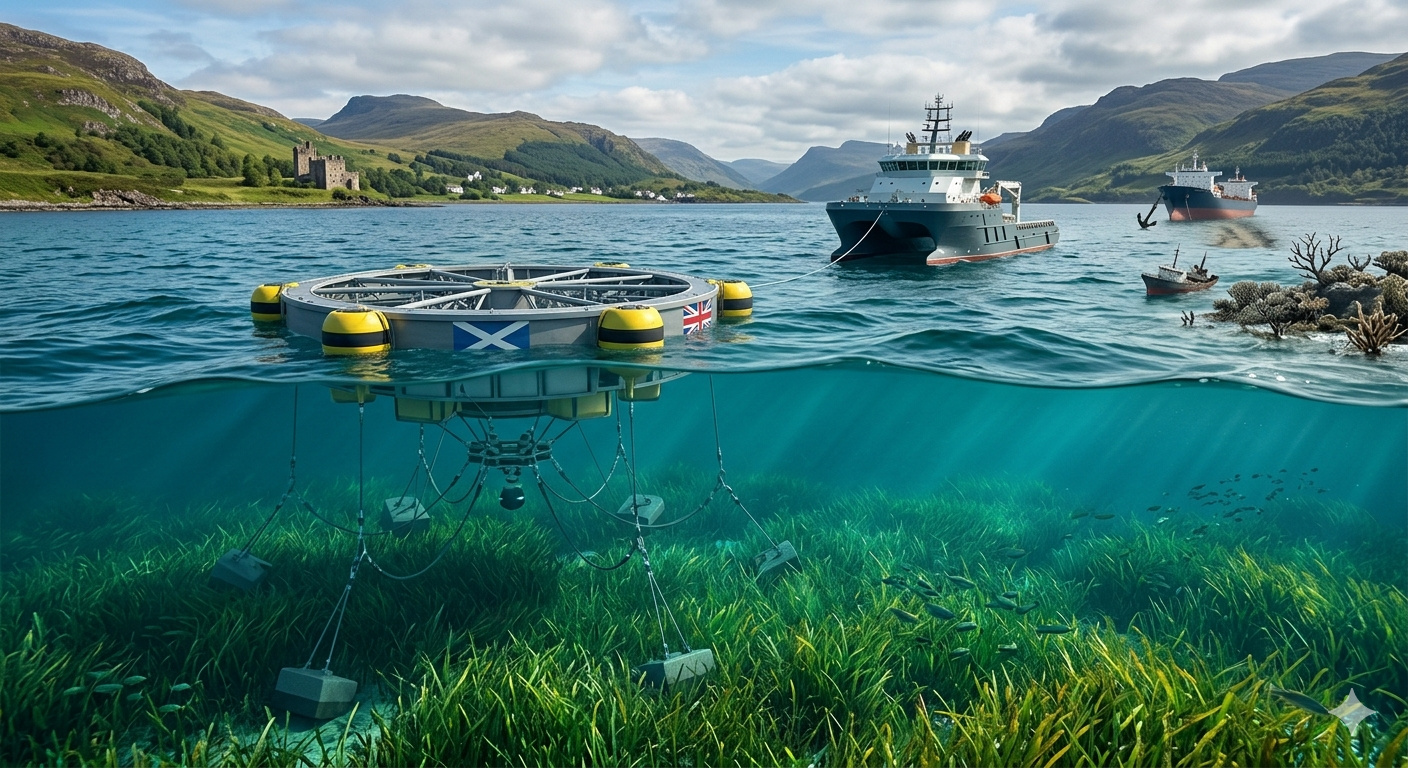
Scotland and the United Kingdom have created a new anchoring system that floats in the water without touching the seabed, after discovering that the current from a conventional anchor destroys up to 50 m² of seagrass meadow per event and that ship-damaged reefs showed no signs of recovery even ten years later.
-
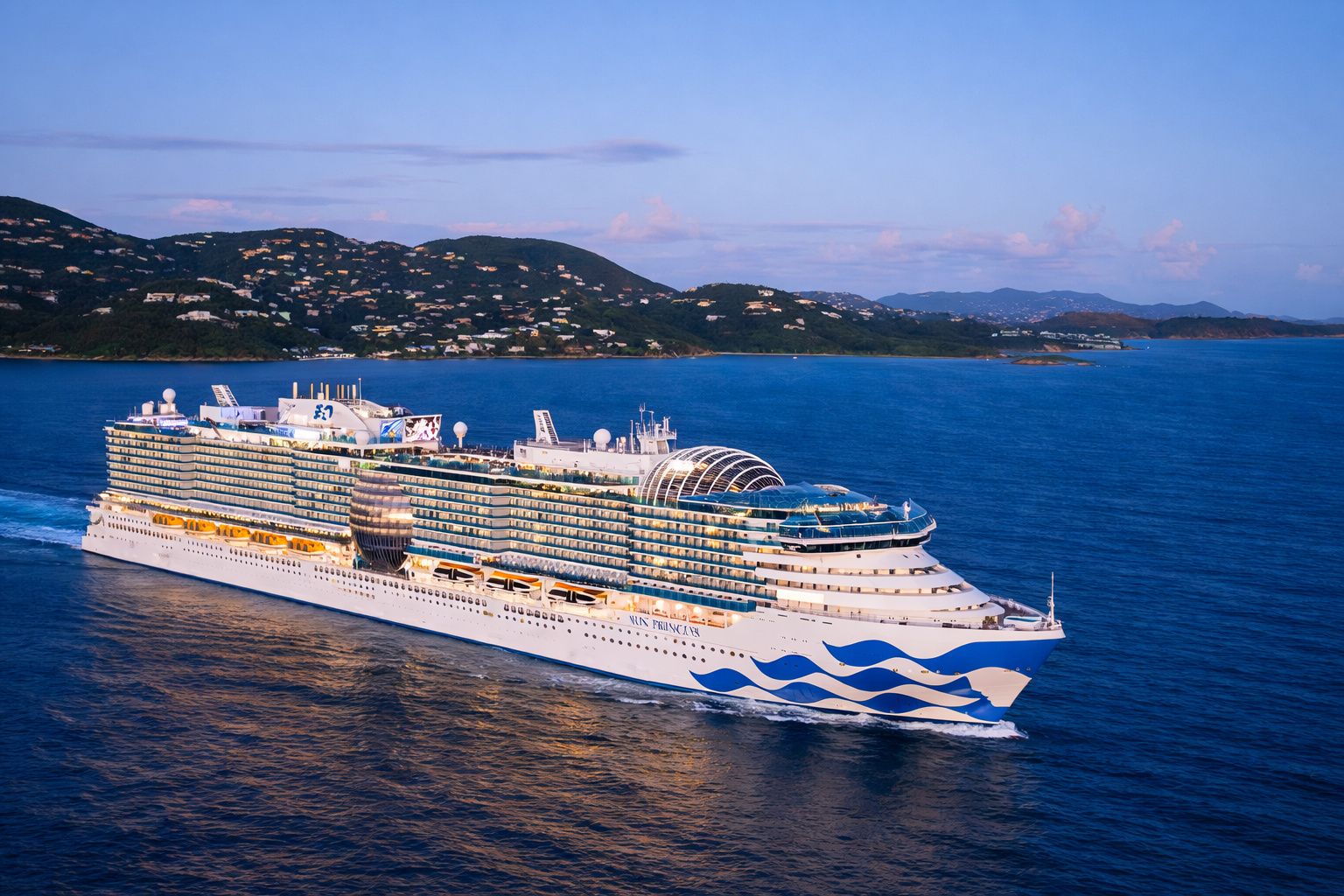
Weighing 175,500 Tons, Measuring 345 Meters Long, and With Capacity for Over 4,300 Passengers, the Sun Princess Becomes the Largest Ship Ever Built by Princess Cruises and Attracts Global Attention for Its Huge Glass Dome Inspired by Santorini’s Architecture Installed on Top of the Vessel
-
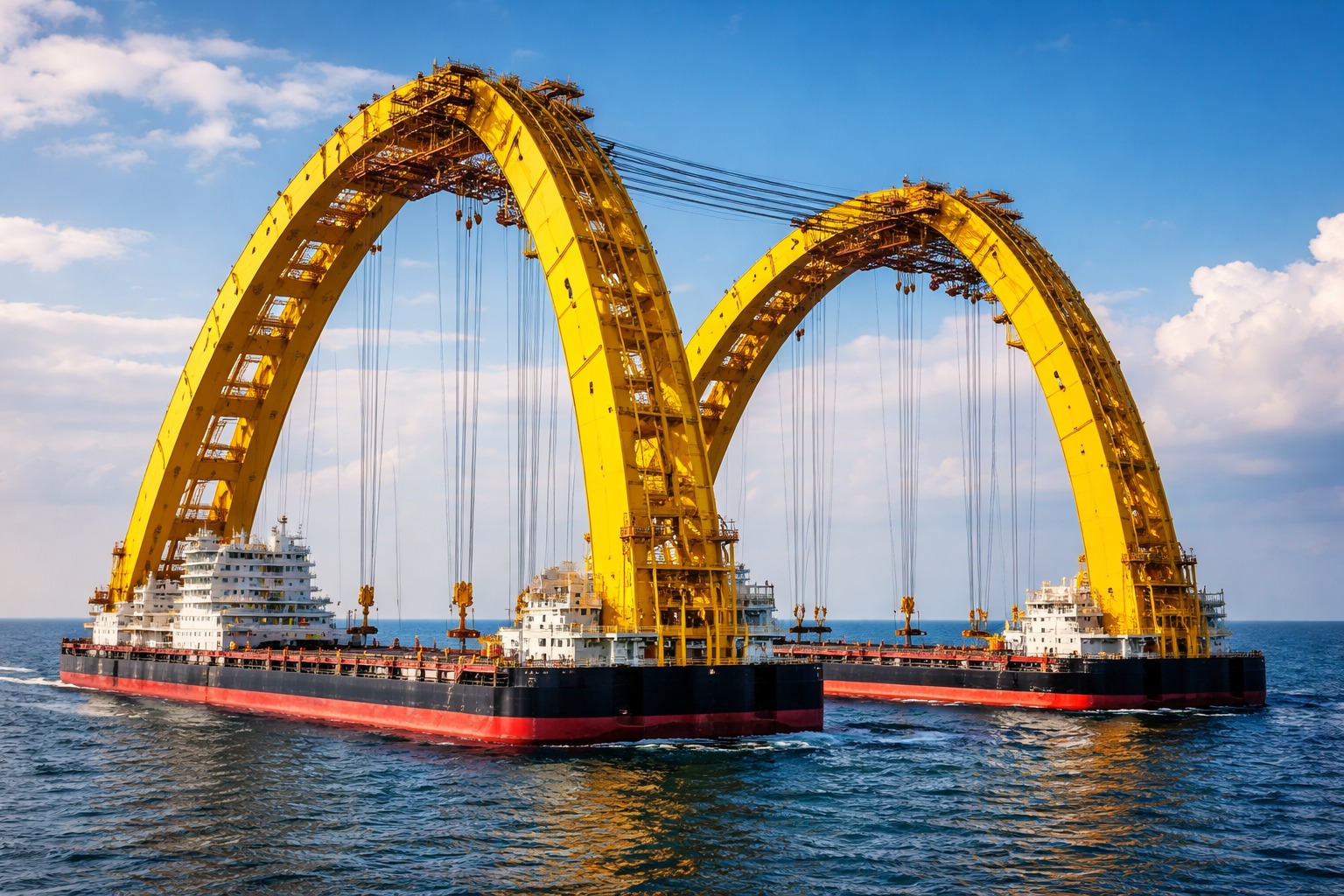
TX-10, The Colossus of The Sea: Largest Lifter Ship in The U.S., With Two Giant Barges, 73-Meter Tall Structure, and Strength to Raise 7,500 Tons of Sunken Oil Rigs

The operation is not just plug and play; there is a whole preparation. Before starting the fueling, a containment barrier, known as an Oil Boom, is placed around the ship. This barrier serves to prevent any oil spills from spreading into the sea in case of a leak, avoiding environmental disasters. At the Port of Paranaguá, for instance, the most commonly used marine fuel is MF 380, supplied by Transpetro.
The Reality At The Port Of Paranaguá
The scene is impressive. Leandro [from the video above] was aboard a tugboat, recording a report, and was able to closely observe the operation of a cargo ship. The dimensions and logistics involved are jaw-dropping. Just imagine, while a truck carries between 10 and 15 tons, a bulk carrier transports between 50,000 and 68,000 tons of cargo in a single trip! This shows the scale of the challenge of how ships are fueled.
During the visit, the YouTuber saw a ship unloading with its holds open and another being fueled. Everything happens simultaneously, a symphony of machines and workers coordinating every movement.
It’s Not Just A Matter Of Filling Tanks
How ships are fueled is an operation that requires precision, technology, and great care. It is not just a matter of filling tanks, but rather ensuring that the fuel reaches its destination without harming the environment. At the Port of Paranaguá, this operation is performed with impressive efficiency, ensuring that maritime trade continues to flow without interruptions.
So, the next time you see a cargo ship at the port, remember the complex ballet that happens behind the scenes to keep these giants moving. Stay tuned for more stories and curiosities from the maritime world!








Seja o primeiro a reagir!