





 Portuguese
  English
  Spanish
  3 min of reading



Oil Is One of the Most Important Commodities in the World, with a Significant Impact on the Global Economy.
The oil prices can influence not only the energy market but also a country’s economy and even the global economy. In this article, we will explore how oil prices have shaped the global economy and what the main factors are that influence these prices.
What Is Oil and Why Is It Important?
Oil is a liquid substance found underground. It is a fossil energy source and is primarily used to produce gasoline and diesel, which power our cars and trucks. Oil is also used to produce plastics, chemicals, fertilizers, and many other products. It is a vital resource for the global economy, as it is the main source of energy used worldwide.
How Do Oil Prices Shape the Global Economy?
Oil prices have a significant impact on the global economy. When oil prices rise, production costs for companies that rely on oil increase, which can lead to higher prices for consumers. This can result in higher survival costs, which can harm the economy.
-
The rise in oil prices could ensure an extra revenue of R$ 100 billion for the Federal Government, indicates a recent economic study.

-
Naturgy begins an investment of R$ 1.6 million to expand the gas network in Niterói and benefit thousands of new residences and businesses.

-
A major turn in the Justice system suspends tax increases and directly impacts oil and gas companies in Brazil by affecting costs, contracts, and financial planning, leaving uncertain what could happen to the sector if these costs had increased.

-
Brava Energia begins drilling in Papa-Terra and Atlanta and could change the game by reducing costs in oil while increasing production and strengthening competitiveness in the offshore market.
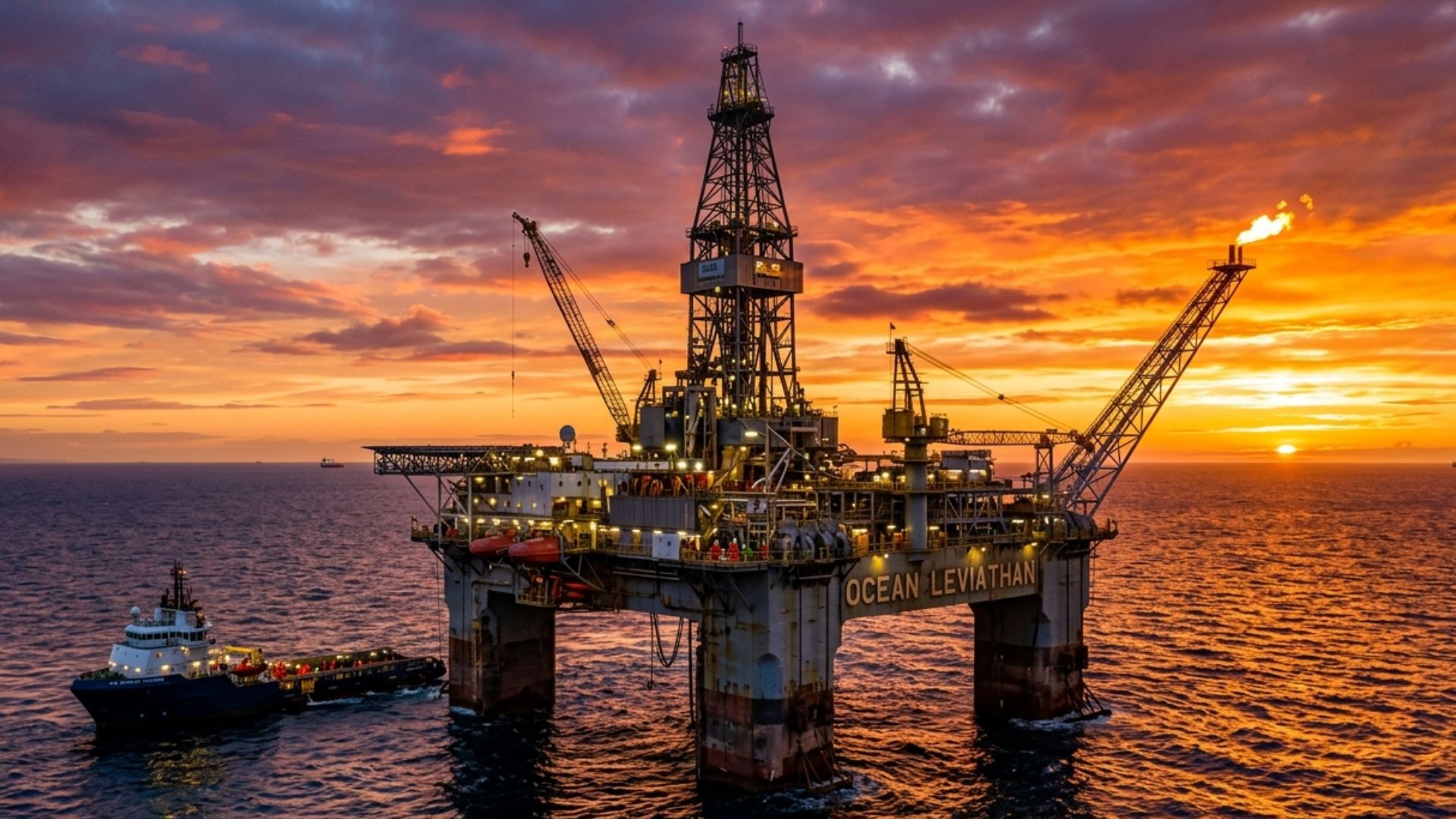

Higher oil prices can affect economic growth performance, as companies have less money to invest in new projects. On the other hand, when oil prices fall, production costs for companies relying on oil decrease, which can lead to lower prices for consumers. This can result in lower living costs and can stimulate economic growth.
What Influences Oil Prices?
There are several factors that influence oil prices. The first factor is supply and demand. When the demand for oil exceeds supply, prices tend to rise. Conversely, when oil supply exceeds demand, prices tend to fall.
The supply of oil is influenced by factors such as crude oil production, oil reserves, and the production of other types of energy. Oil demand is influenced by the global economy, economic growth, and demand for petrochemical products.
Another important factor influencing oil prices is geopolitics. When there are political conflicts in oil-producing regions, such as the Middle East, it can affect oil supply and, therefore, prices. Additionally, weather events such as hurricanes or droughts can impact oil production and, consequently, prices.
Government Policy and Technology Can Also Influence Oil Prices
Technology has also been an important factor in the oil market. With the development of new technologies, such as horizontal drilling and hydraulic fracturing, it has become possible to access oil in previously inaccessible or economically unviable areas. This has increased the oil supply in the global market, which can significantly impact prices.
The policies of oil-producing countries can also impact prices. The Organization of the Petroleum Exporting Countries (OPEC), for example, has a significant influence on the global oil market, as its members account for about 40% of the world’s oil production.
OPEC may decide to reduce or increase oil production to control global market prices. Other oil-producing countries may also take measures to control production and oil prices, which can affect the global market.









Seja o primeiro a reagir!