





 Portuguese
  English
  Spanish
  3 min of reading
  0 comments


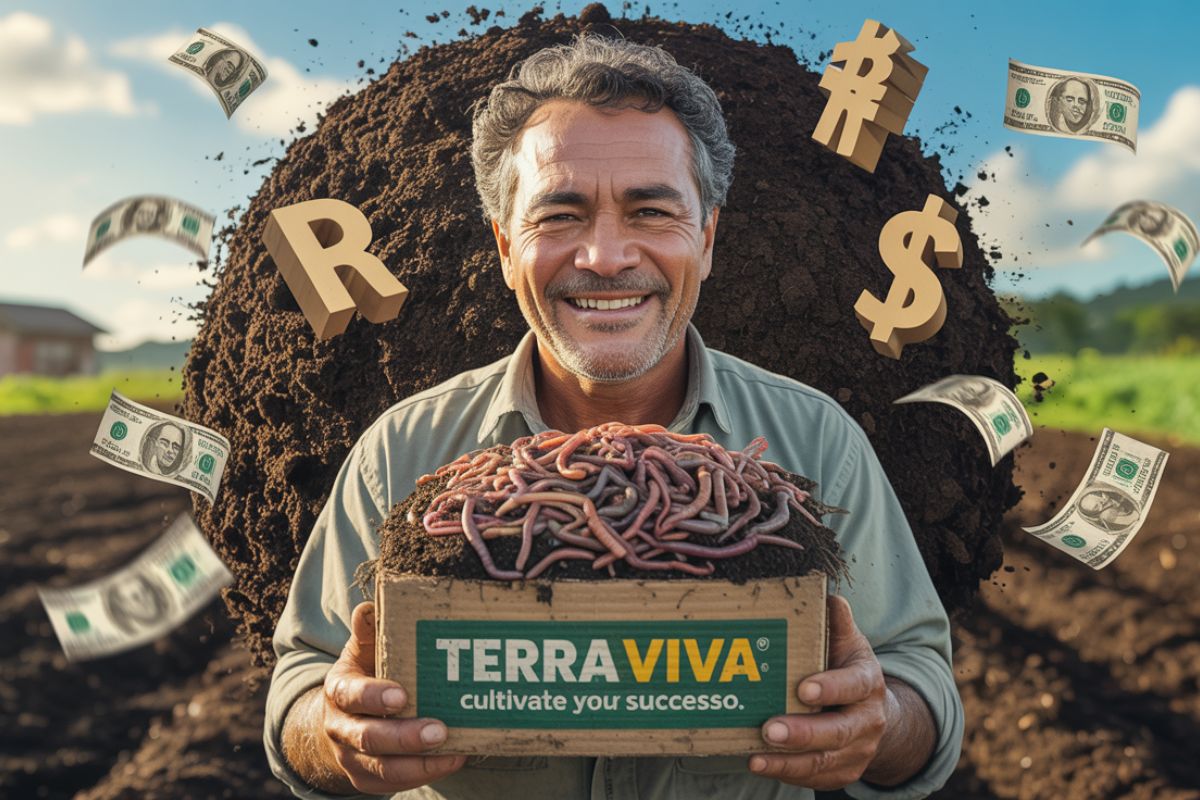
Discover the Low-Cost System That Transforms Manure and Crop Residues into High-Value Products, Generating an Amazing Income for Small Farmers and Promoting the Circular Economy in Agriculture.
Vermiculture, or vermicomposting, is becoming one of the most profitable and sustainable businesses for small farmers in Brazil. With an optimized management system and low initial investment, it is possible to turn organic waste from the farm into a source of profit that can, for a well-structured producer, exceed R$ 200,000 per year.
Far from being a get-rich-quick scheme, the success of the business is based on an efficient biological process and, mainly, on the exploration of multiple high-value products. The secret is not just to produce fertilizer, but to create a business ecosystem that ranges from the sale of humus to the production of worm meal, a valuable ingredient for animal nutrition.
The System: Low Cost and High Efficiency
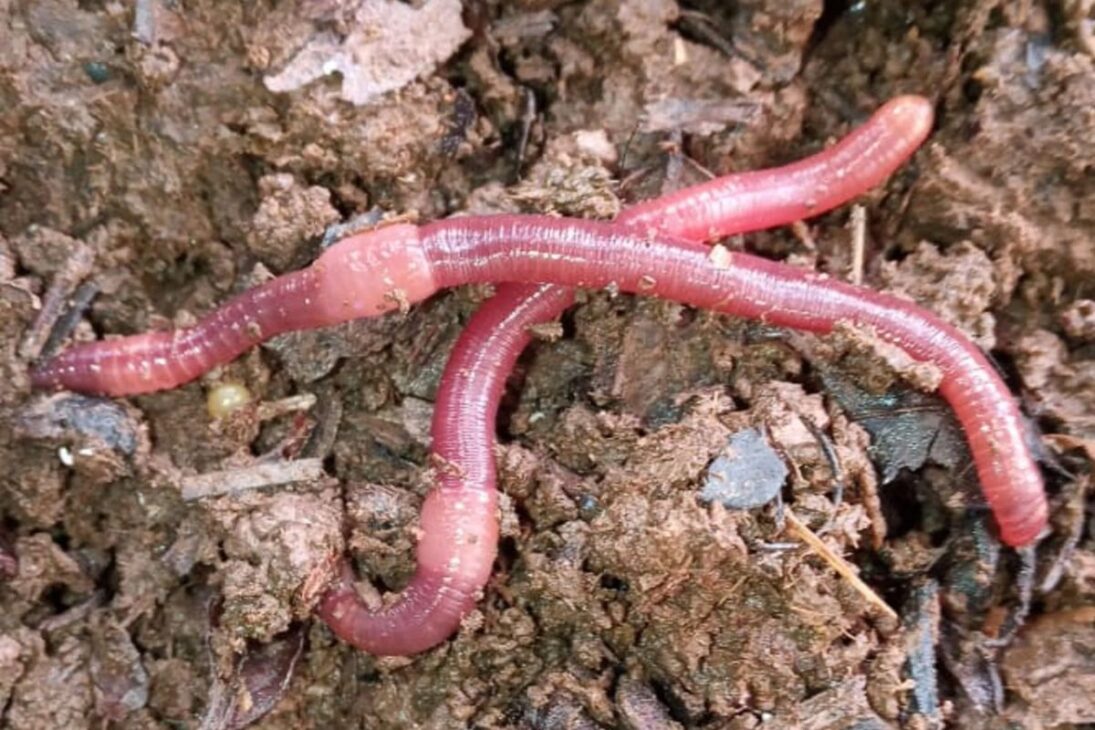
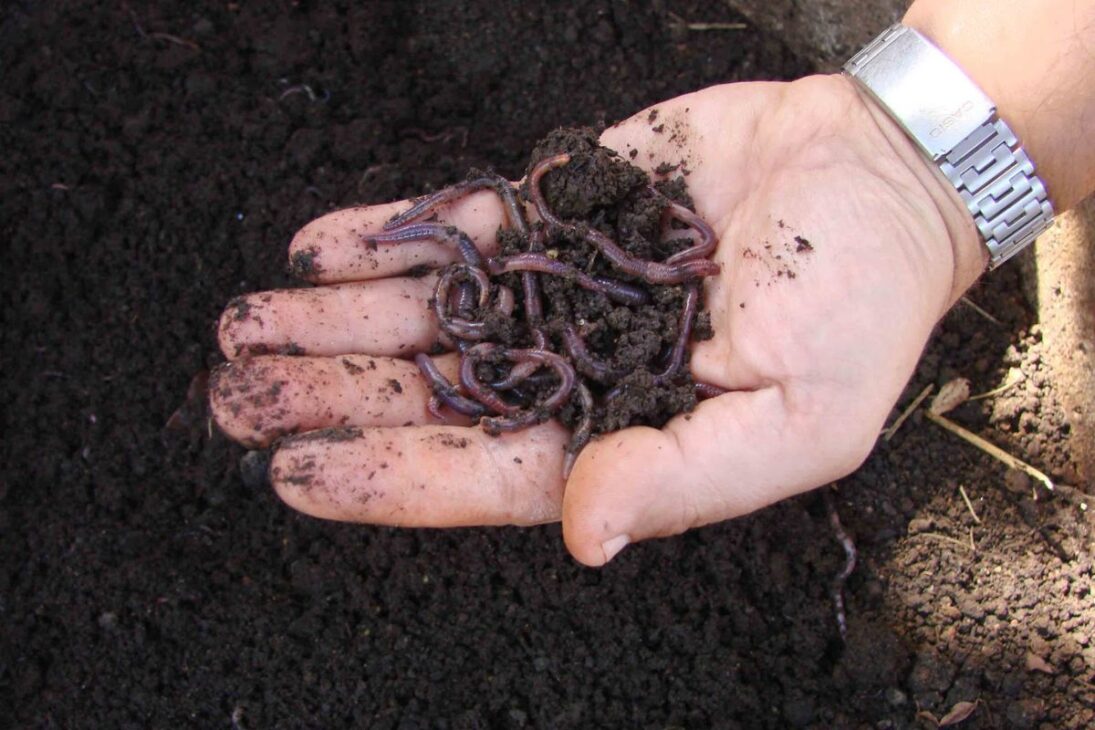
The basis of the high-yield worm farming system is the worm California Red (Eisenia fetida). This species was not chosen by chance: it is extremely voracious, reproduces quickly, and adapts well to captivity, consuming daily the equivalent of its own weight in organic matter.
-
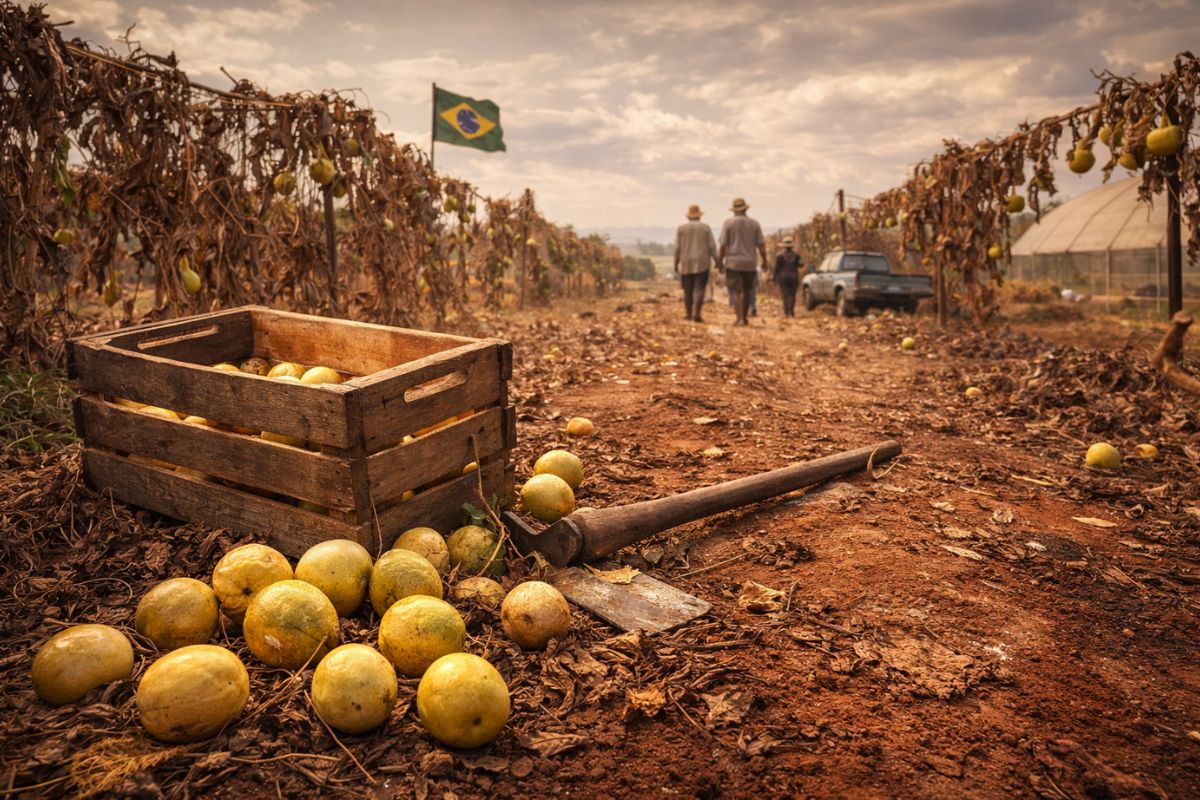
From 130 producers in the year 2000 to just 15 today: the dramatic decline of passion fruit in Araguari shows how the lack of labor in the Brazilian countryside is killing a decades-old agricultural tradition, even with Brazil being the largest producer in the world.
-
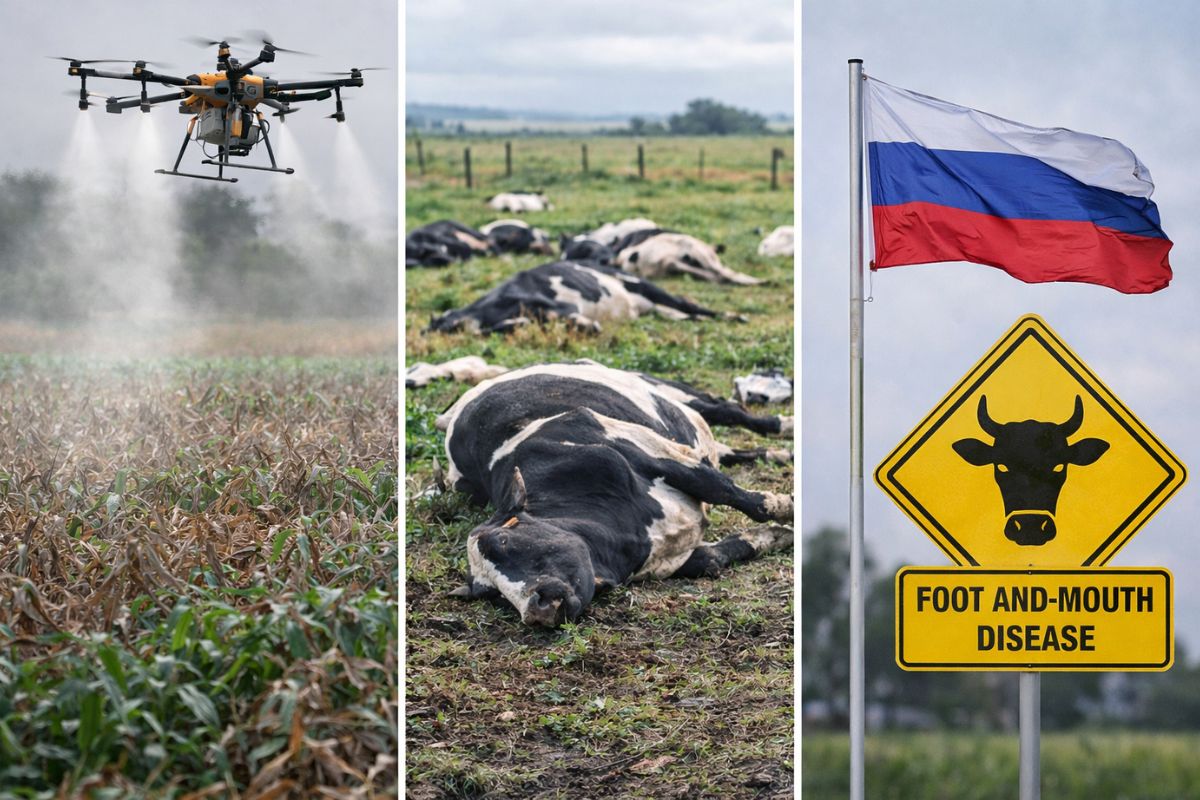
Agricultural drone sprayed poison into the air and destroyed the neighbor’s crops, causing 1 million in damages; 48 cows died from nitrite poisoning in the pasture, and Russia is hiding a possible outbreak of foot-and-mouth disease: the week was brutal for the rural sector.
-
Russia cut fertilizers, China cut fertilizers, and oil prices soared with the war in the Middle East: sugarcane producers in the interior of São Paulo are seeing costs explode from all sides and warn that the effects will take months to be absorbed.
-
It does not come from flowers, is produced only every two years, and more than 90% goes straight to Europe: meet the bracatinga honeydew honey from Santa Catarina, considered one of the rarest in the world and overlooked by Brazil itself.

The process for small farmers is simple and low-cost:
- The Worm Beds: The farming is done in “beds” or plots, which can be set up directly on the ground (over a tarpaulin or cement floor) or in masonry boxes.
- The Feeding: The cost of the raw material is practically zero. The worms are fed with already decomposed cattle or horse manure, mixed with grass residues, straw, and other plant waste from the property.
- The Cycle: Under ideal humidity and temperature conditions, the worm population can double every 40 to 60 days, and the humus production cycle takes, on average, 60 to 90 days.
The Three Sources of Profit from Vermiculture
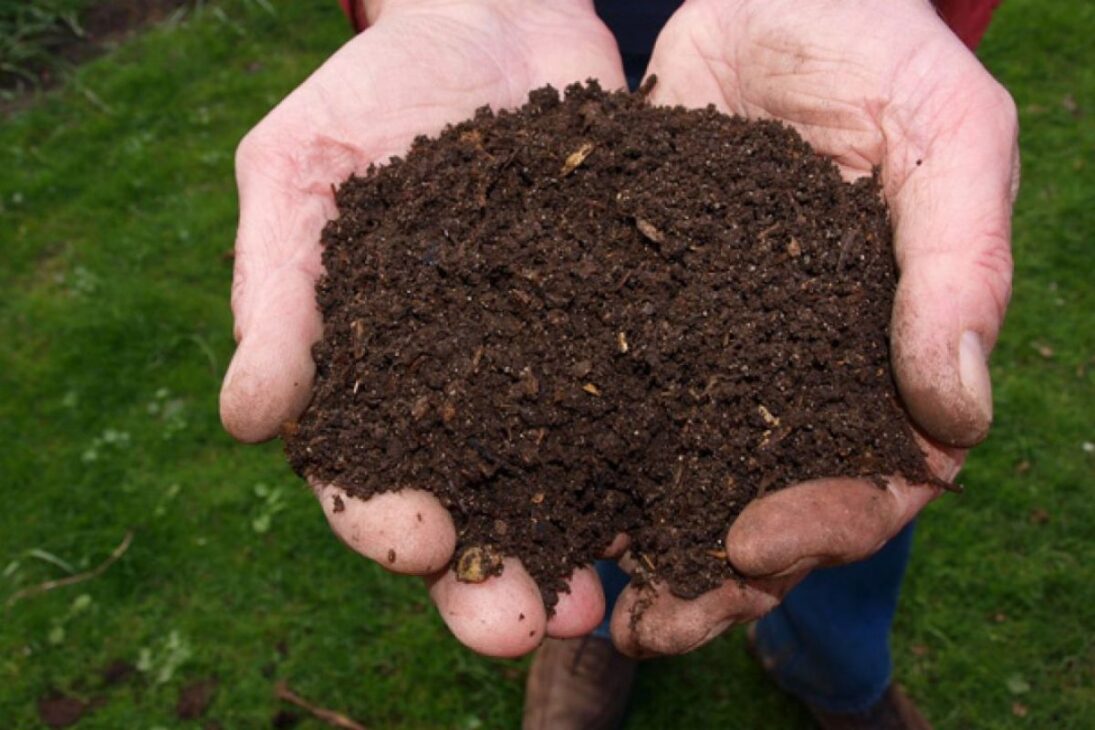
The key to achieving high revenue is to diversify production. A well-managed worm farm generates three products with excellent market acceptance.
- Worm Humus: This is the main product, an organic fertilizer of the highest quality. Its market ranges from flower shops and garden centers to large producers of organic vegetables. The wholesale price per ton can vary from R$ 800 to over R$ 2,000.
- Live Worms (Breeders): The excess worms generated by the high reproduction rate are sold to new producers who are starting their farms and to the fishing market as bait. The price per thousand (1,000 worms) varies from R$ 50 to R$ 150.
- Worm Meal: This is the product with the highest added value. The worms are dehydrated and ground, resulting in a meal with a protein content that can reach 75%. It is used in the feeding of fish, poultry, and frogs as a sustainable substitute for fish meal. The price per kilogram of worm meal can be sold for R$ 30 to over R$ 60.
How Can Small Farmers Reach R$ 200,000?
The figure of R$ 200,000 per year is ambitious, but perfectly plausible. In a conservative simulation for a producer with 1,000 m² of plots, the calculations close as follows:
- Revenue from Humus: An annual production of 200 tons, sold at a low price of R$ 800/ton, generates R$ 160,000.
- Revenue from Live Worms: The sale of a small excess, such as 500 thousands at R$ 70 each, can generate R$ 35,000.
Adding just these two products, the gross revenue already exceeds R$ 195,000. If the producer decides to invest in processing a small portion of the worms to produce the high-value meal, the revenue can easily exceed R$ 215,000 per year.
The vermiculture system proves that it is possible for small farmers to create a highly profitable business, sustainable and aligned with the principles of the circular economy, transforming what would be waste into a source of wealth.
And you, what do you think of vermiculture as a business opportunity for small farmers? Do you believe that the circular economy is the future of agribusiness? Share your thoughts in the comments!









-

-

2 pessoas reagiram a isso.