





 Portuguese
  English
  Spanish
  8 min of reading
  0 comments


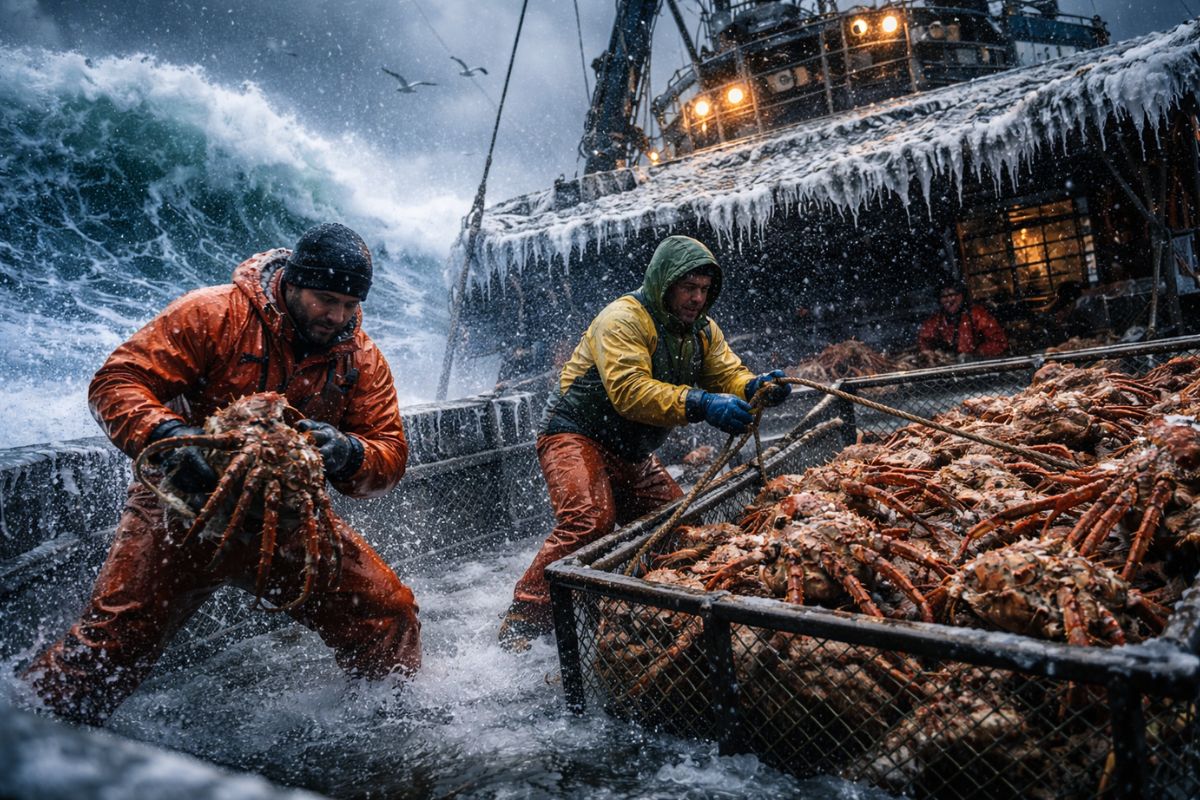
In the Short Winter Season in Alaska, King Crab Fishing Turns into a Gold Rush in the Bering Sea, with 136 kg Traps, Frozen Deck and Real Risk of Death in Exchange for Million-Dollar Gains.
In Alaska, the king crab season lasts only a few weeks and turns the Bering Sea into a battlefield. In winter, waves over 12 meters hit the hull, winds howl above 100 km/h and the freezing fog covers everything, while cables and railings turn into ice plates.
Still, entire crews embark because the reward is brutal: a single season can yield king crabs worth US$ 2 million. For those who live by the sea, it is a chance to change lives, pay off accumulated bills and return to port with a prize that only appears for those who dare to work at the limit.
Where It Happens and Why Alaska Is So Unforgiving

The fishing takes place in Alaska, in the stormy waters of the Bering Sea, a place famous for sudden storms capable of turning an apparently calm sky into a nightmare in a matter of hours.
-
Nikola Tesla said that intelligent people tend to have fewer friends, and now science partially confirms this: a study with over 15,000 people showed that for the more intelligent, socializing too much can even reduce life satisfaction.

-
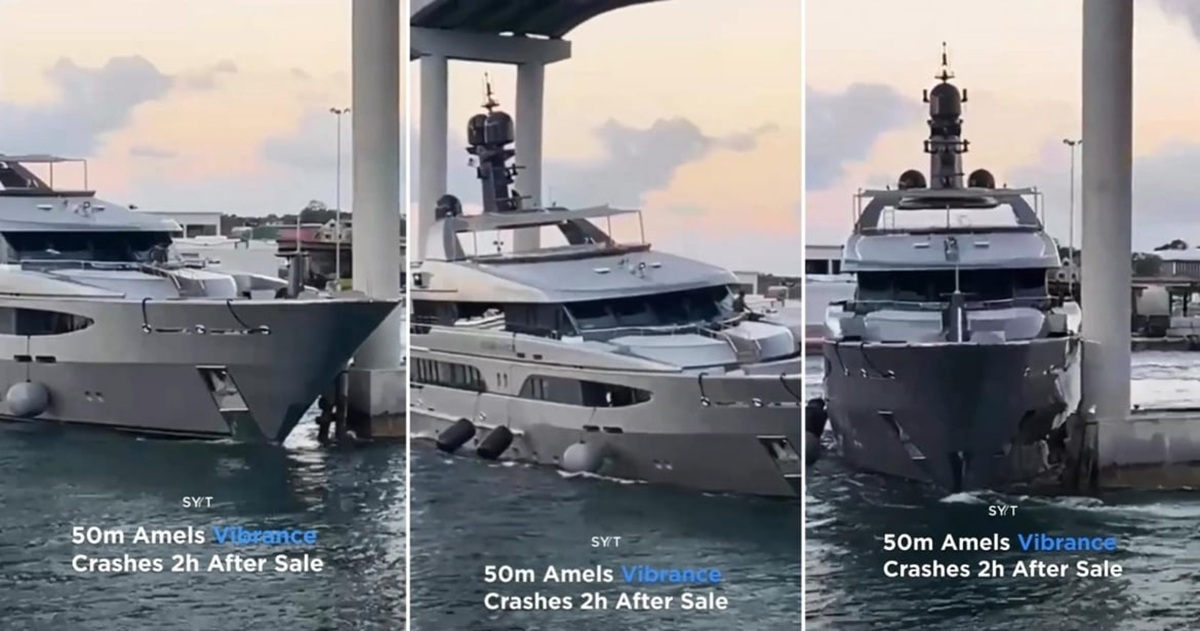
A superyacht worth US$ 17 million is delivered in impeccable condition, sets out to sail, and hits a bridge in the Bahamas just two hours later.
-
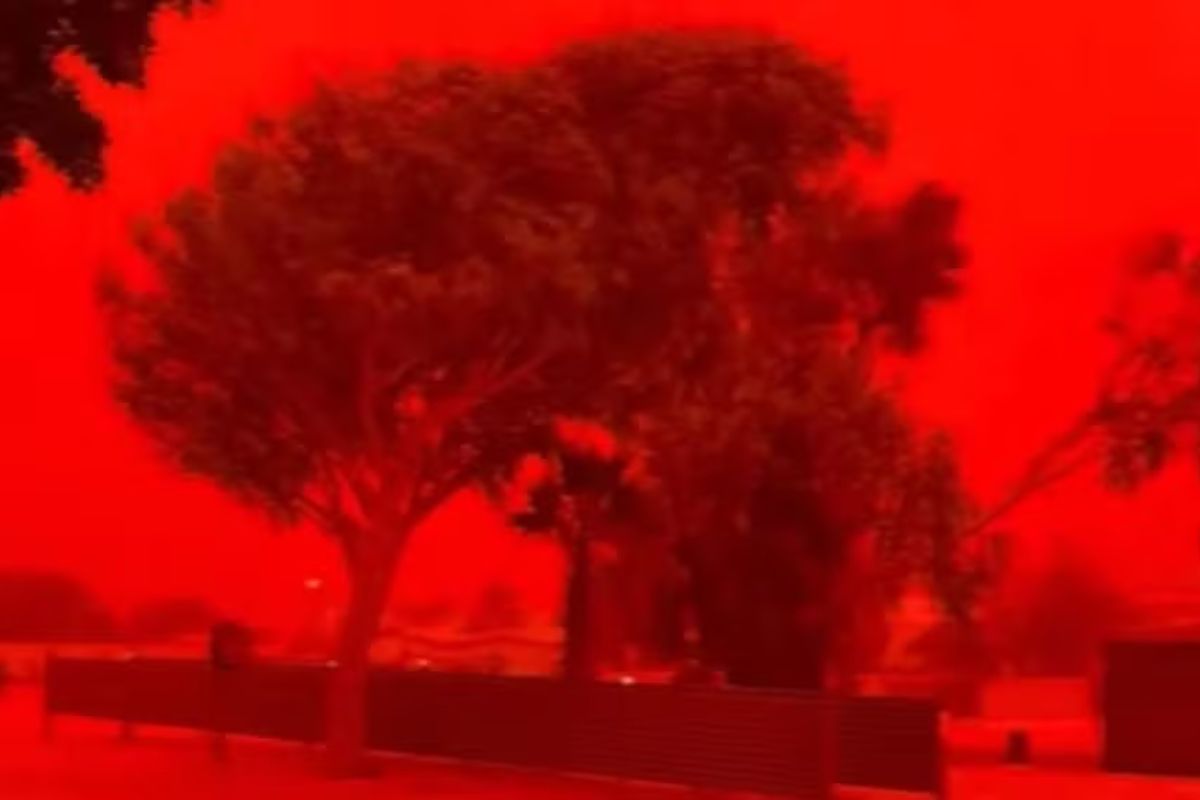
Residents of Australia woke up to a sky completely red like blood before the arrival of Cyclone Narelle, which hit the coast with winds of 250 km/h, tearing off roofs and lifting iron dust in a scene they described as apocalyptic.
-
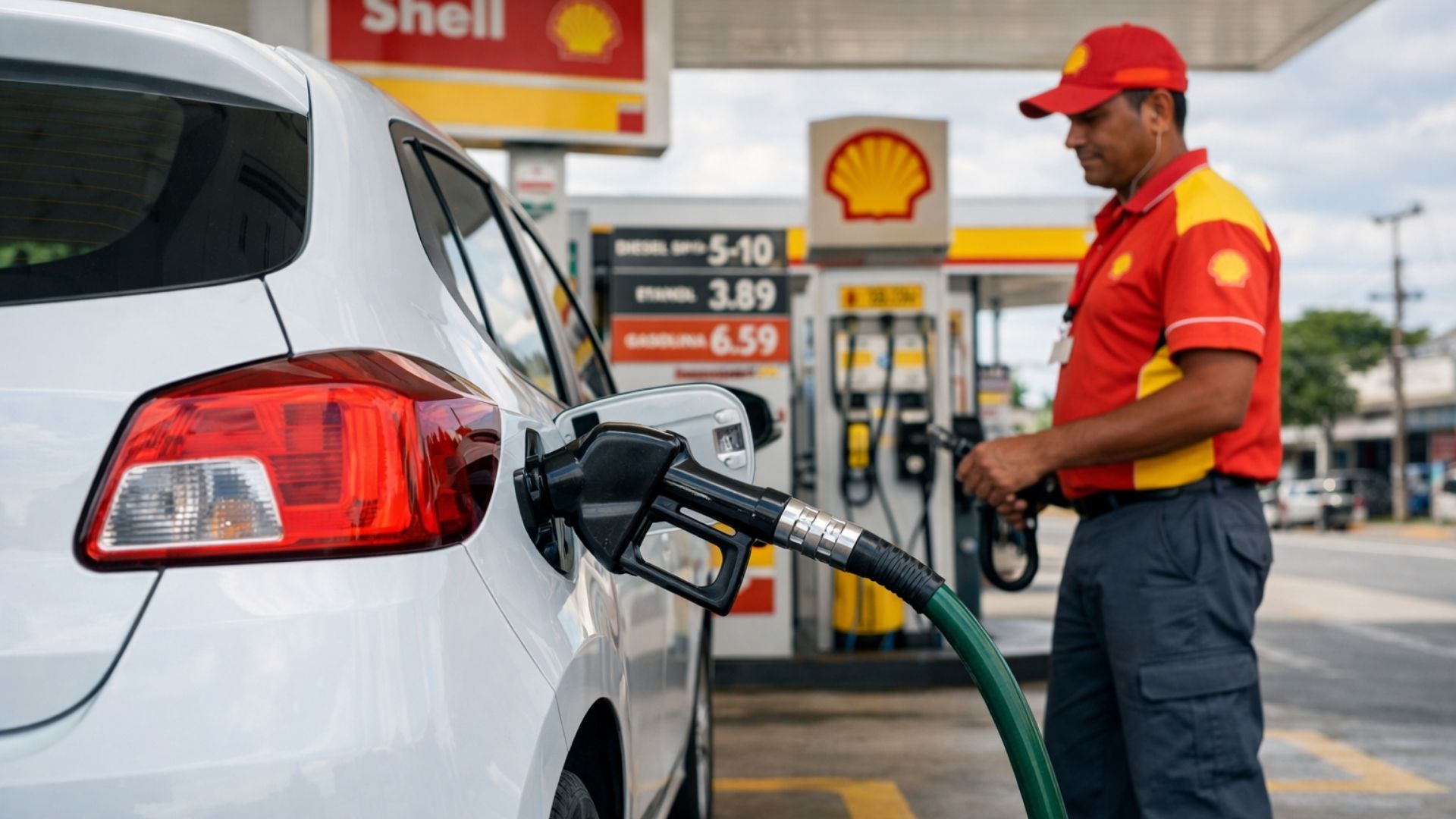
New 100% clean fuel produced in Brazil could retire diesel.

The winter ocean there leaves no room for romanticizing. It roars, shakes, breaks, and freezes.
The steel deck turns into an unstable, wet, and slippery area. The cold is not a detail. It is part of the system that kills.
The seawater that hits the ship freezes quickly and forms a smooth layer that turns every step into a gamble. In such a scenario, there is no “routine” of work. There is a repeat of risk, minute by minute.
The Modern Gold Rush Called King Crabs

The king crab season in Alaska lasts only a few weeks a year. This detail changes everything. A short window creates urgency, pressure, and dangerous choices.
Every outing to sea becomes a race against time, against other boats, and against the weather itself.
The king crab is treated as a treasure of seafood, one of the most expensive on the planet.
The value lies not only in the final product but in what it represents for those who fish: enough money to reconfigure the lives of an entire crew. The logic becomes simple and cruel.
The more dangerous, the better the profit. The sea selects who returns and who does not.
The Size of the Prize and the Real Weight of Each Catch

The central number guiding this fishing is straightforward: US$ 2 million in a single season. To achieve this, it takes more than good intentions. One must hit the right spot, timing, operation, and survive until the end.
There is one detail that explains why each trap on the ocean floor is worth as much as a lottery ticket: a single king crab can weigh up to 20 pounds, about 9 kg.
When boxes and more boxes start to accumulate, the sum doesn’t grow slowly. It jumps.
During weighing, the numbers rise like wide steps: 500 pounds, 800 pounds, then thousands.
Each stop on the electronic scale becomes a psychological trigger. It is not just food being measured. It is the value of weeks of risk being transformed into money.
Before Setting Sail, the Deck Turns into a Workshop and the Margin for Error Goes to Zero
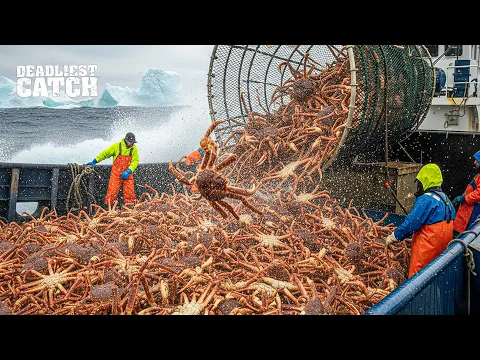

Before entering the Bering Sea, heavy work begins at the port.
The deck transforms into a busy workshop, with equipment inspections, cables being rewound, and radar and navigation systems calibrated precisely. Preparation is not a luxury; it is a defense.
What weighs most is not just the storm that may come. It is the combination of small failures with an extreme environment.
A poorly tied cable, a bad knot, a miscalibrated radar, a wrong route decision. Any detail can cost an entire season. At certain moments, it can cost a life.
Human Pressure: Family Waiting, Bills Piling Up, Decision at the Limit

Aboard, there is not only physical risk. There is emotional pressure.
Behind each fisherman, there is a family waiting. Children waiting for news of their father’s return. Bills piling up.
The promise of coming back with a hold valuable enough to change the course of everything.
This tension shows on their faces. A hard mix of resilience in the face of danger and the desire to reach the US$ 2 million that seem to be waiting at the bottom of the sea.
In such a scenario, fishing becomes more than work. It becomes a contest with fate.
The Departure and the Trap of Calmness That No One Believes
The sea may start calm. And this, in Alaska, is almost a trick. No one trusts it. The blue sky can turn into a furious storm in a matter of hours.
The wind changes and the landscape changes along with it, as if someone had swapped the planet.
When the first waves arrive, the deck begins to shake violently. Each impact reminds them that they are entering a territory where treasure is glued to the possibility of death.
There is no way to separate the two. Wealth lies in the same place as danger.
The Moment When Work Becomes Combat
When the boat reaches rich areas of king crabs, the most brutal phase of the operation begins: launching and retrieving traps amid the chaos.
The giant traps are lined up on the deck, ready to be dropped to the ocean floor. Each one weighs over 136 kg. This is not something that is “handled.” It is something to be controlled with strength, technique, and team synchronization.
The dynamics require almost mechanical coordination. One member releases the trap, another holds the cable, another marks the position on the radar.
The tensioned steel cable does not forgive distraction. One mistake, and it can launch a sailor into the cold sea.
The Cold Turns the Ship into a Deadly Trap
The sea threatens not only with waves. It threatens with ice.
With seawater hitting the deck and extreme temperatures, the ship can freeze quickly. Cables become covered in ice. Railings turn into slippery bars.
The floor turns into a smooth layer, like a track. The word “trap” ceases to be a metaphor.
The risk becomes even more severe with the temperature information: falling overboard means contacting icy, deadly waters, below minus 20 degrees Fahrenheit.
The body loses reactive capacity. The survival window becomes narrow. That is why every step is calculated. Every movement must have purpose.
The Sea Changes Mood and the Deck Becomes a Lottery in Real Time
After the last traps are launched, the worst turn may arise: the sky darkens suddenly, dense clouds appear, and in an instant, the ocean changes state.
Waves rise like walls and break right on the bow, making the steel hull tremble.
The boat enters the logic of “withstand.” It’s no longer about choosing conditions. It’s about enduring what comes.
Water floods in. Ice accumulates.
The deck becomes soaked and frozen at the same time. And no one is allowed to stop, for every lost minute means money that doesn’t return.
In practice, it means traps on the ocean floor working for less time and a wasted short season.
The Wait That Seems Endless and the Fear That No One Verbalizes
The crew works in silence with their eyes on the dark horizon. The weather creates an atmosphere that pushes everyone inside their own heads.
The question that hangs does not need to be said: will the trip end with a return or a disappearance?
That’s how Alaska is. There is the story of the boat that returns, and there is the story of the boat that does not return. Both types leave from the same port.
The Return of the Traps and the Explosion of Relief on the Deck
When the time to retrieve the traps arrives, the tension rises again.
Each trap that emerges is a revelation. It may come empty, it may come full, it may come with weight that changes the season’s fate.
At the moment the traps start bringing king crabs, the deck changes climate. Bright red king crabs appear in masses, writhing in the containers.
The fear gives way to controlled excitement, for the sea is still there, and the ice can still kill.
But there is a focus that dominates everything: the scale.
The Scale as Court: 500, 800, Thousands and the Jump to US$ 2 Million
Boxes are placed on the electronic scale and the numbers start to rise. First hundreds. Then thousands. With each new reading, the emotional accounting grows alongside.
Tens of thousands of dollars enter the captain’s logbook as if they were a count that determines the future of everyone on board.
When the final total reaches the market of over US$ 2 million, the reaction is almost always the same: a brief silence, as if no one believed it, followed by applause.
It’s not just a celebration. It’s a release. It’s the body understanding it survived the worst.
From the Frozen Deck to Luxury in Global Cities
From there, the story changes scenery, but not intensity.
Boxes of king crabs go to the port and are quickly transported to processing plants on land.
In a few days, they appear on sophisticated tables in cities like New York, Tokyo, and Shanghai. They become a luxurious dish that only high-end restaurants serve.
The contrast is brutal. At sea, ice on the cables, slippery deck, waves throwing men overboard, wind cutting the face.
On land, porcelain, glasses, soft lighting, and sweet meat served as a status symbol.
The Real Price Behind the Money and Prestige
The aura of superiority of king crabs hides the human cost.
Accidents, injuries, and deaths are part of the context of this fishery, described as one of the most dangerous professions in America, where wealth and loss walk hand in hand.
Alaska is unpredictable. The Bering Sea negotiates nothing.
And each season, the real question is not only how much can be captured but whether there will be the courage to return and whether there will be a chance to come back alive.
What Remains After Returning to Port
When the ship finally returns, the sea may calm under a reddened sunset. On the deck, boxes of king crabs pile up like mountains.
On the exhausted faces, what appears is something that mixes satisfaction and relief.
The season ends, but the feeling is not of an end.
It’s of a pause. Because the cycle is short, the window of money is small and the attraction for the prize resurfaces as soon as winter approaches again.
And then comes the final question, simple and direct, that separates curiosity from courage: would you embark on a season of king crabs in Alaska knowing that the prize may be US$ 2 million, but the sea may not let you return?






-

-

-

-

-

12 pessoas reagiram a isso.