





 Portuguese
  English
  Spanish
  3 min of reading
  0 comments


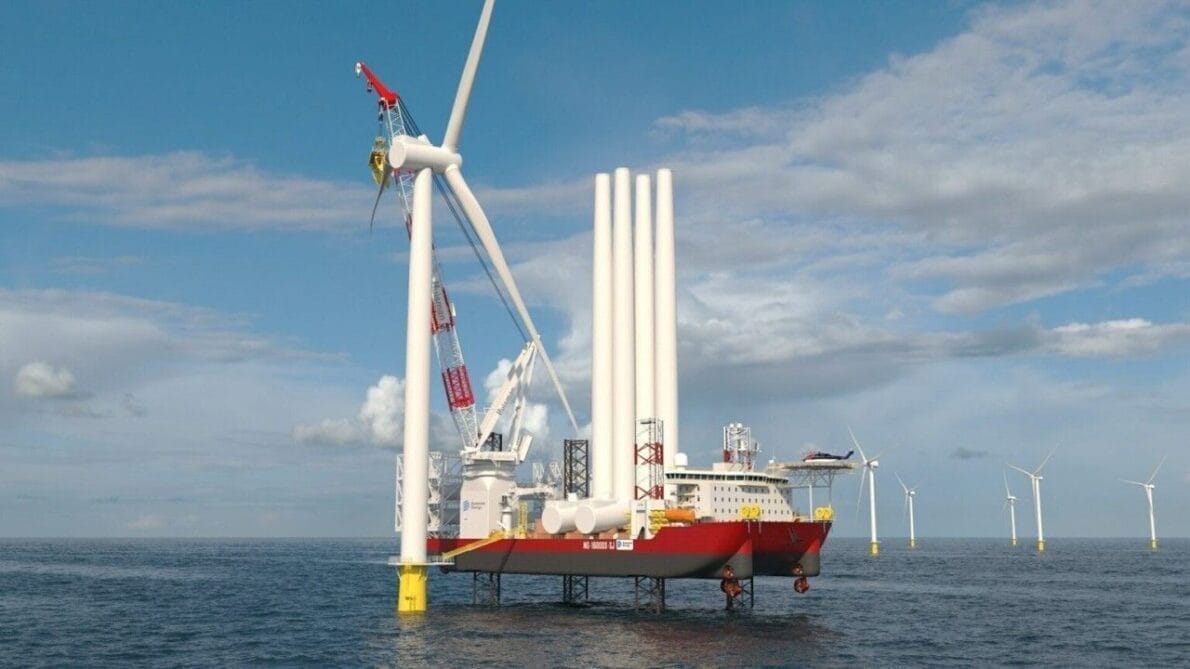
Offshore Wind Energy Has Emerged as a Promising Renewable Energy Source, Offering Significant Advantages Over Its Land-Based Counterpart. However, Installing Wind Turbines at Sea Faces a Series of Unique and Complex Challenges.
The installation logistics is one of the first challenges. Offshore wind turbines are enormous structures, with towers that can exceed 100 meters in height. Transporting these gigantic components from the manufacturing site to the installation site at sea is a Herculean task, requiring specialized ships for the entire assembly process of offshore wind farms.
These ships need to carry and maneuver these colossal pieces while facing often unpredictable weather conditions, which can cause significant delays and increase project costs.
Offshore Wind Farm Capacities
Currently, the capacity of the turbines is about 9 MW per unit, with expectations to increase to 11 MW next year. The latest turbine models are expected to reach 15 MW within five years.
-
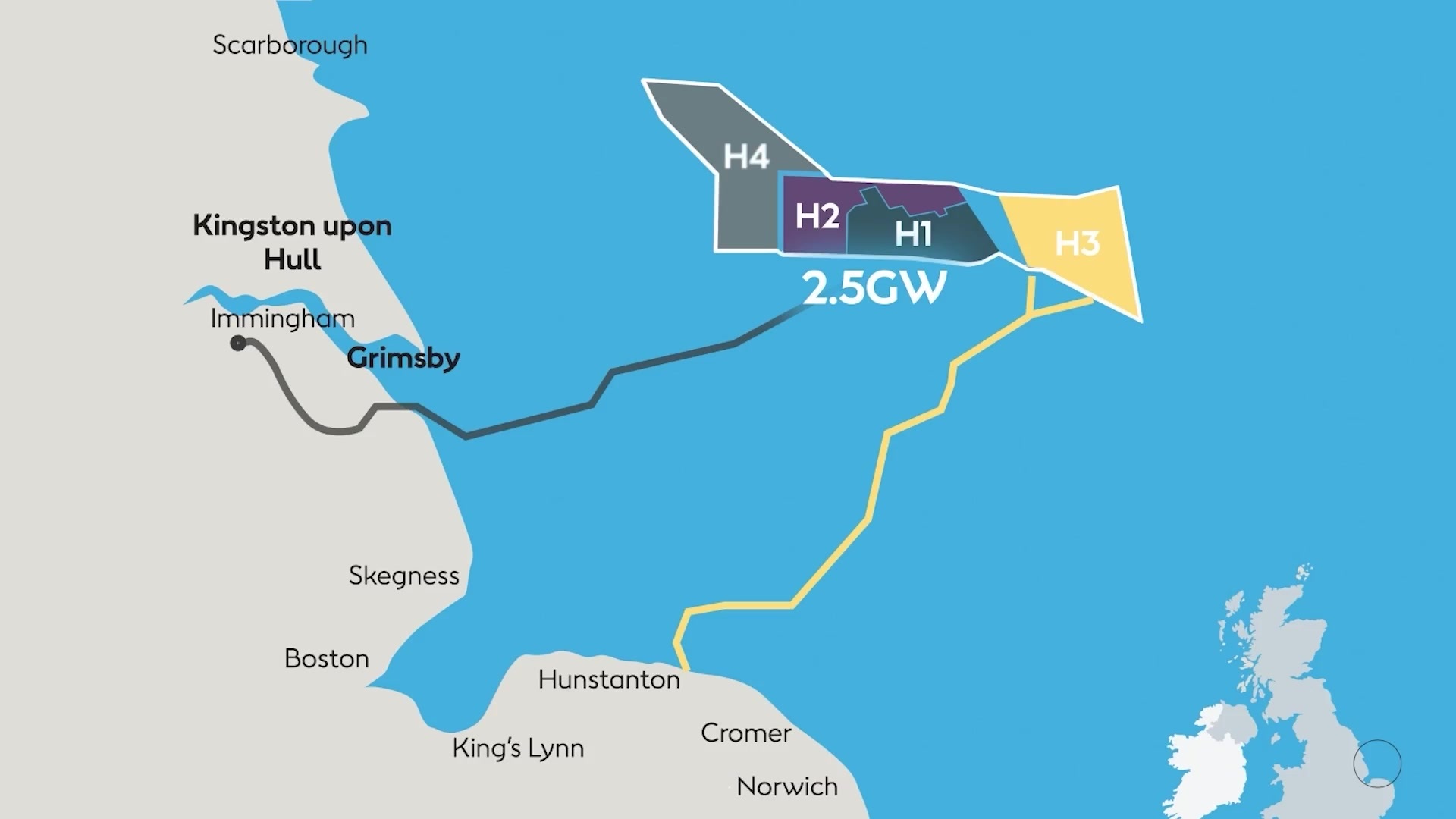
231 turbines of 260 meters at 160 km from the coast, monopiles weighing as much as nine blue whales embedded in the North Sea, and a crane ship taller than the Eiffel Tower: Hornsea 3 will be the largest offshore wind farm on the planet by 2027, and its first components have already arrived in England.
-
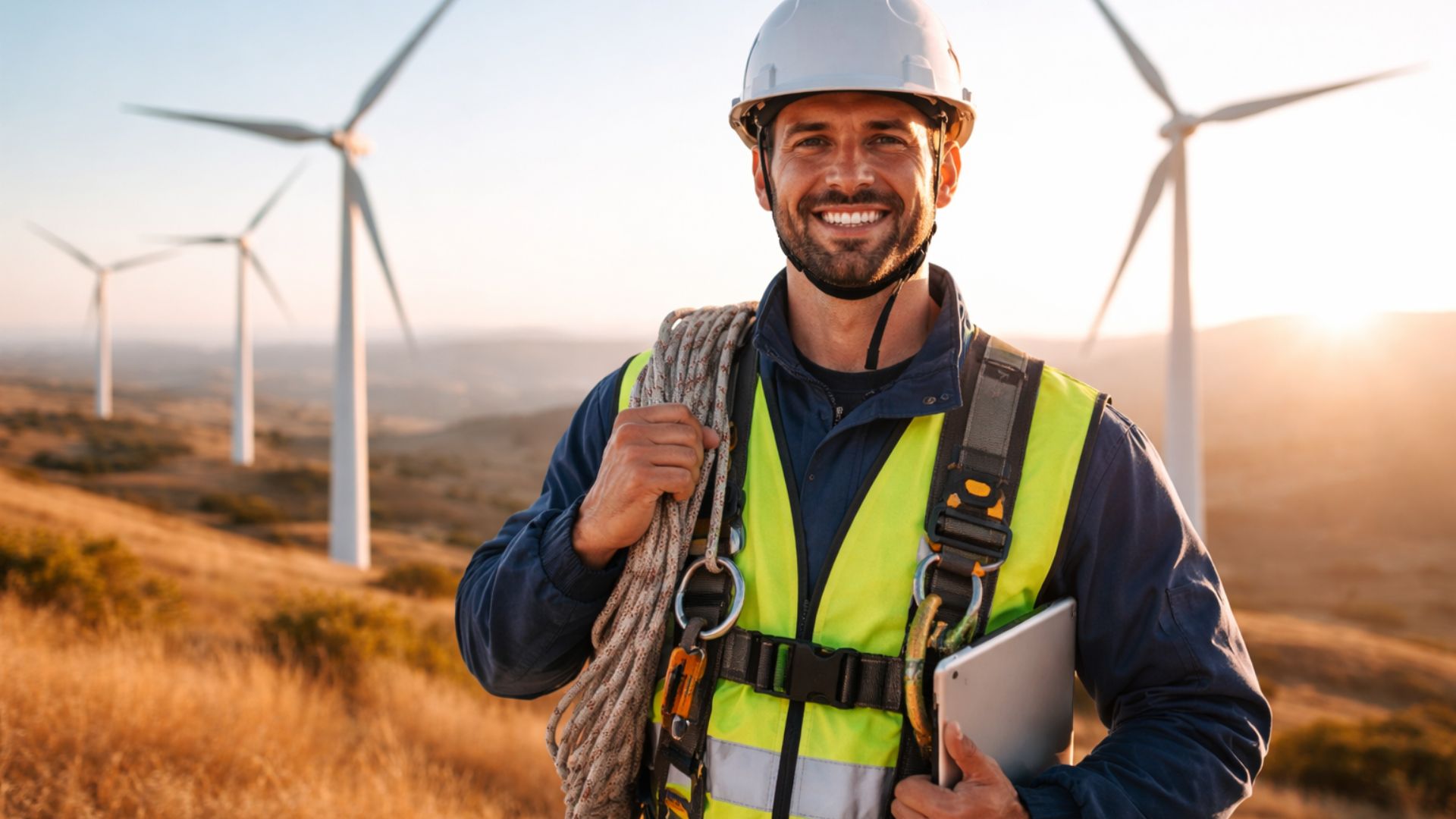
International Certification Puts Senai Norte on the Renewable Energy Map and Expands Access to Essential Training for Qualified Wind Power Professionals
-
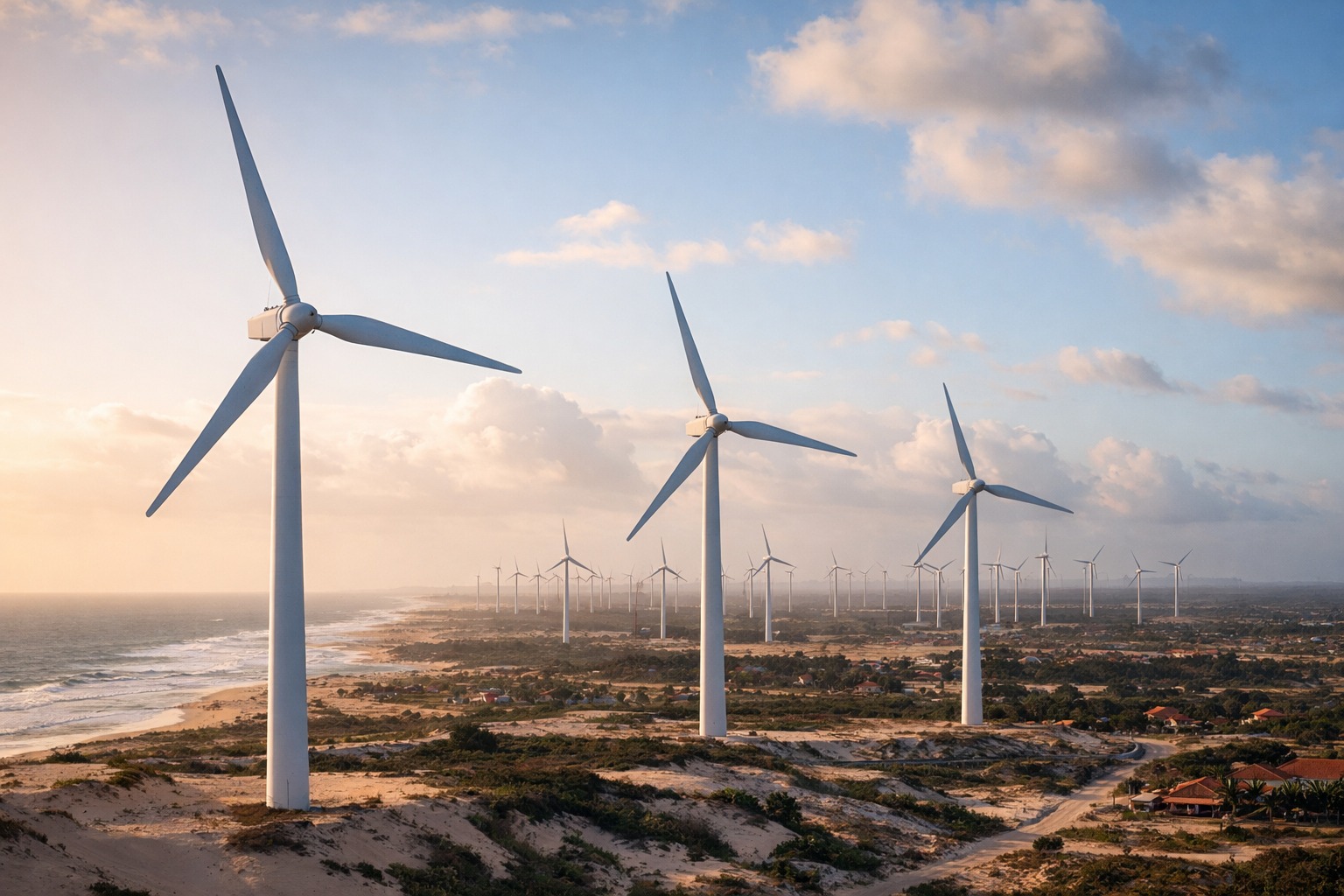
The Winds of the Northeast Are in Foreign Hands: Nearly 70% of the Region’s Wind Farms Are Owned by International Companies, with France, China, and Italy Leading Investments in Wind Energy in Brazil
-
Echoenergia’s Wind Farms Receive Diamond and Platinum Seals and Boost Carbon Credits with Projects that Prevent Large Volumes of Annual Emissions
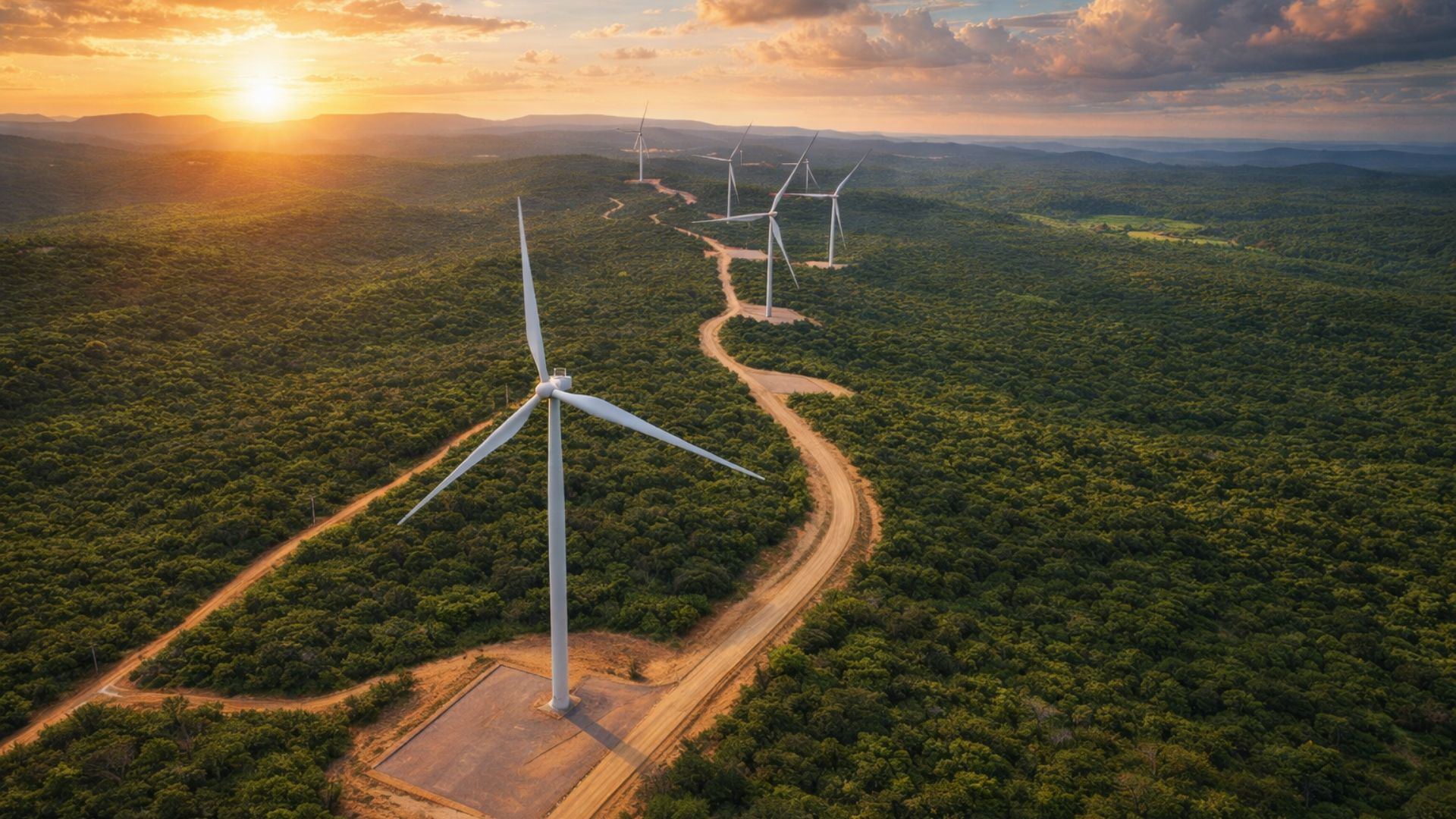

The size of components, such as turbine blades that are approaching 130 meters in length, presents challenges for both storage and transportation on a ship’s deck. Longitudinal transportation of the blades is limited by the length of the ship, while transverse transportation can cause the tips of the blades to touch the water due to the ship’s rocking.
Weather and environmental conditions represent another significant challenge. The marine environment is harsh and unpredictable. Storms, high waves, and strong ocean currents can hinder the installation and maintenance of turbines. Corrosion caused by saltwater is a major issue. All equipment must be manufactured with corrosion-resistant materials, which increases costs and complicates the manufacturing process.
Giant Immersed Wind Energy Piles at Sea
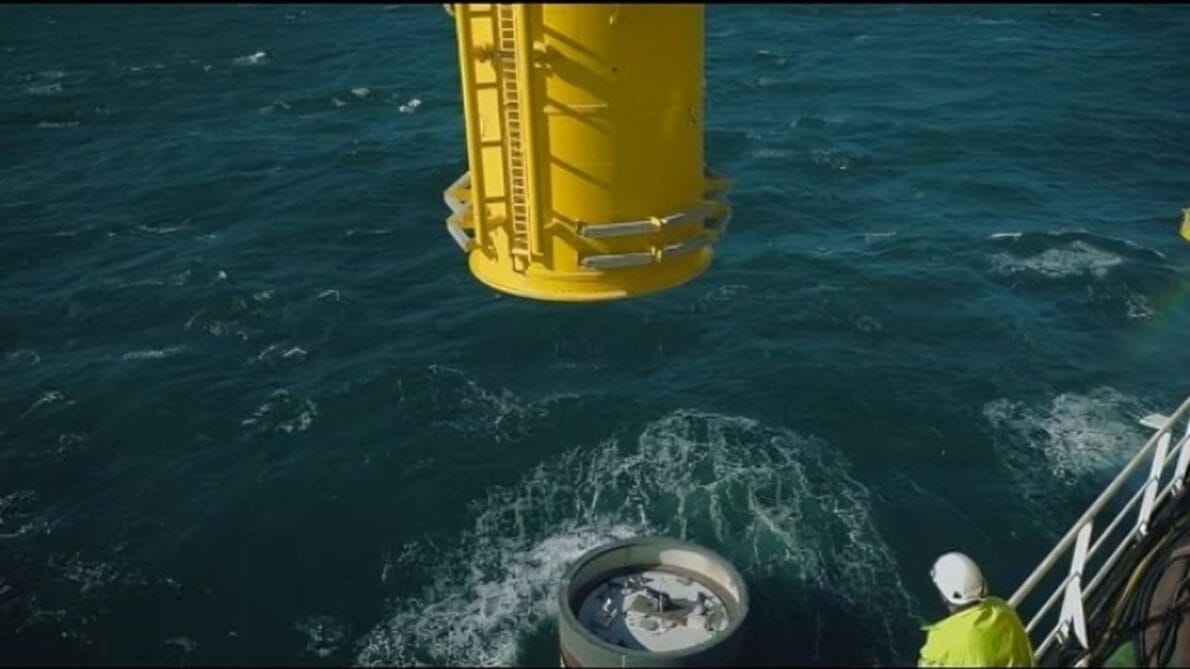
The creation of giant immersed wind energy piles at sea, rather than located on mountains or plains, requires modified materials for resistance to saltwater corrosion. The towers face buffeting loads from waves around the base, converging towards the use of tubular steel towers treated for corrosion resistance, especially in the splash zone.
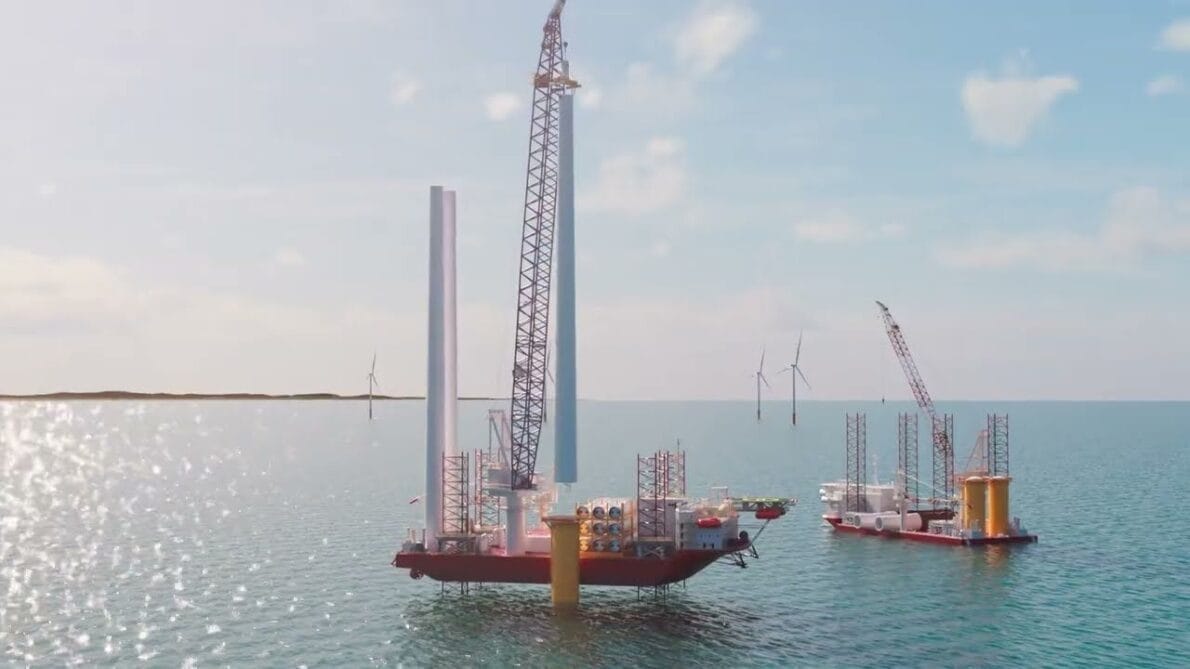
Specialized ships, such as “jackup rigs,” are used to install the foundations and turbines. The next generation of these ships can lift between 3,000 and 5,000 tons to 160 meters. Large and heavy components require precision handling, aided by gyroscopes and dynamic positioning.
Monopile foundations have been widely used due to their economic viability for constructing offshore wind farms in shallow water locations. The typical construction of a monopile foundation includes using a pile driver to drive a hollow steel pile 25 meters deep into the seabed. The inside of the pile is filled with concrete for greater erosion protection.
Energy from Offshore Turbines
For transmitting energy from offshore turbines to onshore plants, high-voltage cables are installed on the ocean floor. For distances shorter than 80 km, high-voltage alternating current (HVAC) systems are more economical. However, for longer distances, high-voltage direct current (HVDC) is preferable due to lower energy loss.
Installing HVDC submarine cables requires complex technologies to handle adverse environments, such as high waves and currents. Using aluminum conductors instead of copper can reduce costs, although aluminum is less dense, increasing cable movement and potentially causing damage.
The manufacturing of submarine cables involves cutting and welding processes to minimize material loss and improve safety and efficiency. Cathodic protection coatings and epoxy are applied to reduce corrosion, crucial for the durability of the cables in harsh marine environments.
Installing these cables is a significant investment, reflecting the growing importance of offshore wind energy in the energy matrix. This technology promises a greener future, despite the challenges that still need to be overcome.








Seja o primeiro a reagir!