






 Portuguese
  Spanish
  3 min of reading
  0 comments



Imagine A Transportation That Is Fast, Sustainable, and Doesn’t Get Stuck in Traffic. This Is the Aeromovel, A 100% Brazilian Invention That Promises to Revolutionize Urban Mobility. But, Unfortunately, It Seems That Only Brazil Has Yet to Recognize Its Potential. Let’s Learn More About This Marvel of Future Transportation.
It All Started With Oskar Coester, A Gaucho Engineer Who, Inspired by A Comment From Varig’s President, Rubem Berta, Had the Idea to Create A Means of Transportation That Would Solve the Problem of Getting to the Airport Faster. Instead of Increasing the Speed of Airplanes, Why Not Improve Transportation in Cities? And So the Aeromovel Was Born, A System Powered by Air, Automatic and Sustainable.
The Aeromovel Is Like An Opposite Sailing Ship: Instead of Being Pulled by the Wind, It Is Pushed by Compressed Air. It Runs on Elevated Tracks, Avoiding Traffic Jams and Pollution. This Genius Idea Attracted Worldwide Attention, and Today There Are Aeromovel Projects in 16 Countries, Including China and Indonesia. However, in Brazil, It Is Still Little Used.
How Does the Aeromovel Work?
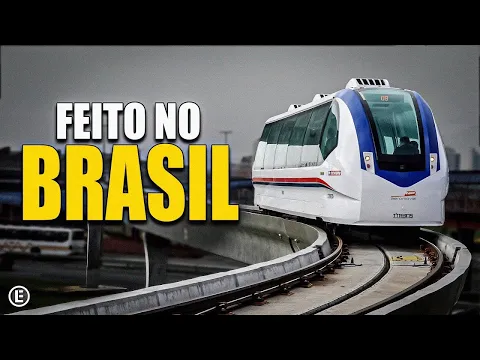

The Aeromovel Works Simply and Efficiently. It Is Powered by Compressed Air, Which Eliminates the Need for Motors and Fuels Onboard. This System Is Lightweight, Economical, and Environmentally Friendly. The Air Pressure Is Generated by Industrial Fans or Compressors, Which Push the Vehicle Along Elevated Rails.
-
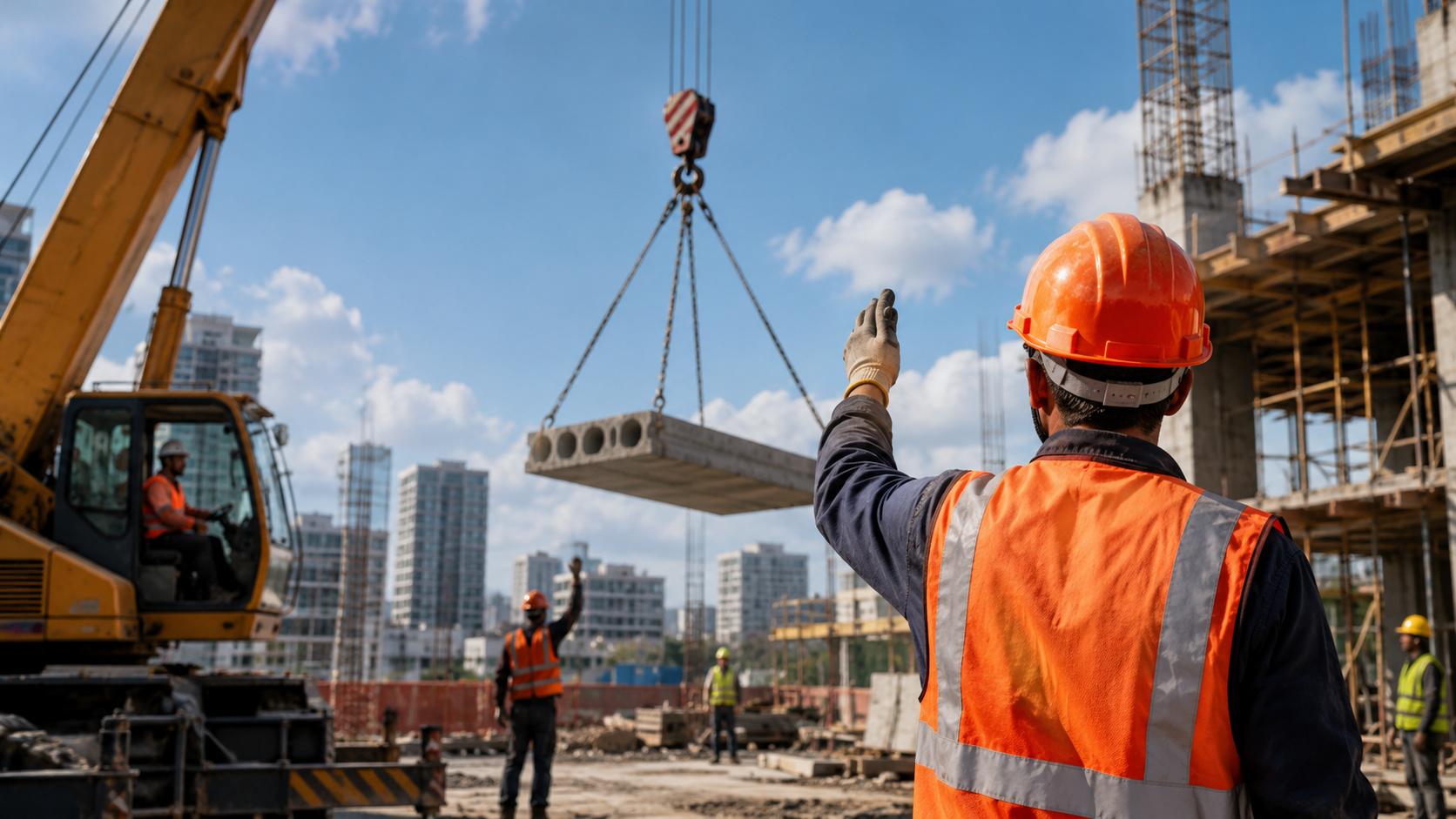
Why can the crane operator only obey the correct signalman on the construction site: among dozens of workers, a hand raised by the wrong person can confuse the maneuver and turn a load of tons into an immediate risk.

-
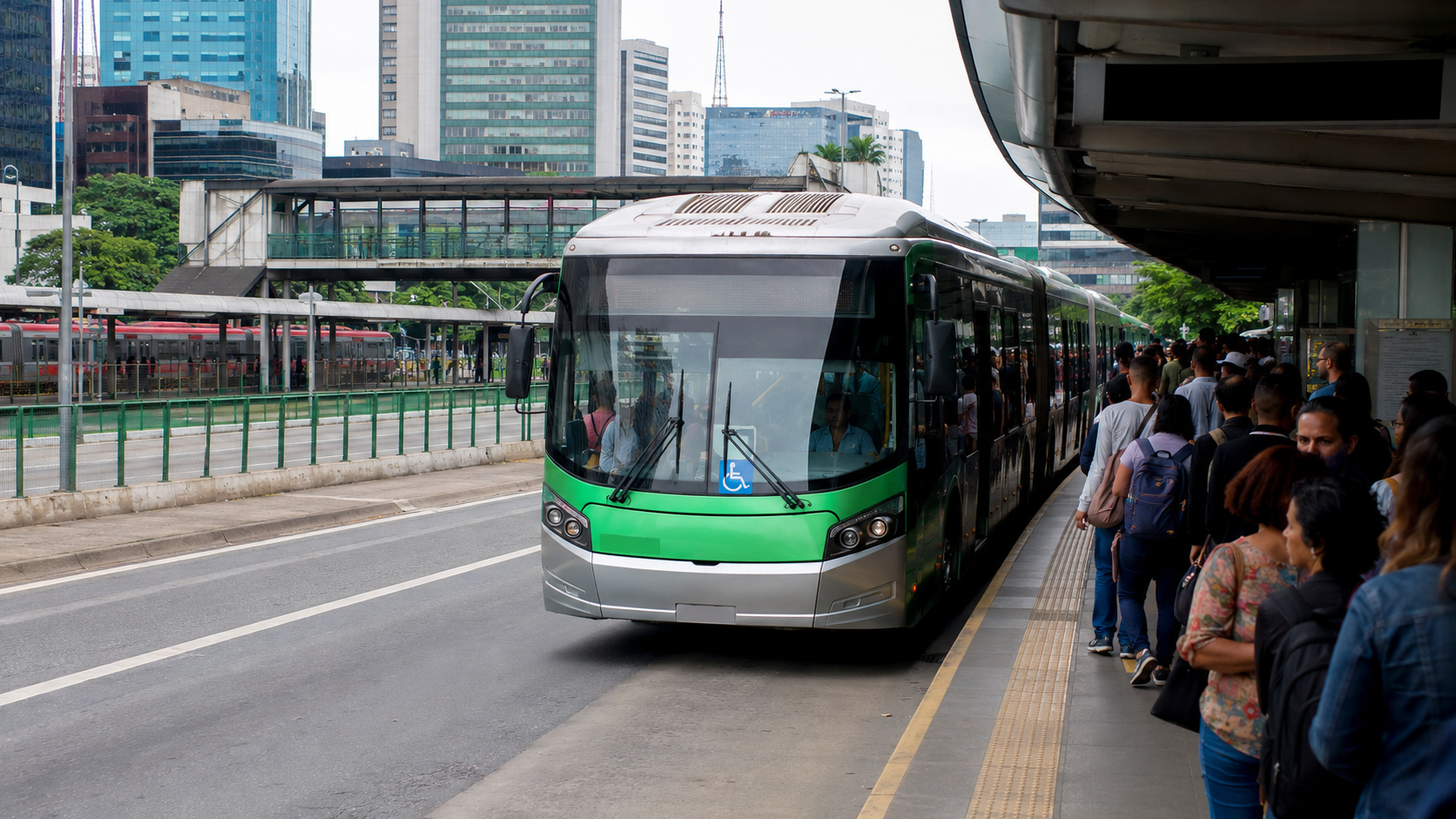
What changes with the new public transportation rules that can reduce pressure on fares and pave the way for zero fare in Brazil?
-
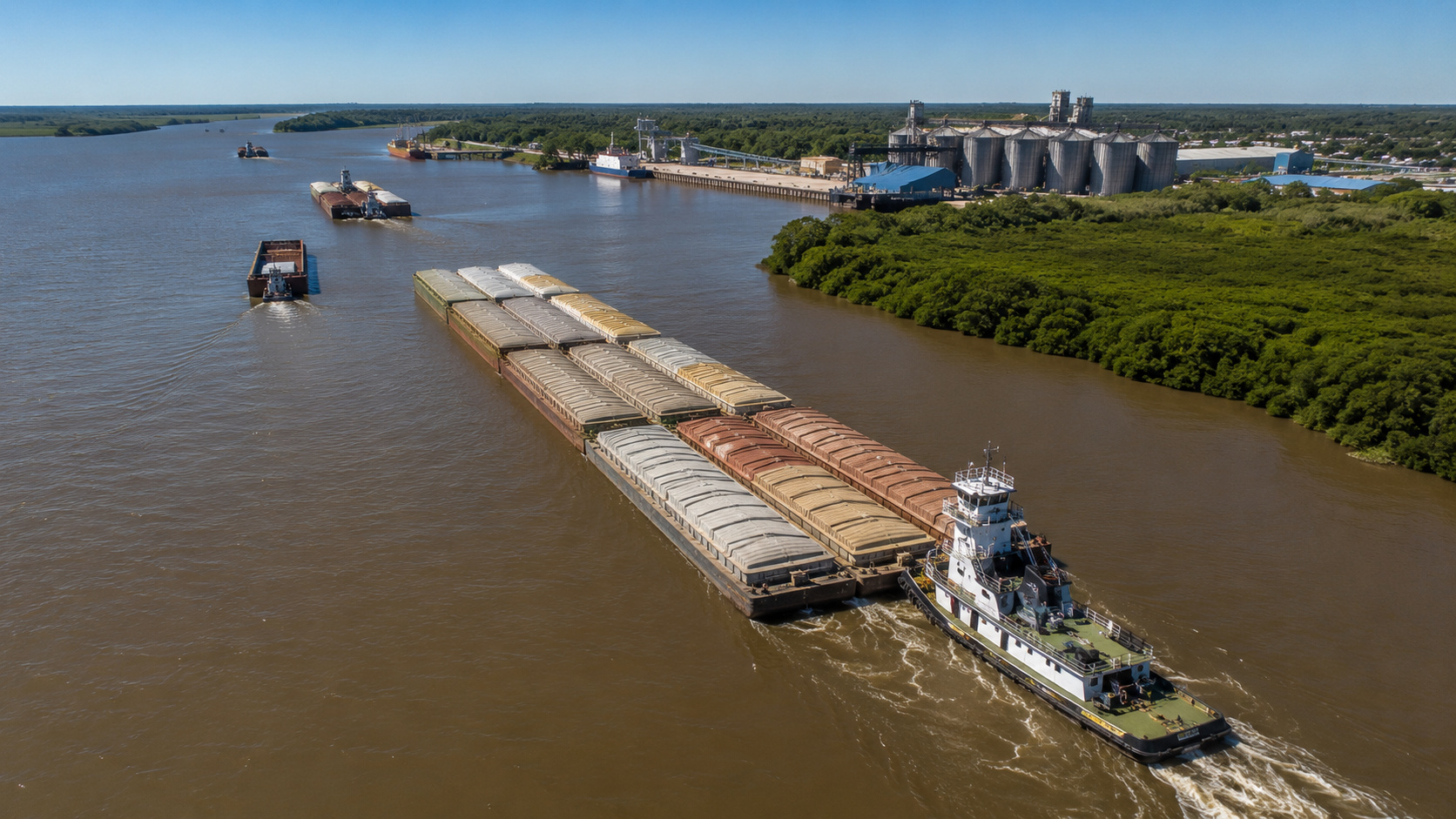
Argentina confirms Belgian giant to lead strategic Paraná River waterway and promises to reduce logistical costs on one of South America’s most important routes
-
MBRF surprises the logistics sector by demonstrating how Artificial Intelligence can directly influence deliveries throughout Brazil by reorganizing distribution routes in seconds, optimizing fleet usage, reducing logistics costs, and speeding up product arrivals even in the face of unforeseen road incidents.
In Porto Alegre, There Is A Line Connecting Salgado Filho Airport to the Metropolitan Train. This Line Was Inaugurated in 2013 and Has the Capacity to Transport 10,000 Passengers a Day. In Indonesia, the Aeromovel Connects Tourist Areas in Jakarta and Transports Hundreds of Passengers Daily.
The Future of Transportation Is in the Air
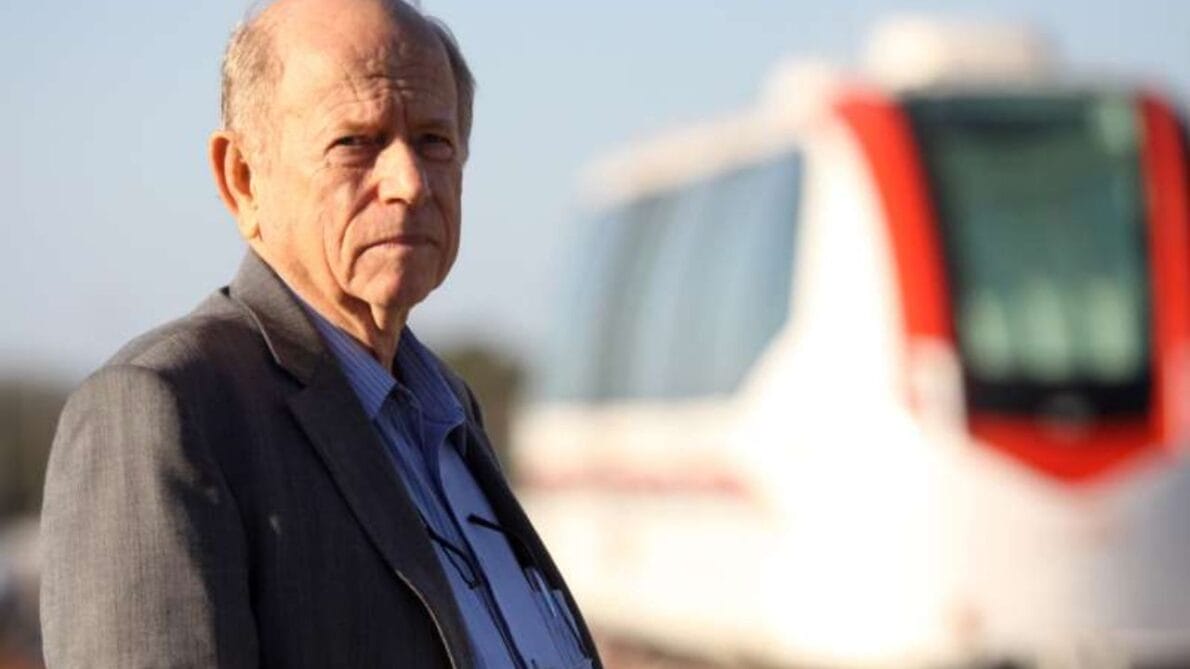
Despite All the Advantages, the Aeromovel Still Faces Resistance and Lack of Investment in Brazil. The Construction of Elevated Tracks and the Adaptation of Cities Are Challenges, but the Benefits Outweigh the Obstacles. The Aeromovel Not Only Reduces Travel Time but Also Contributes to Sustainability, Avoiding Air Pollution and Traffic Congestion.
The Future of Urban Transportation Lies in the Elevated Tracks of the Aeromovel. With Growing Urbanization and the Need for Sustainable Solutions, It’s Time for Brazil to Invest in Technologies That Can Transform Our Cities. The Aeromovel Is One of Those Solutions, An Example of Brazilian Innovation That Can Make a Difference Worldwide.
The Aeromovel Is A Brilliant Idea That Has Yet to Receive Due Attention in Brazil. While Other Countries Embrace This Technology, It’s Time to Look at Our Own Inventions and Acknowledge Their Value. The Transportation of the Future Is Already Here, and It Is Powered by Air. Let’s Support and Invest in the Aeromovel to Build A More Sustainable and Efficient Future for All of Us.





Be the first to react!