





 Portuguese
  English
  Spanish
 3 min of reading
  1 comment


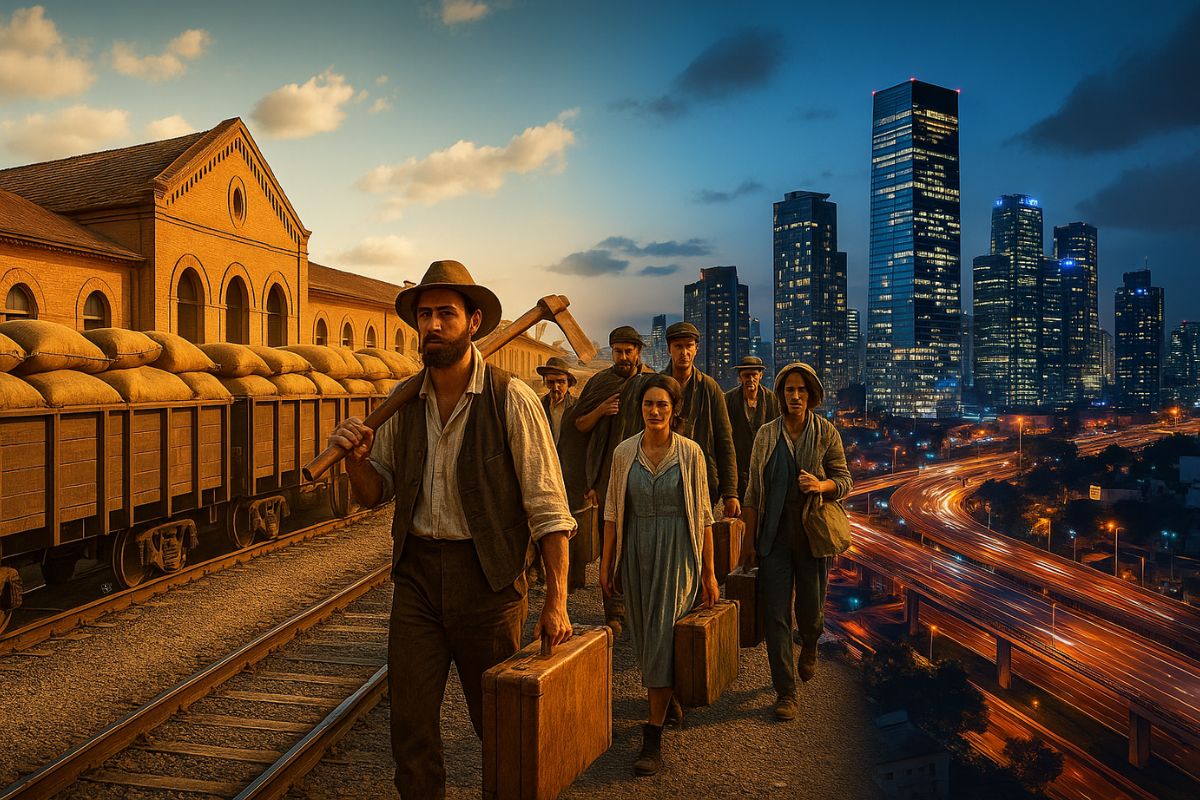


How São Paulo Went from Poor to Very Rich in Record Time. From Peripheral Province to Brazil’s Largest Economic Power, the Story of São Paulo’s Accelerated Transformation
According to [insert main source], the trajectory of how São Paulo went from poor to very rich in record time is a rare case in world economic history. In 1872, the capital of São Paulo had only 30,000 inhabitants, making it the ninth largest in the country. Belém had double the population and Rio de Janeiro, almost ten times more. However, in less than a century, São Paulo became the most populous city and the richest state in Brazil.
This change was not merely the result of luck or favorable geography. It was the result of strategic decisions in transportation, production, and immigration, which transformed the province into a national economic and political locomotive.
The Beginning: Peripheral Province Without Prominence
In the early 19th century, São Paulo was a relatively poor province, living in the shadow of Rio de Janeiro. While Bahia, Pernambuco, and Maranhão prospered with exports of sugar and cotton, São Paulo exported little. The “Wall” of the Serra do Mar, a steep cliff between the interior and the coast, hindered transportation and limited trade.
-
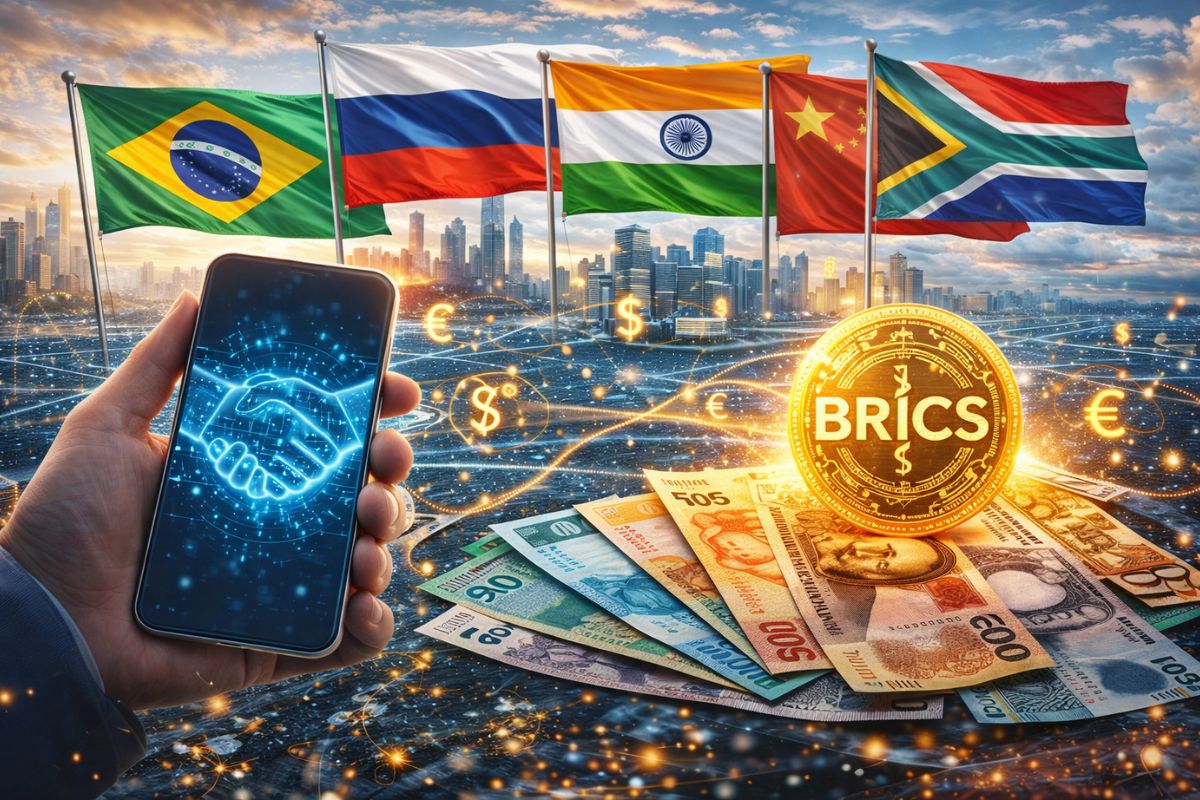
BRICS is building its own payment system that could be operational by 2030, and experts say it could increase trade between the countries by up to 10% per year and add 3% to the GDP of each member of the bloc.
-
Government suspends over 3 million traffic fines in Brazil and drivers breathe a sigh of relief.

-
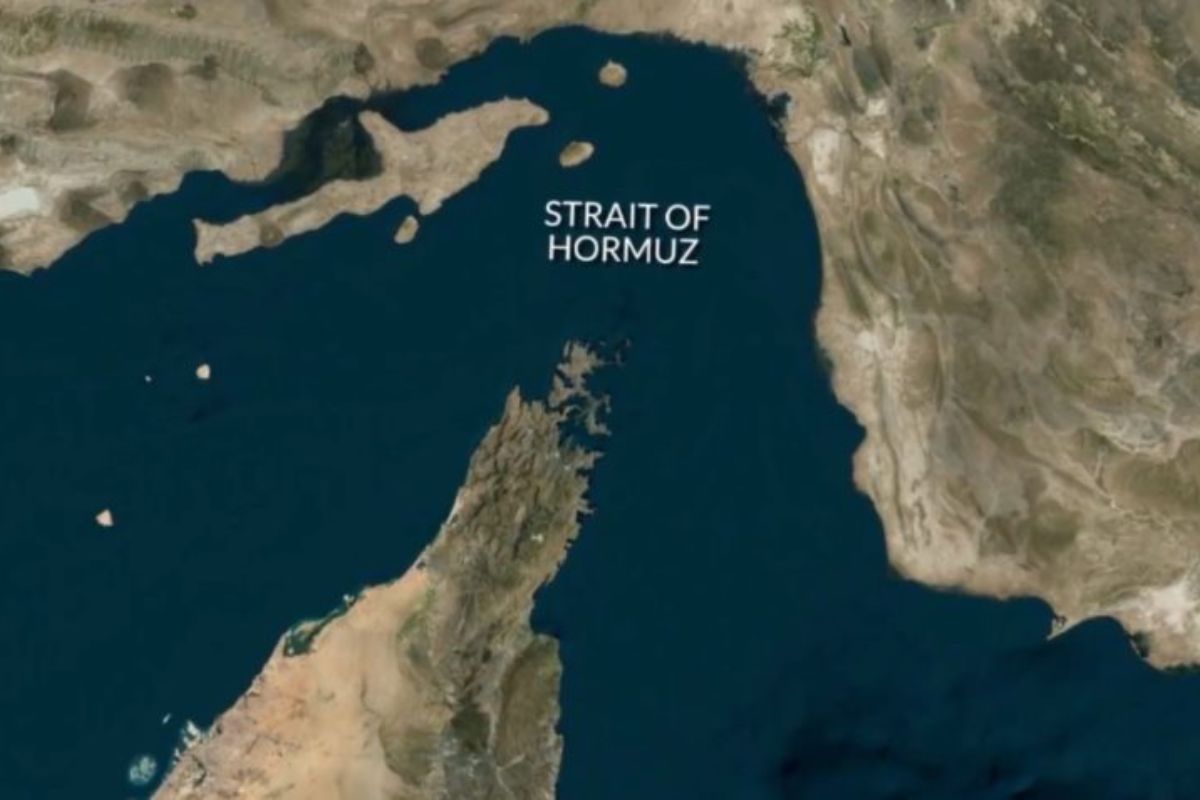
Iran has just approved toll charges for ships in the Strait of Hormuz and has completely prohibited the passage of vessels from the United States and Israel in the world’s most important maritime route for the global energy market.
-
Government cancels R$ 25 million “celebration” for Brasília’s anniversary and allocates funds to health.


The first roads emerged at the end of the 18th century, but they were narrow and winding. This began to change with the creation of tolls for mule trains in 1831. The revenue allowed for road improvements, opening space for the expansion of coffee beyond the coastal area.
Coffee and the Railway Revolution
The real turning point came with the arrival of the railway, financed by coffee growers to transport production to the port of Santos. São Paulo coffee found a growing market in the United States and Europe, boosting the economy and founding cities along the rail lines.
To sustain this expansion, more labor was needed. Initially, there was the migration of enslaved people from the Northeast, but with the advancement of the abolitionist movement and the prohibition of external trafficking, the model became unviable.
The Wave of European Immigration
Between the end of the 19th century and the beginning of the 20th, São Paulo encouraged the arrival of millions of immigrants, mainly Italians, but also Japanese, Syrians, and Lebanese. More than 3 million people passed through the Immigration Hostel in less than 100 years. This new wage-earning workforce created domestic demand and sustained São Paulo’s industrialization, which differed from the declining slave economy of other regions.
Politics and Industrialization
The accumulation of wealth gave São Paulo’s elites political weight. In the so-called Café com Leite Republic, São Paulo and Minas Gerais alternated control of the federal government. Even after the 1929 crisis and the Constitutional Revolution of 1932, São Paulo reinvented itself: founded USP, invested in knowledge, and benefited from import substitution policies during Vargas’ government.
From the 1930s onward, industrialization accelerated. Northeastern migrants played a decisive role, especially in the 1970s and 1980s, occupying positions in construction, factories, and shaping São Paulo’s culture. Today, more than 5 million Northeasterners live in the state, according to the 2022 Census.
A Legacy of Leadership — and Controversy
Experts point out that how São Paulo went from poor to very rich in record time also involves symbolic and political elements. According to sociologist Jessé Souza, the São Paulo elite constructed a narrative of superiority to legitimize its power, supported by the Europeanized image of the population.
In summary, São Paulo became rich because it overcame logistical barriers, expanded coffee at the right moment, attracted immigrants, and reinvested in industry and knowledge. Geography, transportation, politics, and institutions walked together in this ascent.
Do you think São Paulo maintains this lead due to historical merit or through policies that favor the concentration of wealth? Share your opinion in the comments.








Com certeza com políticas que favorecem a concentração de riquezas e porque não citar as “FERROVIAS” que facilitaram o escoamento café só Porto de Santos.
Porque o Brasil é um país de terceiro mundo ? Justamente porque investiu quase nada em ferrovias. Muito triste saber disso 😔😔