





 Portuguese
  English
  Spanish
  8 min of reading
  0 comments


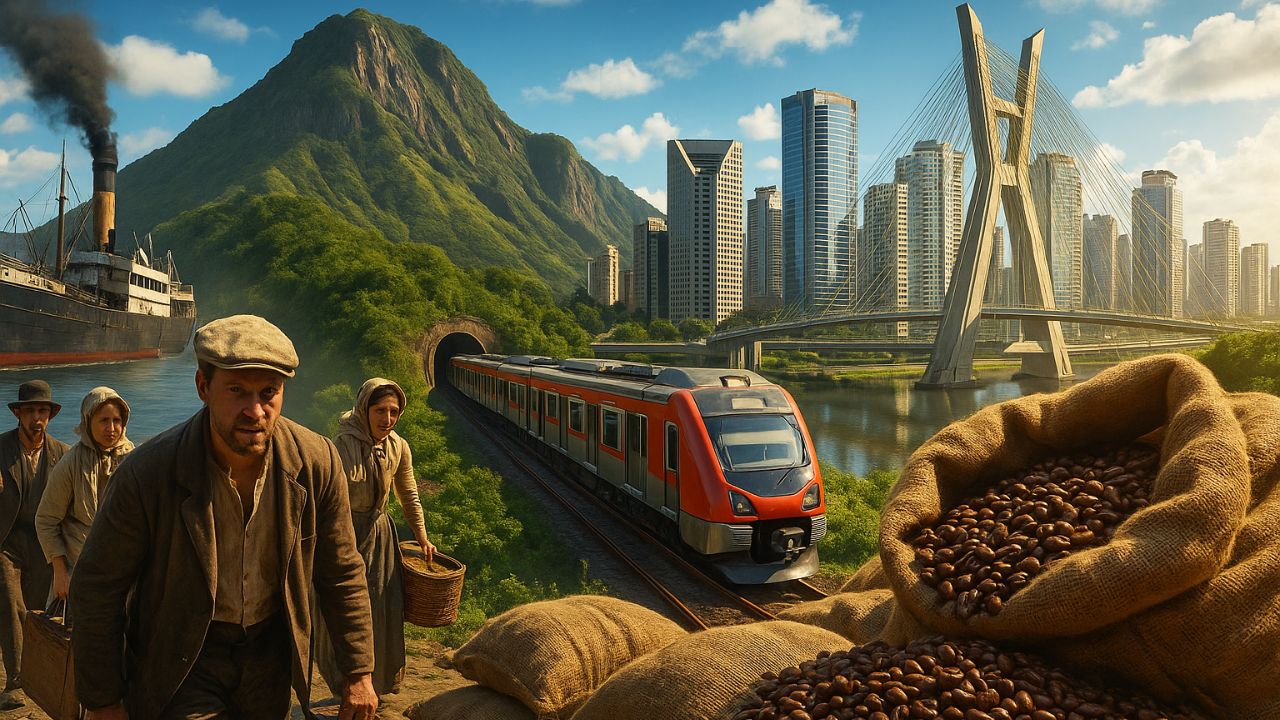
São Paulo Transformed From The Periphery Of The Empire By Combining Coffee, Arrival Of Immigrants, Expansion Of Railways And Industrialization, Becoming The Richest State In Brazil.
For a long time, São Paulo was far from being synonymous with wealth, power, and prominence. About 200 years ago, the province was just a secondary piece in a Brazil that was also relatively poor, with little economic or political influence. In 1872, the capital had about 30,000 inhabitants, was only the ninth largest city in the country, smaller than Belém and much smaller than Rio de Janeiro, which concentrated population, money, and prestige.
In less than a century, however, everything turned upside down. São Paulo went from a peripheral and relatively poor region to a population, industrial, and financial center, becoming the economic locomotive of Brazil. To understand this historical turnaround, one must look at a set of interconnected factors: geography, transport, coffee, immigrants, politics, and, above all, strategic decisions made by local elites over time.
From Periphery Of The Empire To The Beginning Of The Turnaround
After the Portuguese arrived in Brazil, São Paulo spent centuries in decline, almost erased from the national scene. For about 300 years, the province wasn’t the poorest, but it was far from leading the game. Other regions gained prominence in the Empire’s economy, especially those linked to large exports.
-
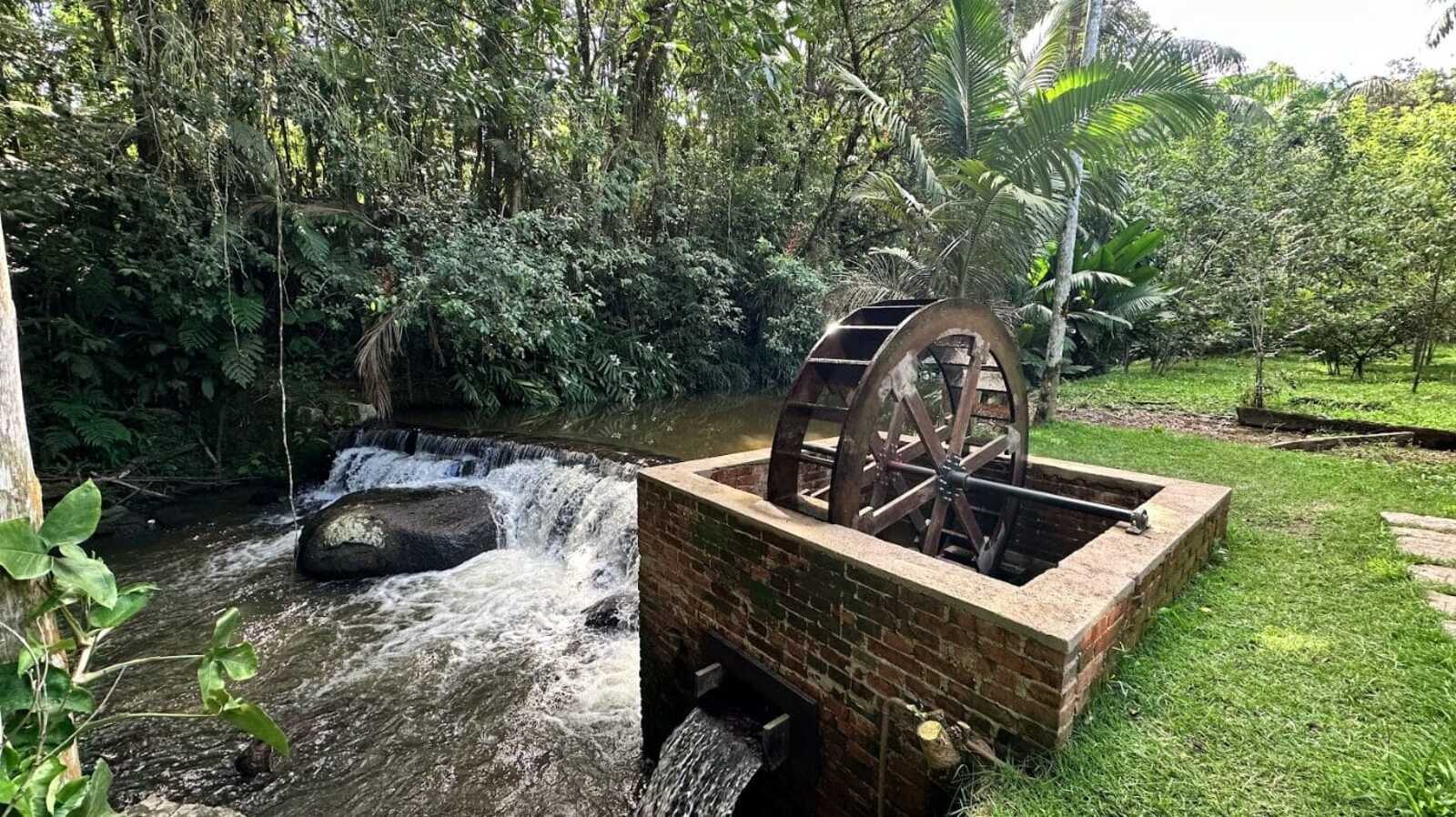
While restoring a historic mansion from 1910, a brick structure with an old turbine that generated energy from the Rio do Testo emerged, along with a hidden door and a rare floor concealed under layers of wax.
-
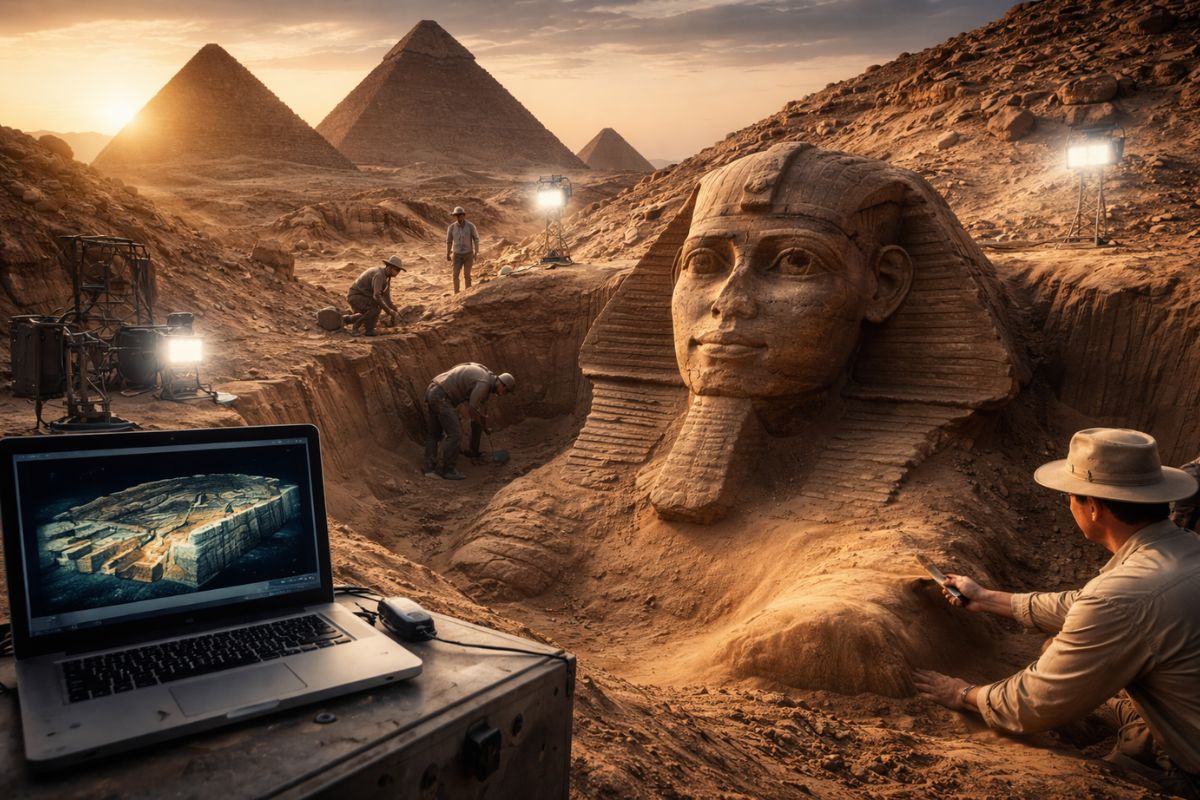
Italian researchers have detected what appears to be a second Sphinx buried under the sands of Egypt, and satellite scans reveal a gigantic underground megastructure hidden beneath the Giza Plateau for over 3,000 years.
-
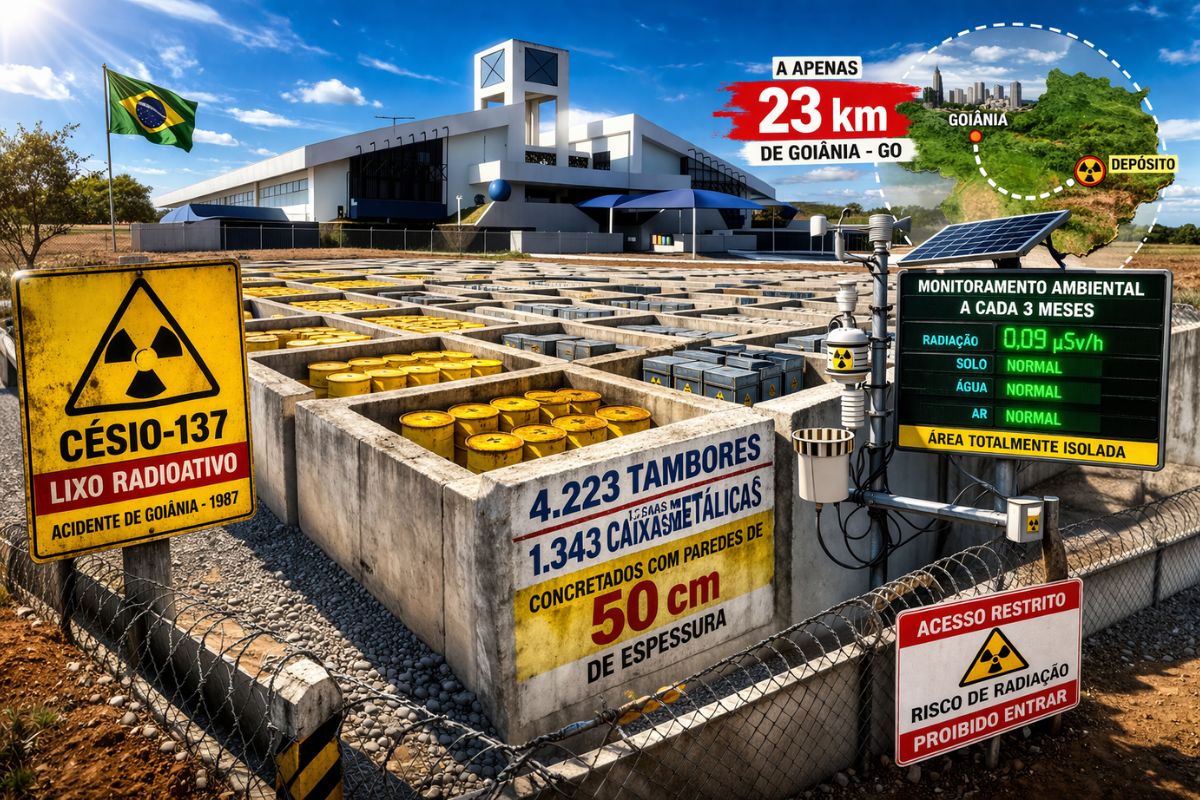
There are 4,223 drums and 1,343 metal boxes concreted with 50-centimeter walls that store the radioactive waste from Cesium-137 in the worst radiological accident in Brazil, just 23 kilometers from Goiânia, with environmental monitoring every three months.
-
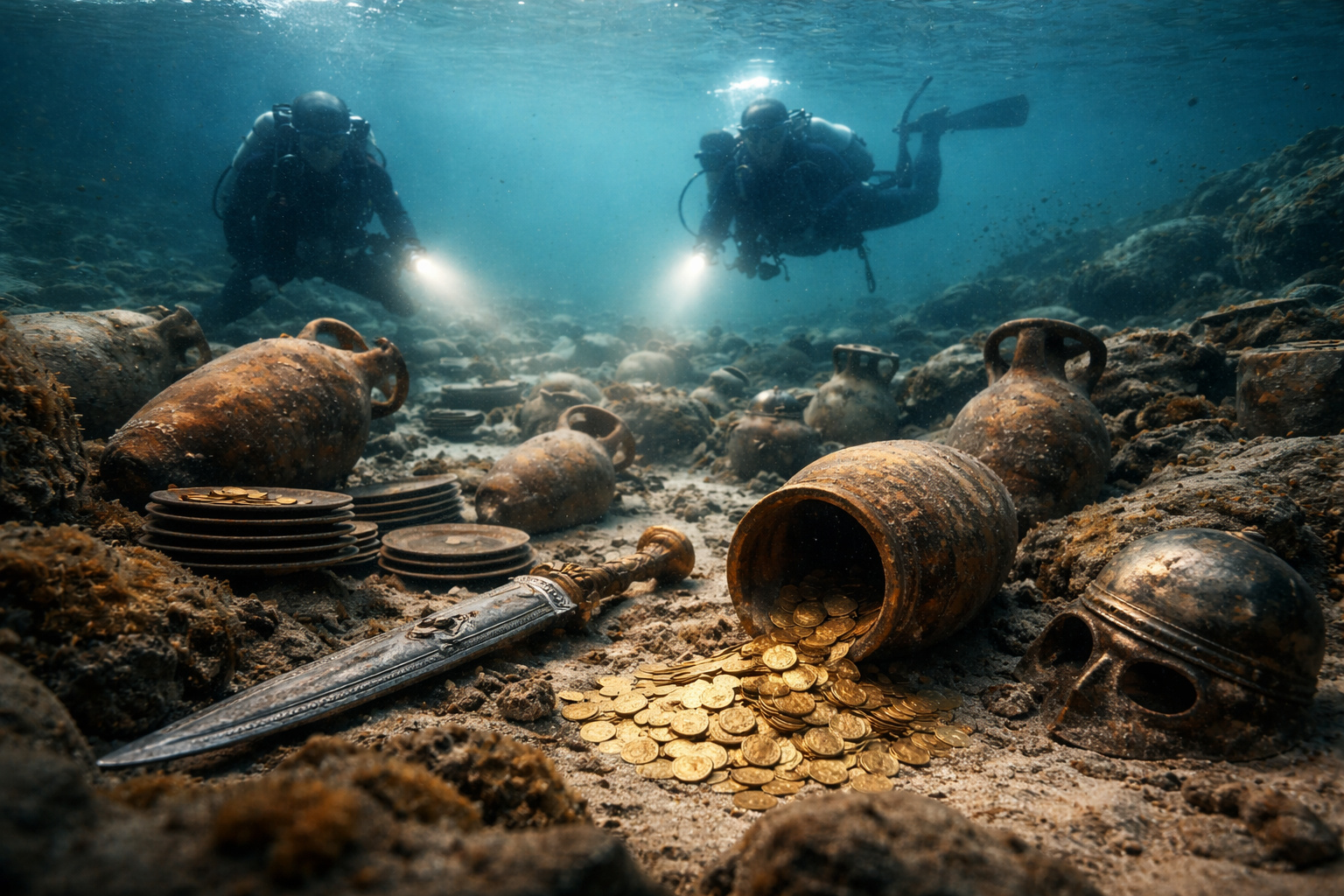
Giant Roman treasure found at the bottom of Lake Neuchâtel in Switzerland reveals an advanced trade system, circulation of goods, and armed escort in the Roman Empire about two thousand years ago.

Bahia, Pernambuco, and Maranhão were examples of wealthy provinces, sustained by products that were exported in large volumes. Maranhão exported cotton, while Bahia and Pernambuco dominated sugar, generating wealth, political influence, and a presence in international trade. São Paulo also produced sugar, but on a much smaller scale, exported little, and therefore occupied a secondary position in the economic hierarchy.
More seriously, in the eyes of many Paulistas of the time, São Paulo was seen as a sort of periphery of Rio de Janeiro, the capital of the Empire and center of political power. The idea of a “state” as we know it today did not yet exist; the country was divided into provinces, and São Paulo was not among the richest or the most influential.
The Mountain Wall And The Mule Toll

If the soil was fertile and the export model worked well in other regions, why didn’t São Paulo follow the same path with sugar and cotton? The answer lies in geography. Between the productive interior and the coast, where the ports were located, there was a gigantic obstacle: the mountains.
This mountain range was so steep and difficult to cross that the Portuguese began to call it “The Wall”. For centuries, transportation was done via narrow trails, many opened and used by indigenous peoples, which made the flow of goods slow, expensive, and limited. This raised production costs and hindered any attempts at large-scale expansion.
At the end of the 18th century, the first road linking the plateau to the coast emerged. It was narrow, winding, and had 133 curves from the top of the mountains to the coastal region. Still, this road represented a huge advancement over the old trails and paved the way for economic transformation. Brazil was beginning to plant coffee, and São Paulo would truly enter this game.
In this context, the first major strategic movement was born that would help São Paulo to become wealthy: the creation of the mule toll. With the growth of coffee cultivation, transportation was done by mule trains, carrying loads for many days. It was expensive to feed these animals, and corn served as the “gasoline” of the time.
Coffee, Tolls, And Railways: The Economic Rise Of São Paulo

In 1831, Dom Pedro I abdicated the throne. Shortly after, the provinces gained more autonomy, and the city of São Paulo made a fundamental decision: to create dozens of tolls along the routes of mule trains. Those who passed along the road with 10, 20 mules loaded with sugar or other goods had to pay a fee per animal, around 200 réis per mule.
This money didn’t sit idle. The revenue from the tolls was used to build better, wider, and more passable roads, reducing costs and transportation time. This allowed coffee, which was previously only worth planting near the coast, to begin advancing to more distant areas of the interior of São Paulo.
Decades later, the great revolution would come: the railway. The railway received direct investments from coffee producers, as it was through it that the production would reach Santos and, from there, the rest of the world. By lowering costs and speeding up transportation, the railway allowed coffee plantations to spread across large areas of the state, fostering the establishment of cities around the stations and multiplying production.
At this moment, geography begins to “play in favor”: São Paulo solves its transportation problem, takes advantage of the growing international demand for coffee, especially from countries like the United States, and converts this advantage into concrete wealth. From then on, the state enters a growth trajectory that goes far beyond agriculture.
Immigrants, End Of Slavery, And The Birth Of Industrialization
With coffee expanding and production growing, a problem arose: who would work in the fields? The farms of São Paulo needed a lot of labor just when the country prohibited the trafficking of enslaved people from Africa, which changed the dynamics of work.
For a time, there was what was called internal trafficking: enslaved people were transferred from the Northeast to regions like Rio de Janeiro and São Paulo. But this logic became economically unfeasible, while the abolitionist movement and the resistance of the enslaved people gained strength. The situation became unsustainable.
Faced with this impasse, the Paulista elite made another decisive decision: to encourage the mass arrival of immigrants. In less than 100 years, more than 3 million people passed through the old immigrant lodging in São Paulo. Many came from Japan and regions like present-day Lebanon and Syria, but the majority came from Europe.
In Europe, the crisis was deep. Crop failures due to pests and weather, hunger, economic crises, and wars such as the unifications of Germany and Italy pushed millions out of their countries. It was a desperate population willing to risk everything in a distant and unknown country to try to start over.
With the arrival of these immigrants, São Paulo began to have an economy different from the rest of Brazil, based on salaried labor. By the end of the 1880s, slavery ended. In São Paulo, Italian immigrants began to be hired with cash wages, creating an internal consumer market.
This wage labor could buy clothes, food, and basic products. At this moment, the foundation of a new industrialization aimed at meeting this new internal demand began to emerge in São Paulo, replacing some imports. The wealth from coffee was transformed into capital, infrastructure, and factories, and the state began to gain industrial muscle.
Coffee And Milk, The Crisis Of 1929, And The Revolution Of 1932
With so much money circulating, the elites of São Paulo began to dominate not only the economy but also national politics, in alliance with Minas Gerais. The so-called Coffee And Milk Republic emerged: São Paulo led in coffee production, while Minas accounted for about half of the milk sold in the country at the beginning of the 20th century.
This hegemony lasted for several decades until the international scenario changed. The 1929 crisis collapsed the demand for coffee and caused prices to plummet, putting strong pressure on the Paulista economy, which depended on exports.
In 1930, Getúlio Vargas assumed power, reduced the autonomy of the states, appointed federal interventors, and governed without a constitution. The elites of São Paulo reacted with an armed revolt in 1932, supported by local economic and political groups. Paulista troops faced federal forces and were ultimately defeated.
Even so, according to experts, São Paulo managed to turn the defeat into an opportunity. Instead of merely lamenting, the Paulista elite invested in the creation of USP. This way, the state not only consolidated its economic strength but also became a hub for knowledge production and the training of skilled professionals.
Protectionism, Industry, And The Forefront That Reaches The 21st Century
In the 1930s, Brazil faced difficulties importing industrialized products. The response was the adoption of protectionist policies for the national industry. This new environment directly benefited São Paulo, which already had capital accumulated from coffee, infrastructure, and a wage-earning workforce ready to consume.
Throughout the 20th century, this combination of favorable geography, structured transport, accumulated capital, immigrants, industries, and political decisions consolidated São Paulo’s economic forefront, which continues to lead to the present day. The state became a major center for services, finance, technology, industry, and academic production.
But this trajectory also has contradictions. Experts warn that the idea of superiority of São Paulo over other states is dangerous, especially when linked to the narrative of the Europeanization of the Paulista elite. This elite, built on racial and hygienist theories, often regarded itself as a kind of “Europe” surrounded by a Brazil that should be governed.
According to sociologist Jessé Souza, São Paulo used symbolic power to legitimize its political and economic power, constructing a narrative in which the state would be naturally more advanced or more “civilized” than the rest of the country. Convincing others of this would be part of the game to maintain and expand this leadership.
Internal Migrations, Diversity, And Present-Day São Paulo
The history of São Paulo was built not only by foreign immigrants but also by millions of Brazilians from other regions, especially the Northeast. At a certain point, the number of internal migrants arriving in the state exceeded that of foreigners.
Many people who came from the Northeast began working in construction, factories, and services, literally helping to build the city and sustain industrial and urban growth. According to the 2022 census, more than 5 million people living in São Paulo were born in the Northeast, which represents over 11% of the state’s population, not counting children and grandchildren who were born in São Paulo.
The peak of this migration occurred in the 1970s and 1980s, and the impact was enormous not only on the economy but also on culture. Present-day São Paulo is a direct result of this intense mix of peoples, accents, cultures, and trajectories, which transformed the capital and the state into a mosaic of identities.
In summary, São Paulo became wealthy because it solved a transportation problem, took advantage of the coffee boom, invested in railways, attracted immigrants, created a wage-earning workforce, boosted industrialization, and skillfully used politics and institutions to its favor. Geography and transportation costs matter, but the historical decisions of the elites also weigh heavily in this equation.
And you, looking at this trajectory of São Paulo, which part of the story surprises you the most or sparks your curiosity to comment?








Seja o primeiro a reagir!