





 Portuguese
  English
  Spanish
  4 min of reading
  1 comment





Humanity Will Continue to Evolve Over the Next Thousand Years. But What Will We Be Like in the Future? Genetic Changes, Technology, and Environmental Adaptations May Transform Our Appearance and Abilities. Discover the Predictions of Science!
Human evolution is a continuous process. Although we often think of our species as static, science shows that we are constantly changing. Over a period of 1,000 years, various forces such as technological advancements, climate changes, and space exploration can profoundly transform human appearance and abilities.
Furthermore, new social dynamics and behavioral changes may influence how genetic traits are passed down from generation to generation.
Shorter Humans?
Currently, modern medicine has allowed more people to live to reproductive age. As a result, natural selection is increasingly associated with reproductive capacity rather than survival.
-
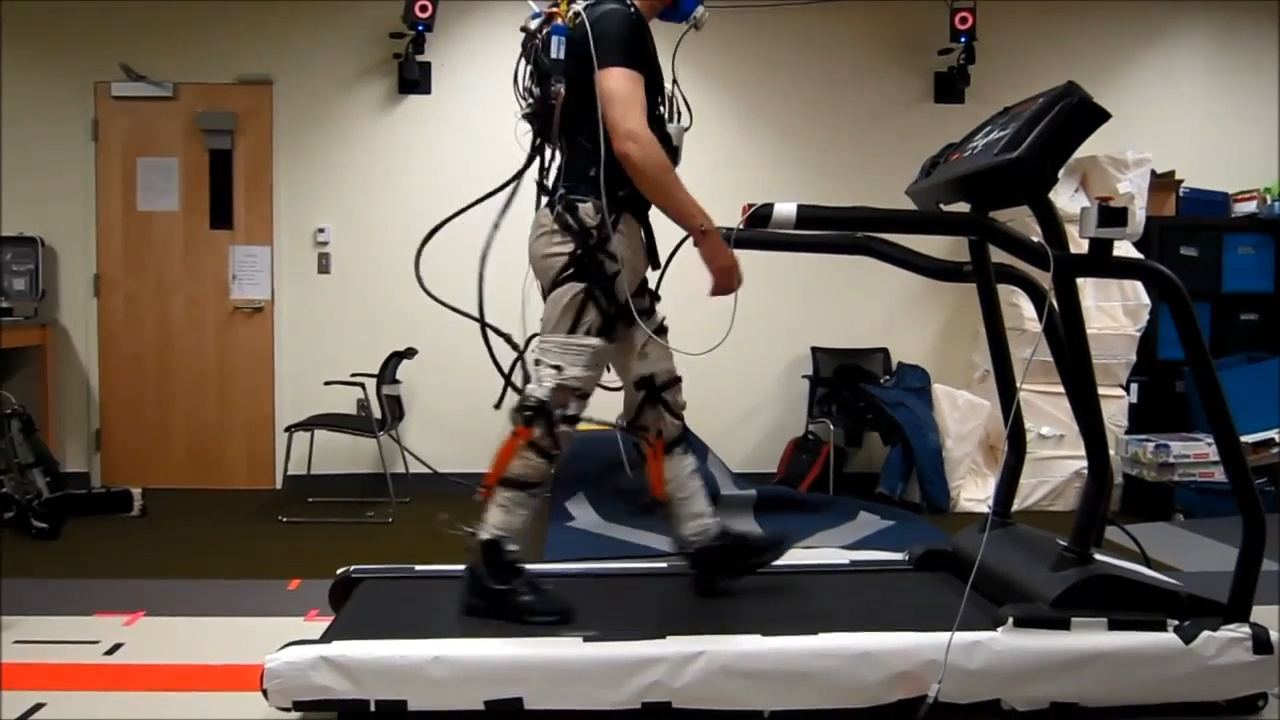
Harvard scientists have created a tissue exoskeleton that does not look like an exoskeleton, with no rigid parts and reduced weight, using flexible cables and miniaturized motors to assist the ankle and hip, reducing the effort of walking by up to 23% in controlled tests.
-
The Caspian Sea intrigues scientists as it is neither officially a sea nor a lake: the largest lake on the planet holds a hybrid crust, submerged cities, mud volcanoes, and billions of barrels of oil hidden at the bottom.

-
Why did the sky turn blood red in the west of Australia and it wasn’t sunset? Discover what is behind the change that took over the horizon for miles.

-
The most feared warplane of the United States is over 70 years old, carries 32 tons of explosives, flies 14,000 kilometers nonstop, and has just been sent to the United Kingdom amid escalating tensions with Iran.


Evolutionary geneticist Mark Thomas from University College London (UCL) suggests that early sexual maturation may be linked to shorter height.
This phenomenon is already occurring in some populations, such as pygmies, who reach adulthood quickly and have reduced stature.
With increasing urbanization and lifestyles requiring less physical effort, shorter individuals may have advantages in certain conditions, such as reduced energy consumption and better adaptation to compact environments.
If these trends are reinforced by cultural and social factors, the average population height may indeed decrease over centuries.
The Evolution of Physical Attraction
Sexual selection will continue to play a crucial role in human evolution. Professor Thomas believes that as women take a more active role in partner selection, men considered more attractive may have greater reproductive success.
Traits such as facial symmetry, intelligence, and physical fitness may become even more prevalent, making the human species, on average, more attractive over time.
Attractiveness may, however, become more subjective with advancing technology. Advanced aesthetic procedures and genetic manipulations may reduce the natural variation of human appearance, causing beauty standards to change over time.
Moreover, with the growth of social interaction in digital environments and virtual realities, other forms of attractiveness, such as communication skills and charisma, may gain even more importance.
A More Uniform Global Population
With increased migration and interracial marriages, humanity may become more genetically homogeneous.
Bioinformatician Jason Hodgson from Anglia Ruskin University suggests that this phenomenon will lead to a population with less phenotypic variation, especially in skin color, which could become predominantly brown, similar to the mixed populations of Brazil or Mauritius.
Global genetic merging may also impact traits such as disease resistance, making humans more adaptable to new environments.
Conversely, the reduction of genetic diversity may pose evolutionary challenges, making humanity more vulnerable to pandemics and other biological threats.
Genetic Modification
With technologies like CRISPR-Cas9, which allows for precise DNA editing, natural evolution may give way to genetic engineering.
Companies are already offering services to select certain genetic traits for children, and this may become more common in the future. In the long run, we could see significant changes in just one generation.
If genetic manipulation becomes widely accepted, the concept of biological diversity may need to be redefined.
Traits such as disease resistance, enhanced intelligence, and superior physical abilities may be artificially adjusted, drastically accelerating evolutionary changes that previously took millennia to occur.
The Influence of Technology on the Human Body
The increasing use of technology may also modify our physiology. Research indicates trends such as:
- Curved Posture: due to excessive screen use.
- Longer Fingers and Modified Hands: adaptations for typing and tactile interactions.
- Reduced Brain Capacity: as artificial intelligence and electronic devices take over cognitive functions, the evolutionary pressure for larger brains may decrease.
Evolutionary biologist Robert Brooks from the University of New South Wales believes that dependence on technology may reduce the need for large cognitive capacities, resulting in smaller brains over time.
Moreover, the impact of technology on the human brain may extend beyond physical structure. Constant stimuli from screens and personalized algorithms may alter the way we process information, leading to behavioral and even emotional changes. Our relationship with memory and learning may be drastically transformed, making us increasingly reliant on electronic devices to store and process knowledge.
Humans in Space
Space colonization may lead to genetic isolation, creating new variants of the human species. Anthropologist John Hawks from the University of Wisconsin-Madison suggests that prolonged space travel could cause adaptations such as:
- Taller Height and Elongated Limbs due to low gravity.
- Paler Skin to Maximize Vitamin D Absorption.
- Larger and More Sensitive Eyes to see in low-light conditions.
In addition to physiological changes, human psychology may also be impacted. The isolation of space, combined with extreme conditions, could shape a new type of society and new forms of social interaction. Additionally, the possibility of reproduction in an extraterrestrial environment remains uncertain, which may require technological interventions to ensure the continuity of the species.
What to Expect for the Future?
Over the next thousand years, it is likely that humanity will continue to evolve, both naturally and through technological intervention.
Physical appearance may become more homogeneous, brains may adapt to the new digital reality, and humans exploring other planets may differ drastically from those who remain on Earth.
The future of humanity will largely depend on the ethical and technological choices we make over the coming centuries.
Genetic manipulation, the merging of humans and machines, and space exploration may completely redefine the human species. What today seems like science fiction may, in a millennium, be the new reality.
With information from DailyMail.








É uma publicação muito ruim. Não compara essa projeção com outros períodos de 1000 anos, não exibe gráficos, não cita fontes.