





 Portuguese
  English
  Spanish
  7 min of reading
  33 comments


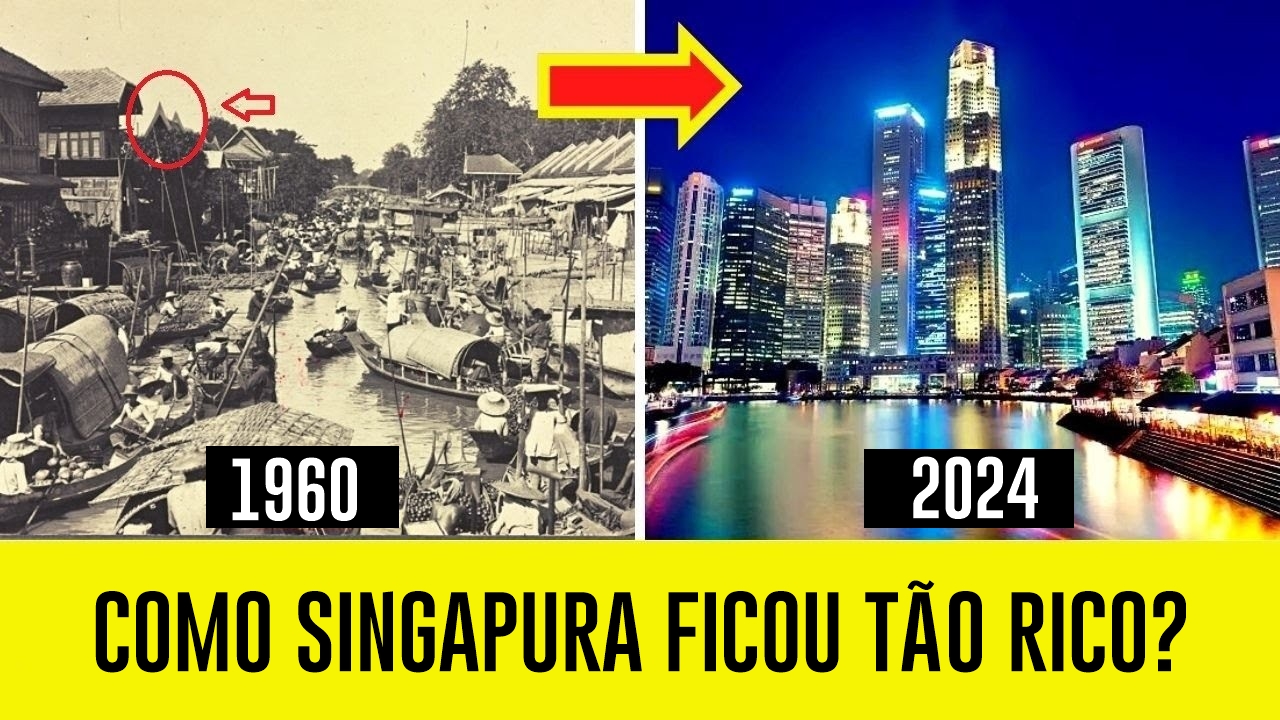


Singapore Transformed Its Economy Through Strategic Planning, Innovation, and a Highly Efficient Market, Even Without Natural Resources Like Oil, Gold, or Fresh Water.
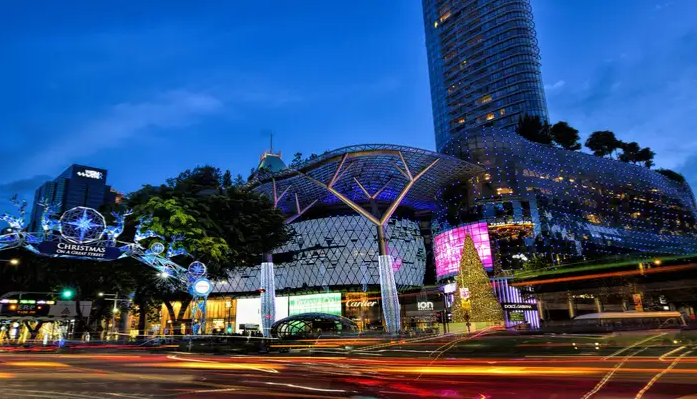
When someone talks about Singapore, the first thing that comes to mind is the shining skyscrapers, super clean streets, and those street food markets. Nowadays, this island in Southeast Asia is practically synonymous with wealth and modernity.
But can you believe that just about 60 years ago, the country was very poor, with no natural resources and plagued by economic and social problems? And how did everything change? Let’s explore throughout this article and answer: How Did Singapore Become So Rich?
Updated Data on Singapore in Various Areas:
-
BRICS is building its own payment system that could be operational by 2030, and experts say it could increase trade between the countries by up to 10% per year and add 3% to the GDP of each member of the bloc.
-
Government suspends over 3 million traffic fines in Brazil and drivers breathe a sigh of relief.

-
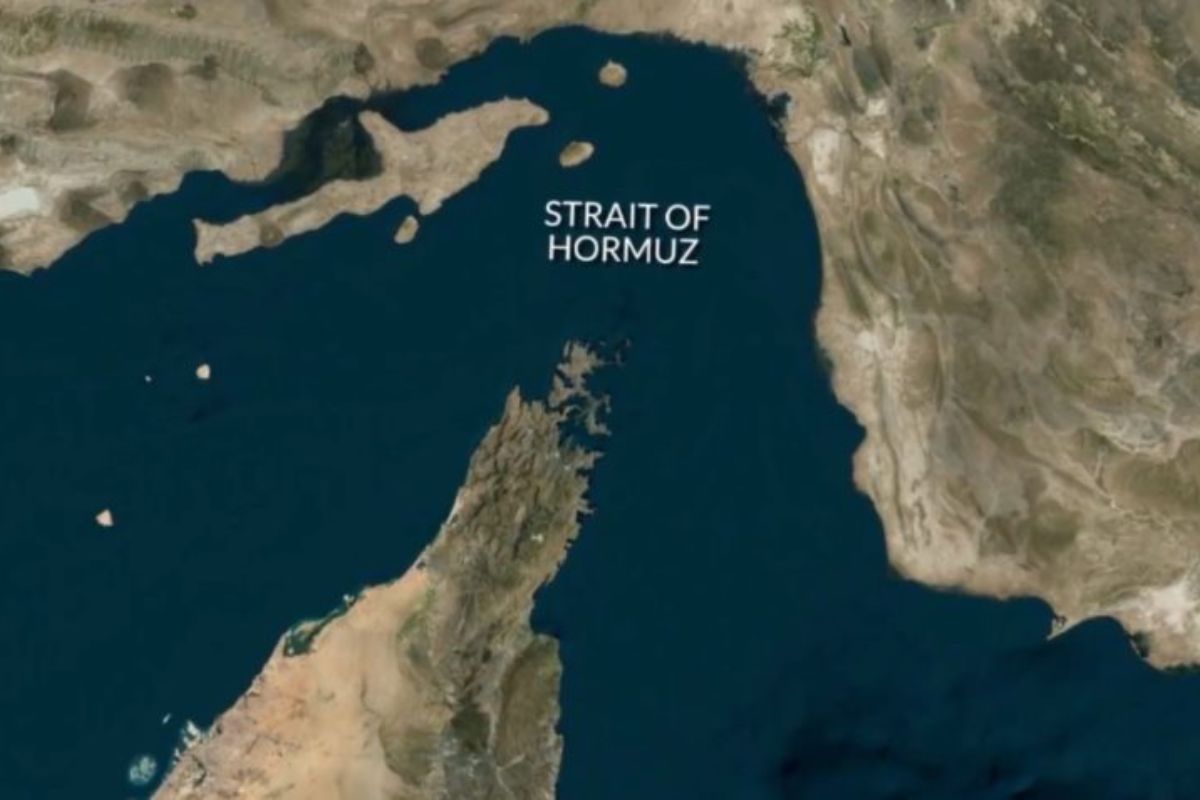
Iran has just approved toll charges for ships in the Strait of Hormuz and has completely prohibited the passage of vessels from the United States and Israel in the world’s most important maritime route for the global energy market.
-
Government cancels R$ 25 million “celebration” for Brasília’s anniversary and allocates funds to health.

| Indicator | Singapore Ranking | Notes |
|---|---|---|
| Education | 1st | Leads PISA 2022 in math, reading, and science. |
| Economic Freedom | 1st | Noted for its liberal economy and business-friendly environment. |
| Ease of Doing Business | 2nd | Favorable business environment with low tax burden. |
| Human Development Index (HDI) | 9th | High standard of living and social welfare. |
| GDP per Capita | 3rd | One of the highest globally, reflecting economic prosperity. |
| Tax Burden | 14.1% | Considered low, favoring the business environment. |
In 2023, Singapore’s Gross Domestic Product (GDP) was US$ 501.43 billion, representing approximately 0.48% of the global economy. The GDP per capita that same year was US$ 84,714.
In the third quarter of 2024, Singapore’s economy grew by 5.4% compared to the same period the previous year, surpassing initial expectations.
The Beginning
In the 1960s, the scenario was challenging. Singapore, newly independent from Malaysia in 1965, was an island without oil, gold, or even sufficient fresh water.
Poverty was prevalent, unemployment was high, and ethnic tensions threatened stability. For many, the future looked grim.
It was in this context that Lee Kuan Yew took charge as prime minister. He outlined an audacious vision: to transform Singapore into a “First World Oasis in a Third World Region.”
To many, it seemed an impossible dream, but for Lee, it was a clear plan. And with that spirit, the small island began its journey to become a global powerhouse.
Clearing the Path to Success
One of the first bets was on the physical appearance of the city. Lee believed that urban cleanliness was not just an aesthetic issue, but also a way to attract investors.
He launched massive campaigns to clean the streets, plant trees, and educate citizens about the importance of keeping the city spotless.
A curious story involves the ban on chewing gum. After finding gum stuck in public spaces, Lee made the decision to ban them, making Singapore famous for its immaculate streets.
Although extreme, the result was a city that exuded organization and modernity, charming visitors and businesspeople alike.
Exemplary Education in Singapore
Without natural wealth, Singapore invested in human development. Education became the top priority, focusing on bilingualism and technical training.
English was adopted as the official business language, giving citizens a competitive edge in the global market.
A notable example is the “Singapore Math” method, introduced in the 1980s. This innovative curriculum, focused on critical thinking and problem-solving, became a global benchmark, being adopted by schools in countries like the United States.
Additionally, the government invested heavily in areas like science, technology, engineering, and math (STEM).
The strategy bore fruit quickly: by the 1990s, Singapore was already a hub for technology and biotechnology, attracting giants like IBM and GlaxoSmithKline, which boosted the economy and created high-skilled jobs.
Small Country, Big Advantage
The small size of Singapore, often seen as a disadvantage, became a trump card. The country’s leadership knew how to use this characteristic to make swift decisions and adapt quickly to global changes.
In the 1970s, Singapore identified an opportunity in the financial sector. With more flexible regulations and low taxes, the country attracted international banks and investment funds, establishing itself as a global financial hub.
Political stability and a business-friendly environment made Singapore an attractive destination for companies worldwide.
Today, the financial sector is one of the country’s main sources of wealth. With over US$ 3 trillion in assets under management, Singapore has solidified its position as one of the largest financial centers in the world.
A Model of Governance and Planning in Singapore
Behind the success is a government that prioritized strategic planning and efficient execution. Public policies were implemented rigorously, from demographic control to infrastructure investments.
Public housing, for instance, was transformed into a reference model, offering affordable housing for most of the population.
Another example of innovation is the water management model. Facing water scarcity, Singapore developed advanced desalination and recycling technologies, becoming self-sufficient. This effort not only ensured water supply but also positioned the country as a leader in environmental technologies.
The Economy of the Future
Over the decades, Singapore has diversified its economy, expanding into sectors like logistics, tourism, and technology. Changi Airport, often voted the best in the world, symbolizes the country’s excellence in connecting people and businesses globally.
Furthermore, the country has heavily invested in innovation and startups. With incentive programs and state-of-the-art infrastructure, Singapore has become an entrepreneurship hub, attracting talent from all over the world.
A Legacy of Success in Singapore
The transformation of Singapore from a struggling nation to one of the richest countries in the world is a story of global inspiration. Visionary leadership, strategic planning, and the commitment of its people were the pillars of this success.
Today, Singapore is a living testament that size does not define a country’s potential, and challenges can be overcome with determination and creativity.
As we reflect on this journey, it is clear that Singapore’s true resource lies not in its soil but in its ability to think big, act fast, and never give up.
This is a lesson not just for countries, but for anyone looking to overcome adversity and achieve great things.
Housing for All
When looking at Singapore’s skyline, it is impossible to ignore the tall and organized buildings that dominate the landscape.
More than 80% of the population lives in apartments built by the Housing Development Board (HDB). Unlike many public housing projects around the world, HDB apartments are modern, clean, and surrounded by amenities like parks, supermarkets, and hawker centers—food markets that are a symbol of local culture.
In the 1960s, the situation was quite different. Most people lived in overcrowded and unsanitary slums. Lee Kuan Yew and his government decided to tackle the problem with affordable and quality housing.
There was a brilliant detail: the apartments could be purchased at subsidized prices. This transformed residents into homeowners, creating a sense of belonging and a direct connection with the country’s progress.
Besides improving quality of life, the HDB contributed to social stability. With rising real estate prices over the years, homeowners also saw their wealth grow, reinforcing national prosperity.
Changi Airport
Another symbol of Singapore’s progress is the iconic Changi Airport. Strategically located in the heart of Southeast Asia, it benefits from a privileged geographical position: it is eight hours flight away from more than half of the world’s population. However, what truly sets Changi apart is the vision that guided its construction.
In the 1970s, building a large airport seemed unnecessary for a small country. But Lee Kuan Yew knew that connecting Singapore to the world was crucial.
Today, Changi Airport is not just a logistics hub; it is a tourist destination in itself, with attractions like indoor gardens, cinemas, swimming pools, and even slides.
Handling over 65 million passengers annually, Changi is a driver of global tourism and commerce, fueling the economy and reinforcing Singapore’s role as an international hub.
A Safe Port for Foreign Investments
From early on, Singapore positioned itself as a reliable place for business. The country is recognized for its political stability, government efficiency, and one of the lowest corruption rates in the world. This combination attracts global companies and investors seeking safety and opportunities.
A success story is Temasek Holdings, created in 1974. This state-owned company manages over US$ 400 billion in assets, investing in strategic sectors like finance, technology, and energy.
The careful management of these funds ensured resilience during global crises, allowing Singapore to continue growing, even in tough times.
Housing and Infrastructure
Public housing programs and investments in infrastructure not only addressed immediate problems but also established solid foundations for sustainable growth.
Besides HDB housing and Changi Airport, Singapore invested in high-quality transport systems, self-sufficient water supply, and advanced technological solutions.
These initiatives not only raised living standards but also attracted talent and investors from around the world.
Luck Found Preparation
While Singapore benefited from its strategic location and the economic rise of Asia, the true differentiator was its proactive leadership. Rather than relying solely on luck, the country was able to capitalize on its natural advantages and create an environment that stimulated innovation, business, and quality of life.
Singapore’s journey, from a poor and overcrowded island to one of the richest countries in the world, is an example that progress is possible, even in the face of significant adversity. Innovative strategies, a committed government, and a determined population transformed a limited territory into a global powerhouse.
Today, Singapore continues to evolve, looking to the future with the same determination that shaped its past. Whether in HDB skyscrapers, Changi Airport, or the robust financial sector, each part of this nation is a testament to how vision and action can turn dreams into reality.






we need national and strategic vision to drive us to the global just plans and people to execute also political will . i really admire the Singaporean experiment i hope we imitate it in my country . we have pillars and sources strategic location as Libya is balcony of Me detrain see and can connect and link tow continents Europe and Africa and become global Hub and play a pivotal role as we are very well poisoned .
Ótima matéria Fábio Lucas Carvalho.
Me interessei demais pelo assunto, fico aqui com uma curiosidade imensa sobre jornada de trabalho, direito previdenciário, liberdade de ir e vir……
👍