





 Portuguese
  English
  Spanish
  3 min of reading
  0 comments


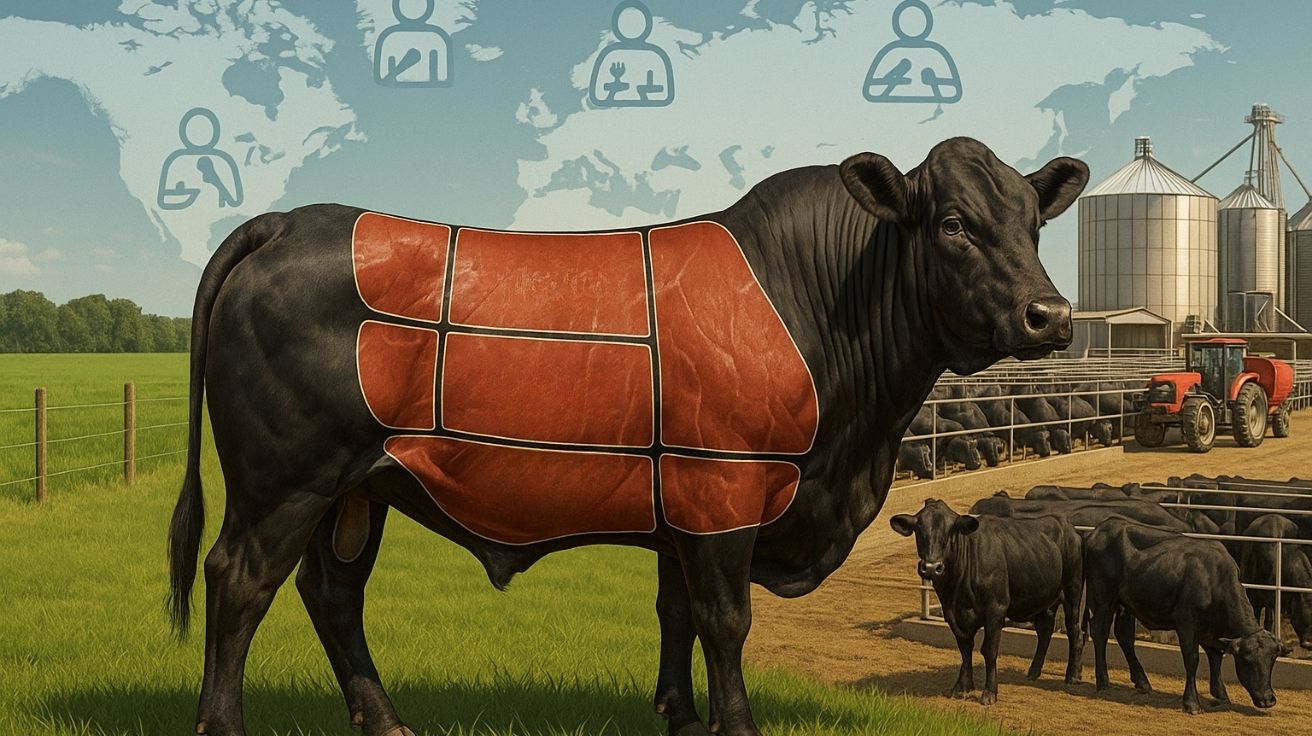
With Three Main Stages, Thousands of Heads of Cattle, and a Complex Chain of Breeding, Slaughter, and Marketing, Beef Cattle Is the Backbone of the Meat Sector in Brazil and the World
Beef cattle is the agricultural activity focused on raising cattle with the primary goal of producing beef. In Brazil, one of the largest exporters in the world, the chain involves cattle farms, slaughterhouses, transport companies, and national and international distribution channels. The process begins with the so-called cow-calf operations, where cows are raised to produce calves.
These calves are then destined for the backgrounding system, which promotes weight gain with pasture and supplementation. Finally, the animals are sent to feedlots for rapid fattening before slaughter. The cattle that go through this phase are known as “feeder cattle” and are intended for industrial slaughter.
The most commonly used breeds in Brazilian beef cattle raising include Nelore, Angus, Bonsmara, Brahman, and Tabapuã, among others, which are selected based on factors such as weight gain, fertility, and resistance to parasites.
-
The water that almost everyone throws away after cooking potatoes carries nutrients released during the preparation and can be reused to help in the development of plants when used correctly at the base of gardens and pots, at no additional cost and without changing the routine.

-
The sea water temperature rose from 28 to 34 degrees in Santa Catarina and killed up to 90% of the oysters: producers who planted over 1 million seeds lost practically everything and say that if it happens again, production is doomed to end.

-
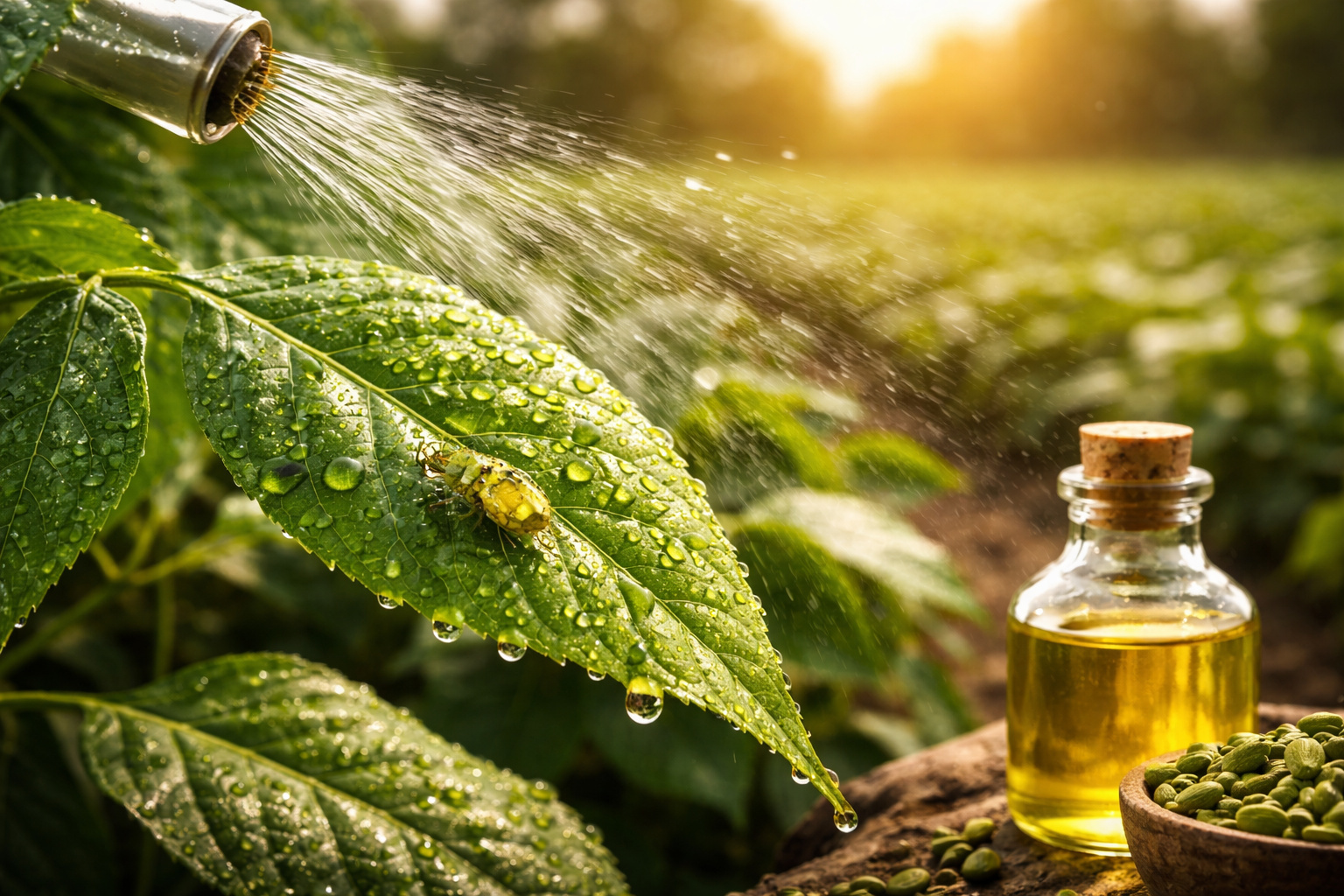
An Indian tree that grows in the Brazilian Northeast produces an oil capable of acting against more than 200 species of pests and interrupting the insect cycle, gaining ground as a natural alternative in soybean, cotton, and vegetable crops.
-
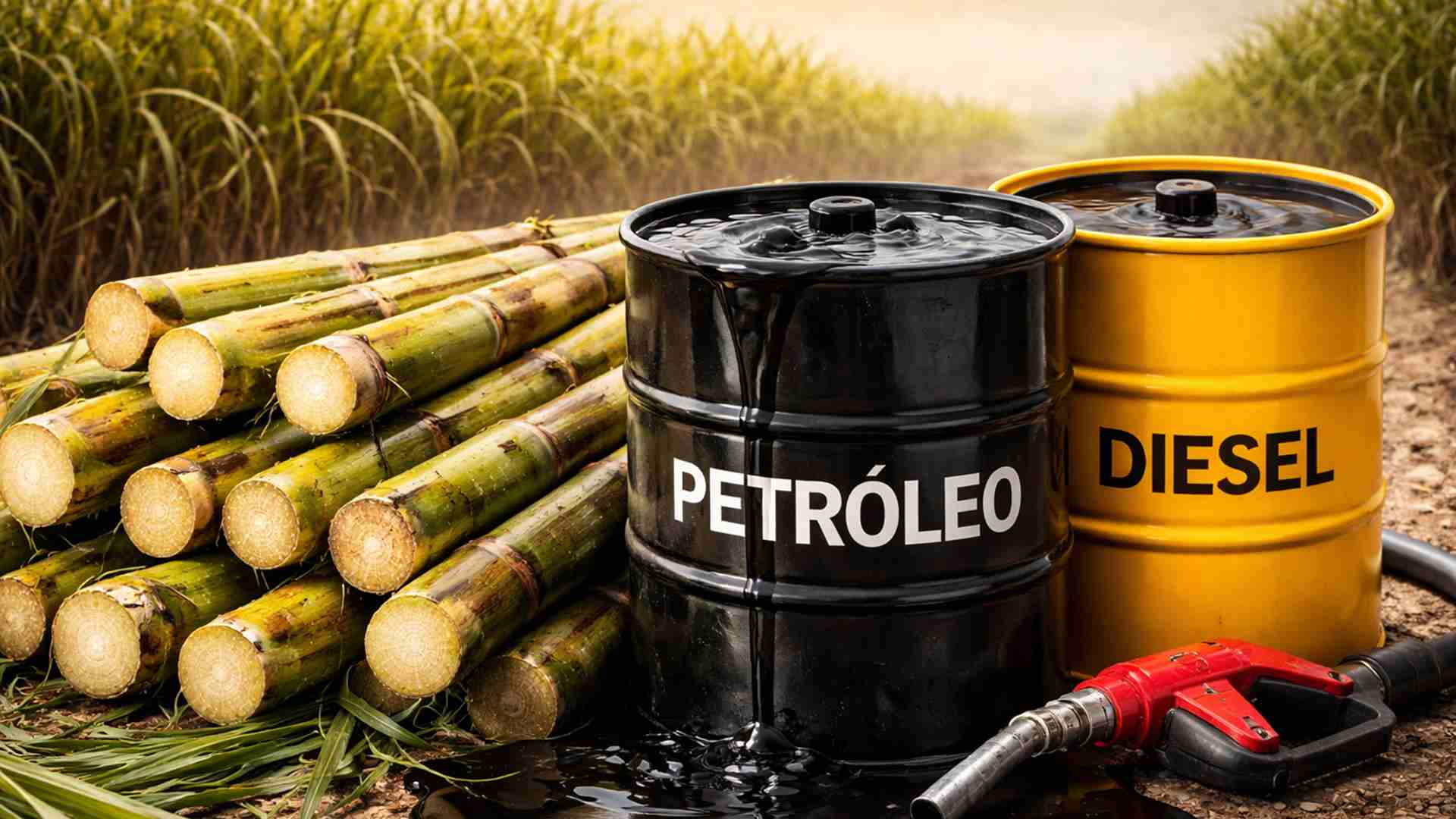
The rise in oil prices in the Middle East is already affecting Brazilian sugar: mills in the Central-South are seeing their margins shrink just as ethanol gains strength.


The Routine on Cattle Farms and Animal Feeding
On a beef cattle farm, sanitary and nutritional management is vital. Animals can be raised on natural pastures or in intensive systems. A cow can consume up to 4% of its weight in feed per day, made up of silage, corn, hay, or balanced feed.
Hydration is also essential: cattle can drink between 30 to 70 liters of water per day in hot weather. Facilities include pens, electric fences, water troughs, feeders, and, in more technologically advanced cases, sensors and software control.
In addition to meat, beef cattle provide by-products such as leather, insulin, and ingredients for cosmetics and sweets. The activity also drives the agricultural industry, fueling machinery, fertilizer, and veterinary industries.
Environmental Impacts and Sanitary Requirements
Intensive cattle farming is often associated with greenhouse gas emissions, especially methane. The use of large land areas for pasture and feed crop has been linked to deforestation, notably in the Brazilian Amazon.
The sector responds with programs for cattle traceability, the use of technologies to reduce environmental impact, and certifications like Carbon Neutral Meat. In the sanitary realm, international standards require animal welfare, access to shade and water, and humane slaughter.
During slaughter, the cattle is stunned with a pneumatic gun before bleeding. The carcass is cooled for 24 to 48 hours and then butchered, yielding up to 200 kg of meat from a 450 kg live animal.
Meat Quality and Exports
The quality of beef is defined by the marbling content, which refers to intramuscular fat deposits. More marbled cuts, such as those from breeds like Wagyu or Angus, are valued in the gourmet market.
Brazil exports beef to more than 150 countries, with highlights including China, the United Arab Emirates, the United States, and Chile. In 2023, exports generated over US$ 10 billion, according to ABIEC data.
Beef cattle is also essential for domestic supply, employing millions of people directly and indirectly and serving as the base of family farming in various regions.










Seja o primeiro a reagir!