





 Portuguese
  English
  Spanish
  3 min of reading


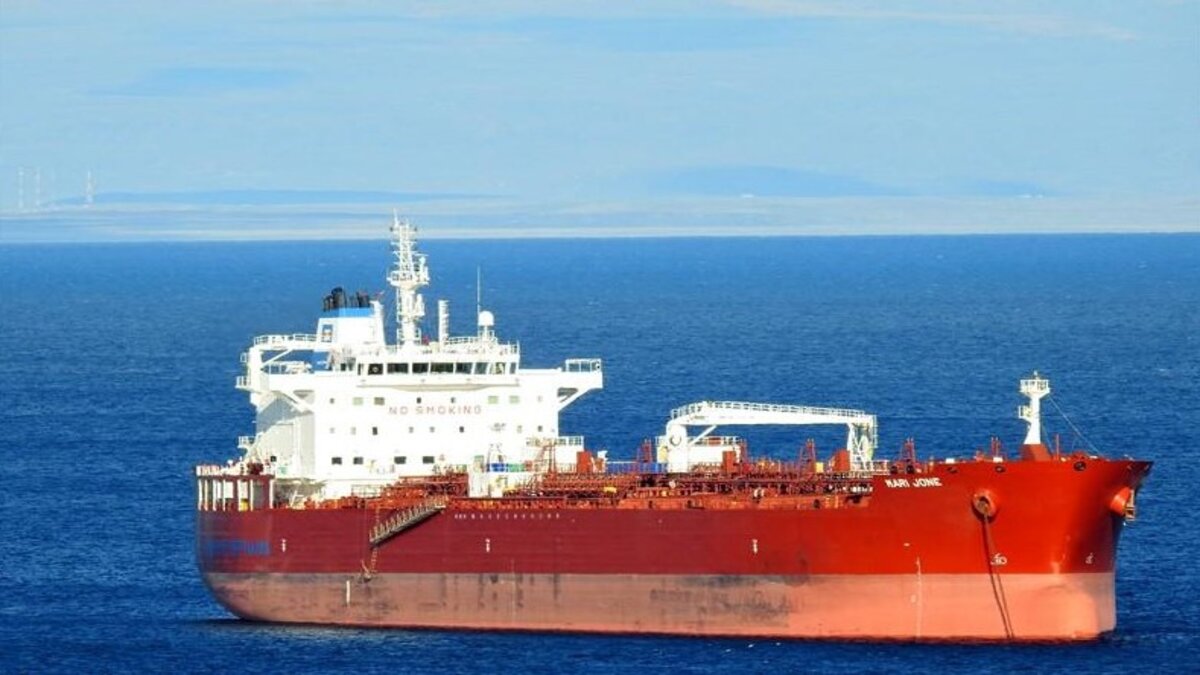
The Unloading Operation of Methanol on the Ship Mari Jone Held Last Week by Cattalini Terminals Marked High Productivity in Logistics and More Efficiency in the Activity Using the Product as the Main Fuel.
The port logistics company Cattalini Terminais Marítimos has significant relevance in the port sector regarding unloading operations of fuels. This is because the company conducted the unloading of 40,800 tons of methanol with the ship Mari Jone last week, which used the product as its main fuel and achieved good efficiency and quality in the flow using the simultaneous operation of the ducts.
Operation with the Methanol-Powered Ship Mari Jone Was a Success Last Week Under the Management of Cattalini Terminals Logistics Company
Cattalini Terminais continues to expand its operations with quality and logistical efficiency in the domestic market, and last week it conducted an unloading of 40,800 tons of methanol at its pier with the ship Mari Jone, which was fueled for the activity.
Thus, the operation ensured the company prominence in two major areas: high productivity in unloading and the use of the product as the main fuel, ensuring more efficiency in the flow of methanol.
-
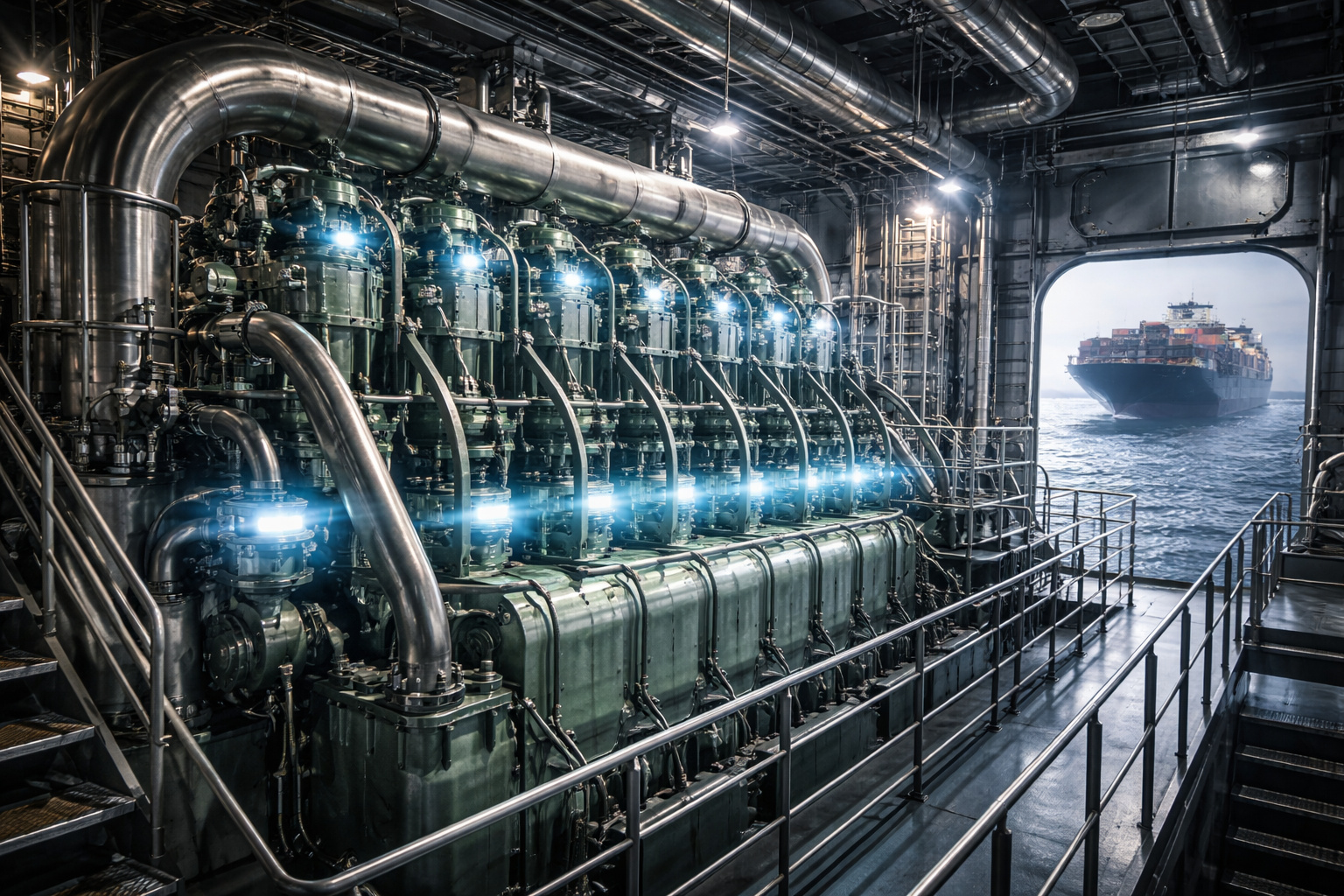
Europe is trying to create an ammonia-powered marine engine without auxiliary fuel, which could unlock the race for giant emission-free ships. The technology aims to eliminate one of the biggest obstacles to clean maritime propulsion.
-
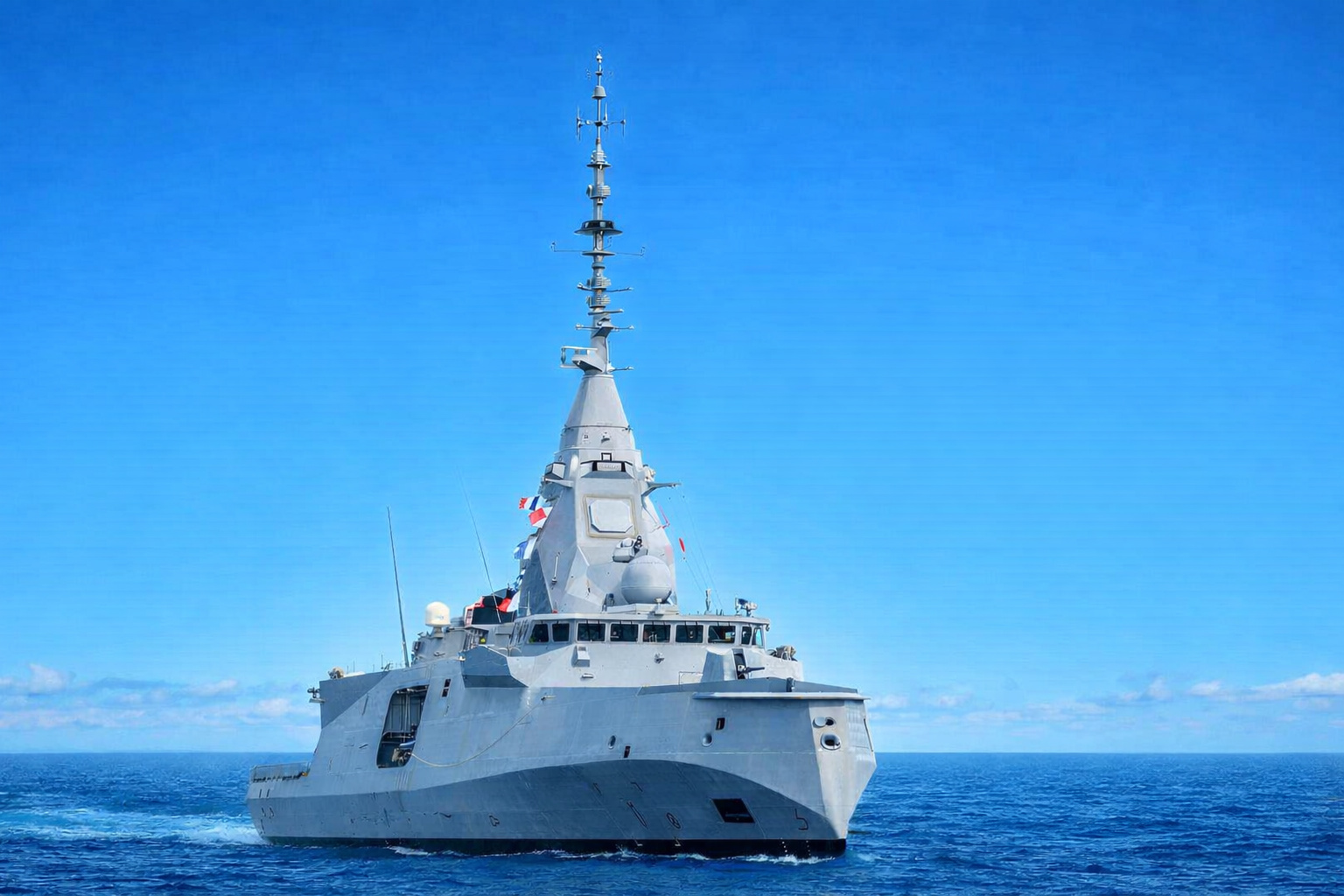
A 4,500-ton frigate with just over 100 crew members, state-of-the-art radar, and cruise missiles is being touted as the new standard of naval warfare in the 21st century.
-
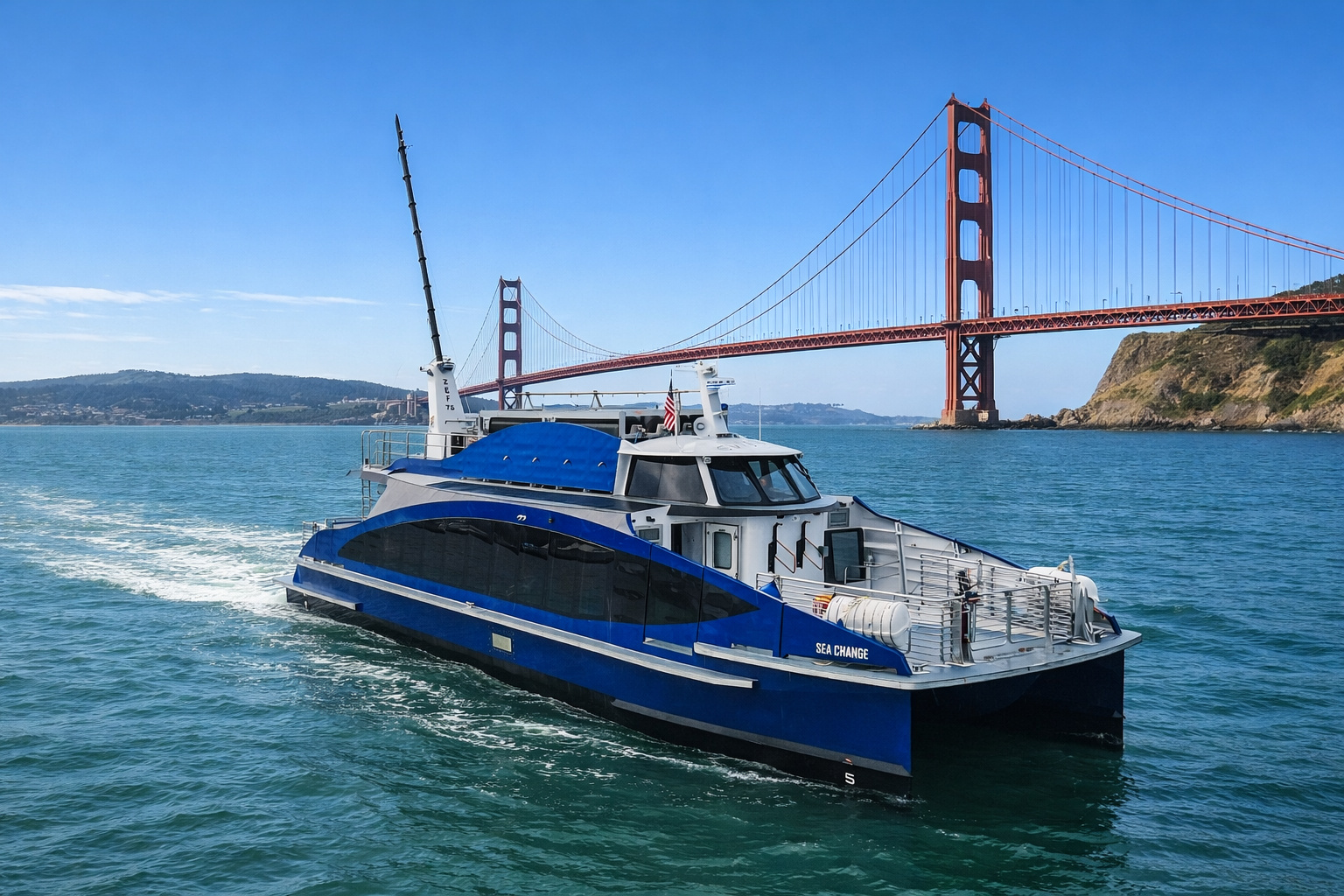
The first commercial hydrogen-powered ferry enters operation in the U.S., eliminates the use of diesel, uses fuel cells to generate clean energy on board, and transforms San Francisco Bay into a landmark of the new era of emission-free navigation.
-
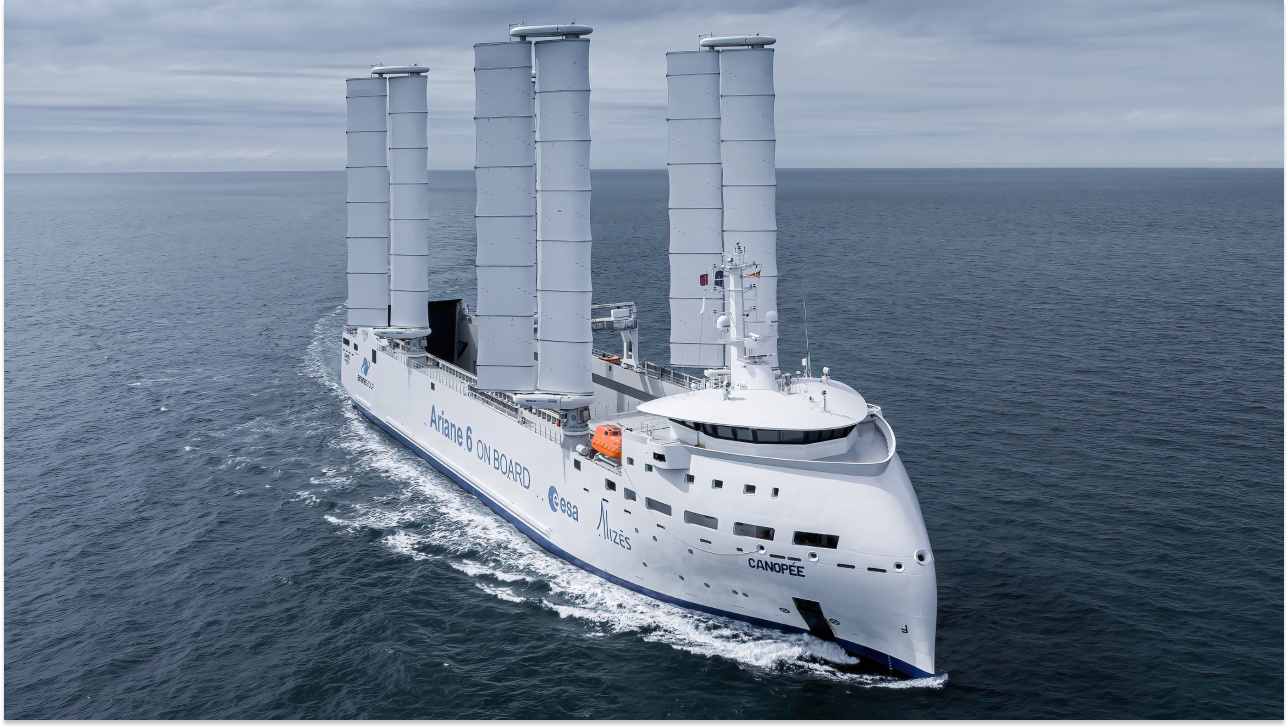
With a length of 121 meters and four rigid sails of 36 meters that automatically rotate to capture the wind, Canopée is the world’s first hybrid industrial cargo ship powered by wind, used to transport rockets and reduce fuel consumption by up to 30% on transoceanic routes.

The company’s focus in the unloading operation was to achieve the highest possible flow with the ship, and for this, the simultaneous use of the four ducts that connect the private pier to the company’s storage tanks was employed.
Therefore, the executive Bruno Marcel Santos, logistics manager, commented that the interconnection of the company’s sectors and the good communication between them enabled the smooth functioning of the product flow. Additionally, he emphasized that Cattalini Terminais continues to invest in the synergy of its team to ensure greater harmony in all operations.
The methanol unloading operation took a total period of 46 uninterrupted hours, with an average discharge rate of 1,109 m³/h, reaching a peak of 1,545 m³/h. This is a highly positive outcome for the port logistics company, considering that in previous operations the average discharge rate of the fuel was 800 m³/h.
To achieve this, the company highlighted that the planning and professional training of its workforce were the main areas of focus and that the results exceeded expectations.
Company Highlights That Planned and Controlled Operation for the Unloading of Methanol on the Ship Mari Jone Were the Driving Forces Behind the Good Results
The planned and controlled operation by Cattalini Terminais was the main driver of the good results from the unloading operation, given that the activity required the use of 10 of the 36 tanks at Storage Center 4 (CT4).
Thus, the involvement of the entire staff of this segment of the company was necessary to ensure that the entire process was carried out not only with efficiency and productivity but also with safety.
Flávio Jakemiu Araujo Bortolon, operations coordinator of CT 1, commented on the team’s synergy and said: “There was collaboration between the CTs and the pier for the preparation and adaptation of the lines that received the methanol, which were originally intended for the handling of other liquids. Each stage of the process required our attention, and today we are pleased to see that we made this difference for Cattalini. We fulfilled the mission of serving clients with quality, agility, and safety.”
Now, the company emphasizes that it will continue to invest in logistics improvements to ensure that the success in unloading methanol is recurrent in all cargo handling operations at its pier.








Seja o primeiro a reagir!