





 Portuguese
  English
  Spanish
  3 min of reading


Aiming to Minimize the Impact of Its Operations and Offset Carbon Emissions in the Atmosphere, Repsol Sinopec Announced an Investment of R$ 60 Million in a New Gas Capture and Storage Project in Partnership with PUC-RS.
During last Tuesday (08/23), the oil and natural gas company Repsol Sinopec announced a new research and innovation project in the field of carbon capture and storage in partnership with the university PUC-RS. The project aims to offset the company’s carbon emissions from its operations and will receive a total investment of R$ 60 million over the next few years to ensure more quality and efficiency in developing new solutions.
PUC-RS Joins Repsol Sinopec to Develop a Carbon Capture and Storage Project in the Brazilian Oil and Natural Gas Market
The company Repsol Sinopec is now seeking to invest in more sustainable and cleaner practices in the Brazilian oil and natural gas sector and has established a new partnership for a research and innovation project in the field.
This is a deal with PUC-RS for the development of carbon capture and storage solutions to offset the gas emissions from the company’s fuel exploration operations.
-
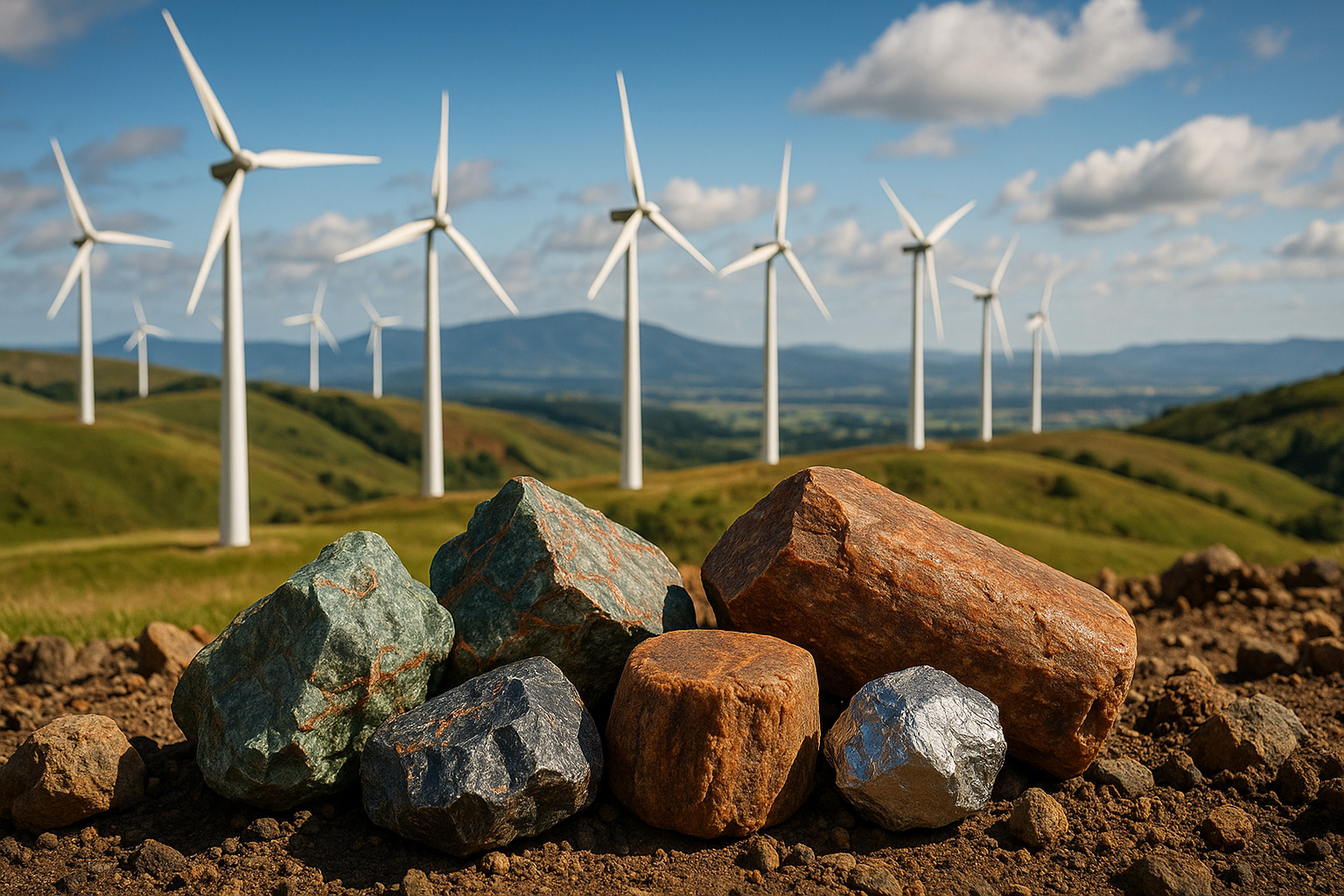
The Brazilian state accelerates industrial competitiveness with a focus on the extraction of strategic minerals to boost the energy transition in Goiás.
-
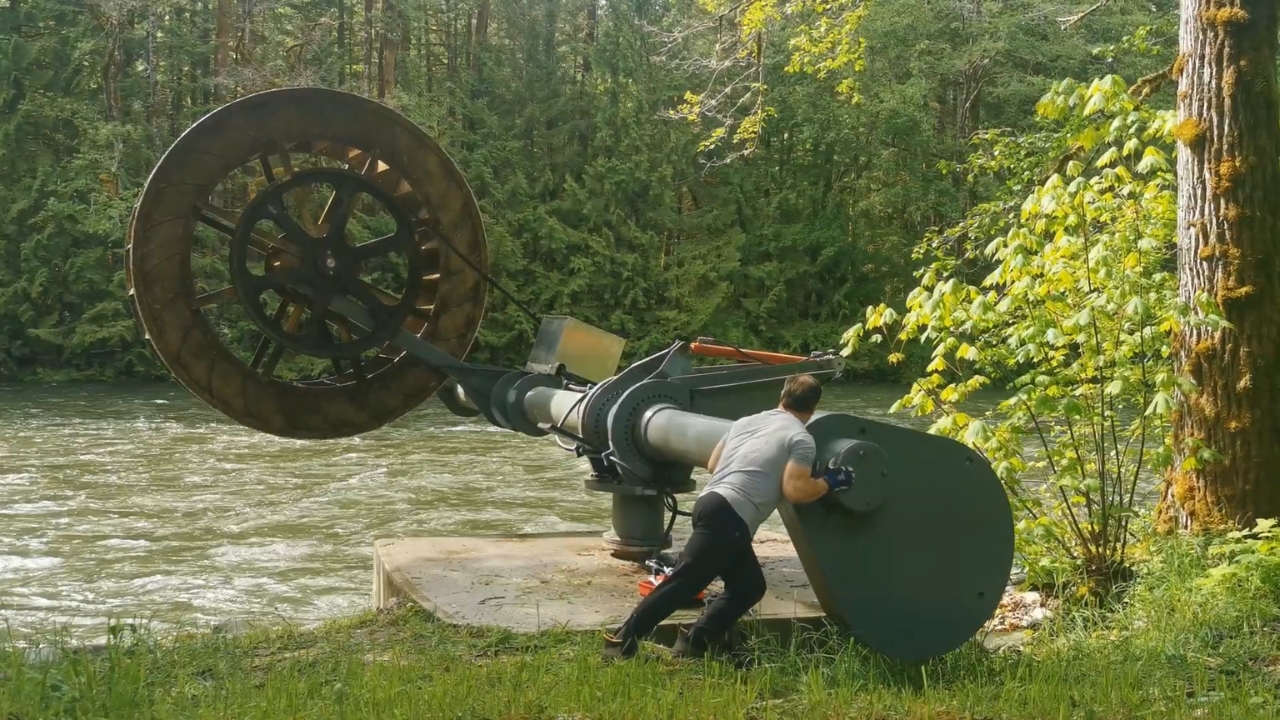
A Canadian retiree creates a hydroelectric system on a real river, generating energy continuously throughout the day and demonstrating how the power of water can supply a house with stability even in a simple structure.
-
Petrobras reaffirms its commitment to the market and ensures that it will carry out the energy transition safely to maintain national sovereignty.

-
Researchers discover a possible hydrogen deposit of up to 46 million tons beneath an ancient coal basin, and the volume could exceed half of the entire global production.

The carbon capture and storage project in the national market will involve a strong investment of R$ 60 million and will contribute to minimizing the impacts of existing carbon in the atmosphere.
The company’s goal is to remove carbon dioxide already present in the atmosphere and thus offset emissions made, reducing the problems caused by its operations in the national oil and gas sector.
The carbon storage will be conducted using basalt rocks for gas fixation through a mineralization process.
Furthermore, the company intends to complete the research and innovation project within 3 years in collaboration with the university in the state of Rio Grande do Sul. “This is the most ambitious research and development project launched by Repsol Sinopec Brasil, both in economic terms and in expected future impact, as part of the energy transition process,” said the research and development (R&D) manager of Repsol Sinopec Brasil, Jose Javier Salinero, in a statement recently released to the national oil and gas market.
Oil Company Aims to Use Renewable Energies in the Project and Will Invest in Carbon Storage in the Paraná Basin Region
According to the project timeline from Repsol Sinopec, the first phase of the deal with PUC-RS envisions an investment in acquiring the necessary equipment and evaluating the potential for CO₂ mineralization in basalt rock from the Paraná Basin.
This will be the region where the carbon will undergo the storage process, and the company plans to use Direct Air Carbon Capture and Storage (DACCS) technology to ensure greater efficiency and sustainability during operations.
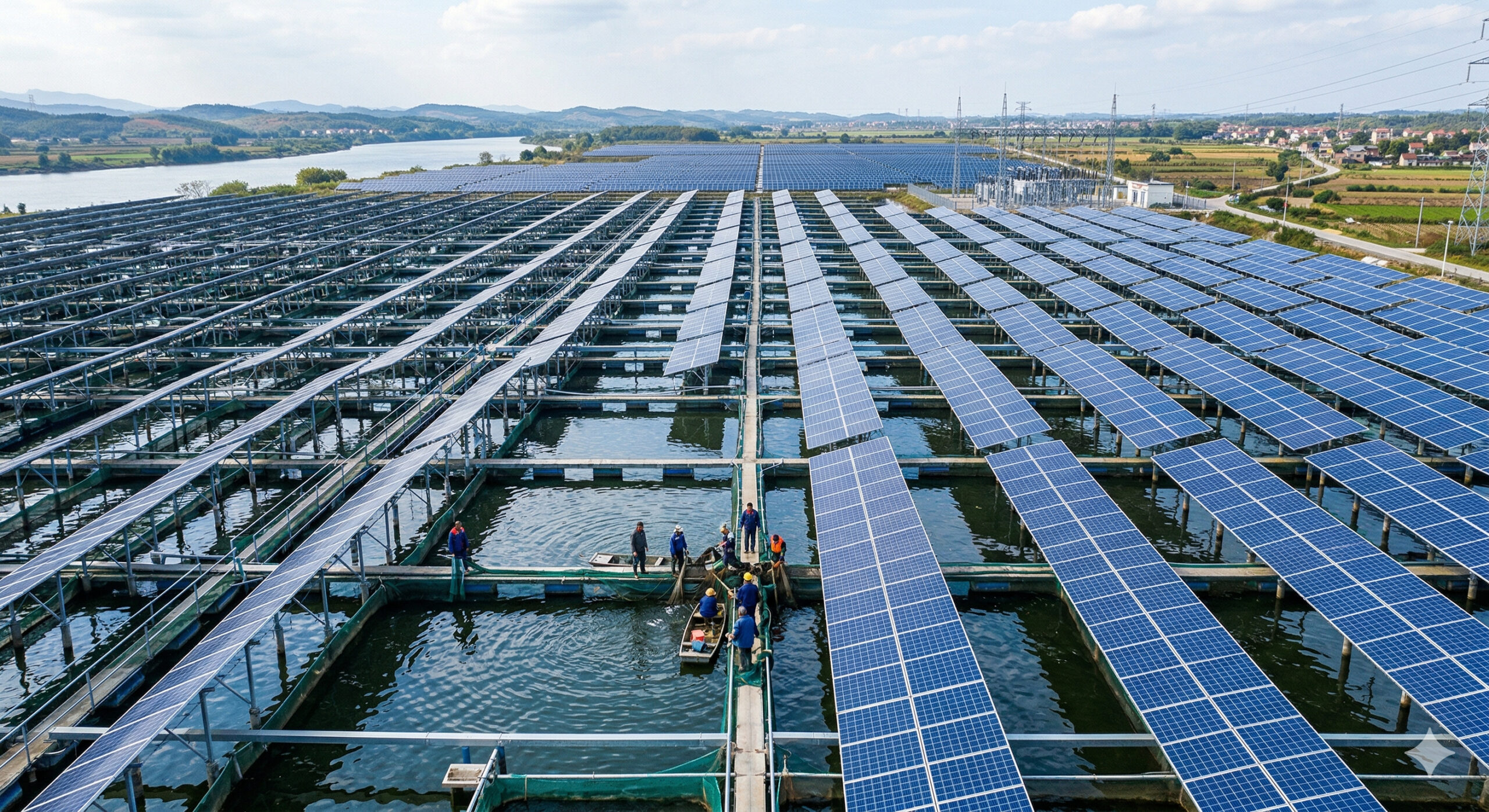
Additionally, Repsol Sinopec is assessing the potential use of renewable energies from solar and wind sources for the carbon storage and capture process, aiming to avoid further emissions of this polluting gas into the atmosphere during the project.
The company is also developing another parallel business for gas capture while focusing on the project with PUC-RS, CO2CHEM, which aims to manufacture fuels and chemical products from captured CO₂, reusing the resource.
In this way, the oil company will not only contribute to making its fuel exploration operations even cleaner and more sustainable in Brazil but will also collaborate to minimize environmental impacts in the atmosphere and with the global environmental agenda.







Seja o primeiro a reagir!