





 Portuguese
  English
  Spanish
  4 min of reading


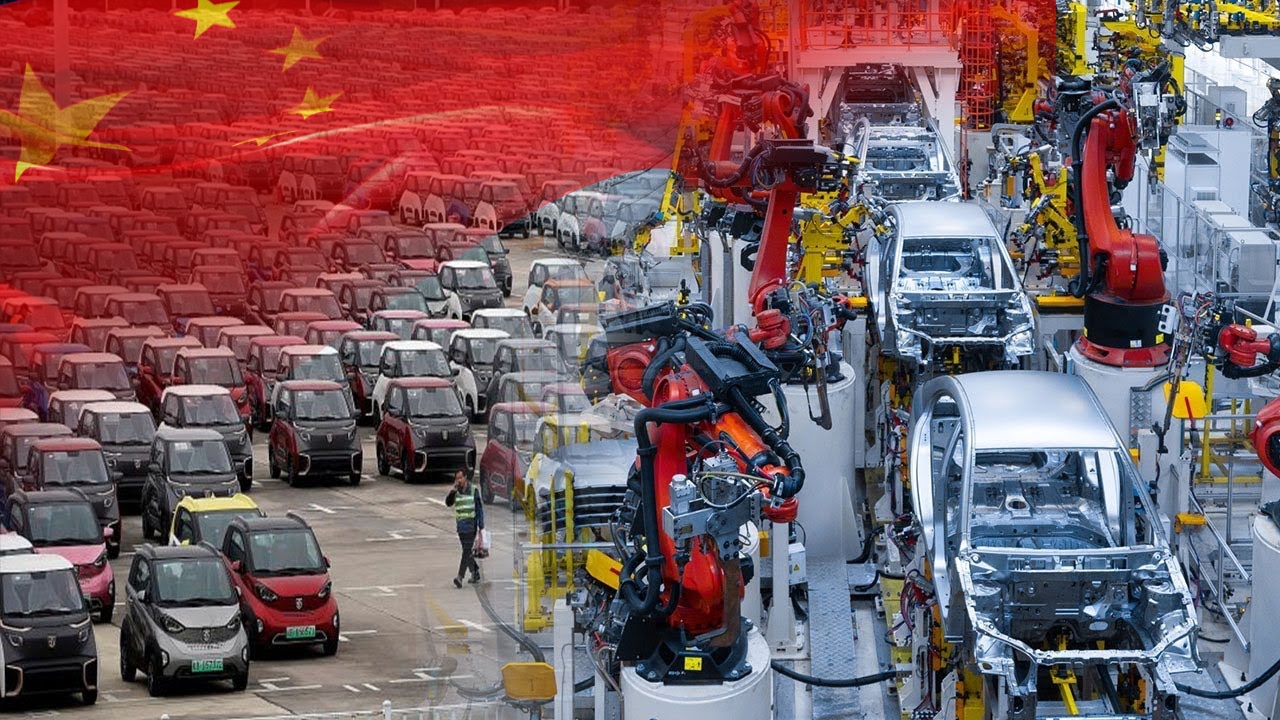
State Support Power for China’s Electric Car Revolution Makes Chinese Manufacturers Like Nio and BYD Competitors of Tesla.
After China’s declared ambition for electrification, it has become almost impossible to obtain a license plate for a gasoline car in Beijing. This year, about a quarter of the cars bought in the world’s largest automotive market were battery or plug-in hybrids. The year 2022 ended with around 6 million EVs. No other country comes close!
The rise of China as an electric vehicle powerhouse is driven by generous government support as well as fierce domestic competition, which has lowered prices while increasing demand.
According to research data from JATO Dynamics, not only are electric options in China now cheaper on average than gasoline cars, but they are also more affordable than comparable vehicles sold in Europe and North America.
-
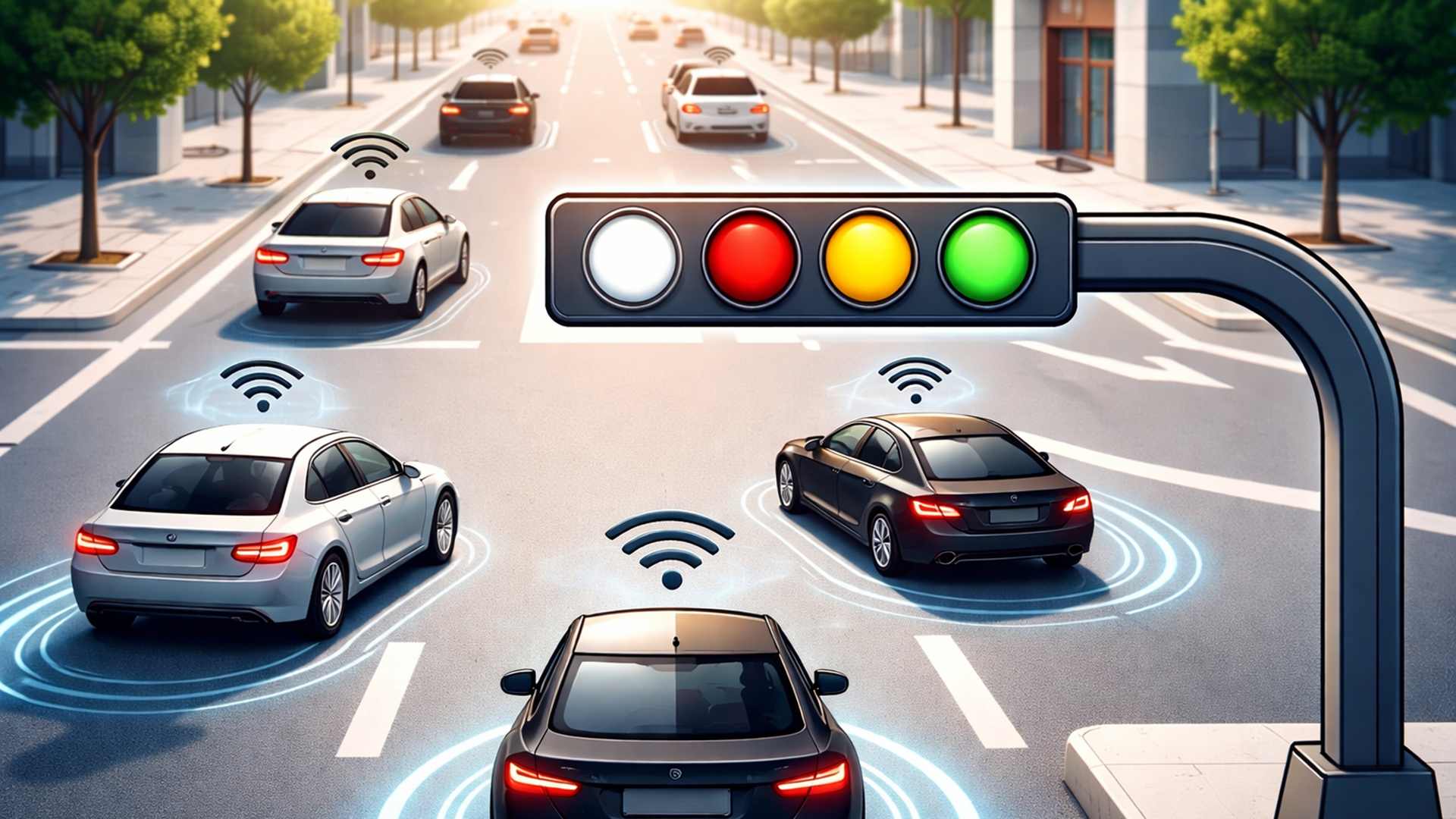
Engineers propose a fourth traffic light for intersections – the change promises to affect crossings, queues, and waiting times.
-
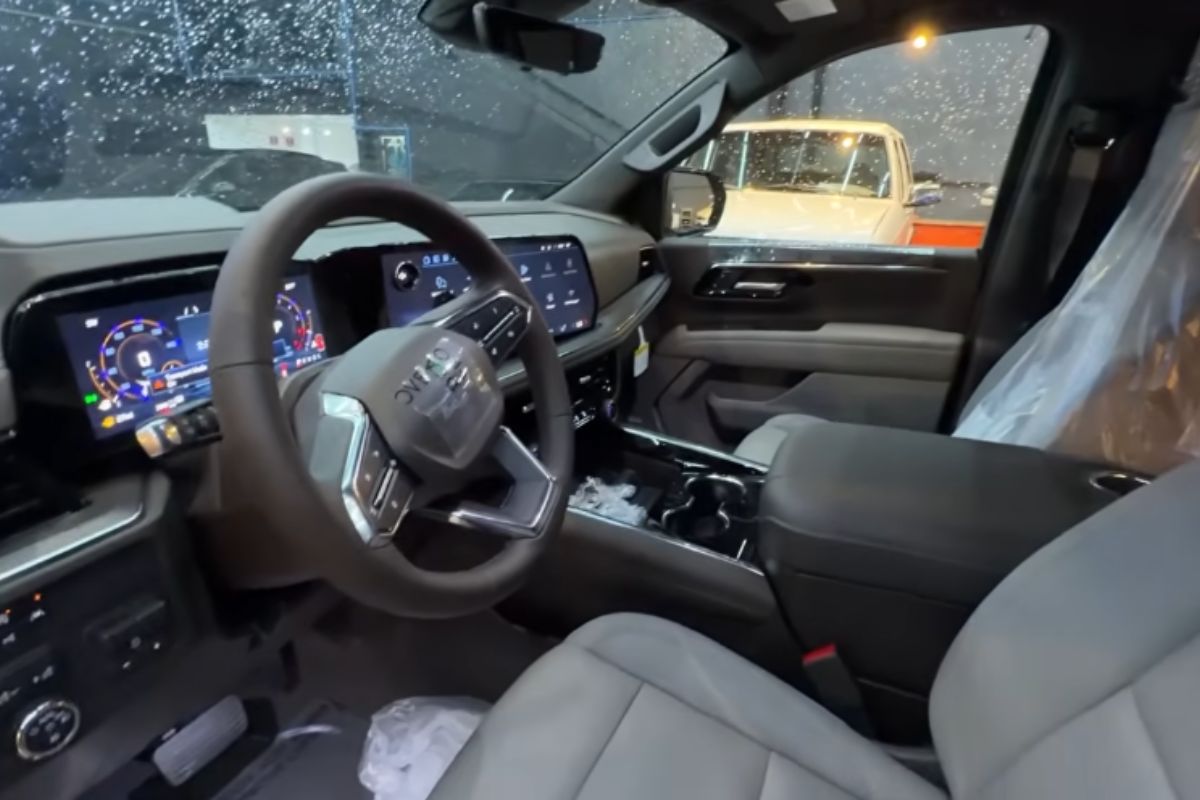
Chevrolet Suburban Z71 lands in Brazil with a V8 engine, off-road design, air suspension, seven seats, and colossal size, a rare version imported for around R$ 1.3 million with luxury and exclusivity.
-
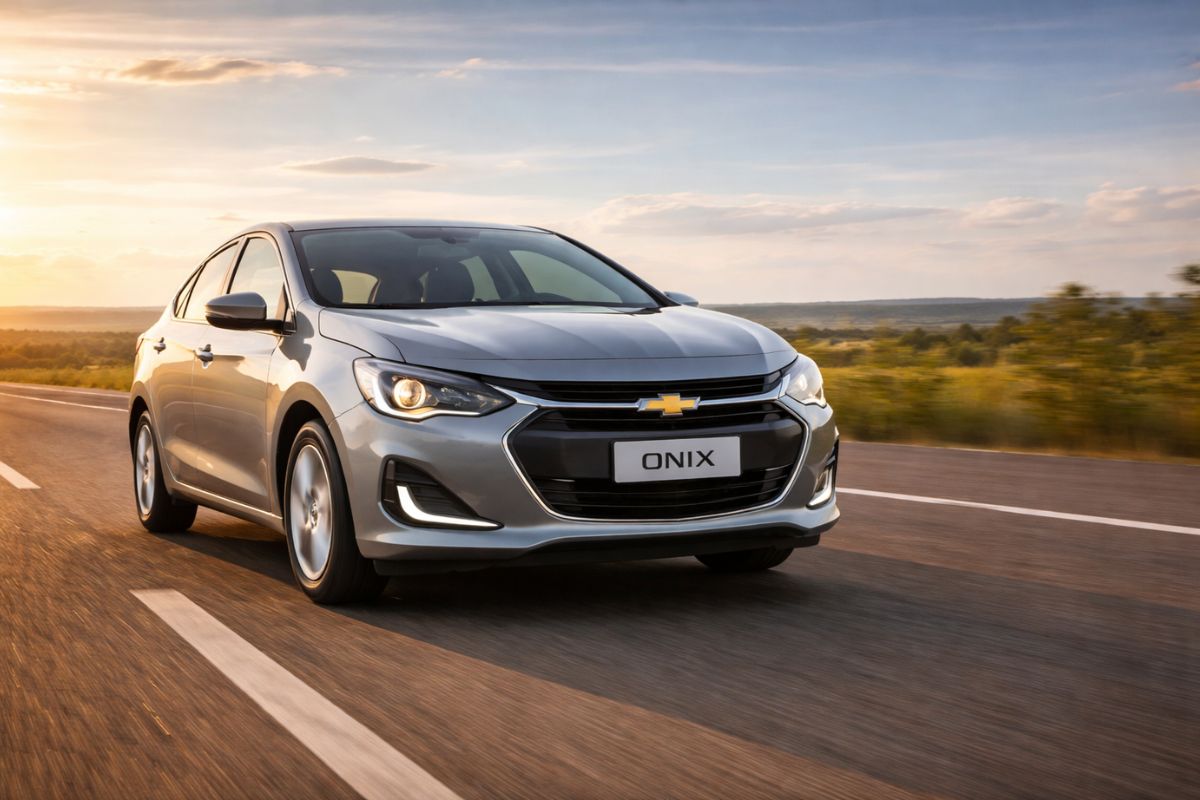
The Chevrolet Onix 1.0 turbo achieves 17.7 km per liter on the highway and ranks among the three most economical cars in Brazil in 2026, alongside two more expensive Toyota hybrids available at dealerships.
-
Little sister of the Hilux: Toyota launches Land Cruiser FJ with 4 radical versions, 2.7 engine with 166 hp and 4×4 traction with locking.

For example, with the support of the Chinese government, Arcfox, a local brand launched by the state-owned BAIC in 2020 as a potential challenger to Tesla, was offering a deal that knocked several thousand dollars off the price, bringing the battery-powered sedan down to about US$ 34,000!
Chinese Manufacturers Lead the Electric Revolution in the Sector Not Only in China but Globally!
Analysts increasingly see Chinese automakers leading the electric revolution in the sector not just in China but globally, as Chinese offerings become available abroad. From a global perspective, the arrival of affordable Chinese electric vehicles is a win for global efforts to avoid the worst consequences of climate change.
It is also a win for industrial planners in Beijing, who have been focused on forging a leading global automotive brand for decades. Chinese manufacturers like Nio and BYD are now often mentioned as challengers to Tesla.
Tesla’s Entry into Shanghai Led Many Chinese Automakers to Bankruptcy
But the race is far from over. They remain among more than a dozen manufacturers selling electric vehicles in significant volumes in China today. Many face bankruptcy caused by overcapacity and very thin profit margins. The story of the venerable BAIC Group is a good example of this mix of intense competition and state support.
This reckoning was indirectly triggered by the opening of Tesla’s Gigafactory in Shanghai in December 2019, which was a turning point for the electric car sector in China.
Up to that point, sales growth had largely been driven by subsidy-dependent companies selling small cars, but authorities cut funding for many light vehicles at the same time they allowed American automaker Tesla to enter.
While effective in creating a thriving sector, the Chinese government’s intervention in the vehicle electrification market left “huge room for more consolidation” and future mass bankruptcies as the sector attempts to deal with overcapacity, said Qiu Kaijun, a Chinese automotive industry analyst. He added that price cuts, a common tactic to stimulate sales, will remain prevalent even after government subsidies expire at the end of 2022, as Chinese automakers can’t afford to raise prices and risk losing customers.
Chinese Have a Greater Supply of Electric Vehicles Than Anywhere Else in the World — and at a Lower Price!
State-led development of the sector and its focus on cost reduction are beneficial for consumers. Buyers in China have a greater selection of electric vehicles than anywhere else in the world — and at a lower price.
While the main reason for cheaper electric cars is the focus on mini-vehicles for the mass market, the scale of the Chinese market has now started to lower prices even for larger models, like SUVs, said Felipe Muñoz, global analyst at JATO Dynamics. “It’s easier for them to reduce the development cost of these cars — reducing the price of batteries, for example — than for automakers that don’t have as much support from their local governments,” he said.
This trend has resulted in many Chinese people choosing electricity not out of fears for the planet’s future but for cost considerations and the prospect of circumventing large cities’ ownership and usage limits on cars.
Moreover, major Chinese cities restrict access to licenses to reduce congestion. Electric car buyers often have shorter wait times than if they had gone with gasoline cars.









Seja o primeiro a reagir!