Portuguese
  Spanish


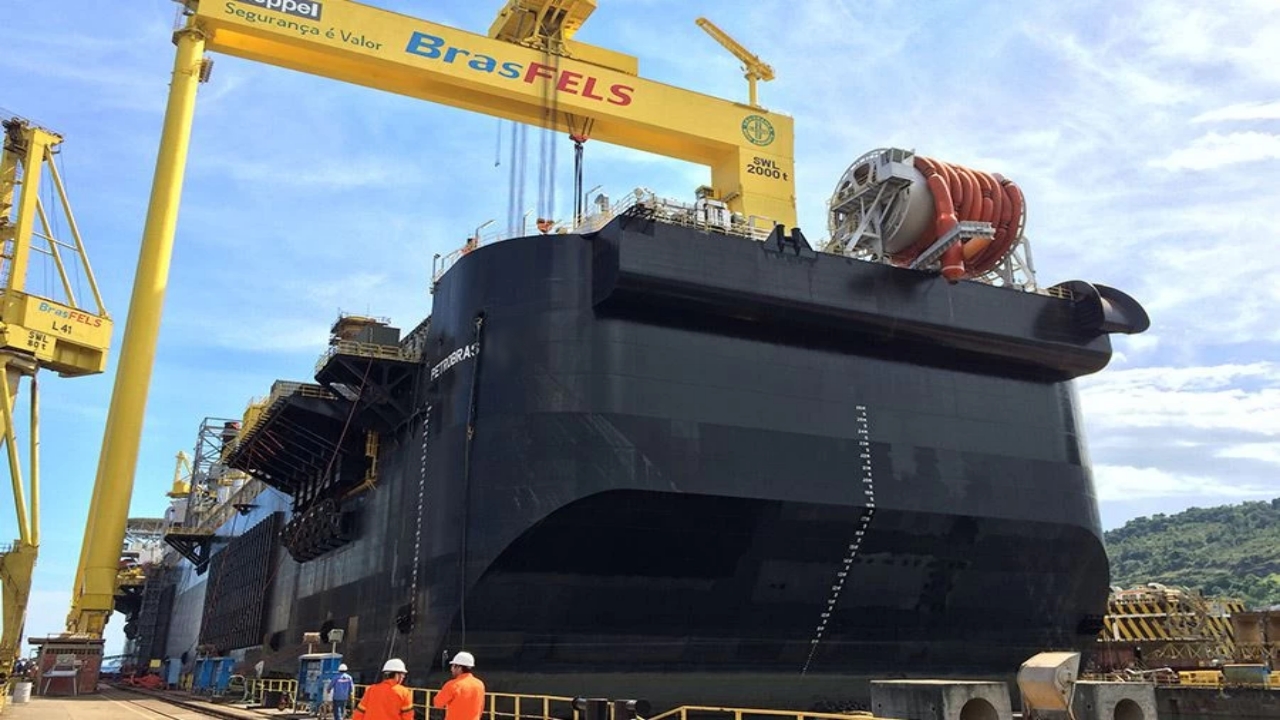

Atapu Field Reached 150 Thousand Barrels of Oil Per Day and Sépia Field Started Production via FPSO Carioca, the Largest Operating Platform in Brazil in Terms of Complexity!
On December 23, the Brazilian oil giant Petrobras Launched the Bidding Notice for Contracting the FPSOs for the Atapu and Sépia Projects, marking the deadline for proposal submissions as July 20 and the start of production in 2028.
Named P-84 and P-85, Petrobras’ new platforms, of the FPSO (Floating, Production, Storage and Offloading) type, will each have a production capacity of 225 thousand bpd of oil and 10 million cubic meters of gas per day.
ANP Auction Unites Petrobras, Shell, and Total for Exploration and Production of Surplus Volumes from the Costly Transfer in the Atapu and Sépia Fields
Petrobras partnered in July this year with Shell Brasil and Total Energies EP and acquired the rights to explore and produce oil and gas in the Atapu and Sépia fields.
-
With a record production of nearly 3 million barrels per day, Petrobras resumes importing diesel in July, highlighting the bottleneck in Brazilian refining.

-
Qantas and Airbus Invest in Company Aiming to Convert Unsorted Household Trash into Jet Fuel

-
Brazil’s ANP Opens 86 New Oil Blocks in the Equatorial Margin, Expanding the Amazon River Mouth Frontier

-
OPEC+ Boosts Oil Supply by 188,000 Barrels per Day in July 2026, Leading to Price Drop from $112 to $89 per Barrel in Under Two Months
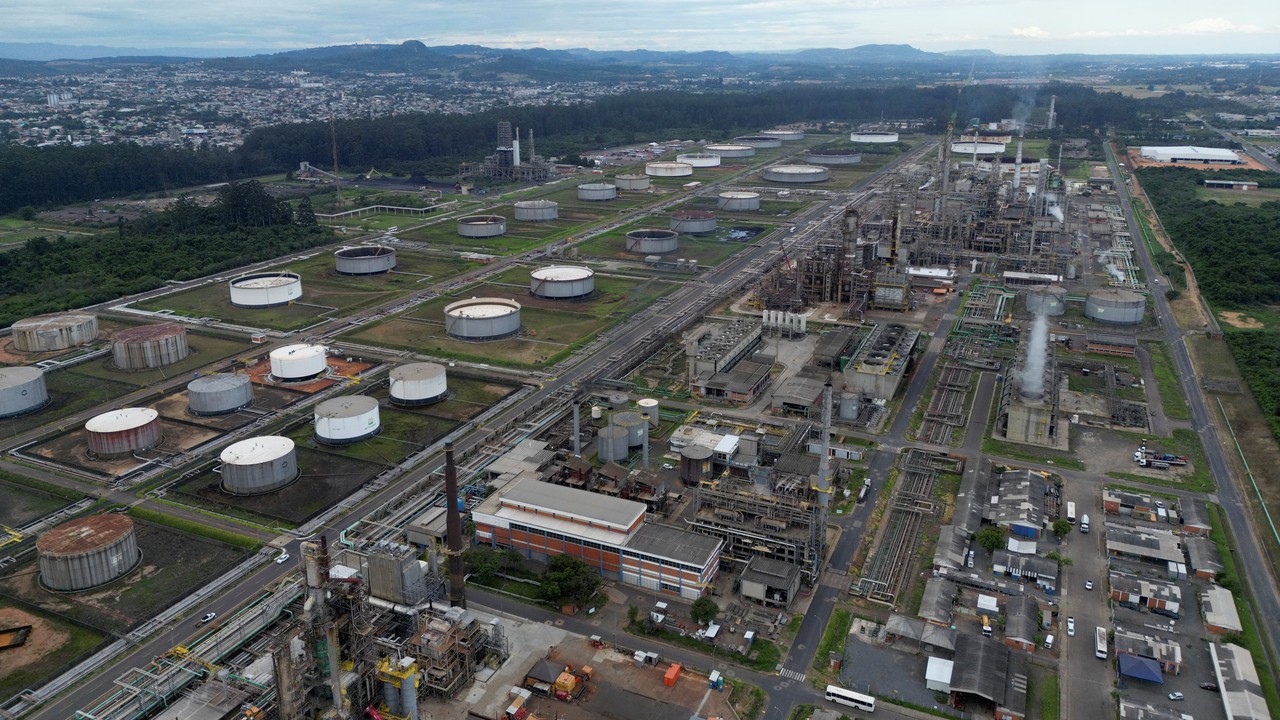



In the auction, Petrobras acquired the rights to explore and produce the surplus volumes beyond those of the costly transfer in the offshore Atapu and Sépia fields. The state-owned company exercised its preferential right to acquire the surplus volumes from the Sépia field, joining the winning consortium’s proposal. The consortium has Petrobras as the operator, with a 30% stake, in partnership with TotalEnergies EP (28%), Petronas (21%), and QP Brasil (21%).
Regarding the Atapu field, the oil company partnered with Shell Brasil and Total Energies EP. The consortium has Petrobras as the operator, which now holds 65.7% of the shared Atapu field, Shell 16.7%, TotalEnergies 15%, Petrogal 1.7%, and the Union, represented by Pré-Sal Petróleo S.A. – PPSA, 0.9% of the shared Atapu field.
For the shared Sépia field, the composition is Petrobras (55.3%) as the operator, TotalEnergies (16.9%), Petronas Petróleo Brasil Ltda. (12.7%), QatarEnergy (12.7%), and Petrogal (2.4%). In both fields, Pré-Sal Petróleo S.A. – PPSA acts as the contract-sharing manager.
The Oil Companies Paid Petrobras for Atapu and Sépia, Respectively, the Compensation Amounts of US$ 3,253,580,741.00 and US$ 3,200,388,219.00
The Atapu field began its production in June 2020 via the FPSO P-70 and reached its production capacity of 150 thousand barrels of oil per day in July 2021. It has the capacity to process up to 6 million m³/d of gas. The Sépia field started its production in August 2021 via the FPSO Carioca, the largest operating platform in Brazil in terms of complexity.
The offered percentage of the surplus oil to be made available to the Union was the only criterion adopted by the ANP to define the winning proposal, with the fixed signing bonus amount already stated in the bidding notice. The total signing bonus to be paid by Petrobras is R$ 4.2 billion.
For Atapu and Sépia, the compensation amounts before “gross up” are respectively US$ 3,253,580,741.00 and US$ 3,200,388,219.00 and were paid by the partner companies to Petrobras in proportion to their share in the consortia. For Atapu, Petrobras received the compensation in April 2022. The date for the compensation of Sépia was set after negotiations with the consortium.