





 English
  Francês
  Alemão
  Italiano
  Japonês
  Norueguês
  Portuguese
  Spanish
  3 min of reading
  0 comments


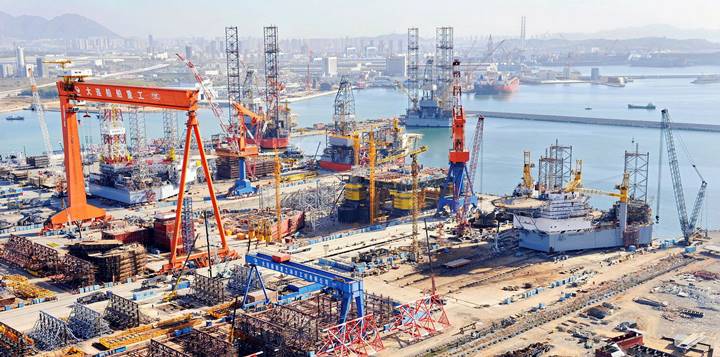
Do Controversial Topics Like Local Content and Import Tax Flexibility Affect the Level Playing Field for Our Companies to Compete with Foreign Giants? Or Should We Stick to Free Market Principles?
This controversial topic always comes up in conversations among friends and among professionals in the oil and gas and shipbuilding industries. Should local content be increased to protect our industry and create jobs in the domestic market? Should the taxation regimes for imported products be relaxed to promote cabotage activities?
As you can see, there are many questions, and they lead to discussions that branch out across our economy, impacting the lives of Brazilians and the long-desired quest for job creation.
Many advocate for free trade, where each person’s competitiveness speaks louder, thus lowering prices with the establishment of market competition. Conversely, others argue for government involvement to turn incentives into job creation, subsequently increasing tax revenue and converting it into better health and education services.
-
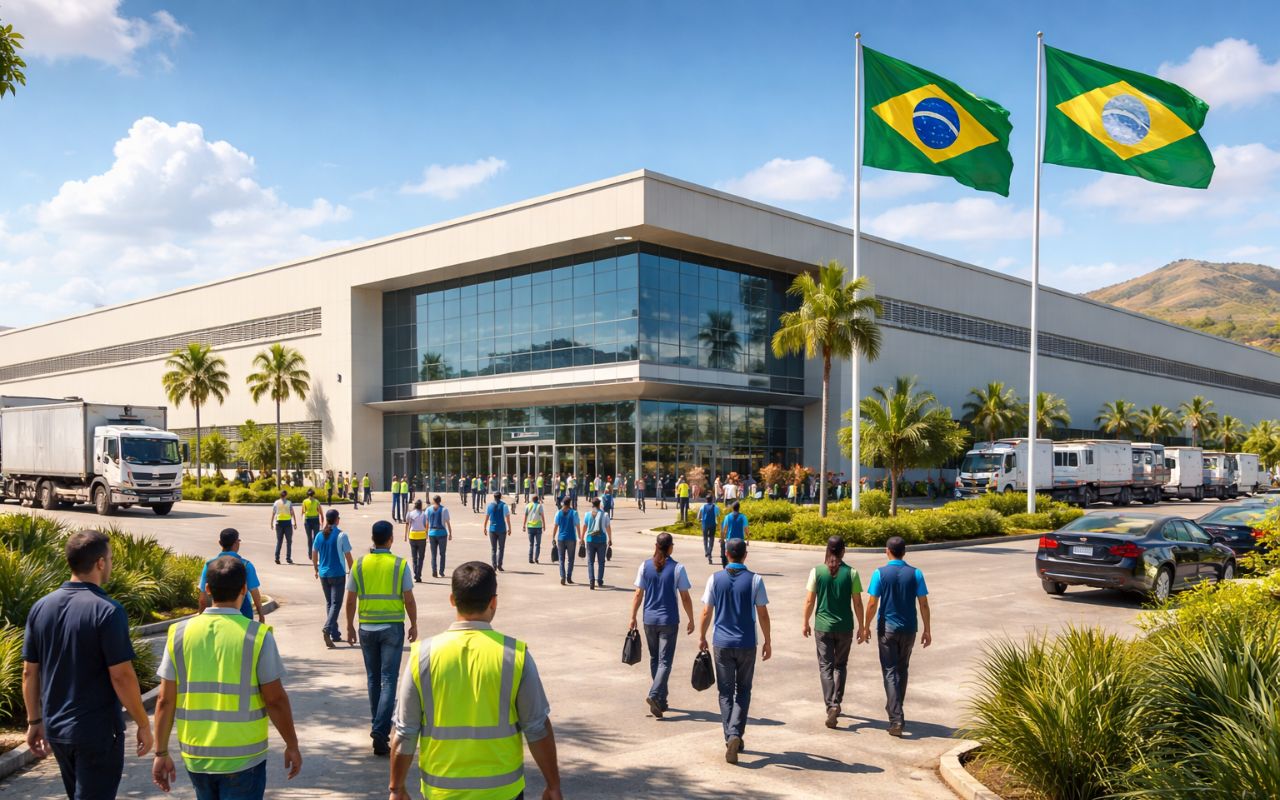
New shoe factory in Ceará is expected to create 400 jobs and strengthen the local economy.
-
No one imagined it, but a mixture of sawdust with a mineral that fights fires surprises scientists with a result that changes the course of fire-resistant construction.

-
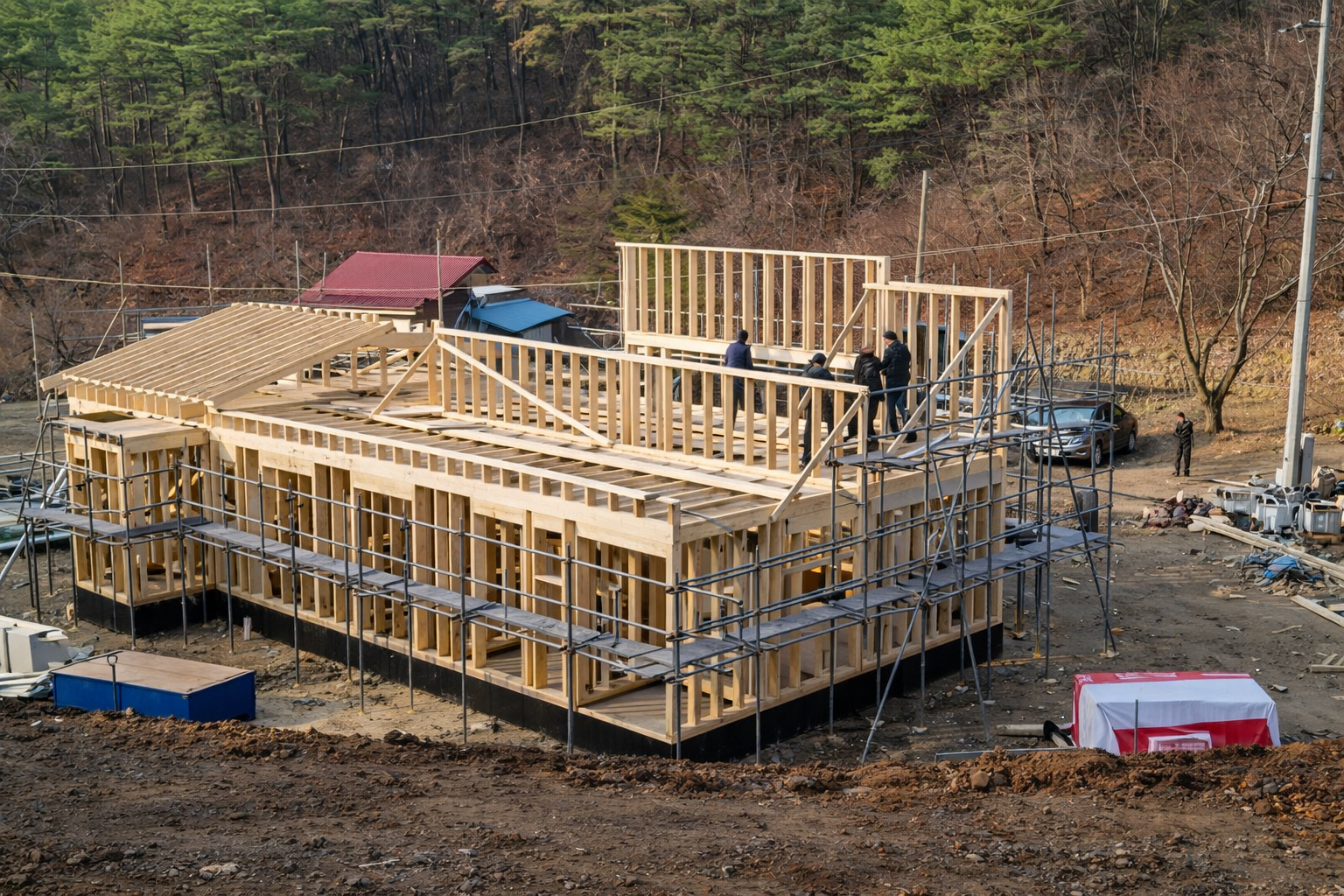
From empty land to a high-end house, wooden construction uses a lightweight system, metal structure for the foundation, ventilated ceramic cladding, and special windows to create an efficient and comfortable living space throughout the year.
-
From vacant land to a high-end house, wooden construction uses a lightweight system, a metal structure for support, ventilated ceramic cladding, and special windows to create an efficient and comfortable living space throughout the year.

National Content
Some defend it vehemently and find it impossible for the platforms extracting our oil to be built and create jobs abroad while we have millions of unemployed people and shipyards closed here. Others accuse it of being the cause of the chaos that today plagues our national shipbuilding sector, as the abundance of financing contracts, combined with its lack of oversight, has led us to the largest wave of corruption our country has faced.
According to data from ANP, local content, which began in the 7th bidding round, peaked at 79% certification in 2015, with the P76 platform’s construction (2014-2018) as a highlight, budgeted at US$ 889 million, which at its peak employed 5,000 people in Pontal do Paraná, a city of about 26,000 inhabitants.
Currently, since the Temmer government, the local content applied has been 25% for goods and 5% for services in the construction phase of the UEPs (Production Station Units).
Flexibility of Import Taxes
Governments have created measures aimed at increasing activities and consequently creating jobs in the maritime sector and across the oil and gas sector. Some of these measures, such as Repetro, a customs fiscal regime that suspends the collection of federal taxes on the import of equipment for the oil and gas sector, mainly exploration platforms.
Created to facilitate investments in the oil and gas sector, the regime is criticized by representatives of machinery and equipment companies, suggesting that only items without Brazilian equivalents should be exempted to protect the national industry.
Another measure taken by the federal government was the creation of the project “BR do Mar”, which alters the regulatory framework of the navigation sector (Law 9432/1997) and received this name for providing an alternative to highways. The measure modifies the import tax rate for vessels that will operate in cabotage (transport between the country’s ports), reducing it from the previous 14% to zero, a significant tax burden reduction for shipowners wishing to expand their fleet. It is worth noting that cabotage grew by 10% in 2019 and has the potential to grow by up to 30% according to experts, as it is a safer and less polluting mode of transport compared to our modal leader, road transport.
The measure has been heavily criticized by employees and shipbuilding industries, as it favors the hiring and construction of ships abroad at a time when the main shipyards in the country are idle without orders, despite the government claiming an increase in maintenance services in the sector due to fleet growth.
Another negative point raised is that while the measure itself is important, it does not resolve the issue because the greatest cost for shipowners is operational costs, a factor that would only be reduced if there were a review of the high tax burden on bunker fuel, labor costs, and taxes.
In conclusion, we have a long way to go in adjusting current policies to create an environment that favors foreign investment and ensures our oil and gas industries are competitive before we can begin discussing another controversial point: sector productivity.









Seja o primeiro a reagir!