





 Portuguese
  English
  Spanish
  5 min of reading
  0 comments


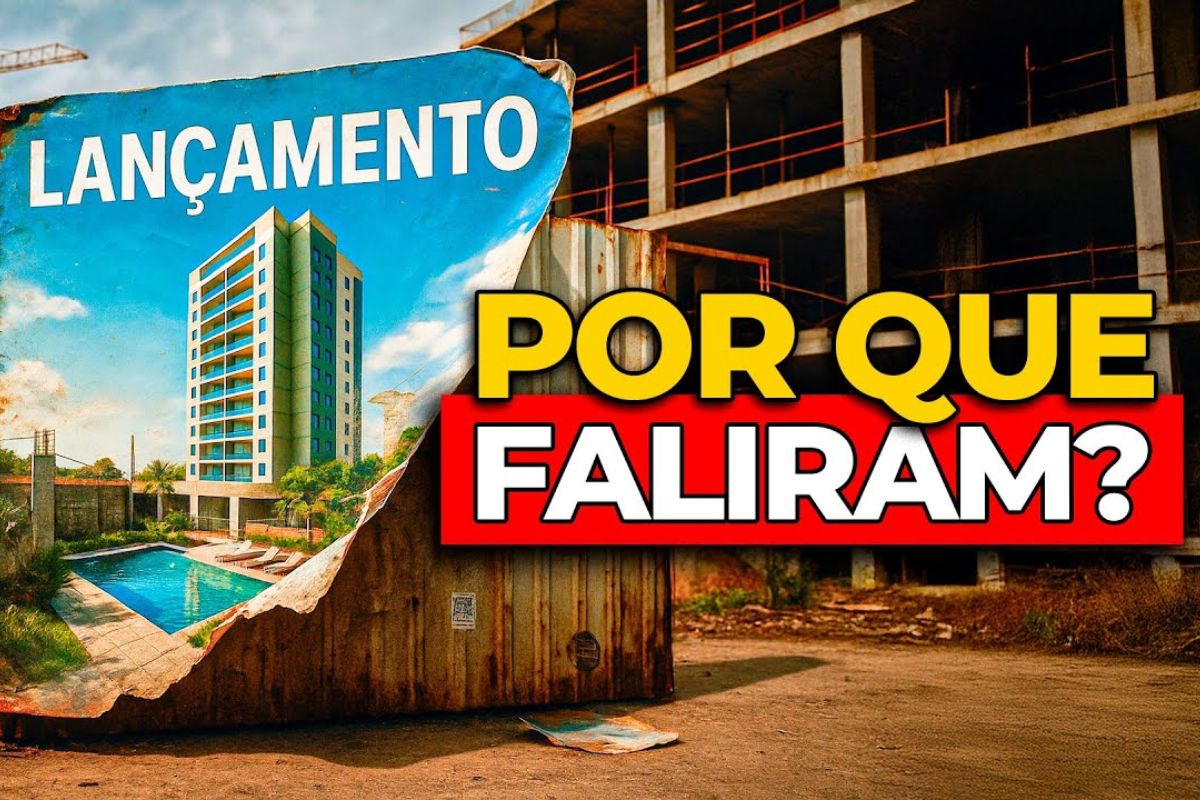
Buying Off-Plan in 2025 Exposes Empty Construction Sites, Frozen Credit, Rising Costs, Hasty Promotions, and Cases of Buyers Paying Condominiums Without Receiving the Keys
Buying off-plan in 2025 has ceased to be synonymous with securing a good property and has turned into a stress test for both the wallet and patience. The described scenario in the market is clear: indebted builders, slowed works, flawless models, and silent construction sites, while the salesperson continues to claim that “it’s the last unit” and that “now is the time to close.” The risk of the dream turning into a concrete skeleton exists and is not theoretical.
The combination of higher interest rates, scarce credit, and pressured construction costs has led to a hangover from the recent boom. Many companies bet on launches expecting infinite demand and now renegotiate deadlines, change materials, delay transfers, and try to survive through marketing, not cash flow. In this scenario, the buyer finances the construction with their own money, and if the machinery seizes, there’s still condominium fees to pay without having received the keys.
What Has Changed in the Current Cycle
The momentum that sustained the pace of launches has lost strength. Buying off-plan in 2025 means dealing with a sector that operates leveraged and dependent on bank credit, which has shrunk. Where there was once a queue at the sales booth, today there are revised schedules, empty construction sites, and suppliers that haven’t been paid. It reflects a painful adjustment.
-
Elderly individuals aged 65 or older who have never contributed to the INSS can receive R$ 1,621 per month in 2026 without having paid any contributions in their lifetime: learn how the benefit works that already supports nearly 7 million Brazilians.

-
The gaucho city reduced the number of Bolsa Família beneficiaries by almost 40% in just a year and a half with active outreach that connects each registered person directly to job vacancies in Bento Gonçalves in Rio Grande do Sul.
-
The bluest city in Brazil has just gained a new floating bridge for the free crossing between the island and the mainland, connecting residents and visitors to the historic center of São Francisco do Sul every day of the week.
-
In a silent race, Shopee signs a mega contract in Guarulhos and accelerates the e-commerce war with faster deliveries, pressured shipping, and a new threat to rivals in Brazil.


The effect is visible at the end. Delays cease to be an exception and become the rule, and the commercial conversation slides into climate or bureaucratic justifications that mask the central reason: lack of cash. In this environment, aggressive promotions and “unmissable conditions” tend to signal financial tightness more than real opportunity.
The Direct Risk for Those Who Sign
In practice, buying off-plan in 2025 is financing the construction journey. When the company loses traction, the construction stops, and your money remains immobilized.
Even with the protective discourse, what is seen is buyers becoming creditors in line, while the physical asset does not exist or is not completed. Contracts without execution are worth little against an empty cash reserve.
The impact overflows into daily life. There are reports of condominium fees being charged before the keys are delivered, in addition to projects that enter legal disputes and remain stopped for years.
The legal and financial risk falls on those who have paid because the bank continues to charge and the property does not fulfill its function as a home or source of income.
The Perfect Showcase That Hides Fragility
The sales force is calibrated to enchant. Showroom decor, illuminated models, and “premium lifestyle” language create a feeling of security, but models do not complete construction.
This contrast appears when marketing accelerates while the construction site slows down. Live events, giveaways, and sudden discounts may indicate an urgent need for cash.
Buying off-plan in 2025 requires resisting the impulse, cooling the desire, and opening a CNPJ before opening the wallet.
Warning Signs That the Buyer Cannot Ignore
Pay close attention to recurring delays, changes in tone of service, disappearance of responses, and schedules “under review”.
These are classic markers of financial pressure. An empty construction site during business hours is another objective alert that needs no interpretation.
Also weigh notices in the registry, labor lawsuits, public complaints, and changes in CNPJ along the way.
Confusing corporate structures and transferring responsibilities to “partners” require close scrutiny. In 2025, buying off-plan without checking this is an invitation to error.
How to Reduce Risk Before Signing
The first step is to really audit. Check delivery history, registration status, registered allocation of assets, and approved construction financing.
When there is a bank structuring the project, disbursement by measurement imposes financial discipline on the construction.
The second step is to visit the construction site and compare physical progress with what was promised. Buying off-plan in 2025 without stepping on the land is to give up a simple check.
Beware of last-minute discounts and large giveaways: those who need cash today may not deliver tomorrow.
I’ve Bought and the Alert Has Gone Off, Now What?
If the signs appear, document everything. Notify formally, keep emails, photos, and minutes, and seek specialized legal support early. Preventive actions are more likely to preserve part of the capital than measures taken when the situation has already deteriorated.
Monitor measurements, inspection reports, and assemblies of the project. If there is a turnaround for recovery, understand the proposal, the order of creditors, and the effective guarantees.
Organization among buyers increases the negotiating power and oversight of the construction site.
When It Still Makes Sense to Buy Off-Plan
There are cases where buying off-plan in 2025 may be justifiable: a company with proven cash flow, a history of deliveries, solid asset allocation, and contracted funding for construction.
That said, it is a decision of risk profile, requiring financial reserves, a long horizon, and tolerance for delays.
For those seeking less uncertainty, ready property reduces variables and turns promises into concrete. Paying a little more for predictability can be cheap compared to the overall cost of delays, lawsuits, and frustrations.
The market continues to sell dreams in impeccable stands, but what delivers keys is cash, governance, and active construction.
Buying off-plan in 2025 without thorough checking is to bet against the odds in a cycle where the seller smiles and the construction site empties. A Mature Decision arises from calculations, visits, and documentation, not from slogans.
In your city, what have you seen with buying off-plan in 2025: constructions progressing at the promised pace or hastened stands and empty construction sites?







Seja o primeiro a reagir!