





 Portuguese
  English
  Spanish
  3 min of reading
  0 comments


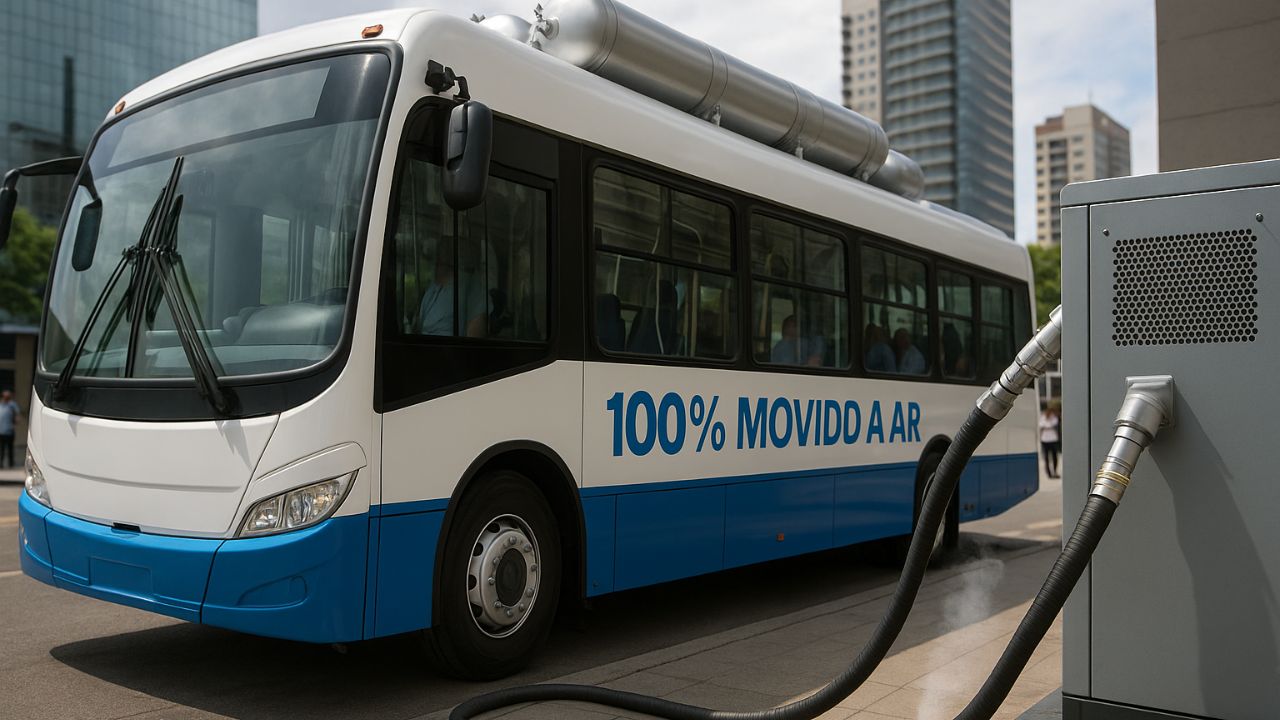
The Idea of an Air-Powered Engine That Eliminates Pollution Seems Revolutionary, but a Technical and Historical Analysis Reveals Why This Technology Is Not the Solution for Public Transport.
A news report about a compressed air engine prototype developed in Campinas for urban buses generated excitement. The promise was zero pollution and almost no refueling costs. However, the claim is unfounded. The city is actually investing in electric buses and CNG. The technology of the air engine faces insurmountable physical and economic barriers, with a global history of projects that have never been realized.
The Myth of the Campinas Prototype and the Reality of Sustainable Transport
The premise that an engineering company in Campinas has finalized an air-powered bus engine does not hold up. A thorough investigation found no evidence of such a project. On the contrary, the real sustainable transport initiatives in the city, led by the Municipal Development Company of Campinas (Emdec), focus on other technologies.
The city is actively investing in buses powered by Compressed Natural Gas (CNG) and, primarily, in Battery Electric Buses (BEVs). Campinas has clear goals to electrify part of its fleet and is already conducting tests with electric vehicles. The local strategy is aligned with global decarbonization trends, focusing on proven solutions.
-
Family without running water in the interior of Ceará takes out a loan to drill an artesian well and discovers possible oil, but cannot use it, cannot sell it, and is left with a debt of R$ 15,000.

-
At 100 years old, an elderly man who dreamed of “making it to the newspaper” finally shares his story, reaching his centenary with children, grandchildren, great-grandchildren, and great-great-grandchildren, moving his family with a life of hard work, farming, honesty, and without vices.

-
Germany proposes silent propellers to solve a centuries-old problem: the damage caused in the ocean by ship noise.
-
With a price almost R$ 100 thousand lower, the Haval H9 surpasses the SW4 for the first time in March, but Toyota still leads in the accumulated total for 2026; the Chinese SUV bets on technology and premium finishing to compete at the top.

Why the Compressed Air Engine Does Not Work for Buses?
The greatest barriers to using a compressed air engine in heavy vehicles are imposed by the laws of physics.
- Low Range: The main limitation is the low energy density of compressed air. It stores very little energy compared to fuels or batteries. For a bus to have a viable range, it would need unpractically large and heavy tanks, compromising space and efficiency.
- Low Energy Efficiency: The entire cycle, from generating electricity to compress the air to moving the wheels, is extremely inefficient. Much energy is lost as heat during compression. Then, the rapid expansion of air to drive the engine causes extreme cooling, which can form ice and damage components.
- The Myth of “Zero Pollution”: The engine itself emits no pollutants, but pollution is simply displaced. The electricity needed for the compressors comes from power plants that, depending on the energy mix, generate CO2 emissions and other pollutants.
A History of Global Failures
The history of the compressed air vehicle is marked by unfulfilled promises. The most famous case is the partnership between the French company MDI and the Indian giant Tata Motors. Announced in 2007, the collaboration aimed to mass-produce air-powered cars.
However, the project failed due to insurmountable technical difficulties, such as insufficient range and engine freezing issues. The partnership was quietly abandoned. This pattern repeats globally, with continuous announcements of production that never materialize, characterizing the technology as a classic “vaporware”: a product that is promised but never reaches the market.
Electric Buses Are the Viable and Proven Alternative
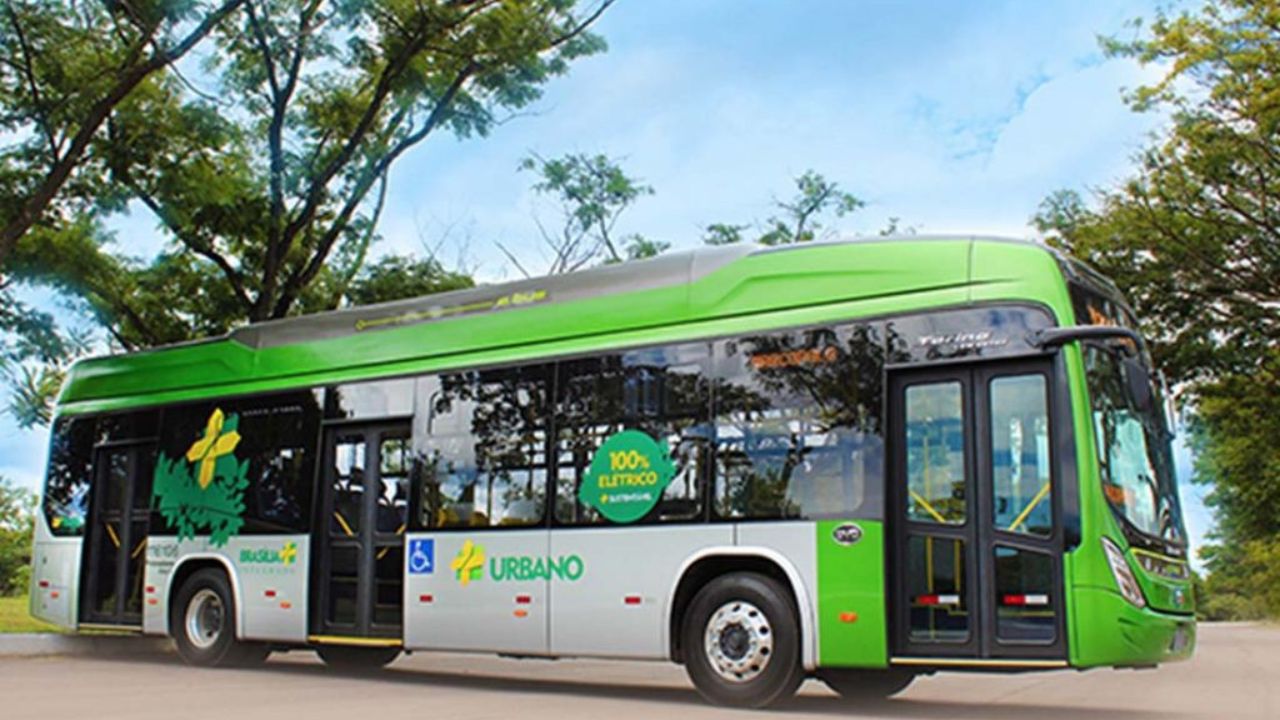
When comparing the compressed air engine with other technologies, its impracticality becomes even clearer. Battery Electric Buses (BEVs) are superior in almost all important metrics.
The energy efficiency of an electric bus (“well-to-wheel”) is approximately 70-80%, while that of an air vehicle, in an optimistic estimate, would not exceed 45%. This means that the operating cost with electricity of an air engine would be much higher. Additionally, battery technology is rapidly maturing, with costs declining and infrastructure expanding.
A High-Risk, Low-Return Investment
The technical and economic analysis demonstrates that a purely compressed air engine is not a viable solution for urban buses. The technology is technically inferior, economically unfavorable, and has a proven history of commercial failures. The initial cost of tanks and compressors would be high, and the operational cost, due to inefficiency, would also exceed that of electric buses.
The strategic recommendation for public managers and fleet operators is clear: do not invest in a technology with extremely high risk and low return. Accelerating the transition to battery electric bus fleets represents the most effective and economically sound path for decarbonizing urban transport.




Seja o primeiro a reagir!