





 Portuguese
  English
  Spanish
  4 min of reading
  3 comments


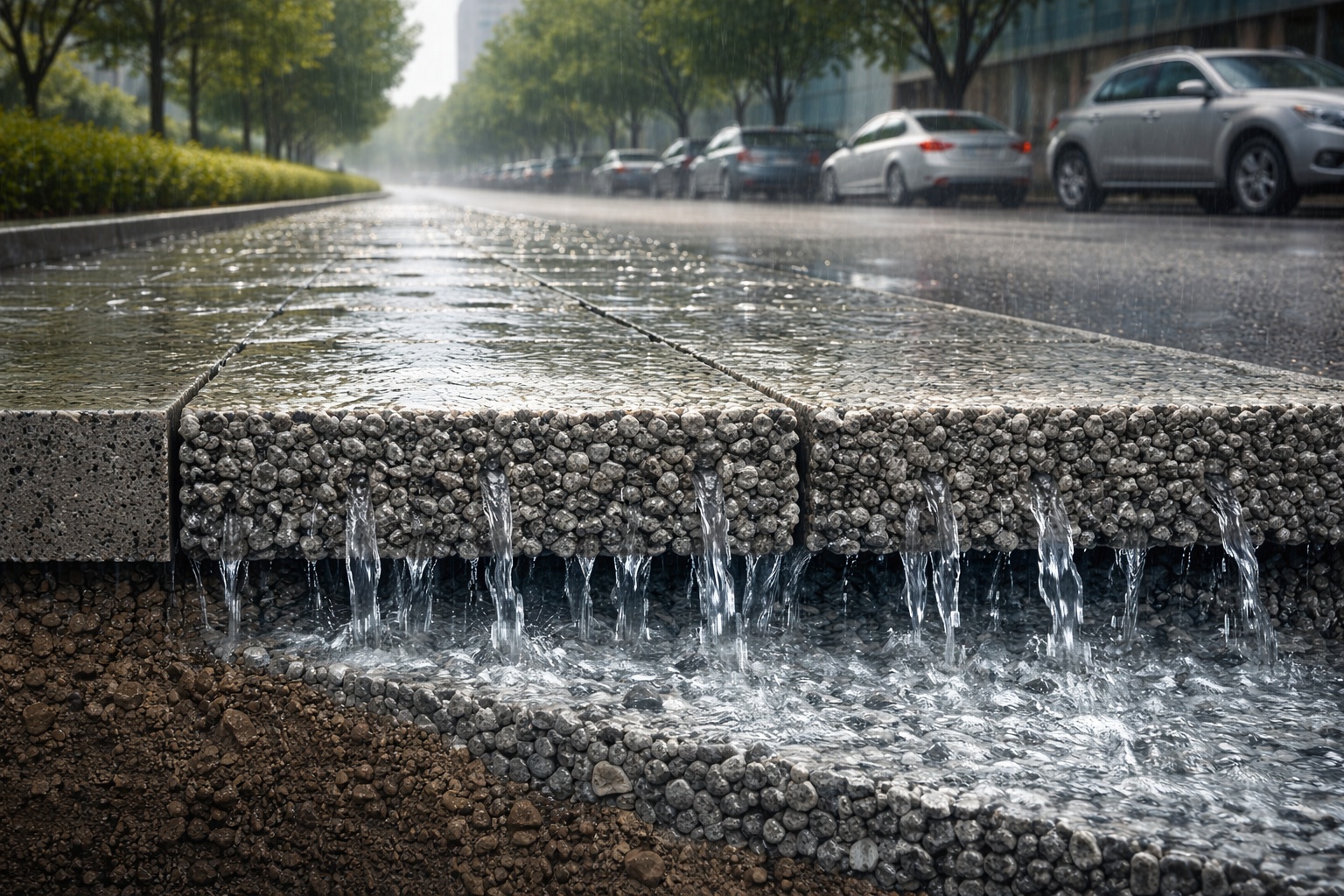


Permeable Concrete Allows Water to Pass Through the Floor, Reduces Puddles and Flooding, and Has Already Replaced Asphalt in Sidewalks, Parking Lots, and Urban Roads.
In practically all cities, the same problem repeats itself after heavy rains: persistent puddles, floods, localized flooding, and overloading of drainage systems. Permeable concrete, also known as pervious concrete, emerges as a direct response to this urban bottleneck by reversing the traditional logic of pavement. Instead of blocking water and forcing it to flow over the surface, the material allows rain to pass through the floor and infiltrate the soil just below.
This characteristic transforms the pavement itself into an active part of the urban drainage system.
How Pervious Concrete Allows the Passage of Water
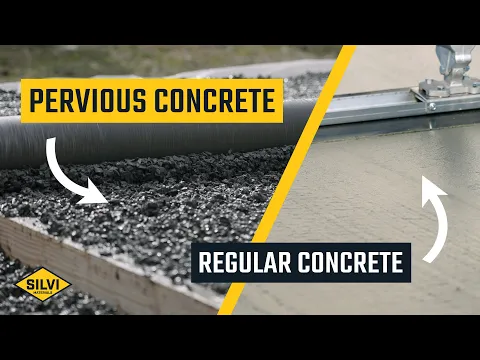
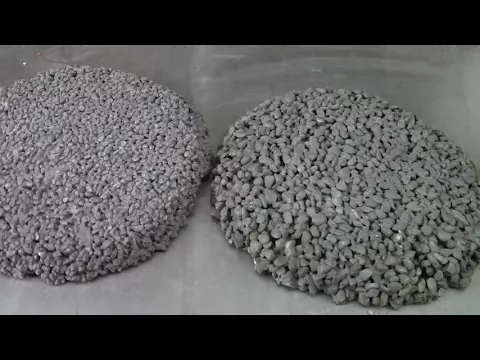
The functioning of permeable concrete is directly linked to its composition. Unlike conventional concrete, it uses little or no fine sand, creating a matrix of coarse aggregates bound by cement that forms interconnected voids.
-
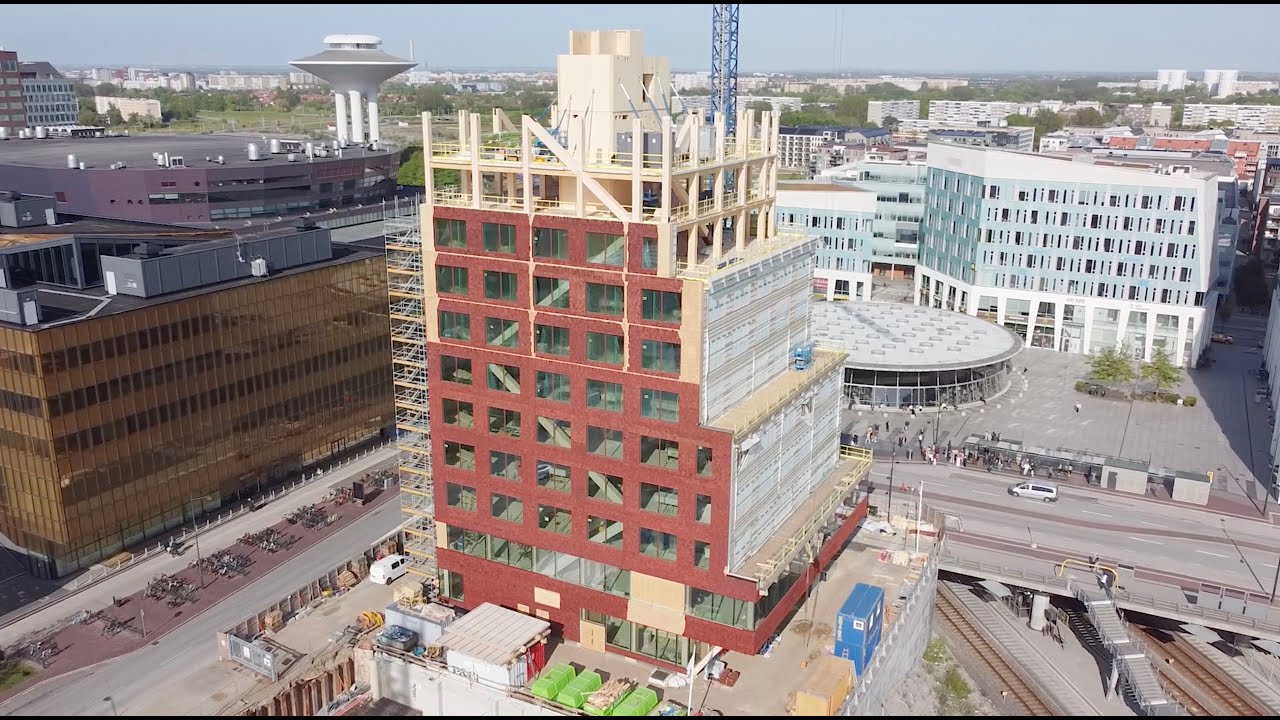
In Sweden, a 51-meter tower was built almost entirely of wood, without a concrete structural core and with solar panels integrated into the facade, using CLT and laminated beams to challenge the dominance of steel and concrete in modern buildings.
-
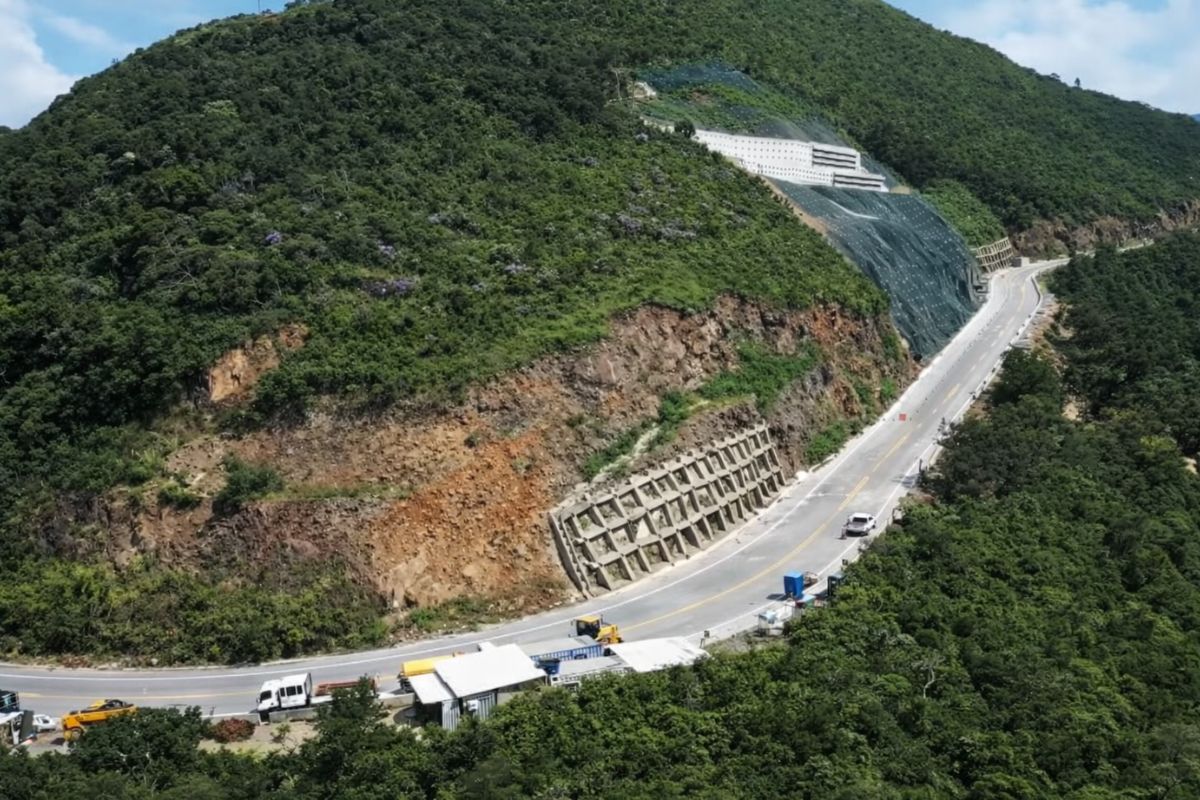
The section of Serra da Rocinha on BR-285 is now open in Timbé do Sul: 50 m tensioned curtains and top-down technique stabilize the slope, with a stairway duct controlling the water.
-
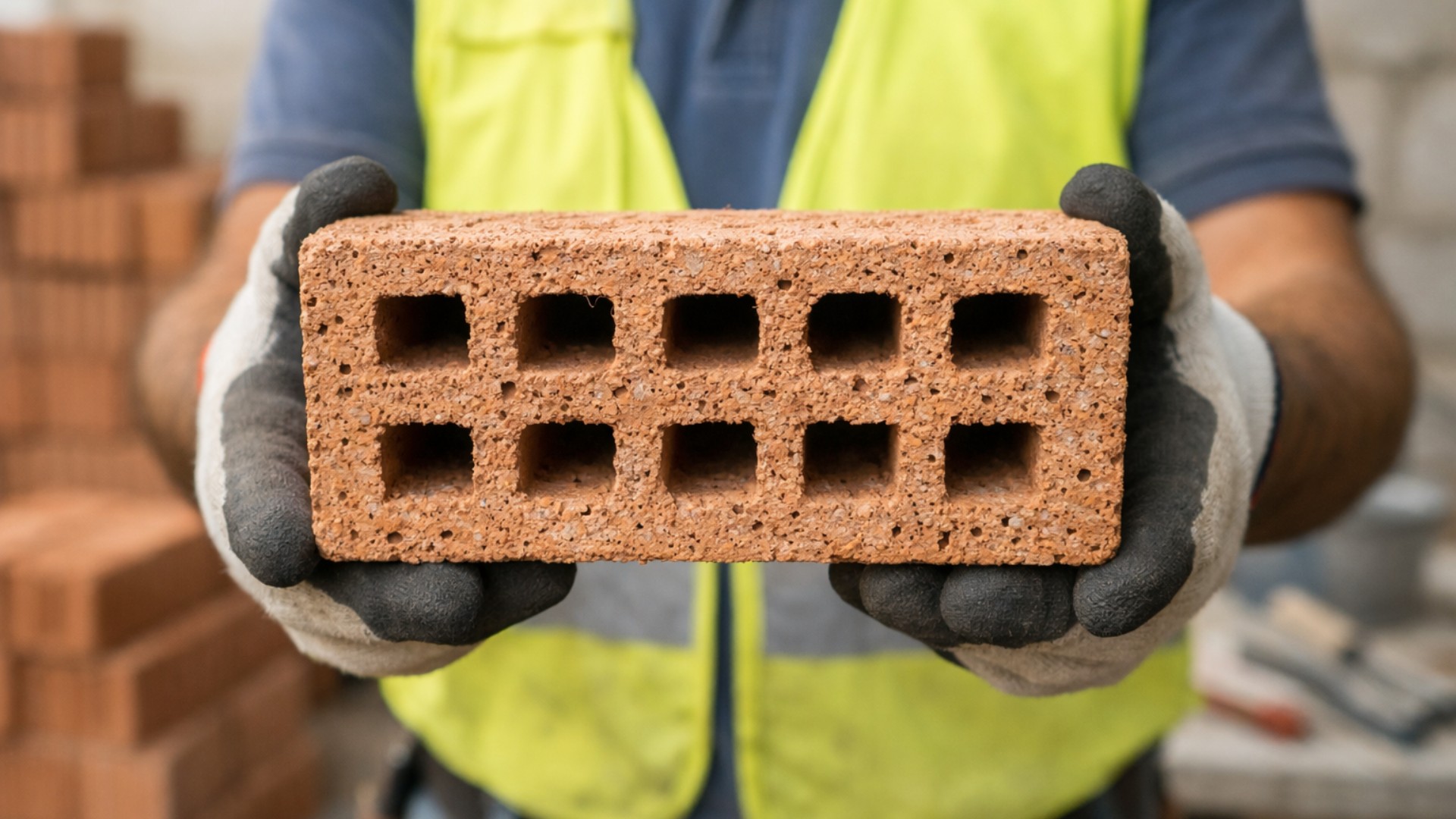
Scientists use sawdust mixed with clay to create a lighter brick, promising efficient thermal insulation and impressing by transforming waste into a solution for construction.
-
With a DNA shape, this bridge in Singapore draws attention in modern architecture and surprises tourists by transforming a simple crossing into an unforgettable visual experience in the urban heart.

These voids allow water to pass through the pavement almost instantaneously, reducing surface runoff.

In practice, the floor acts as a structural filter: it supports light loads while simultaneously directing water to lower layers prepared for infiltration or retention.
Elimination of Puddles and Reduction of Flooding
By allowing direct infiltration of water, permeable concrete virtually eliminates the formation of puddles, even during heavy rains. This reduces the risk of aquaplaning in traffic areas, decreases pedestrian slipping, and prevents premature degradation of the pavement caused by water accumulation.
On an urban scale, the application of the material helps reduce peak runoff, relieving stormwater systems and decreasing localized flooding occurrences.
Replacement of Asphalt in Specific Areas
Although not suitable for heavy traffic roads, permeable concrete has already efficiently replaced asphalt in various real-life applications. Sidewalks, parking lots, light industrial yards, bike lanes, and low-speed roads are the main examples.
In these areas, the functional gain surpasses the performance of traditional asphalt, which is impermeable and relies solely on slope and drains to carry water away.
Moreover, permeable concrete tends to exhibit less surface deformation over time compared to asphalt in low-load areas.
Real and Established Applications in Cities
The use of permeable concrete is not experimental. It is already widely used in urban projects in the United States, Europe, and Asia, with technical guidelines established by organizations such as the Portland Cement Association (PCA).
Parking lots of large shopping centers, public areas, and sustainable urbanism projects utilize the material as a way to meet stormwater management goals without expanding underground drainage networks.
In many cases, the permeable pavement even helps reduce the need for reservoirs or large ponds.
Environmental Benefits and Urban Comfort
Another relevant effect of permeable concrete is the reduction of heat islands. Unlike asphalt, which absorbs and retains large amounts of heat, concrete has higher solar reflectance.
Combined with the presence of moisture in the subsoil, this contributes to lower surface temperatures in paved areas.
Additionally, by allowing water infiltration, the material helps recharge groundwater and reduces the contamination of watercourses by surface runoff laden with waste.
Execution and Technical Care
Although it may seem simple, permeable concrete requires rigorous technical execution. Proper dosing, compaction control, and preparation of underlying layers are essential to ensure permeability and strength.
Excessive compaction can close the voids and compromise drainage; insufficient compaction can reduce durability.
The base must also be designed to receive water, typically with granular layers that temporarily store the infiltrated volume.
Limitations and Where It Should Not Be Used
Pervious concrete does not replace all types of pavement. It is not suitable for roads with heavy traffic, areas with high concentrated loads, or locations where the soil does not allow adequate infiltration. In regions with high loads of fine sediments, periodic maintenance is necessary to prevent clogging of the voids.
However, these limitations do not diminish its value in well-defined urban applications.
A Simple Solution for a Chronic Problem
Pervious concrete stands out because it solves an old problem with a simple structural solution: letting the water follow its natural path.
By transforming sidewalks and parking lots into permeable surfaces, cities reduce flooding, improve urban comfort, and decrease reliance on expensive underground drainage works.
More than an aesthetic innovation, it represents a functional change in the role of the pavement, which ceases to be an obstacle to water and becomes an active part of the urban solution.







Essa é a solução que tenho procurado para o local de estacionamento de carros sem comprometer a drenagem do solo. Gostaria, se possível ser informado quais empresas trabalham com a solução.
Olá Sandro,
Tenho essa tecnologia dispoível para seu projeto. pos procurar nossa empresa no instagram @ecocretobrasil
What country are you in ?
We can help if you are in australia or New Zealand.