





 English
  Francês
  Alemão
  Italiano
  Japonês
  Norueguês
  Portuguese
  Spanish
  4 min of reading
  10 comments


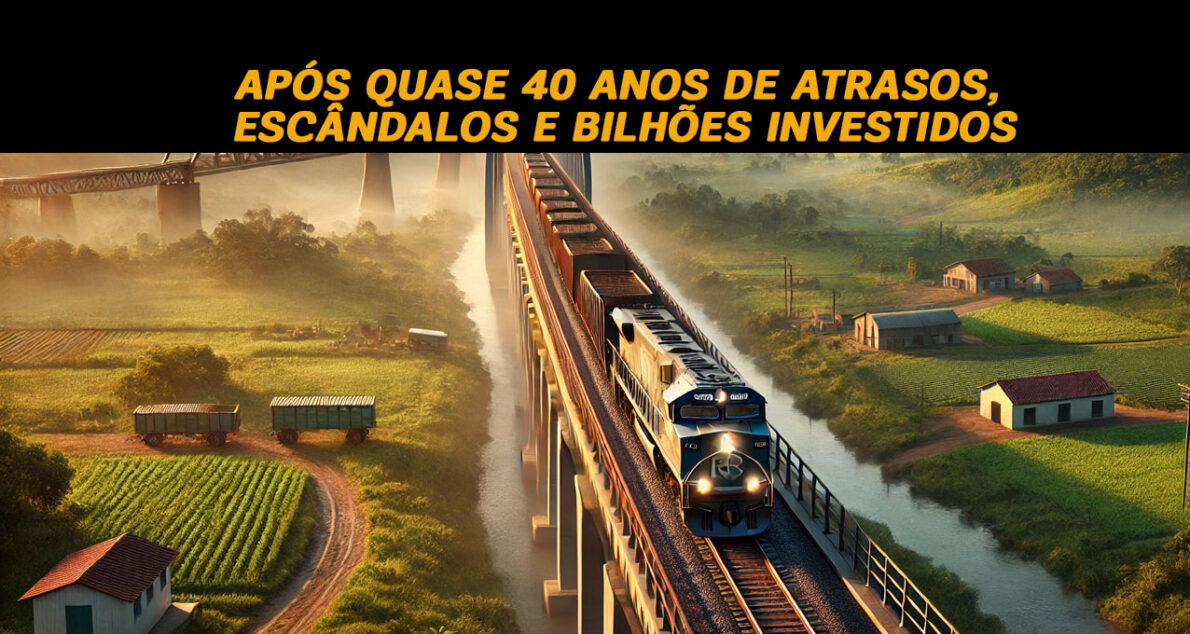

After Almost 40 Years of Delays, Scandals, and Billions Invested, the North-South Railway Becomes a Reality, Promising to Revolutionize Freight Transport in Brazil. But Did This Long Wait Really Pay Off?
For decades, the promise of a rail connection that would unite the North and South regions of Brazil remained just on paper, fueling the distrust of millions of Brazilians.
The project, which was supposed to boost the national economy and reduce dependence on highways, ended up becoming synonymous with scandals and corruption.
Now, after a wait that spanned generations, the North-South Railway is finally in operation. But what does this really mean for the country?
-
Chinese giant worth nearly R$ 4 billion that manufactures cables for electric cars, solar energy, and robotics wants to open a factory in SC.
-
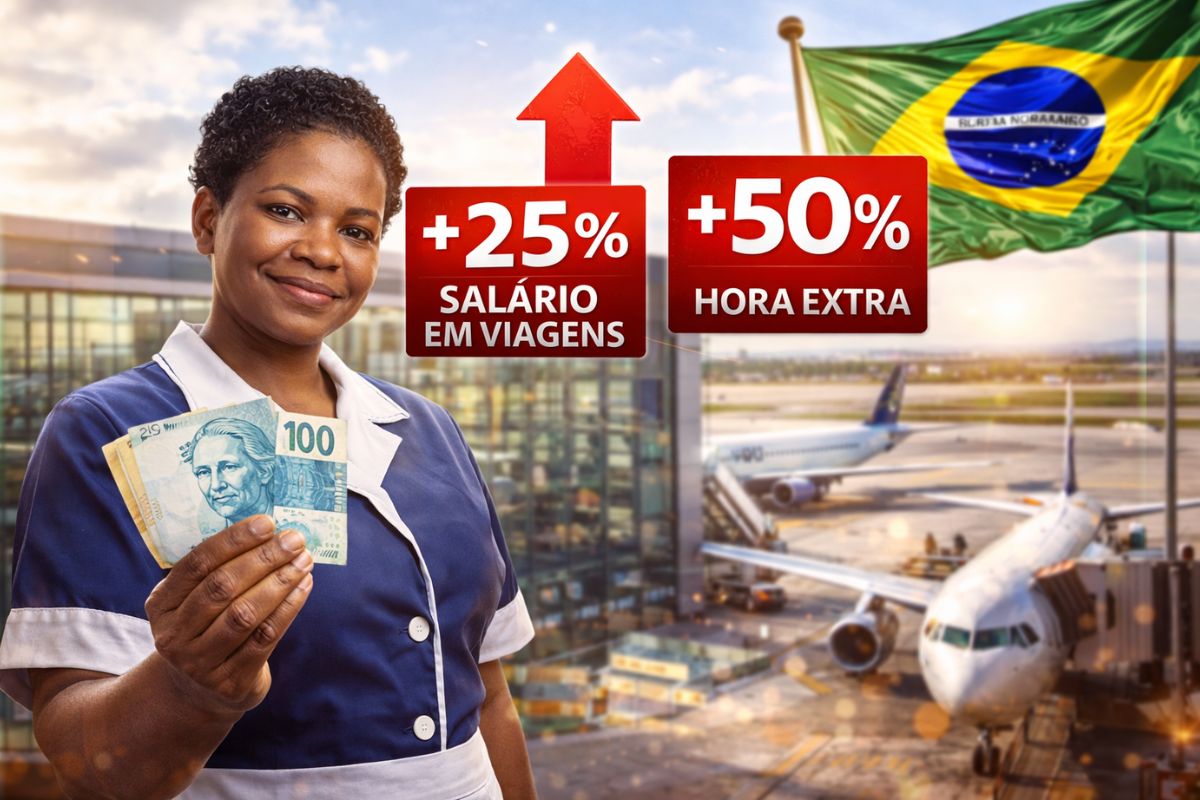
Many employers do not know, but the law guarantees domestic workers a 25% increase in salary during trips, 50% for overtime, 20% for night shifts, and 17 additional benefits that can lead to labor lawsuits if not paid.
-
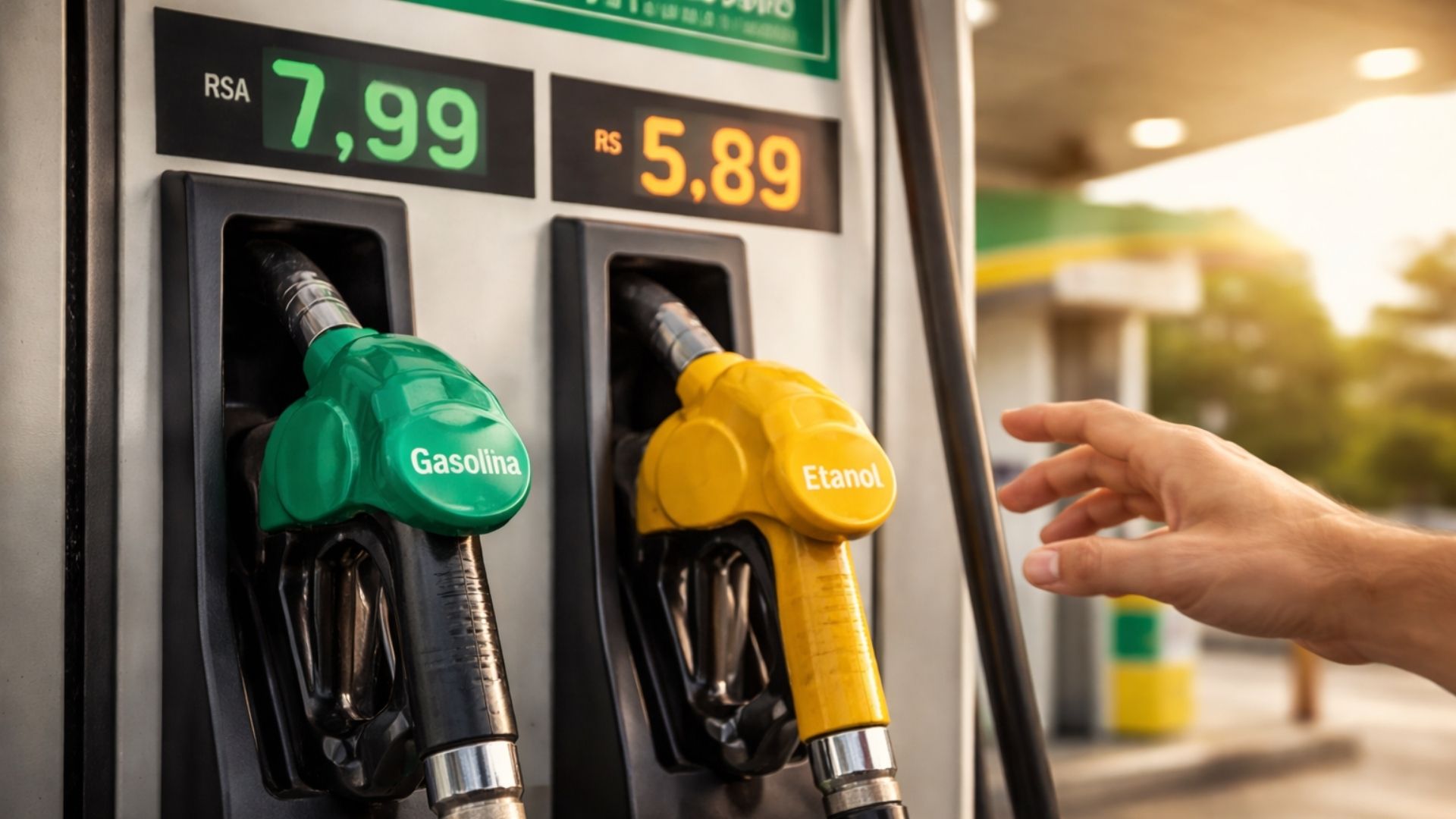
Gasoline prices soar and the question arises: is ethanol more advantageous? The 70% rule reveals the limit with gasoline.
-
The government has made a decision and is starting a test with more ethanol in gasoline, anticipating a mixture of up to 35%, diesel with 25% biodiesel, and a study to assess the impacts on engines.

In the second half of 2024, the North-South Railway, with its 2,200 km extension, was completed and made its first complete journey, transporting cargo along the tracks connecting the ports of Itaqui (MA) and Santos (SP).
This achievement marks an important chapter in the history of Brazilian logistics, as the railway, which cost over R$ 11 billion, is expected to move around 22.7 million tons of cargo by 2055, according to projections by the National Agency for Land Transport (ANTT).
An Ambitious and Problematic Project
The construction of the North-South Railway began in 1987, managed by Valec, a public company linked to the Ministry of Infrastructure.
Initially planned to connect Açailândia (MA) to Anápolis (GO), the project was extended to reach Estrela D’Oeste (SP). Over the years, the progress of the work was marked by scandals and million-dollar embezzlements, as pointed out by the Federal Public Ministry (MPF).
According to the MPF, during construction, embezzlements of public funds amounting to R$ 630 million were identified just in the state of Goiás, between 2006 and 2011, during the management of Juquinha das Neves at Valec.
Juquinha was convicted of money laundering, but his defense stated that the sentence was annulled and he was acquitted in several cases. These corruption episodes further delayed the completion of the project, raising its costs and increasing public distrust.
A New Era for Brazilian Logistics
With the completion of the Goiás section, the North-South Railway now connects four regions of the country, passing through five states, representing a significant achievement for national infrastructure.
The National Secretary of Railway Transport, Leonardo Ribeiro, highlighted that 90% of the work was built with public resources, but there were concessions and sub-concessions that allowed the completion of the railway.
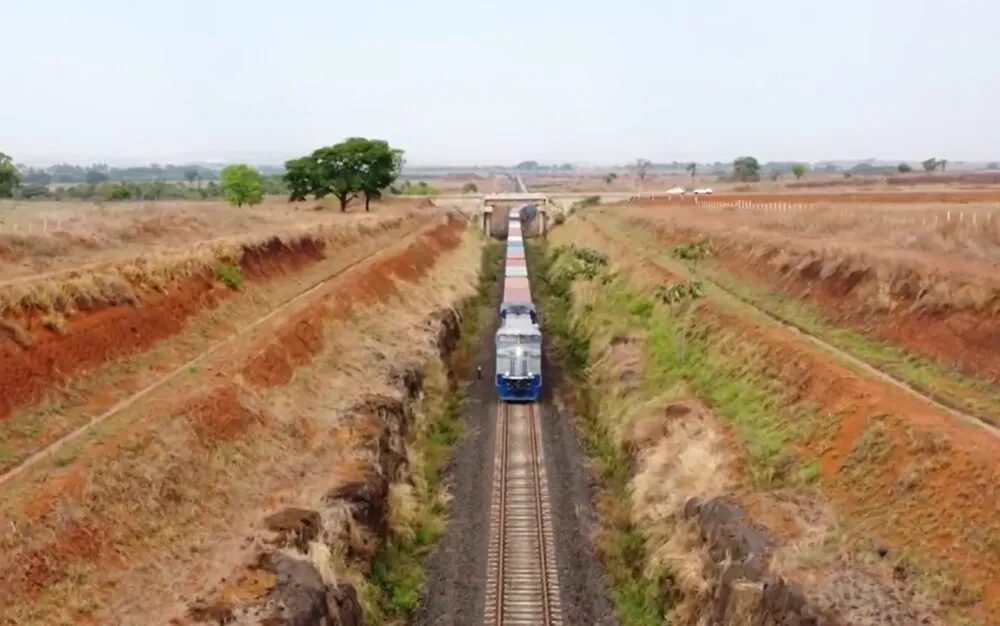
In the northern section, the operation is the responsibility of VLI, while the company Rumo manages the central and southern sections. Ribeiro emphasized that, despite the high costs, the project was essential to promote Brazil’s integration and boost regional development.
The Federal Government expects that the railway will not only benefit the export of agricultural production but also stimulate the economic development of cities near the railway line, while reducing environmental impact and improving safety on highways.
First Journey and Its Impact on Transport
The first official journey of the railway was a symbolic milestone for the country. In an interview with portal g1, the engineer Wodson Baltazar Silva, who hadn’t even been born when the works began, had the honor of driving the first train along the completed railway.
The journey, conducted as a commissioning event, transported 112 containers of agricultural pesticides, cotton, and automotive parts, from Cubatão (SP) to Anápolis (GO).
Residents of cities along the railway, such as Santa Helena de Goiás, celebrated the inauguration, impressed by the passage of the trains, which had been long awaited. For Elvia Antunes, a resident of Santa Helena, also in an interview with the mentioned portal, the arrival of the railway is a “wonder” for the city, which now has new growth prospects.
Challenges and Promises for the Future of the Railway
Although the inauguration of the North-South Railway represents a step forward, many challenges still lie ahead. The management of the railway, the efficiency of freight transport, and its maintenance will be essential for the expected benefits to materialize.
According to Daniel Salcedo, commercial director of Brado, a logistics company operating in the section, the railway has the potential to significantly reduce CO2 emissions and provide a more sustainable and economical alternative to road transport.
In the next five years, it is expected that the operation of the railway will reduce CO2 emissions by up to 160,000 tons, which is crucial in a scenario where companies are seeking more sustainable solutions. This is one of the main arguments for the project’s success, which, despite the difficulties, promises to transform logistics in Brazil.
But after decades of waiting and billions invested, will the North-South Railway fulfill all its promises and finally deliver to Brazil the long-desired logistics efficiency?




Viva o maior presidente do Brasil,,Luiz Inácio lula da Silva,,, obrigado presente,, mostrar pó **** 🐂🐂🐂🐂🐂 como se governa,de verdade
Vcs deveriam estudar geografia no mínimo antes de publicar o que não sabem. A rodovia mencionada é a trans nordestina.. reiniciadas as obras em 2020. Itaqui é no Maranhão.
Ainda faz tempo de correr atrás desse Juquinha das Neves e retomar os ativos comprados com o dinheiro roubado. Simples assim. Começa com as mansões em Trancoso, Porto Feliz (ao la do Musk) e as 100 nos diversos Alphavilles do Brasil. Incluso as Ferraris, Porsches e Legacys !!! Simbora TCU, PGR ou YouTubers???