





 Portuguese
  English
  Spanish
  3 min of reading
  0 comments


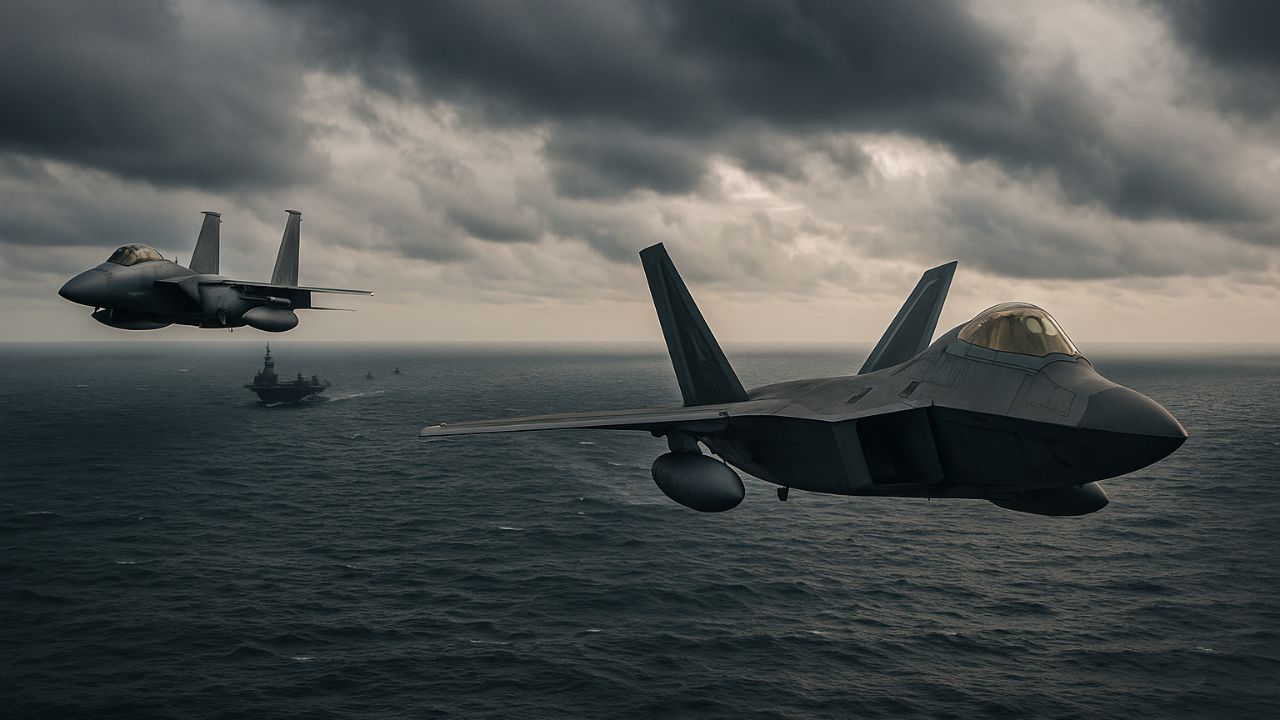
Japan Accuses China of Targeting Fighters with Missile Radar Near Okinawa and Elevating Military Tension in the Pacific.
Japan reported on Saturday (12/06/2025) that Chinese fighters may have targeted Japanese military aircraft with a target control radar during a China exercise in international waters near Okinawa.
According to the Japanese Ministry of Defense, the incident occurred while Tokyo was mobilizing aircraft to monitor the Chinese operation — a situation that, besides being unusual, raises tension between the two countries amid disputes involving Taiwan.
According to Japanese authorities, the incident was classified as “dangerous” because the use of this type of radar indicates potential preparation for the launch of missiles, forcing the opposing pilot to take evasive measures.
-
The U.S. Army receives the first Black Hawk helicopter that can fly without pilots, be controlled by a tablet, and even land on its own during high-risk missions.

-
With 11,000 tons and sensors capable of hunting submarines at long distances, the Type 055 has become one of the most feared floating arsenals of the Chinese navy.

-
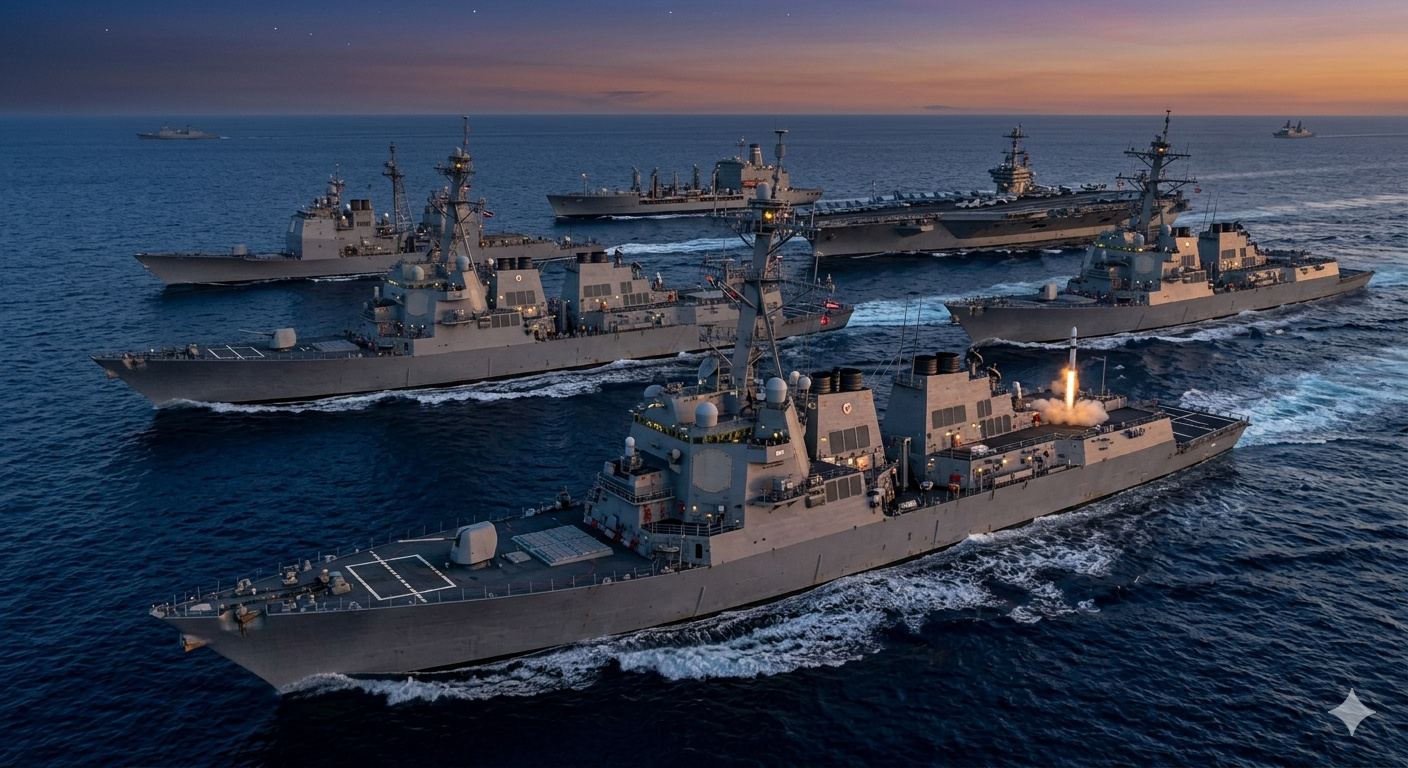
With over 15,000 tons, radars capable of tracking hundreds of targets simultaneously, and more than 120 missiles ready for launch in seconds, modern destroyers cease to be escorts and begin to dominate the naval battlefield.
-
With over 15,000 tons, radars capable of tracking hundreds of targets simultaneously, and more than 120 missiles ready for launch in seconds, modern destroyers cease to be escorts and begin to dominate the naval battlefield.

The Chinese government, however, denies the accusation and asserts that its fighters were only conducting a previously announced training exercise.
Missile Radars and Dangerous Maneuvers: What Is Known So Far
Tokyo stated that two Japanese fighters were “illuminated” by a military radar coming from Chinese aircraft launched from the Liaoning aircraft carrier.
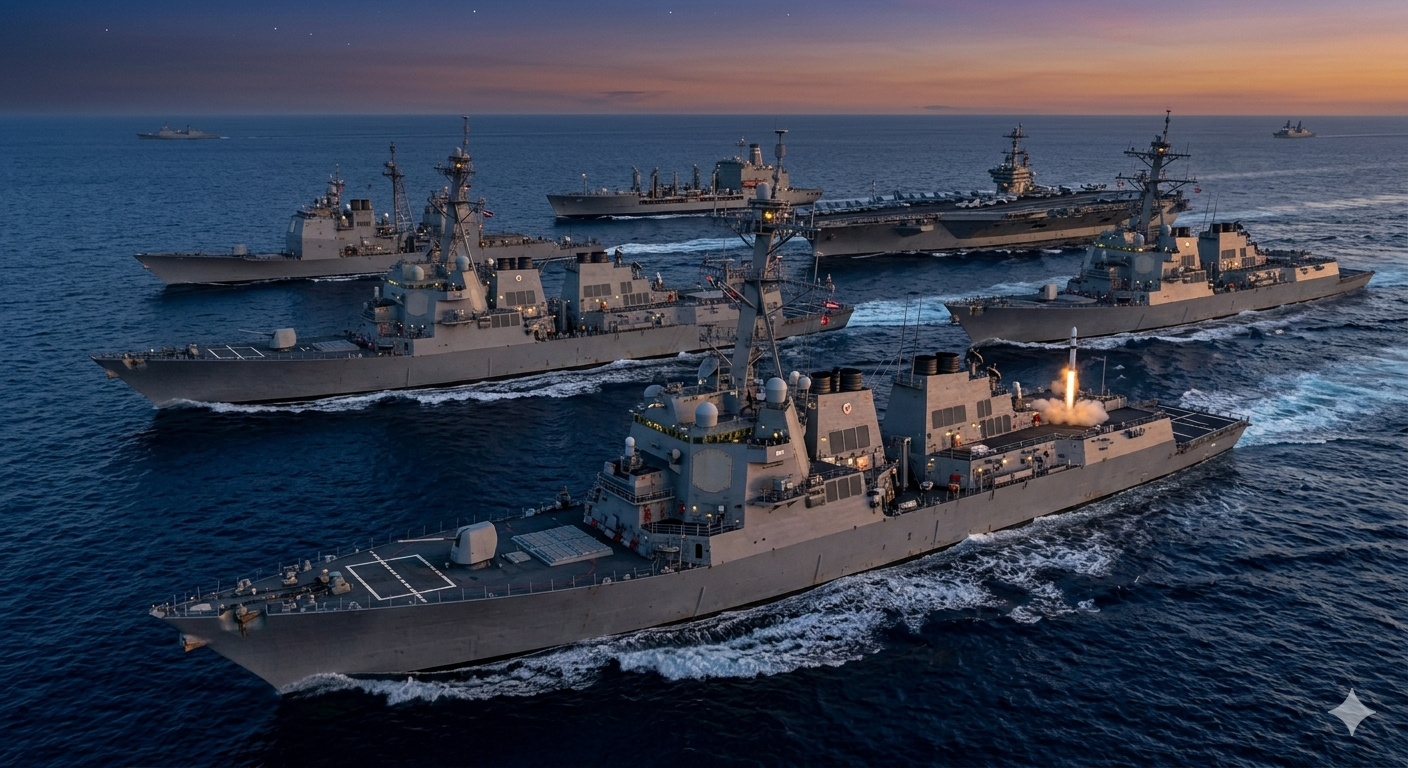
The maneuvers, according to the Japanese government, occurred in international waters southeast of Okinawa, where the aircraft carrier was accompanied by three destroyers equipped with missiles.
Directing this type of radar is considered a hostile gesture because it determines not only the location of rival aircraft but also the potential locking of missiles.
As highlighted by the Japanese newspaper Mainichi, the pilot receiving this alert cannot know if a launch will occur.
Japanese Defense Minister Shinjiro Koizumi strongly criticized the action:
“The illumination of the [Chinese] radar went beyond what was necessary for the safe flight of the aircraft,” he wrote on social media. He also confirmed that Tokyo filed a formal protest to China.
China Responds and Accuses Japan of Interfering in Training
Meanwhile, Beijing rejected the accusation and stated that it was the Japanese aircraft that repeatedly approached, disrupting a legitimate training exercise over the Pacific.
Naval spokesperson Wang stated that the exercise was announced in advance and took place east of the Miyako Strait.
In a strong statement, Wang declared:
“We solemnly demand that the Japanese side immediately cease defamation and slander and strictly restrict actions at the front line.”
He also stated that the Chinese Navy “will take necessary measures” to protect its security.
Japanese government sources, reported by Kyodo News, claimed that the Japanese fighters maintained a safe distance and did not conduct maneuvers that could be interpreted as provocation.
Context: Rising Tensions Between Japan and China
The incident occurs at a time of strong diplomatic deterioration. Relations between Japan and China have been declining since the new Japanese Prime Minister, Sanae Takaichi, warned that Japan might respond militarily if China took actions against Taiwan that threatened its national security.
Beijing reacted with economic and cultural pressure. Measures include travel warnings to Japan, restrictions on imports of Japanese seafood, and suspension of licenses for films and shows.
Additionally, China’s military advancement raises concerns in the region. On Thursday (4), more than a hundred Chinese ships — including military vessels and coast guard ships — were seen in the East Asia region, according to Reuters. Taiwan classified the movement as a “threat to the Indo-Pacific.”
United States Enters the Radar of Negotiations
Japan has a significant U.S. military presence in Okinawa, where warships, planes, and thousands of Marines are stationed. Thus, Washington is closely monitoring the escalation.
U.S. President Donald Trump urged the Japanese Prime Minister to avoid escalating the conflict, while President Xi Jinping emphasized in a previous conversation that Taiwan should return to Chinese influence, according to the Xinhua agency.
Tension with Risk of Miscalculation
The combination of fighters, missiles, aircraft carriers, and territorial disputes keeps the climate unstable in the region. Analysts fear that a miscalculation or misinterpretation between Japan and China could lead to an unwanted confrontation.
The Japanese government asserts that it will continue to monitor Chinese military movements “firmly and calmly,” seeking to maintain stability in the Pacific.






Seja o primeiro a reagir!