





 Portuguese
  English
  Spanish
 4 min of reading
  0 comments


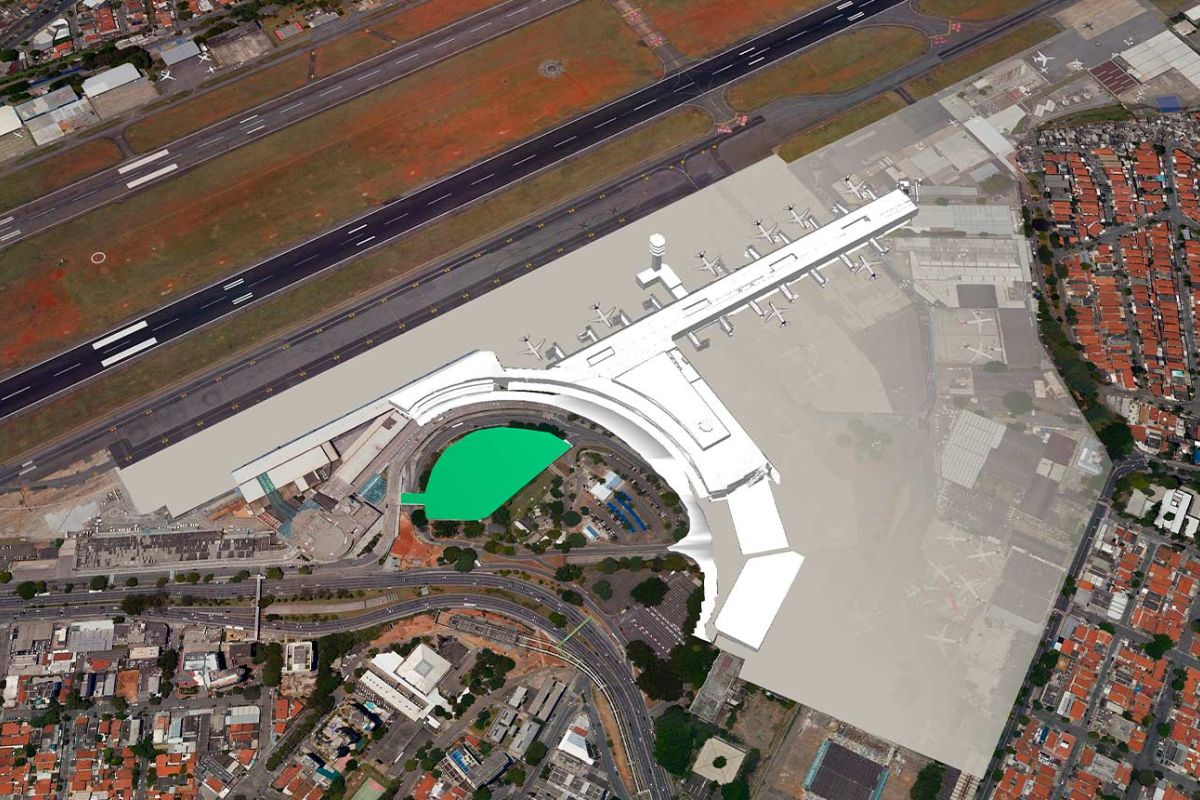
In Congonhas, In The Heart Of São Paulo, Aena Brazil Promises A New Airport With Works Until 2028: Terminal Almost Triples From 45 Thousand To 105 Thousand M². There Will Be 17 X-Ray Inspection Channels, With 98% Passing In Up To Five Minutes, And 19 Fingers For 70% Boarding Through The Terminal.
The modernization plan for Congonhas, in São Paulo, envisions a profound transformation of the terminal and operational areas, with completion expected by 2028. The proposal aims to tackle the most visible bottlenecks in the airport’s routine, such as congestion, delays, and the discomfort of boarding during peak hours.
The package combines increased space, changes in security logic, and expanded boarding bridges, along with interventions in the apron and runways. The promise is to reorganize the passenger journey from access to the gate, reducing the “human bottleneck” that currently forms within the terminal.
What Changes In The Terminal And Why The Area Almost Triples

The most concrete axis of the reform is the expansion of the passenger terminal. Today, the terminal has 45 thousand square meters. With the expansion, the goal is to reach 105 thousand m², practically tripling the available space for circulation and services.
-
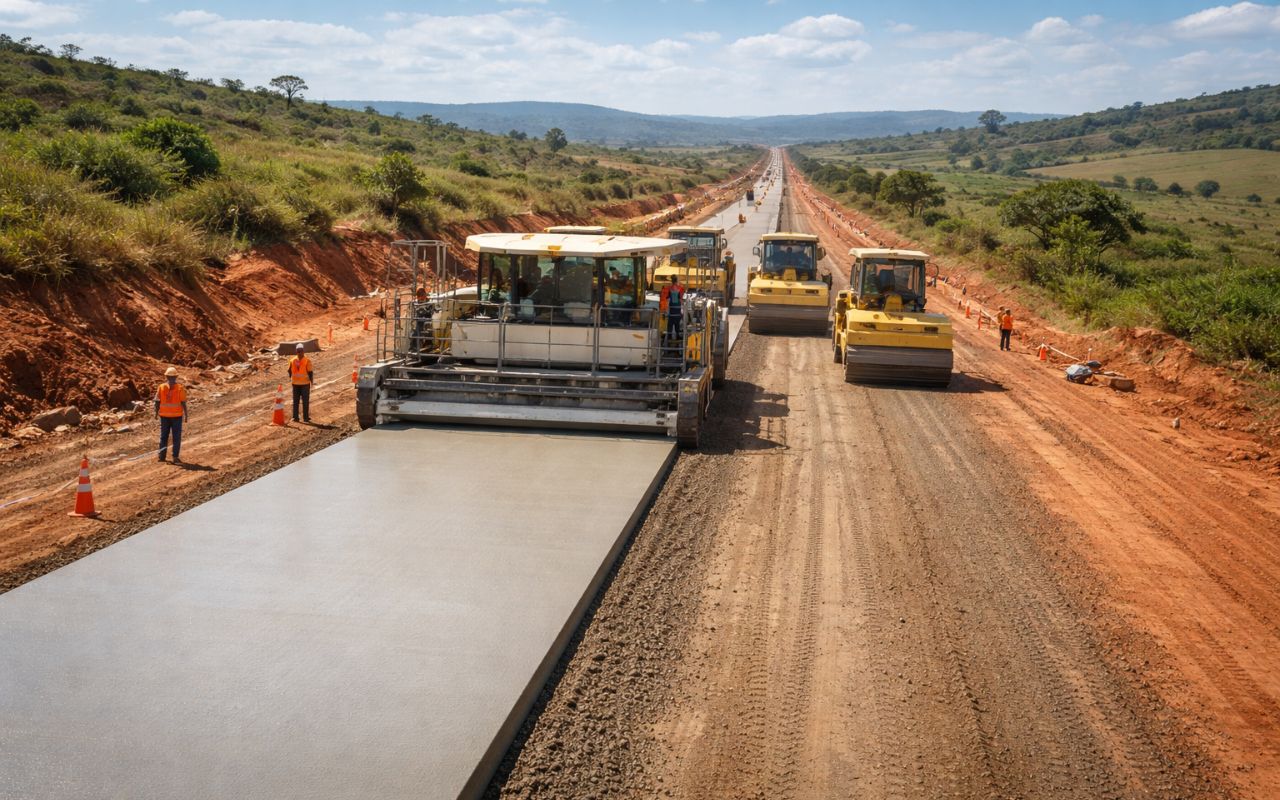
New CCR concrete paving technology promises roads up to 3x more durable, less maintenance, and cost reduction in Brazil.
-
Made from recycled plastic, plastic wood is gaining space in the construction industry because it does not rot, resists moisture, and reduces maintenance costs over the years.

-
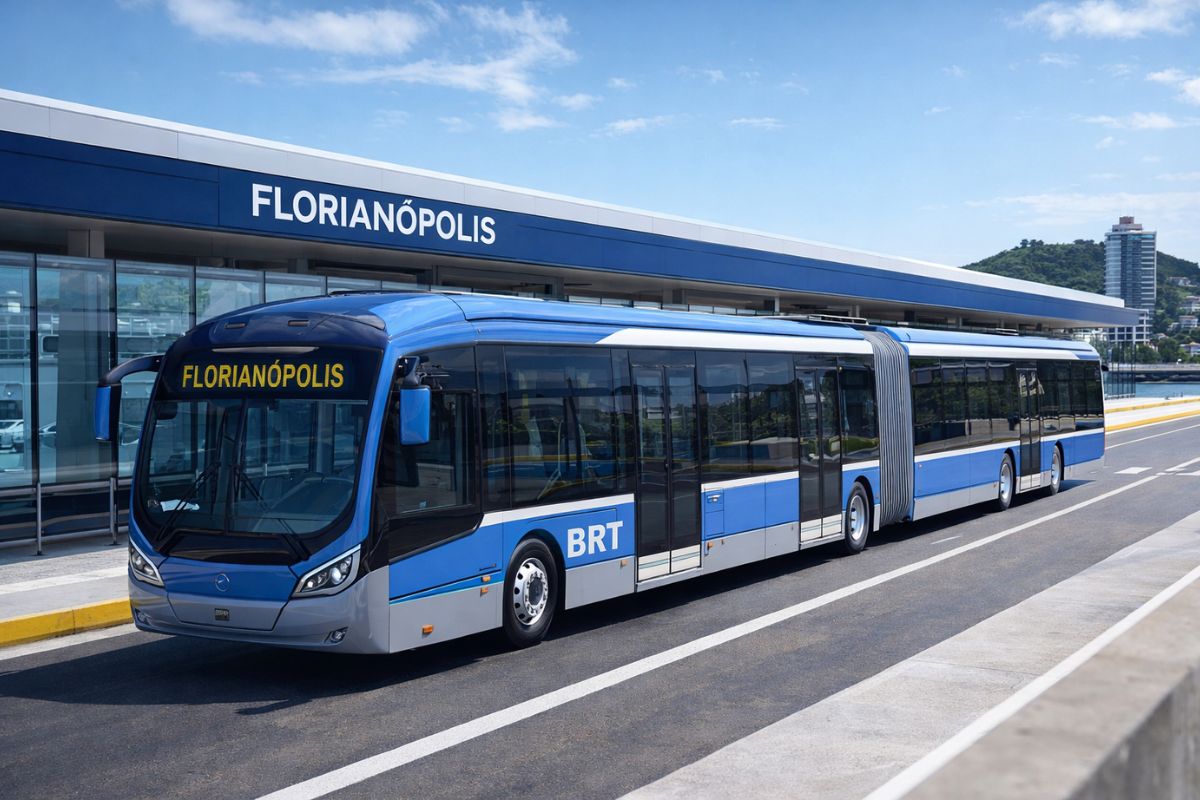
Florianópolis will receive a million-dollar BRT that will begin construction in 2026 with nearly 400 million in funding from the federal government and the Inter-American Development Bank, and the map already shows the routes for the exclusive bus corridors.
-
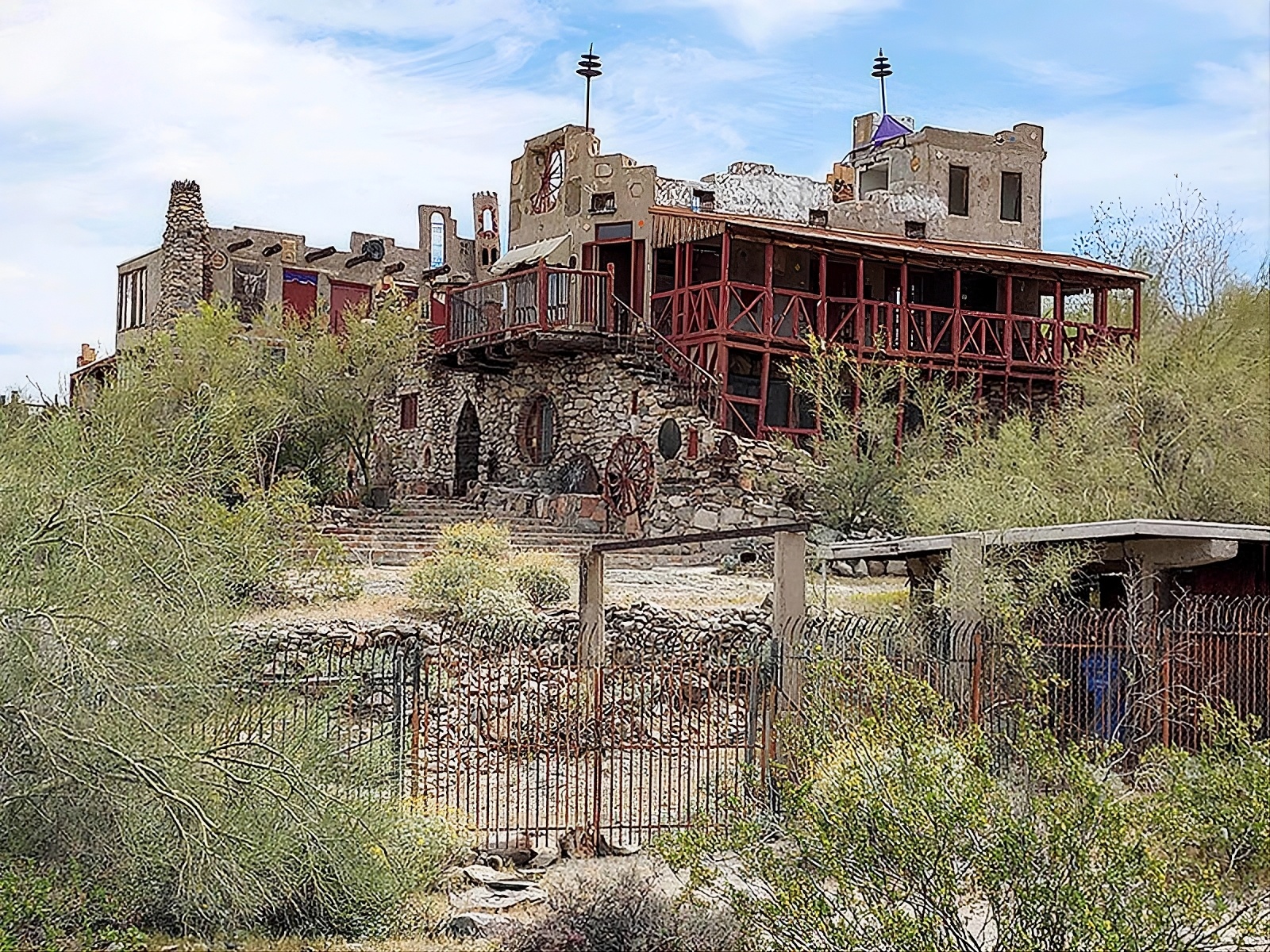
Without a blueprint, without an engineer, and using scrap from the dump, a father spends 15 years building an 18-room castle for his daughter, featuring tram tracks, 13 fireplaces, and over 700 m², which may now be demolished.

This increase in area is presented as a direct response to the pressure during peak hours, when the current infrastructure is at its limit and the flow of people loses fluidity. More space means more capacity to organize queues, distribute circulation, and reduce bottlenecks, especially in control and boarding areas.
X-Ray With 17 Channels And The Goal Of 5 Minutes In Security

The security area of Congonhas serves as another central point. The project foresees the inclusion of 17 x-ray inspection channels, increasing the screening capacity and accelerating control.
The announced expectation is aggressive: 98% of passengers should pass through security control within five minutes. This indicator becomes a thermometer of the new model, as security usually is the main point that exceeds times when the terminal fills up and demand spikes.
Fingers: 19 Positions And Direct Boarding For The Majority

The plan also includes the expansion of boarding bridges, with 19 finger positions. The operational goal is to increase direct boarding through the terminal, raising the comfort standard and reducing reliance on more uncomfortable relocations during busier days.
The target linked to this expansion is that approximately 70% of passengers will board directly through the terminal. In practice, this repositions the boarding experience, decreasing the sensation of improvisation and the crowding of people in waiting areas.
Works Until 2028 And The Promise To Change The Passenger Journey
The modernization of Congonhas is expected to be completed in 2028. Some improvements have already begun, and others are still being implemented, aiming to reorganize the experience throughout the entire journey within the airport.
The project is treated as a milestone for the airport infrastructure of the São Paulo capital, with a clear focus on comfort, fluidity, and predictability. The sensitive point is coexisting with construction in an airport that operates under intense demand, right in the heart of São Paulo.
Apron And Runways: Operational Security Is Included In The Package
In addition to the terminal, the project includes improvements in the aircraft apron and runways. Among the planned items are new escape areas, quick exits, relocation of hangars, and optimization of operational areas.
The framework for these changes aims to elevate operational safety standards at the airport. Here, the transformation is less visible to the passenger, but decisive for the system’s functioning, as it involves how aircraft move, occupy positions, and operate with greater margin and organization.
With works planned until 2028, Congonhas is set to undergo a reconfiguration that impacts the scale of the terminal, the speed of x-ray, and the boarding logic. The terminal jumps from 45 thousand to 105 thousand m², gains 17 x-ray inspection channels with a target of 98% in up to five minutes, and expands to 19 fingers, aiming for 70% of direct boarding, in addition to changes in the apron and runways to enhance operational security.
Do you prefer that Congonhas first prioritize reducing queues at security or expanding fingers to decrease congestion during boarding?








-

Uma pessoa reagiu a isso.